
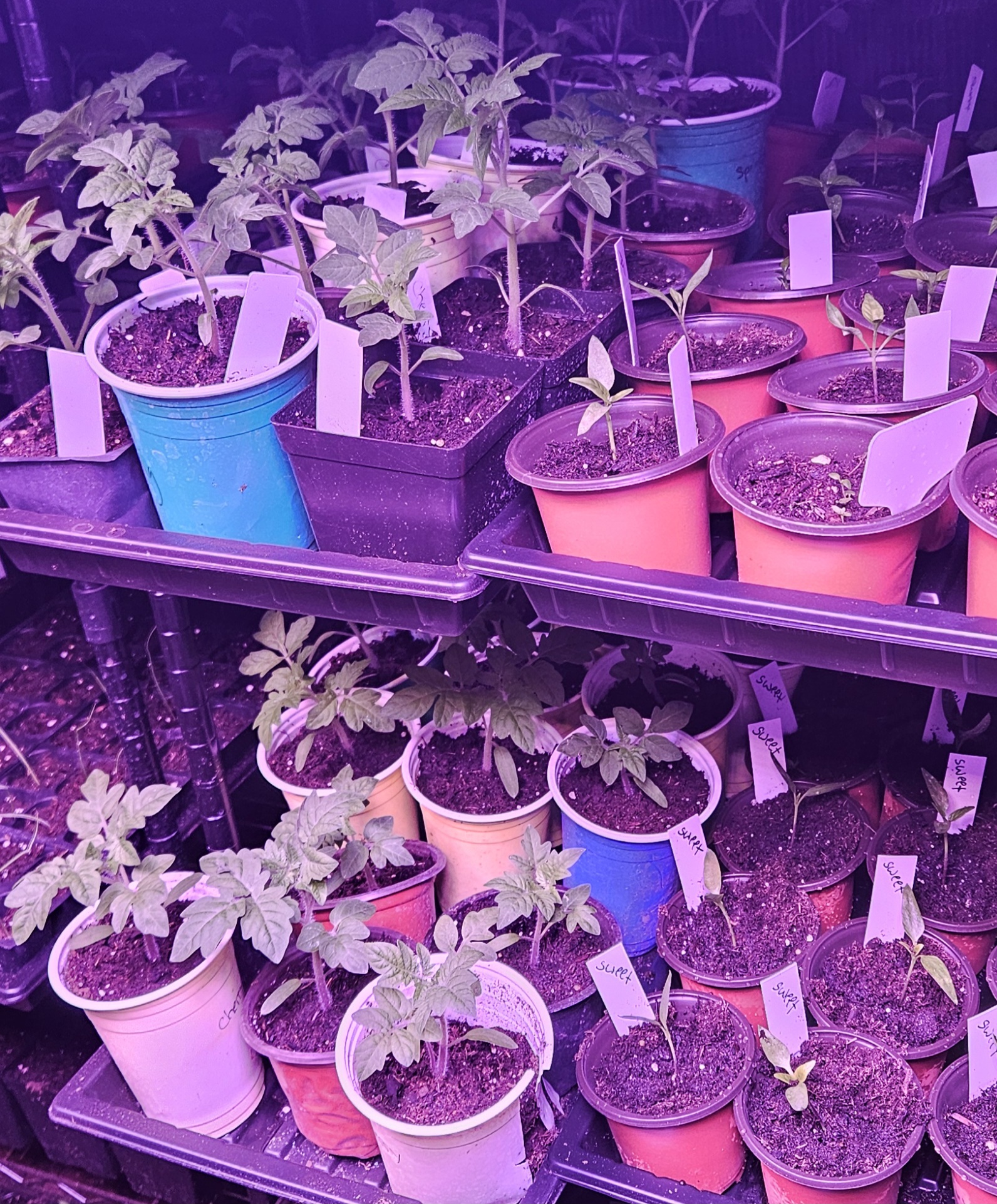
For many people, starting a garden feels like an expensive dream. Between the cost of pots, soil, seeds, and tools, it can seem like gardening is only for those with extra money to spend. But here’s the truth: gardening has always been about creativity, resourcefulness, and working with what you have.
You don’t need a big backyard, a fancy greenhouse, or brand-new tools to enjoy the benefits of fresh, homegrown food. With a little imagination, you can create a thriving garden on almost no budget at all.
In this post, I’ll share practical ways you can start a garden with little to no money—whether you live in a small apartment, have a tiny backyard, or simply want to save money while growing your own food.
1. Use What You Already Have
Before you buy anything, look around your home—you probably already have most of what you need to get started.
- Repurposed Containers: Buckets, totes, yogurt cups, and even cardboard boxes can become instant planters. Just make sure to poke drainage holes at the bottom so water doesn’t pool and rot the roots.
- Egg Cartons & Small Cups for Seed Starting: These make excellent starter trays for seeds. When the seedlings are big enough, you can transplant them to larger containers or the ground.
- Kitchen Scraps to Regrow: Did you know you can regrow green onions, celery, and lettuce from their root ends? Place them in a shallow dish of water, and within days you’ll see fresh growth. Garlic cloves, potato eyes, and even herbs like basil can also be propagated from scraps.
💡 Pro tip: Keep a “garden bin” for reusable items like jars, containers, and egg cartons—you’ll always have something on hand when you want to start seeds.
2. Find Free or Cheap Soil & Compost
Soil is the foundation of every garden, but it doesn’t have to cost a fortune.
- Make Your Own Compost: Collect vegetable scraps, eggshells, and coffee grounds in a small compost bin or pile. Over time, it breaks down into nutrient-rich soil for your plants.
- Mulch for Free: Rake up fallen leaves, grass clippings, or shredded paper to use as mulch. Mulch helps retain water, improve soil health, and reduce weeds.
- Coffee Shops & Breweries: Many local coffee shops give away used coffee grounds, and some breweries will even share spent grains—both are fantastic for composting.
- Community Resources: Check Facebook, Buy Nothing groups, Craigs list, or local garden clubs. Many people offer free dirt, compost, or extra supplies to anyone willing to pick them up.
3. Get Seeds & Plants for Free
Seeds can be one of the biggest costs when starting out—but they don’t have to be.
- Seed Swaps: Many communities and online groups organize seed swaps where you can trade what you have for something new.
- Library Seed Banks: Some libraries now offer free seeds alongside books. You “check out” seeds, grow your plants, and return saved seeds at the end of the season.
- Regrow from the Kitchen: Garlic, onions, lettuce, and even tomatoes can be regrown from scraps or seeds inside store-bought produce. Just make sure they’re not treated with chemicals that prevent sprouting.
- Ask Neighbors: Gardeners often end up with too many seeds or divided plants. Don’t be shy about asking—you might be surprised how generous people are with extras.
💡 Pro tip: Save your own seeds! Once you’ve grown something successfully, collect seeds for next season—it’s free and sustainable.
4. DIY Garden Tools & Supplies
You don’t need an expensive set of garden tools to get started. A little creativity goes a long way.
- DIY Watering Cans: Poke holes in the lid of an old milk jug, and you have an instant watering can.
- Homemade Raised Beds: Use scrap wood, pallets, or even bricks to create small garden beds.
- Simple Plant Markers: Popsicle sticks, rocks, or even painted spoons can label your plants.
- Repurposed Household Items: Old socks or strips of cloth make great plant ties. Large plastic bottles can be cut to protect seedlings from the cold.
💡 Pro tip: Focus on function, not appearance. Many successful gardens are built with repurposed items—what matters most is that your plants have the right conditions to thrive.
5. Start Small & Grow Smart
One of the biggest mistakes new gardeners make is trying to do too much, too fast.
- Choose Easy Crops: Start with 2–3 beginner-friendly vegetables like lettuce, beans, zucchini, or radishes. They’re forgiving, fast-growing, and rewarding.
- Container Gardening: If you don’t have a yard, containers on a balcony, patio, or windowsill can still grow a surprising amount of food.
- Gradual Expansion: Once you see success with a few plants, add more each season. This keeps costs low and helps you learn without feeling overwhelmed.
- Keep It Fun: Gardening should bring joy, not stress. Starting small allows you to actually enjoy the process rather than feeling pressured to manage a huge space.
💡 Pro tip: Celebrate every harvest, no matter how small. Even one salad made from homegrown lettuce is a big win when you’re just starting out.
Can You Really Start a Garden With No Money?
Yes, you absolutely can start a garden with little to no money. Many successful gardens begin with repurposed containers, saved seeds, kitchen scraps, and compost made from household waste. Gardening has historically been about working with available resources rather than buying everything new. By starting small, using free materials, and gradually expanding over time, anyone can begin growing food without a large upfront investment.
Final Thoughts
Starting a garden with almost no money isn’t just possible—it’s rewarding. By using what you already have, seeking out free resources, and keeping things simple, you’ll quickly see that growing food doesn’t have to break the bank.
Every tomato, bean, or herb you grow is one less you need to buy at the store, and those little wins add up fast. More importantly, you’ll gain confidence, skills, and the satisfaction of knowing you created something from almost nothing.
Your turn: What’s the first plant you want to grow on a budget? Share your ideas in the comments—I’d love to hear your plans!
If you’re trying to grow food while staying on budget, you may also like my book Homesteading on a Budget from The Grounded Homesteader Series.
Leave a Reply