When people picture gardening, they often imagine long weekends outside.
Hours spent planting.
Entire afternoons pulling weeds.
Big seasonal projects that take up half the day.
And while those days absolutely happen sometimes, the truth is that most successful gardens aren’t built in one long weekend.
They’re built in small habits.
Tiny actions repeated over time.
A few minutes here.
A quick check there.
A short routine that becomes part of your day.
Those small habits add up faster than people think.
Gardening Success Isn’t About Motivation
One of the biggest misconceptions about gardening is that you need to feel motivated to do it.
You don’t.
What you need are systems and habits that make caring for your garden part of your normal routine.
This is where something called habit stacking becomes incredibly useful.
Habit stacking simply means attaching a new habit to something you already do every day.
Instead of trying to create brand-new routines, you piggyback off existing ones.
What Habit Stacking Looks Like in the Garden
Think about the things you already do every morning.
You wake up.
You pour a cup of coffee.
You step outside.
You check the weather.
These are perfect anchor points for small gardening habits.
For example:
When you pour your morning coffee, take five minutes to water your plants.
When you step outside in the morning, walk past the garden and do a quick observation check.
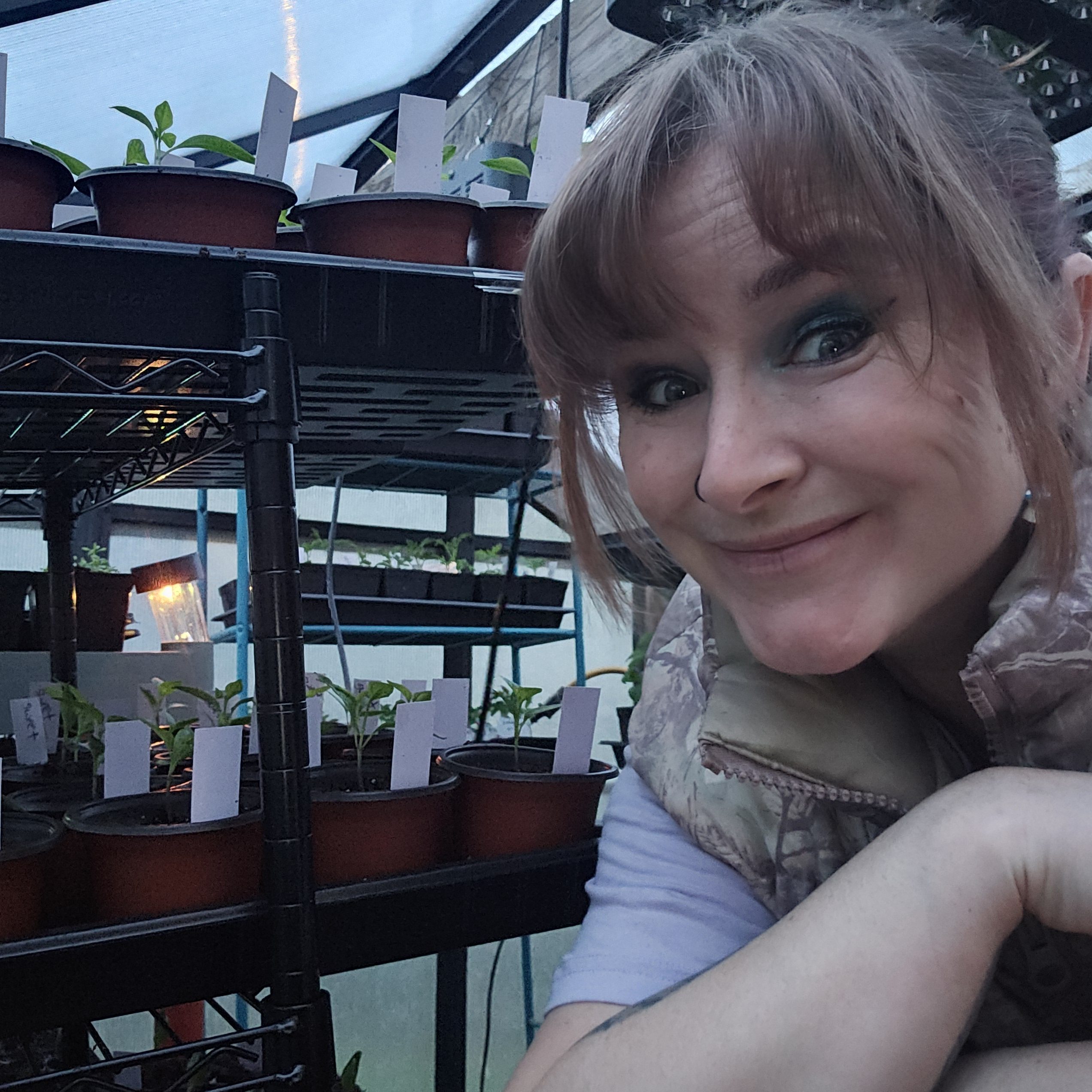
If you have a greenhouse, make it part of your morning routine to open it and check moisture levels.
You’re not adding a brand new task to your day.
You’re simply attaching gardening to something that already exists.
Start With Five Minutes
A lot of people quit gardening because they feel overwhelmed before they even start.
They imagine hours of work and giant gardens that require constant attention.
But the reality is that a garden can be maintained in very small increments of time.
Five minutes matters.
Five minutes can be used to:
• water seedlings
• pull a few weeds
• check for pests
• harvest a handful of vegetables
• adjust plant supports
• observe how plants are growing
Those small actions prevent problems before they become big ones.
And over time, five minutes often turns into ten.
Then fifteen.
Not because you forced it — but because you start enjoying the routine.
Build Systems That Support Your Habits
Habits are easier to keep when your environment supports them.
This means organizing your garden and tools so tasks feel simple and accessible.
For example:
Keep a small watering can near your seed trays.
Store hand tools where you can grab them quickly.
Place garden beds somewhere you naturally walk past each day.
The easier something is to start, the more likely you are to actually do it.
If watering your plants requires finding tools, dragging hoses, or walking across the property, you’re less likely to do it consistently.
But if everything is within reach, the habit sticks.
Examples of Small Gardening Habits
Here are a few ways YOU can build small routines to integrate gardening into your life.
Morning routine:
Wake up ten minutes earlier.
Pour your coffee.
Step outside and check your plants.
Midday routine:
If you work from home or take lunch breaks at home, spend five minutes in the garden doing a quick walk-through.
Evening routine:
Before heading inside for the night, harvest anything that’s ready and pull a couple weeds.
These moments don’t feel like chores.
They feel like check-ins.
Observation Is One of the Most Powerful Habits
One of the most valuable gardening habits you can develop is simply paying attention.
Observation helps you catch small problems early.
You’ll notice:
• pests before they spread
• plants needing water
• early signs of disease
• vegetables ready to harvest
When you interact with your garden daily, even briefly, your awareness increases.
And awareness prevents overwhelm.
Gardening Grows With You
The beautiful thing about small habits is that they grow naturally over time.
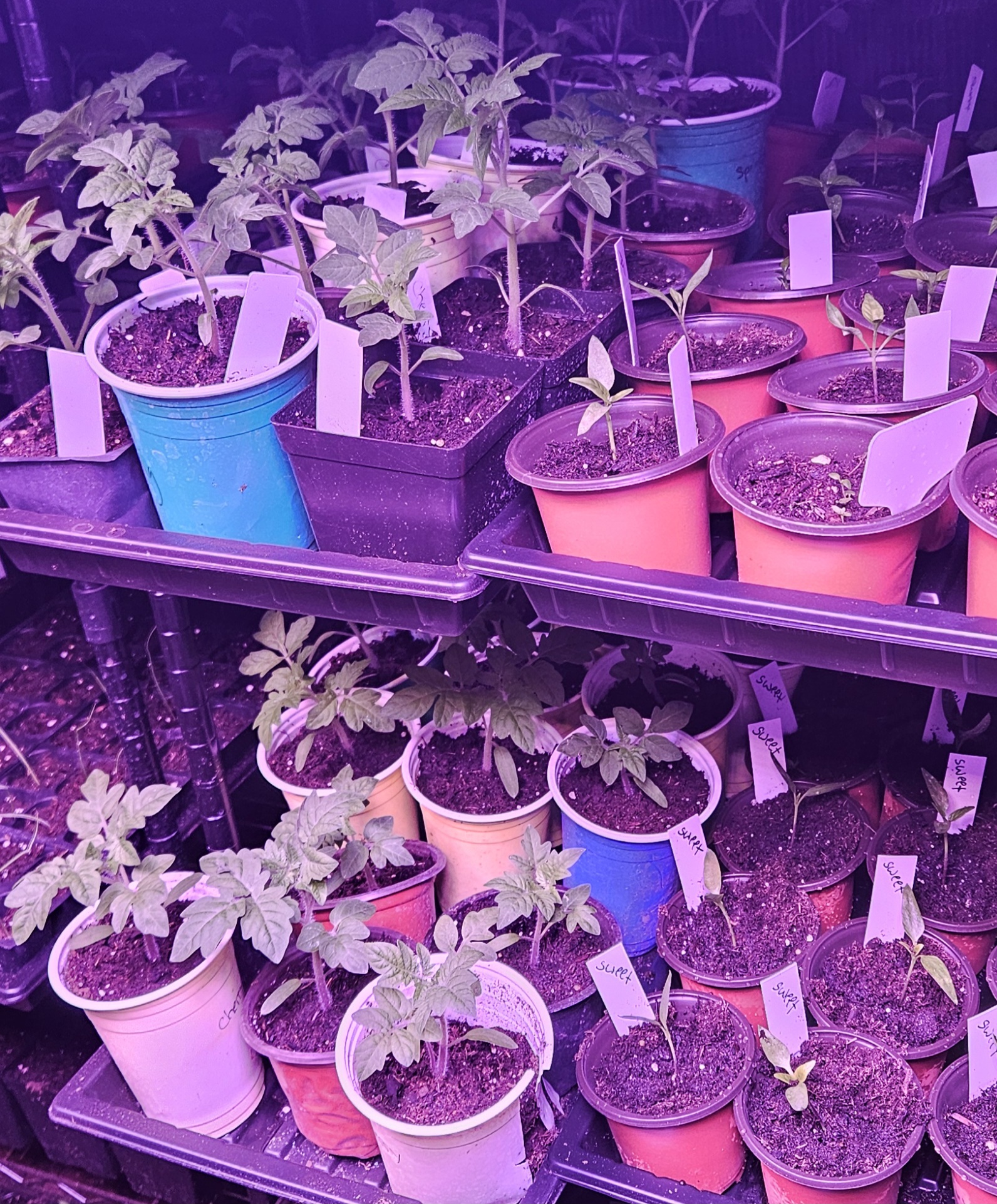
You might start with one tray of seedlings.
Then a couple containers.
Then a small raised bed.
Not because you rushed into it — but because your confidence grew alongside your habits.
And that’s how sustainable gardens are built.
Not in bursts of motivation.
But in steady routines.
Start Small and Let It Grow
If you want your garden to succeed long term, start smaller than you think you need to.
Build simple habits.
Create systems that support those habits.
And give yourself permission to grow slowly.
Five minutes today might not seem like much.
But over an entire season, those five minutes add up to something powerful.
A garden that fits your life.
A routine that feels natural.
And food that grows because you showed up consistently.
Small habits.
Steady progress.
Real food on your table.
Need More Help Getting Started?
If you’re starting this season and want something simple to guide you, I created a free printable to help.
Seed Starting Made Simple is an 11-page beginner-friendly guide that helps you find your frost date, plan your seed timeline, avoid common mistakes, and track your plants as they grow.
You can download it here:
👉 https://homesteadingwithbeckyj.com/freebie-hub
And if you’d like a deeper look at building a garden that actually fits your life, my ebook Garden Smarter, Not Harder (Book 2 in The Grounded Homesteader Series) is available now.
It focuses on simple systems, growing what makes sense for your household, and creating a garden that’s sustainable — not overwhelming.
Grab it here:
👉 https://homesteadingwithbeckyj.blog/product/the-grounded-homestead-series-book-2-garden-smarter-not-harder/
Small steps. Steady growth. Real food.