
Tag: budgeting

  • Budgeting Isn’t About Money—It’s About Habits

    Budgeting Isn’t About Money—It’s About Habits

    If you’ve ever tried budgeting and it didn’t stick…

    You’re not alone.

    Most people think budgeting is about:

    • Tracking every dollar
    • Cutting spending
    • Using spreadsheets
    • Or just having more discipline

    But here’s the truth:

    Budgeting isn’t about money—it’s about habits.

    And if your habits don’t support your budget…
    no app, printable, or system will work for you long-term.

    Why Budgeting Fails for Most People

    Let’s talk about why budgeting feels so frustrating.

    You start out motivated.

    You tell yourself:

    “This time will be different, I’m going to stick with it.”

    You track everything for a week… maybe two.

    Then life happens.

    • You get busy
    • You forget
    • unexpected expenses pop up
    • You fall behind or forget a payment

    And suddenly it feels easier to just… stop.

    Not because you’re bad with money.

    But because you were relying on willpower alone instead of systems.

    Budgeting for Beginners: What It Actually Means

    Budgeting gets overcomplicated.

    So let’s simplify it.

    Budgeting is the habit of paying attention to your money.

    That’s it.

    It’s:

    • Knowing what’s coming in
    • Knowing what’s going out
    • Checking in regularly
    • Making small adjustments

    Not perfectly.

    Not all at once.

    Just consistently.


    Budgeting With Irregular Income (Real Life, Not Perfect Life)

    If you’re a homesteader, side hustler, or working with variable income…

    You already know:

    Your finances don’t look the same every month.

    One month might include:

    • Feed costs
    • Garden supplies
    • Vet bills

    The next might look completely different.

    That’s why strict, rigid budgets don’t work here.

    👉 You need a flexible system that adjusts with your life.


    The Real Problem: Habits, Not Numbers

    Most budgeting advice focuses on numbers.

    But the real issue?

    👉 Daily habits.

    Things like:

    • Avoiding your bank account
    • Impulse spending when you’re stressed
    • Not planning for irregular expenses
    • Saying “I’ll figure it out later”

    Those habits shape your financial reality far more than any budget ever will.


    How to Break Bad Money Habits (Without Overwhelm)

    You don’t fix this by changing everything overnight.

    You start with awareness.

    Ask yourself:

    • When do I overspend?
    • What triggers it?
    • What patterns do I see?

    Because you can’t change what you don’t notice.


    How to Build Better Money Habits That Actually Stick

    This is where real change happens.

    Not in a perfect plan…

    But in small, repeatable actions.

    Start with:

    • Checking your spending once a week
    • Writing down upcoming expenses
    • Pausing before purchases

    That’s it.

    👉 Small habits done consistently will outperform any “perfect” budget.


    Systems vs Willpower (Why You Keep Starting Over)

    If budgeting has never stuck for you…

    This is probably why:

    👉 You’ve been relying on willpower.

    And willpower runs out.

    Especially when:

    • You’re tired
    • You’re busy
    • Life gets overwhelming

    What works instead?

    👉 Systems.

    Simple, repeatable systems like:

    • A weekly money check-in
    • A place to track spending
    • Planning for upcoming expenses

    Systems keep you consistent—even when motivation is gone.


    Watch This: Breaking Down Budgeting Habits (Video)

    If you want to hear this explained step-by-step and see how it works in real life…

    Watch my full video here 👇

    In the video, I walk through:

    • Why budgeting fails
    • How habits actually form
    • How to break bad money habits
    • And how to build systems that stick

    Tools That Actually Help (Without Overcomplicating It)

    You don’t need something fancy.

    You need something you’ll actually use.


    1. Homestead Budget Binder (Simple, Flexible System)

    If you want a place to organize everything without overwhelm…

    My Homestead Budget Binder was designed for real life:

    • Irregular income
    • Seasonal expenses
    • Feed, garden, and household costs
    • Busy schedules

    It helps you build clarity and consistency, not perfection.

    👉 Grab the binder here: Printable Homestead Budget Binder


    2. The Grounded Homesteader: Book 1 (Budgeting)

    If you want to go deeper into the mindset and habits behind budgeting…

    My book The Grounded Homesteader: Budgeting breaks it down in a simple, real-life way.

    This isn’t about strict rules.

    👉 It’s about building a system that actually works for your life.

    👉 Get the book here: Homesteading On A Budget


    Simple Budgeting Tips You Can Start Today

    If you’re overwhelmed, start here:

    • Check your spending once this week
    • Write down your next big expense
    • Choose ONE habit to focus on

    That’s it.

    Not everything.

    Just one.


    Final Thought: Budgeting That Actually Works

    Budgeting isn’t about restriction.

    It’s not about being perfect.

    👉 It’s about building habits that support your life.

    Because once your habits change…

    Everything else starts to follow.
  • How to Start a Garden with Almost No Money

    How to Start a Garden with Almost No Money

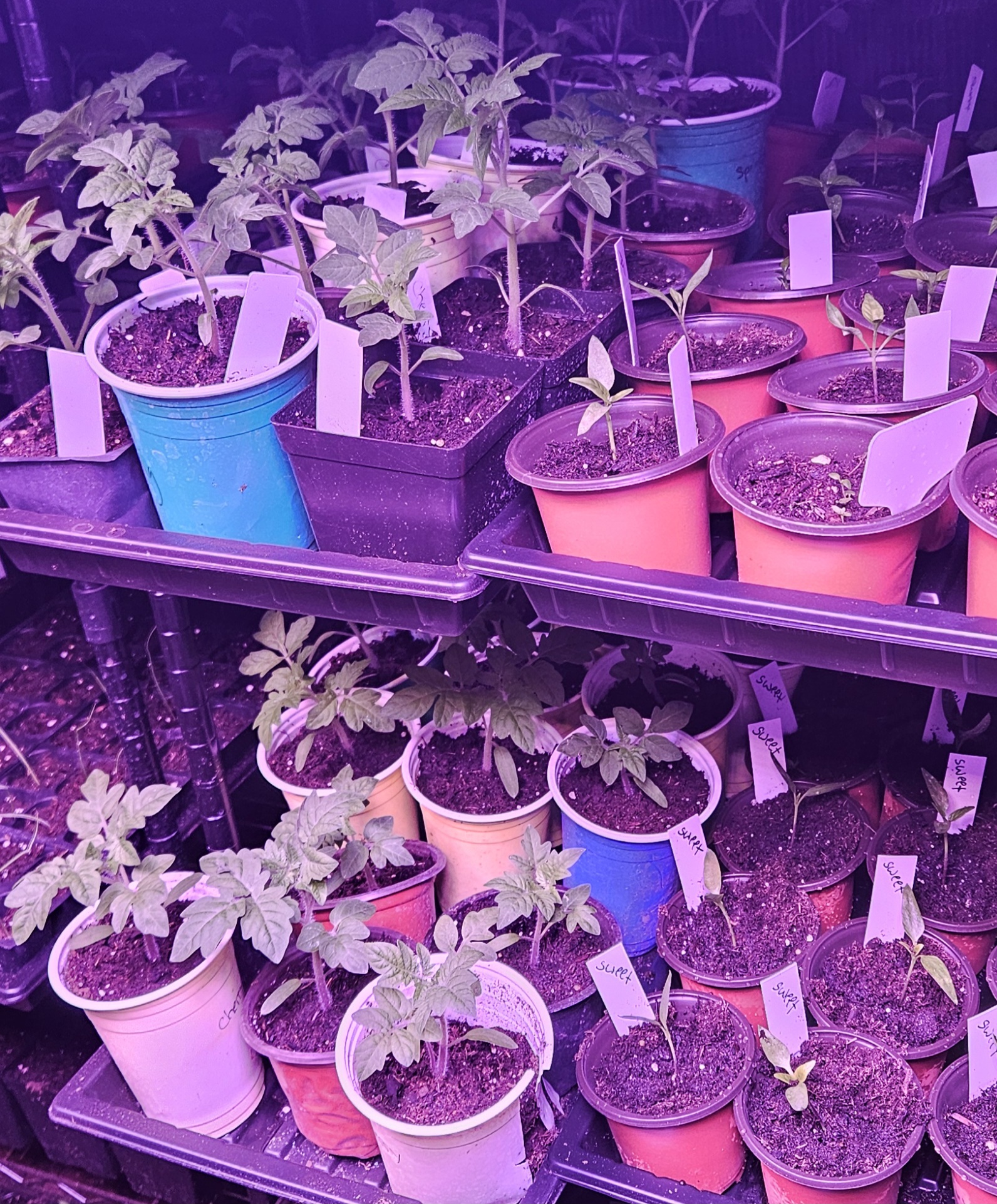
    For many people, starting a garden feels like an expensive dream. Between the cost of pots, soil, seeds, and tools, it can seem like gardening is only for those with extra money to spend. But here’s the truth: gardening has always been about creativity, resourcefulness, and working with what you have.

    You don’t need a big backyard, a fancy greenhouse, or brand-new tools to enjoy the benefits of fresh, homegrown food. With a little imagination, you can create a thriving garden on almost no budget at all.

    In this post, I’ll share practical ways you can start a garden with little to no money—whether you live in a small apartment, have a tiny backyard, or simply want to save money while growing your own food.


    1. Use What You Already Have

    Before you buy anything, look around your home—you probably already have most of what you need to get started.

    • Repurposed Containers: Buckets, totes, yogurt cups, and even cardboard boxes can become instant planters. Just make sure to poke drainage holes at the bottom so water doesn’t pool and rot the roots.
    • Egg Cartons & Small Cups for Seed Starting: These make excellent starter trays for seeds. When the seedlings are big enough, you can transplant them to larger containers or the ground.
    • Kitchen Scraps to Regrow: Did you know you can regrow green onions, celery, and lettuce from their root ends? Place them in a shallow dish of water, and within days you’ll see fresh growth. Garlic cloves, potato eyes, and even herbs like basil can also be propagated from scraps.

    💡 Pro tip: Keep a “garden bin” for reusable items like jars, containers, and egg cartons—you’ll always have something on hand when you want to start seeds.


    2. Find Free or Cheap Soil & Compost

    Soil is the foundation of every garden, but it doesn’t have to cost a fortune.

    • Make Your Own Compost: Collect vegetable scraps, eggshells, and coffee grounds in a small compost bin or pile. Over time, it breaks down into nutrient-rich soil for your plants.
    • Mulch for Free: Rake up fallen leaves, grass clippings, or shredded paper to use as mulch. Mulch helps retain water, improve soil health, and reduce weeds.
    • Coffee Shops & Breweries: Many local coffee shops give away used coffee grounds, and some breweries will even share spent grains—both are fantastic for composting.
    • Community Resources: Check Facebook, Buy Nothing groups, Craigs list, or local garden clubs. Many people offer free dirt, compost, or extra supplies to anyone willing to pick them up.

    3. Get Seeds & Plants for Free

    Seeds can be one of the biggest costs when starting out—but they don’t have to be.

    • Seed Swaps: Many communities and online groups organize seed swaps where you can trade what you have for something new.
    • Library Seed Banks: Some libraries now offer free seeds alongside books. You “check out” seeds, grow your plants, and return saved seeds at the end of the season.
    • Regrow from the Kitchen: Garlic, onions, lettuce, and even tomatoes can be regrown from scraps or seeds inside store-bought produce. Just make sure they’re not treated with chemicals that prevent sprouting.
    • Ask Neighbors: Gardeners often end up with too many seeds or divided plants. Don’t be shy about asking—you might be surprised how generous people are with extras.

    💡 Pro tip: Save your own seeds! Once you’ve grown something successfully, collect seeds for next season—it’s free and sustainable.


    4. DIY Garden Tools & Supplies

    You don’t need an expensive set of garden tools to get started. A little creativity goes a long way.

    • DIY Watering Cans: Poke holes in the lid of an old milk jug, and you have an instant watering can.
    • Homemade Raised Beds: Use scrap wood, pallets, or even bricks to create small garden beds.
    • Simple Plant Markers: Popsicle sticks, rocks, or even painted spoons can label your plants.
    • Repurposed Household Items: Old socks or strips of cloth make great plant ties. Large plastic bottles can be cut to protect seedlings from the cold.

    💡 Pro tip: Focus on function, not appearance. Many successful gardens are built with repurposed items—what matters most is that your plants have the right conditions to thrive.


    5. Start Small & Grow Smart

    One of the biggest mistakes new gardeners make is trying to do too much, too fast.

    • Choose Easy Crops: Start with 2–3 beginner-friendly vegetables like lettuce, beans, zucchini, or radishes. They’re forgiving, fast-growing, and rewarding.
    • Container Gardening: If you don’t have a yard, containers on a balcony, patio, or windowsill can still grow a surprising amount of food.
    • Gradual Expansion: Once you see success with a few plants, add more each season. This keeps costs low and helps you learn without feeling overwhelmed.
    • Keep It Fun: Gardening should bring joy, not stress. Starting small allows you to actually enjoy the process rather than feeling pressured to manage a huge space.

    💡 Pro tip: Celebrate every harvest, no matter how small. Even one salad made from homegrown lettuce is a big win when you’re just starting out.


    Can You Really Start a Garden With No Money?

    Yes, you absolutely can start a garden with little to no money. Many successful gardens begin with repurposed containers, saved seeds, kitchen scraps, and compost made from household waste. Gardening has historically been about working with available resources rather than buying everything new. By starting small, using free materials, and gradually expanding over time, anyone can begin growing food without a large upfront investment.


    Final Thoughts

    Starting a garden with almost no money isn’t just possible—it’s rewarding. By using what you already have, seeking out free resources, and keeping things simple, you’ll quickly see that growing food doesn’t have to break the bank.

    Every tomato, bean, or herb you grow is one less you need to buy at the store, and those little wins add up fast. More importantly, you’ll gain confidence, skills, and the satisfaction of knowing you created something from almost nothing.

    Your turn: What’s the first plant you want to grow on a budget? Share your ideas in the comments—I’d love to hear your plans!


    If you’re trying to grow food while staying on budget, you may also like my book Homesteading on a Budget from The Grounded Homesteader Series.

  • How to Boost Your Savings for Homeownership


    Are you dreaming of your own little slice of paradise but find yourself lacking the necessary savings? If so, this article can guide you on how to get started. Whether it’s a tranquil getaway or a cozy home, there are steps you can take to turn that dream into reality. Explore effective strategies and discover practical advice to help you build your financial foundation while preparing for the lifestyle you desire. Your journey towards owning a piece of heaven begins with informed planning and the right financial approach, so let’s dive in and explore how you can make that special place your own.

    Creating a budget should be your initial priority. Take a close look at your income alongside your spending patterns to identify areas where you can trim costs. This process may be as straightforward as eliminating that daily coffee shop visit or as involved as reassessing your ongoing subscription services. By scrutinizing your financial habits, you can uncover potential savings and gain better control over your finances


    Establishing a routine for saving can be greatly enhanced by setting up automatic transfers from your bank account into a specific savings account. Making this a part of your monthly financial regimen will ensure that saving becomes second nature. Personally, I continue to use this method myself, just because of how well it has helped me save. My employer’s direct deposit feature allows me to allocate my paycheck into two different accounts seamlessly. The majority of my earnings go into my checking account, while the second portion is marked for savings in a separate bank. I chose not to connect this savings account to a checking account or opt for a debit card. This decision makes it more challenging to withdraw funds impulsively, further reinforcing my commitment to saving.

    When you find yourself with unexpected “extra cash” such as bonuses, tax refunds, or irregular earnings, consider directing this extra money towards your future home down payment. By doing so, you can significantly boost your savings and move closer to your goal of homeownership. Taking advantage of these unplanned funds not only enhances your financial situation but also accelerates the journey toward purchasing your dream home. Make it a priority to allocate these resources wisely; your future self will undoubtedly thank you for the decision.

    Calculating the total funds required for your down payment, closing costs, the total loan can seem daunting and even impossible. Perhaps divide it into smaller, more attainable monthly savings goals. This approach will help maintain your motivation as you work toward your financial objective.

    With a clear strategy now in place for saving towards the down payment of your ideal home, it’s crucial to take a close look at your credit report. A solid credit score plays a vital role in qualifying for a loan that will help finance the remainder of your property purchase. Understanding the different elements that contribute to your credit score is essential.


    First and foremost, payment history reflects your reliability in meeting your financial obligations on time, a key factor that lenders assess. Next, consider your credit utilization, which indicates the ratio of your current credit usage to your total available credit. For example, if your credit card has a limit of $500, it’s important to ask yourself whether you’re utilizing the entire amount or keeping your balance significantly lower.


    Another aspect, credit history, informs lenders how long you have been managing credit accounts. Additionally, credit mix provides insight into the different categories of credit you hold—ranging from credit cards and auto loans to mortgages. Recent activities, such as inquiries related to new credit cards or loans, can also have an effect on your score.


    Begin your credit improvement journey by requesting your free credit report. Carefully review it for any errors or inconsistencies. Should you discover any inaccuracies, it’s important to take appropriate steps to dispute them, which can lead to an improved credit score over time.


    Timeliness in paying your bills consistently cannot be overstated when it comes to elevating your credit standing. You may want to consider implementing reminders or automating your payments to help ensure you never miss a due date again.


    Selecting to pay more than the minimum due on your credit cards can significantly speed up the repayment process and reflect your dedication to financial well-being. Think about increasing your payments beyond the minimum. Even a modest increase can make a difference. For example, if your minimum payment is $50, consider adjusting it to $75. This adjustment will then become your new monthly commitment in your budget, allowing you to set aside $75 each month for this expense.


    Be mindful that every hard inquiry—such as applying for a new credit card or loan—can temporarily lower your credit score. During this period as you prepare to purchase a home, it’s wise to avoid opening any new credit lines.


    To foster a positive credit history, maintain your existing credit accounts while being careful not to incur unnecessary debt. Regularly monitoring your credit health can also be beneficial; utilize tools that provide consistent updates and actionable insights. By tracking your progress, you’ll remain focused on achieving your financial objectives.

    If you find yourself without any credit history or loans, consider requesting to be included as an authorized user on a trustworthy friend’s or family member’s credit card. This step can greatly benefit you by allowing their positive credit history to be reflected in your own credit report. However, it’s important to be cautious; if the person you choose has poor spending habits, their financial behavior could negatively impact your credit standing as well. Balancing these factors is crucial to ensure you are making a beneficial decision for your financial future.

    It’s time to turn your dreams into reality and create a solid plan for saving toward your ideal home. This is your opportunity to take the first step on that journey!

    Do you have any ingenious tips for saving money? We would love to hear your advice and insights! Sharing your strategies can help others find ways to stretch their budgets further. Whether it’s daily habits, clever budgeting techniques, or unexpected sources of savings, your contributions could make a significant difference for someone looking to improve their financial situation. Join in the conversation and let’s exchange valuable ideas!