Tag: hobby homestead

  • The Importance of Mental and Physical Health: A Balanced Approach to Well-Being

    The Importance of Mental and Physical Health: A Balanced Approach to Well-Being

    In today’s fast-paced and often stressful world, taking care of both your physical and mental health is more important than ever. While many people focus on one or the other, true well-being comes from maintaining a balance between both. Physical health and mental health are deeply interconnected, and focusing on one without the other can limit overall well-being. In this blog, we’ll explore the importance of nurturing both your mind and body and how they contribute to leading a healthy, fulfilling life.

    Why Mental Health Matters

    Mental health encompasses your emotional, psychological, and social well-being. It affects how you think, feel, and act, and it also influences how you handle stress, relate to others, and make choices. Mental health is not just the absence of mental illness but also the presence of positive traits like resilience, emotional stability, and a sense of purpose.

    Key Reasons Mental Health is Crucial:

    Improved Emotional Well-being: Good mental health allows you to process emotions in a healthy way, leading to a more positive outlook on life and better stress management.

    Better Relationships: Mental well-being helps you interact with others in a more empathetic, understanding, and calm manner, fostering better relationships with family, friends, and colleagues.

    Cognitive Functioning: A healthy mind is essential for focus, memory, and decision-making. Mental health plays a key role in your ability to concentrate and perform tasks efficiently.

    Resilience to Stress: Mental health allows you to cope with challenges and recover from difficult situations. A strong mental state helps you navigate life’s ups and downs with greater ease.

    Why Physical Health is Crucial

    Physical health refers to the well-being of your body and its ability to function effectively. Regular exercise, a balanced diet, and adequate sleep are all important components of maintaining physical health. Physical health is not just about looking good; it’s about feeling strong, energetic, and capable of living life to the fullest.

    Key Reasons Physical Health is Crucial:

    Increased Energy and Vitality: Regular physical activity boosts energy levels and helps you feel more active and alert throughout the day.

    Chronic Disease Prevention: A healthy body is less susceptible to chronic conditions like heart disease, diabetes, and obesity. Exercise and proper nutrition help prevent these diseases and contribute to a longer, healthier life.

    Better Sleep: Physical health supports better sleep patterns. Exercise and a balanced diet promote deeper, more restful sleep, which is vital for recovery and overall health.

    Improved Immunity: A strong body with good nutrition and regular exercise helps boost your immune system, making it easier to fend off illnesses and infections.

    The Connection Between Mental and Physical Health

    The connection between mental and physical health is undeniable. When one is out of balance, it can negatively affect the other. For example, poor mental health can lead to physical symptoms such as fatigue, headaches, and muscle tension. On the other hand, physical issues like chronic illness or pain can contribute to anxiety, depression, and stress.

    Here’s how the two are interlinked:

    Exercise and Mental Health: Regular physical activity is one of the most effective ways to improve mental health. Exercise stimulates the release of endorphins, often known as “feel-good” hormones, which can help reduce feelings of stress, anxiety, and depression. It also boosts self-esteem, promotes better sleep, and provides a natural outlet for stress.

    Nutrition and Mood: A well-balanced diet plays a crucial role in both physical and mental health. Nutrient-dense foods like fruits, vegetables, whole grains, and lean proteins fuel the body and support brain function. A poor diet, on the other hand, can contribute to mood swings, irritability, and cognitive decline.

    Sleep and Cognitive Function: Sleep is vital for both mental and physical health. A lack of quality sleep affects brain function, leading to irritability, poor decision-making, and a weakened immune system. Likewise, physical rest and recovery allow muscles to repair and energy levels to be restored.

    Stress Management: Chronic stress can have detrimental effects on both the body and mind. Prolonged stress can lead to physical problems such as high blood pressure, digestive issues, and a weakened immune system. Mental health practices like meditation, mindfulness, and therapy can help manage stress and prevent these physical issues from arising.

    How to Foster Both Mental and Physical Health

    To truly improve your overall well-being, it’s essential to adopt habits that nurture both your mental and physical health. Here are some tips to help you achieve a balanced approach to health:

    Exercise Regularly: Aim for at least 30 minutes of moderate exercise most days of the week. Activities like walking, running, cycling, or yoga can improve both physical fitness and mental clarity.

    Eat a Balanced Diet: Incorporate a variety of whole, nutrient-dense foods into your diet, including fruits, vegetables, whole grains, lean proteins, and healthy fats. Avoid excessive sugar, processed foods, and alcohol, which can negatively impact both your body and mind.

    Prioritize Sleep: Aim for 7-9 hours of quality sleep each night. Good sleep hygiene, like setting a consistent bedtime and creating a relaxing bedtime routine, can help improve both mental and physical health.

    Practice Mindfulness and Meditation: Mental health practices like mindfulness, deep breathing, and meditation can help reduce stress, improve focus, and boost emotional well-being. Taking time each day for these practices can significantly enhance your quality of life.

    Stay Socially Connected: Meaningful social connections are vital for mental health. Spend time with loved ones, engage in activities you enjoy, and seek out support when you need it.

    Seek Professional Help When Needed: If you’re struggling with mental or physical health, don’t hesitate to seek professional help. Therapists, counselors, and doctors can provide the necessary guidance and support for managing both mental and physical health challenges.

    Final Thoughts

    In the pursuit of good health, it’s important to remember that mental and physical health are not separate entities but two interconnected aspects of your overall well-being. By taking a holistic approach to both, you’ll improve not only your physical strength but also your emotional resilience, mental clarity, and quality of life. Start small by incorporating healthy habits into your daily routine, and gradually build a foundation for a healthier, more balanced life.

    Remember: Health is a journey, and prioritizing both your body and mind is the key to living a full, vibrant life.

  • Why Being an Independent Woman is Hard (And It’s Not What You Think

    Why Being an Independent Woman is Hard (And It’s Not What You Think

    When people talk about being an independent woman, the conversation often revolves around strength, self-sufficiency, and freedom. Society applauds women who juggle careers, finances, relationships, and personal growth with grace. And while independence is empowering, there’s another side of the story that isn’t often discussed: the mental strain of carrying it all on your own.  

    Contrary to popular belief, the hardest part of being an independent woman isn’t the physical labor or even the responsibility of making decisions. It’s the emotional and mental load of doing everything by yourself—day in, day out. It’s the quiet battles, the invisible burdens, and the exhaustion of never having someone to share the weight.  

    Let’s take a closer look at why independence, while rewarding, can also feel incredibly heavy.  

    The Mental Load of Always Being “On”

    Independence often requires constant vigilance and planning. You’re the one making all the decisions, big and small—whether it’s managing your finances, planning meals, or solving unexpected problems. There’s no partner or team to fall back on when you’re overwhelmed.  

    This mental load—the invisible work of thinking, organizing, and worrying—can be exhausting. It’s not just about completing tasks but also about anticipating needs and preparing for what’s next. And when you’re the only one doing it, there’s no escape from the constant mental to-do list.  

    The Emotional Toll of Being Your Own Support System 

    As an independent woman, you pride yourself on being strong and self-reliant. But that often means you’re the one cheering yourself on when times get tough. There’s no shoulder to cry on after a bad day, no one to remind you that you’re doing a good job when you’re feeling unsure.  

    While independence is empowering, it can also be lonely. You carry the weight of your own emotions, struggles, and triumphs, often without anyone to share them with. The pressure to stay resilient, even when you’re struggling internally, can take a toll on your mental health.  

    Decision Fatigue Is Real 

    When you’re independent, every decision—big or small—rests on your shoulders. What career path should you take? Should you invest in this or save for that? What’s the best way to handle a difficult situation? Even simple choices, like what to eat for dinner, can feel draining after a long day.  

    Decision fatigue is real, and it’s something independent women face constantly. Without someone to share the load or offer input, the weight of every choice becomes heavier.  

    The Pressure to Do It All (And Do It Perfectly) 

    There’s a societal expectation that independent women should be able to do it all: excel at work, maintain a social life, keep a tidy home, stay fit, and somehow have time for self-care. This pressure to perform at a high level in every area of life can feel overwhelming.  

    Even though you know perfection is impossible, the constant push to meet unrealistic standards can leave you feeling inadequate or burnt out. The mental strain of trying to balance it all—without letting anything slip—is a heavy burden to bear.  

    The Fear of Failure (Because There’s No Backup Plan)  

    When you’re independent, failure can feel even more intimidating. If something goes wrong, there’s no safety net or backup plan. You’re the one responsible for picking up the pieces, regrouping, and moving forward.  

    This fear of failure can create a constant undercurrent of anxiety. Even when you’re succeeding, the knowledge that you’re entirely on your own can make it hard to relax and enjoy the moment.  

    The Unseen Effort Behind the Independence 

    People often admire independent women for their strength and resilience, but they rarely see the effort it takes to maintain that independence. From managing finances to maintaining your home to staying on top of your health, being independent requires consistent effort and discipline.  

    It’s not glamorous or easy. Behind every success is a woman who’s working hard to keep all the pieces of her life in place—often without any help or recognition.  

    Independence Can Feel Isolating  

    While independence brings freedom, it can also create a sense of isolation. When you’re used to relying on yourself, it’s easy to pull away from others—whether out of pride, habit, or fear of appearing vulnerable.  

    Over time, this self-reliance can make it harder to build meaningful connections or ask for help when you truly need it. The result? A cycle of loneliness and emotional exhaustion that’s hard to break.  

    How to Lighten the Load

    If you’re an independent woman feeling the weight of it all, know that you don’t have to carry everything alone. Here are a five ways to ease the mental and emotional strain:  

    1. Set Boundaries: You don’t have to say yes to everything. Protect your time and energy by setting clear boundaries.  

    2. Ask for Help: Independence doesn’t mean you have to do everything yourself. Lean on friends, family, or professionals when you need support.  

    3. Prioritize Self-Care: Take time to rest, recharge, and do things that bring you joy. You can’t pour from an empty cup.  

    4. Let Go of Perfection: Embrace the idea that “good enough” is perfectly fine. You don’t have to excel at everything.  

    5. Build a Support Network: Surround yourself with people who understand and uplift you. Having a tribe makes the journey easier.  

    Final Thoughts  

    Being an independent woman is both empowering and challenging. While it brings freedom and self-sufficiency, it also comes with an invisible mental load that’s easy to overlook.  

    It’s important to recognize that independence doesn’t mean doing everything alone. Asking for help, setting boundaries, and prioritizing your well-being are just as important as achieving your goals. After all, strength isn’t about how much you can carry—it’s about knowing when to set the load down.  

    If you’re an independent woman feeling the strain, remember: you’re not alone, and it’s okay to take a step back. Share your thoughts or tips in the comments—I’d love to hear how you navigate the challenges of independence.

  • How to Preserve Your Harvest Like a Boss

    How to Preserve Your Harvest Like a Boss

    Ah, the harvest. It’s the time of year when your garden (or small farm, or backyard plot of land that you’re totally pretending is a small farm) is overflowing with fruits, vegetables, and herbs. You’ve worked hard all season, and now you’re staring down a bounty that might just rival the best of them. But what do you do with all of that glorious produce before it turns into a wilty mess?

    Enter the world of preserving. Whether you’re canning, freezing, dehydrating, or pickling, preserving your harvest is like the ultimate way to give your summer garden a second life—in winter. You can enjoy those homegrown tomatoes, cucumbers, and berries long after the growing season has ended. But here’s the kicker: preserving your harvest is more than just a fun weekend activity. It’s a workout, a battle of willpower, and a test of endurance. And trust us, by the time you’re done, you’ll have earned every jar of jam.

    Ready to preserve your harvest like a boss? Let’s dive in.

    The “Canning Workout” Is Real (and It’ll Test Your Patience)

    You thought canning was all about “just popping some lids on jars and calling it a day,” right? Think again. Canning is a full-body workout. From lifting 50-pound bags of tomatoes to sterilizing jars (which requires you to stand in front of a hot, steaming pot for what feels like hours), you’ll get a workout that leaves you feeling like you just finished a marathon—except instead of crossing the finish line, you’re left with a kitchen covered in sticky syrup and a dozen jars of peaches that need labeling.

    After a long canning session, your arms already feel like jelly from lifting all those full jars in and out of the canner. Then comes the final step—lining up your shiny jars in the pantry like an army of glass soldiers, ready to help you tackle the winter months.

    After hours of chopping mountains of veggies and stirring pots of simmering sauce, your hands are cramped, your arms ache, and you’re wondering if this counts as your workout for the day. But when you pop open that jar of rich, homemade tomato sauce in the middle of January, every sore muscle feels worth it.

    Pro Tip: Try enlisting the help of your kids, spouse, or neighbors. The more hands, the less chance of you actually pulling a muscle in the middle of a canning session.

    Preserving Is a Marathon, Not a Sprint

    When you think about preserving your harvest, it’s easy to picture a one-day project, but oh no, my friend. This is not a “weekend project” that’s done in an afternoon. This is a multi-day, multi-week, full-on operation. Canning, pickling, and freezing involve multiple stages: washing, peeling, chopping, boiling, and—don’t forget—the actual preserving process. You will be spending so much time in the kitchen, your kitchen timer will become your new best friend.

    Let’s break it down: You might start by blanching peas, then move on to chopping strawberries for jam, followed by making a huge pot of pickled beets that has to simmer for what feels like an eternity. And by the time you’re finally through the whole process, you’ll realize you’ve spent the entire day just getting the food ready for preserving.

    Yes. Yes, you did.

    Pro Tip: Break up the work over a few days. Tackle different crops on different days so you don’t feel like you’re drowning in jars of food (and emotions). It’s a marathon, not a sprint.

    You’ll Develop a Love-Hate Relationship with Your Freezer

    Ah, the freezer—your trusty companion in the preserving process. Whether you’re freezing herbs, berries, or entire meals (hello, freezer meals!), the freezer becomes a lifeline for extending the life of your harvest. But with great freezer space comes great responsibility. ( That’s how that saying goes…right?)

    You’ll soon discover that the freezer is a magical place, but one that requires a Tetris-like ability to organize. You’ll find yourself stacking and re-stacking frozen bags of peas, green beans, and berries like a pro, constantly trying to squeeze one more item in, all while hoping you won’t accidentally forget about that bag of corn you froze two years ago. (Spoiler alert: You probably will forget it, but that’s okay. It’s probably fine.)

    Pro Tip: Label everything. Seriously. Write down the date you froze it and what it is. Extra points if you make a list to put on the outside of your freezer so you know what’s in it!

    You’ll Have a “Canning Party” (But It’s Really Just You, Your Stove, and a Lot of Snacks)

    You’ve heard of a “potluck,” but how about a “canning party”? Okay, so maybe a canning party sounds like a fantasy. Maybe it’s just you, your giant stockpot, and your bestie (who happens to be your spouse) slaving away in the kitchen, but hey, that’s a party too, right?

    The beauty of canning is that it doesn’t require much—just you, your produce, and your undying determination. You’ll find that after a few hours of chopping and stirring, the only thing that keeps you going is the snacks you’ve brought to the table. We’re talking chocolate, chips, and maybe a glass of wine (if you’re feeling extra fancy). It’s the perfect combination of work and reward.

    And if you’re lucky, you might even get a “canning cheerleader” who runs in and out of the kitchen, bringing you refills of iced tea and high-fiving you for every jar sealed. That’s what we call a canning party—homestead style.

    Pro Tip: If you want to really make it a party, invite some friends over to help, and let them think they’re doing the work. If they don’t know the joy of “boiling water and jars” yet, it’s your chance to introduce them to the magic of preserving.

    You’ll Have Jars Everywhere (And You’ll Love It)

    After a successful canning or preserving session, you’ll realize that your kitchen now looks like a glass jar convention. Everywhere you turn, there’s a jar. Jars in the fridge. Jars on the counters. Jars in the pantry. It’s a beautiful, jar-filled chaos, and you’re living for it. It’s the sign that you’ve conquered the harvest and are ready to face the winter like a true homesteading champion.

    And yes, there will be a moment when you open the pantry and realize you’re actually running out of space. But that’s a problem for future you. For now, you’re basking in the glory of all those beautifully sealed jars filled with your hard-earned bounty.

    Pro Tip: Organize your jars in a way that makes you feel like a proud homesteader, like by color or type of food. You’ll want to be able to grab a jar of apple butter without having to dig through 16 jars of canned tomatoes first.

    Final Thoughts: It’s Totally Worth It (But You’ll Need a Nap)

    Preserving your harvest isn’t for the faint of heart, but the payoff is worth every drop of sweat. It’s a lot of work, it’s messy, and it’ll test your patience—but at the end of the day, you’ve got jars of homemade goodies that will remind you of summer, even in the coldest months.

    So grab your canning jars, dust off your freezer, and get to work. You’ve got this. And hey, don’t forget to take a break for a snack—after all, canning is just as much about enjoying the fruits of your labor as it is about the actual process.

    Happy preserving, and remember: every jar is a badge of honor!

  • Maximizing Kitchen Efficiency: Cutting Down on Waste and Cost

    Maximizing Kitchen Efficiency: Cutting Down on Waste and Cost

    Homesteading isn’t just about growing your own food—it’s also about making the most of what you harvest and bringing that into your kitchen. When you’re growing your own fruits, vegetables, and raising animals, the last thing you want is for any of that hard-earned food to go to waste. Not only does food waste contribute to unnecessary expenses, but it also takes a toll on the environment.

    Luckily, there are plenty of ways to reduce kitchen waste, make your cooking more efficient, and save money. From planning meals around what’s in season to using every part of the plant or animal, here are some strategies to help you maximize your kitchen’s efficiency while cutting down on both waste and costs.

    Plan Your Meals and Use What You Grow

    Effective meal planning is one of the most powerful tools in cutting down kitchen waste and keeping costs low. When you grow your own food, it’s important to incorporate what’s in season into your meals so that you make the most of your harvest.

    • Utilize seasonal produce: Plan your meals around what’s available in your garden. Whether it’s a bounty of tomatoes, zucchinis, or root vegetables, using what you have growing will reduce the need to purchase extra ingredients. For example, if you’ve got an abundance of tomatoes, consider making sauces or soups that you can freeze for later use.
    • Make use of your pantry staples: Growing and preserving your own food often means you’ll have a stocked pantry filled with jams, sauces, and dried herbs. Incorporate these into your weekly meals to save money at the store. Keeping a running inventory of what you’ve preserved helps you avoid purchasing unnecessary store-bought items.
    • Stick to a weekly meal plan: Rather than buying groceries on impulse, plan your meals for the week based on what you already have. This can help you avoid unnecessary purchases, reduce food waste, and help you use up everything that’s already in your kitchen before it spoils.

    Reduce Food Waste: Use Every Part of the Plant

    One of the joys of homesteading is the ability to use virtually every part of what you grow. While you may be familiar with using the fruit or vegetable itself, many plants have edible or usable parts that often go to waste.

    • Use stems, leaves, and roots: Many garden plants have edible or usable parts that get thrown away. For example, beet greens are delicious in salads or sautéed, while carrot tops can be turned into pesto. Radish leaves can also be used in soups or salads. Try to get creative with these parts of the plant and incorporate them into your meals.
    • Compost your scraps: For the parts that are not edible, make sure to compost your vegetable scraps, like peels, cores, or stems. This helps reduce waste and creates rich compost for next year’s garden, completing the cycle of sustainability. You can also compost coffee grounds, eggshells, and other kitchen scraps.
    • Repurpose leftovers: Instead of tossing leftovers, find ways to repurpose them into new meals. For example, leftover vegetable scraps can be used to make vegetable broth, while leftover chicken can be turned into soups or casseroles. Even stale bread can be repurposed into croutons or breadcrumbs.

    Preserve Your Harvest to Prevent Waste

    When you’re growing your own food, there’s no such thing as a “small harvest.” If you’re growing in abundance, you’ll likely find yourself with more food than you can eat at once. Instead of letting your crops spoil, preserve them for later use.

    • Canning: Canning is an excellent way to preserve fruits, vegetables, and even meats for months or even years. If you’re not familiar with canning, start with simple recipes like jams, jellies, pickles, or tomato sauces. Properly canned goods can help you save money on groceries and provide homemade options when store-bought alternatives are expensive.
    • Freezing: Freezing is another great way to preserve the abundance of your garden. Vegetables like peas, corn, and beans freeze well, as do fruits like berries and peaches. You can also freeze herbs, either by blanching them or freezing them in ice cube trays with a little water or oil. Just be sure to use proper storage methods to avoid freezer burn.
    • Dehydrating: If you have a dehydrator, consider drying fruits, vegetables, and even herbs for long-term storage. Dehydrating extends the shelf life of your food and reduces the need for refrigeration or freezing. Dried tomatoes, mushrooms, and fruits can be used in a variety of recipes, and herbs like basil and oregano can be dried and stored for months.

    Make Your Own Kitchen Staples

    When you’re homesteading, one of the best ways to save money is to make your own kitchen staples from scratch. This not only cuts down on the cost of store-bought items but also allows you to control the ingredients and reduce packaging waste.

    • Make your own bread: Baking your own bread is both cost-effective and rewarding. With just a few basic ingredients—flour, water, yeast, and salt—you can make fresh, wholesome loaves that will last for several days. If you don’t want to bake every week, you can also make large batches and freeze portions for later use.
    • Homemade dairy: If you’re raising goats or cows, consider making your own dairy products like yogurt, cheese, or butter. Homemade dairy items are often cheaper and taste better than store-bought versions, plus you get to control the quality of ingredients.
    • Homemade condiments: Things like ketchup, mustard, mayonnaise, and salad dressings can easily be made at home. Homemade versions are often cheaper and healthier, and you can tailor them to your taste preferences. Plus, you’ll reduce packaging waste that comes with store-bought condiments.

    Shop Smart and Buy in Bulk

    While you may grow a lot of your own food, there are still some items that need to be purchased from the store. Buying in bulk and shopping smart can help you reduce overall kitchen expenses.

    • Buy in bulk: For staples like flour, grains, beans, and rice, consider purchasing in bulk. Many bulk food stores or co-ops allow you to buy large quantities at a lower cost per unit. When you buy in bulk, you’ll also reduce packaging waste, making it a win-win for both your wallet and the environment.
    • Shop seasonally and locally: In addition to buying in bulk, shopping seasonally and locally will save you money on produce. When fruits and vegetables are in season, they are typically more affordable and of higher quality. Plus, shopping at local farmers’ markets or joining a CSA (Community Supported Agriculture) program can often result in fresher produce at better prices.

    Create a Zero-Waste Kitchen

    Creating a zero-waste kitchen doesn’t mean you need to eliminate all packaging and plastic, but it does involve reducing unnecessary waste wherever possible. Small changes in how you shop and store food can make a significant impact over time.

    • Reusable containers: Use glass jars, silicone bags, or other reusable containers for storing grains, dried goods, and leftovers. You can also use glass containers for storing home-canned or frozen goods.
    • Compost food scraps: Instead of throwing away food scraps, compost them to reduce waste and turn them into nutrient-rich soil for your garden. Having a compost bin or pile right outside your kitchen makes it easy to recycle food scraps.
    • Use beeswax wraps or cloth bags: Instead of plastic wrap or single-use plastic bags, opt for beeswax wraps or cloth bags to store food. These can be washed and reused multiple times.

    Conclusion

    Reducing kitchen waste and maximizing efficiency in your homestead kitchen isn’t just good for your wallet—it’s good for the environment, too. By planning meals around your garden’s harvest, making use of every part of the plant or animal, preserving your abundance, and making your own kitchen staples, you’ll save money and enjoy the fruits of your labor in new and creative ways. Additionally, shopping smart, reducing packaging waste, and adopting a zero-waste approach will further lower costs and make your kitchen more sustainable.

    With these tips, you can create a kitchen that works in harmony with your homestead, ensuring a bountiful harvest and a more financially efficient season.

  • 5 Ways Homesteading Will Change Your Life

    5 Ways Homesteading Will Change Your Life

    If you’ve ever thought about homesteading—whether it’s on a sprawling farm or in a small suburban backyard—you’ve probably romanticized the idea of living off the land, gathering eggs from your chickens, and enjoying the fruits of your labor (literally). You’ve seen the cute Instagram posts of freshly baked bread, proud chickens, and perfectly manicured vegetable gardens, and thought, “Hey, that looks like the life for me!”

    But let’s get real for a second: homesteading will definitely change your life. Some changes will be exciting, some will be frustrating, and some might even make you question your life choices when you’re knee-deep in mud or trying to herd a chicken that refuses to go back into its coop.

    Here’s the thing—homesteading isn’t just about growing food or raising animals. It’s about embracing a way of life that’s as much about transformation as it is about food. From your waistline to your patience (or lack thereof), here are five ways homesteading will change your life—and how you’ll learn to embrace the chaos along the way.

    1. Your Waistline Will Thank You (But Your Knees Might Not)

    We’ve all heard the saying, “farm-fresh” food, but let’s be real: homesteading is the real farm-to-table experience. You’re growing your own veggies, harvesting eggs, and maybe even raising your own meat (if you’re feeling extra adventurous). After a few months of eating everything you’ve grown or raised, you’ll quickly find that your eating habits change—and your waistline might follow suit.

    First off, fresh vegetables, eggs, and herbs will start showing up in every meal, and you’ll find yourself actually eating more vegetables than ever before. Your fridge will be stocked with organic produce that you grew yourself—no more sad, wilting lettuce from the grocery store. You’ll start to feel healthier, and it’s not just because you’re eating better—it’s because you’re actually moving. From pulling weeds to picking vegetables to mucking out chicken coops, you’ll get a lot of steps in without even realizing it.

    But then there’s the flip side: those delicious homemade pies, freshly baked bread, and buttery cornbread will start making an appearance too. And when you’ve spent all day working on your farm-to-table feast, you won’t be able to resist. There’s a delicate balance between healthy eating and the occasional indulgence. Your waistline will appreciate the effort, but your knees? Not so much after you’ve spent an entire day digging, hoeing, and tending to the chickens.

    Pro Tip: Balance is key! Make sure to incorporate some cardio into your homesteading routine (like chasing runaway goats), or invest in a sturdy pair of knee pads for when you’re kneeling in the garden.

    2. Your Patience Will Be Tested (and Strengthened)

    If you’ve ever had a bad day in the garden—when the bugs eat your crops, the plants die for no apparent reason, and the weather doesn’t cooperate—you know that patience is something you will need in abundance as a homesteader. And just when you think you’ve hit a rough patch, something will go wrong with the animals, the fence, or the compost pile, and your patience will be tested again. It’s like the universe is trying to teach you something.

    Homesteading requires a level of patience that goes beyond just waiting for your tomatoes to ripen. It’s about learning to deal with setbacks, delays, and the fact that some things just aren’t going to go according to plan. Maybe your chickens suddenly start refusing to lay eggs, or your seedlings won’t sprout. You’ll have to roll with the punches, laugh at yourself, and learn that everything takes time. The seasons change, the animals mature, and the crops finally (hopefully) produce.

    While patience might not come naturally at first (and let’s be honest, some days it feels like the universe is testing you just for fun), you’ll find that over time, your ability to deal with life’s little frustrations will grow. You’ll start finding joy in the small wins, like when you finally get that first egg of the season after months of waiting or when the weeds are finally under control. And yes, you’ll learn to laugh at your mistakes (or at least laugh after you’ve vented).

    3. Your Mental Health Will Get a Boost (With a Side of Dirt)

    Let’s face it: modern life can be overwhelming. The constant hustle, the never-ending to-do lists, and the nagging feeling that you’re missing something important can take a toll on your mental health. But when you start homesteading, something amazing happens. You spend more time outdoors, get your hands in the soil, and connect with the rhythms of nature. And guess what? Nature is good for your brain.

    Studies have shown that spending time in nature reduces stress, lowers anxiety, and improves mood. So, when you’re out there tending to your garden, feeding the animals, or just watching the bees buzz around your flowers, your brain is getting a little vacation. There’s something grounding about being connected to the land, and every time you harvest your own food, it’s like a small victory for your mental well-being.

    But be warned: the therapeutic benefits of homesteading come with a little dirt. You’ll probably find yourself covered in mud or having to shower off the smell of manure after a particularly intense day with the animals. Don’t worry though—nothing washes off quite like a warm bath after a long day of homesteading. Just be sure to keep a towel handy when you’re trying to explain to your spouse why you have dirt in places you didn’t think dirt could get.

    4. Your Social Life Will Evolve (Into a World of Chickens, Goats, and Homesteading Friends)

    If you’re used to meeting up with friends at coffee shops or going out for dinner, homesteading might change your social life—at least for a while. As your homestead grows, you’ll find that a lot of your conversations revolve around things like “how to deal with chickens who think they’re free-range cows” or “how to keep the goats from eating your tomatoes.”

    But don’t worry—your social life isn’t going away entirely. It’s just evolving. You’ll start connecting with fellow homesteaders, trading tips, sharing eggs, or swapping homemade jams. The homesteading community is surprisingly friendly and supportive, and you’ll find that your new friends are just as passionate about growing their own food or raising animals as you are.

    You’ll also get to know your animals in ways that you never expected. You’ll develop relationships with your chickens (yes, they have personalities) and maybe even talk to your goats like they’re your best friends. So while your social life might look different than it did in the city, you’ll find that it’s deeply fulfilling—albeit with a little more manure involved.

    5. Your Sense of Accomplishment Will Soar (Even When Things Go Wrong)

    One of the most rewarding things about homesteading is the overwhelming sense of accomplishment that comes with every little success. Whether you’ve successfully planted your first row of carrots, gathered a basket full of eggs, or finally got the compost to smell less like…well, compost—each small victory feels like you’re on top of the world. And that’s even before you taste that first farm-fresh egg or homemade loaf of bread.

    But let’s be real: not everything goes perfectly. You’ll have bad harvests, failed DIY projects, and moments where you question why you thought raising chickens was a good idea. But here’s the thing—every setback teaches you something, and in the end, it all adds up. When you see the fruits of your labor (literally), you’ll feel an immense sense of pride. You built that garden, you raised those chickens, and you created something meaningful from the ground up.

    That feeling of accomplishment will carry you through the tough days, the bad harvests, and the moments when you want to throw your hands up in defeat. And let’s face it—there’s no better feeling than sitting down to a meal that you grew yourself (and no, store-bought bread doesn’t count).

    Final Thoughts: Embrace the Chaos

    Homesteading isn’t always easy, but the rewards far outweigh the challenges. From the physical changes (hello, muscles!) to the mental growth (yes, you can deal with a goat trying to break into your house), it’s a journey that will change you in ways you never imagined.

    So, go ahead and embrace the chaos—laugh at the mishaps, learn from the mistakes, and celebrate the little wins. Homesteading will change your life in ways you didn’t expect, and in the end, you’ll be stronger, healthier, and maybe a little dirtier than when you started. But hey, that’s the beauty of it!

    Happy homesteading, and remember: it’s all about progress, not perfection.

  • Turn Your Homestead Animals Into Income: 7 Side Hustles You Can Start Today

    Turn Your Homestead Animals Into Income: 7 Side Hustles You Can Start Today

    Homesteading isn’t just about saving money—it can also be a way to make money! Whether you’re trying to pay for feed, fund future projects, or build a part-time income stream, your animals can do more than just provide food for your table. They can also help support your homestead financially.Here are 7 creative and practical ways to turn your animals into a profitable side hustle—no giant farm required.

    1. Sell Fresh Eggs

    Let’s start with the obvious one—eggs are selling like crazy. People are sick of the unreliable grocery stores and looking for farm fresh. So if you have a flock of laying hens or ducks, you can easily sell extra eggs to friends, neighbors, or at your local farmers market.

    Tips to boost egg sales:

    • Use a cute egg carton label with your farm name.( Mine say “Becky’s FarmFresh Butt Nuggets)
    • Offer delivery or pickup once a week.

    Educate people on why your eggs are better (free-range, no soy, etc.). Or if you have ducks you can explain the nutrient differences compared to chickens. If you don’t know check out this article.

    2. Hatch and Sell Chicks or Ducklings

    If you have a rooster or drake and an incubator (or a broody mama), you’re in business! Selling chicks or ducklings is an excellent way to earn extra cash, especially in spring.

    People are always looking for:

    • Laying breeds (like Buff Orpingtons or Khaki Campbells)
    • Meat birds
    • Rare or heritage breeds

    Just make sure you follow any local laws and sell at a few weeks old if your customers aren’t equipped for brooding.

    3. Sell Compost or Aged Manure

    Chicken, goat, rabbit, and even duck manure makes amazing compost for gardeners—and people will pay for it!

    If you compost it properly and offer it by the bag or scoop, you can turn waste into a steady income stream, especially in the spring and summer months when gardens are going strong.

    4. Offer Farm-Fresh Fertilized Eggs

    Fertilized eggs are in high demand for folks who want to hatch their own birds at home. This is an easy add-on if you already have a rooster or drake with your flock.

    Make sure to:

    • Collect and store eggs carefully.
    • Label them clearly as fertilized and hatching-ready.
    • Ship or deliver them quickly to maintain viability.

    5. Sell Animal Fiber (Goats, Rabbits, Alpacas)

    If you have fiber animals like Angora rabbits or goats, you can sell their fiber raw, washed, or even spun into yarn. Fiber arts are a booming niche, and people love buying natural products directly from small farms.

    Even small amounts can sell for a premium if you market them right.

    6. Rent Out Your Animals for Events or Education

    This one’s a bit outside the box—but highly profitable! Some people are willing to pay for:

    • Mobile petting zoos
    • Educational visits to schools or libraries
    • Goat yoga (yes, it’s a real thing!)
    • Seasonal farm photo shoots

    If your animals are friendly and well-socialized, you can turn them into local celebrities and charge for their time.

    7. Sell Value-Added Products

    Take what your animals give you and turn it into something more valuable:

    • Make and sell homemade soaps with goat milk
    • Sell egg-based baked goods (check local laws first)
    • Package and sell dehydrated dog treats made from farm-raised meat

    The more unique and branded your product is, the better it will sell!

    Bonus Tip: Share Your Journey Online

    Document your homesteading life on social media, YouTube, or a blog. You’d be surprised how many people want to learn from you—and that audience can eventually become a source of income through affiliate links, digital products, or courses.

    Final Thoughts

    You don’t need a huge farm to make money with animals—you just need a little creativity and the willingness to hustle. Whether you’re selling eggs or hosting goat yoga, these small income streams can add up and help support the lifestyle you love.

    Start with one idea, test it out, and watch your homestead go from hobby to hustle.

  • How to Raise Chickens on a Budget: A Beginner’s Guide

    How to Raise Chickens on a Budget: A Beginner’s Guide

    Raising chickens is one of the most rewarding things you can do on a homestead—fresh eggs, natural pest control, and endless entertainment! But if you’ve been holding off because you’re worried about the cost, we’ve got good news: you can absolutely raise chickens without breaking the bank.

    With a little creativity and planning, it’s possible to start and maintain a healthy flock on a tight budget. Here’s how to do it:

    Start Small and Smart

    You don’t need a massive flock to get started. Begin with 3–6 hens—enough to give you regular eggs but not so many that feed and housing costs get overwhelming. Many beginners also choose to skip the rooster if they’re not planning to hatch eggs (and want to avoid noise complaints!).

    Build Your Own Coop (or Upcycle One)

    Coops can get expensive fast—some premade ones cost hundreds of dollars. But chickens don’t care about fancy. Use scrap wood, pallets, or even an old shed to build your own coop. Check local classifieds or Facebook Marketplace for free or cheap materials—or even an unused dog house you can convert!Just make sure it’s predator-proof, dry, and well-ventilated.

    Buy Chicks from Local Sources

    Hatcheries are great, but you might find better prices buying chicks locally—especially from farm swaps, feed stores, or other homesteaders. Some people even give away extra chicks for free or cheap in spring.

    Bonus tip: Don’t go overboard with rare or fancy breeds if you’re on a budget. Stick with hardy, reliable layers like Rhode Island Reds, Australorps, or Buff Orpingtons.

    Feed Them Smarter

    Feed can be one of the biggest ongoing costs—but there are ways to slash that bill:

    • Ferment your feed (it stretches farther and improves digestion).
    • Give kitchen and garden scraps (they love veggie peels, bread ends, and more).
    • Let them free-range when safe to supplement their diet with bugs and greens.
    • Grow your own feed, like sunflowers, pumpkins, and greens.

     Use DIY Waterers and Feeders

    You don’t need expensive feeders or waterers. A 5-gallon bucket and a few nipples or PVC pipe can make a perfect gravity-fed waterer. Same goes for feeders—there are tons of easy, low-cost DIY tutorials out there.

    Skip the Heat Lamp (If You Can)

    If you’re raising chicks in spring or summer and can brood them inside, you might not need a heat lamp running 24/7. A well-insulated brooder with a heating pad or a safe radiant heater can cost less to run and be safer overall.

    Keep It Clean to Avoid Medical Expenses

    Healthy chickens = fewer expenses. Keep their coop clean, dry, and well-ventilated to avoid disease. Give them grit, oyster shell, and fresh water. A little prevention goes a long way toward saving money down the road.

    Barter with Other Homesteaders

    Need a rooster? Extra feed? Materials for a coop? Try trading! Many homesteaders love to barter, and you might be able to swap eggs, labor, or produce for what you need. Check local homesteading or farming groups online.

    Reuse What You Have

    Before you buy anything, look around your property. Can you turn an old dog crate into a brooder? Repurpose old fence posts for a chicken run? Use leftover wire for a predator screen? Homesteading on a budget is all about creativity.

    Let Your Chickens Work for You

    Chickens don’t just give you eggs—they’re also great composters, pest controllers, and tillers. Let them help in the garden, turn compost, and reduce your need for pesticides or fertilizers. That’s money saved across your whole homestead!

    Final Thoughts

    You don’t need a lot of money to raise happy, productive chickens. With a few frugal hacks and a little elbow grease, you can build a thriving flock that earns its keep and brings joy to your homestead.

    Start simple, stay resourceful, and enjoy every quirky, egg-laying minute of it!

  • What to Do when your garden looks like a jungle(without giving up and moving to the city)

    What to Do when your garden looks like a jungle(without giving up and moving to the city)

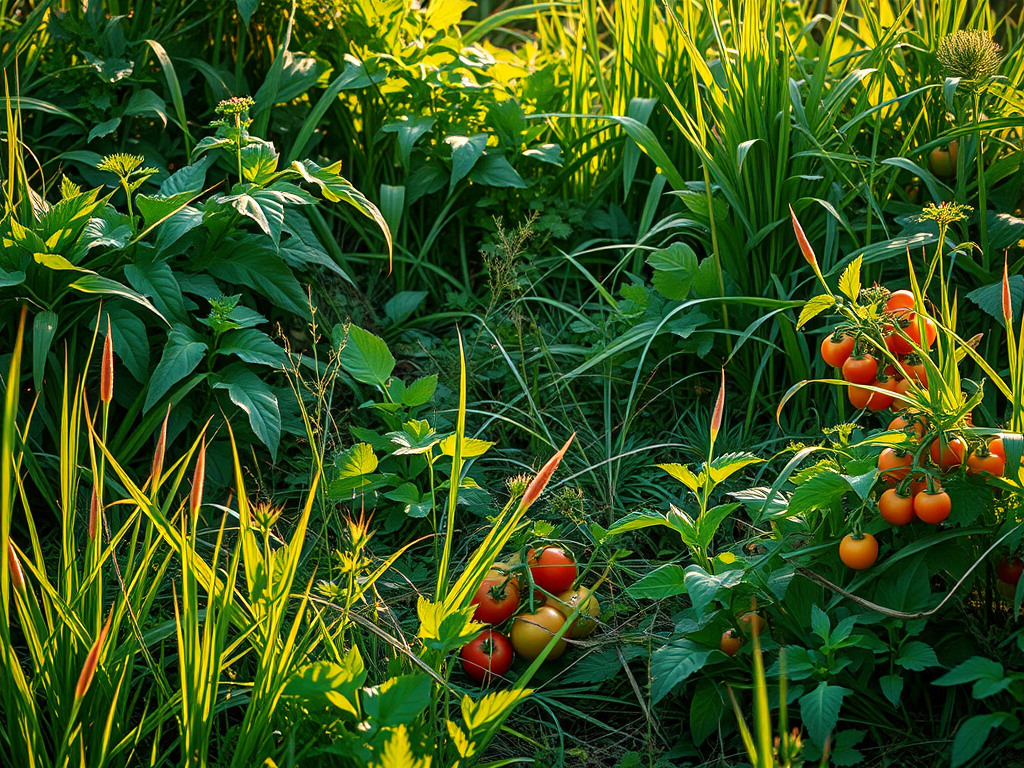
    Let’s face it—gardening isn’t always as picturesque as the Instagram-perfect photos you see online. Sometimes, despite your best intentions, your garden transforms into something that resembles a jungle. Vines are sprawling, weeds are taking over, and you can’t tell the difference between your carrots and the dandelions at this point. And let’s not even talk about the path you used to walk on—it’s practically a secret tunnel now.

    If this sounds familiar, don’t panic. You’re not alone in this. Most gardeners have experienced the chaos of a garden gone rogue. But instead of pulling up stakes and heading straight to the city, let’s talk about what you can do to tame your unruly garden and turn it back into the thriving space you’ve always wanted.

    Grab your gardening gloves, a strong cup of coffee, and let’s dive into the chaos—because the jungle can be tamed!

    Step 1: Take a Deep Breath (And a Step Back)

    Before you grab your machete and start hacking away, take a moment to breathe. Your garden may look wild, but it’s not beyond saving. The first step is to approach the situation with a calm mindset. Yes, your cucumber vines may have overrun the beans, but that’s fixable.

    Think of this as your garden’s “teenage phase.” Every garden goes through a rebellious stage, and it’s up to you to guide it back on track. The key is to not get overwhelmed by the mess. Take it one step at a time, and remember: the jungle is a place of possibility—just like your garden.

    Step 2: Assess the Situation (And Have a Laugh)

    Take a walk around your garden, and give yourself a moment to laugh at the chaos. Sure, your peas may be dangling from the tomato cages, and the pumpkins are now attempting to conquer the entire backyard, but that’s okay!

    While you’re surveying the scene, make a mental (or written) note of what’s working and what needs immediate attention. Is the garden completely overrun with weeds? Are there areas where plants have died off and need to be pulled? Or are there sections that are just a little too “enthusiastic” in their growth?

    The important thing here is to stay positive. A garden jungle means there’s life—perhaps a little too much of it—but there’s growth. And growth means you’re doing something right!

    Step 3: Start with the Weeds (They’re Not the Cool Kids)

    Weeds are the ultimate party crashers. They show up uninvited and spread like wildfire. And if you don’t take care of them first, they’ll take over your garden like an invasive species. But don’t worry—weed removal doesn’t have to be a back-breaking task. It’s all about strategy.

    Here’s what you can do:

    • Pull Weeds by Hand: Start by pulling out weeds by hand, focusing on the areas with the most visible weeds. For stubborn weeds, grab a garden fork to loosen the soil and remove them root and all.
    • Mulch, Mulch, Mulch: Once you’ve removed the weeds, lay down a thick layer of mulch around your plants. This will help smother new weed growth while also keeping the soil moist. It’s like a cozy blanket for your garden.
    • Use a Weed Barrier: For larger areas that are completely overtaken, consider using a landscape fabric or a biodegradable weed barrier to prevent the weeds from coming back in full force.

    Step 4: Take Control of the Overgrown Plants (Don’t Be Afraid to Prune)

    Now, it’s time to tame the jungle—carefully, of course. Overgrown plants are like unruly children who need some boundaries. While you don’t want to be too harsh (after all, they’ve worked hard to grow), it’s important to prune and trim where necessary.

    Here’s how to do it:

    • Prune Back Vines: If your vines are spreading like wildfire, carefully trim them back to keep them within their designated areas. For example, trim your tomato vines back to prevent them from taking over your entire garden bed. If you’ve got pumpkins running wild, redirect them into a more manageable space or prune off some of the extra growth.
    • Cut Back Overgrown Perennials: For perennials that have become leggy or too big, trim them back to encourage new growth and prevent them from crowding other plants. If your herbs have started to resemble small shrubs, cut them back to allow space for other plants to breathe.
    • Remove Dead or Damaged Plants: Sometimes, the jungle gets a little too crazy and you’ll find plants that have outgrown their spot or have died off completely. Pull them out to make room for the healthy ones that still have plenty of growing to do.

    Step 5: Create Clear Paths (So You Can Actually See Your Garden)

    A garden jungle is beautiful in its own way, but it’s hard to appreciate the beauty when you can’t even walk through it. Creating clear paths through your garden will make it more functional and easier to maintain.

    Here’s how to carve out your garden’s “roads” and make the jungle more navigable:

    • Lay Down Gravel or Wood Chips: If you’ve got garden beds that are difficult to walk around due to overgrowth, consider laying down a path of gravel, wood chips, or even bark mulch. These materials will help define your paths while making it easier to walk around.
    • Use Edging to Define Garden Beds: If your plants are spilling out of their designated areas, use stone, brick, or even plastic edging to create clear boundaries for your garden beds. This will prevent plants from spreading too far and keep the rest of your garden organized.
    • Add Trellises or Cages for Climbing Plants: If your vines and climbing plants are taking over everything, install trellises or plant cages to keep them contained and give them a proper structure to grow on. Not only will this help control the spread, but it’ll also give your plants the support they need to grow upward instead of outward.

    Step 6: Reevaluate What You Want to Grow (Be the Boss of Your Garden)

    A jungle is all about wild, unchecked growth—but that’s not always what you want for your homestead. This might be the perfect time to reevaluate what you want to grow in your garden. Are there plants that aren’t giving you the results you were hoping for? Are there some you can’t manage, or that are taking up space without rewarding you with a bountiful harvest?

    Here’s what you can do:

    • Remove Low-Value Crops: If you’ve got crops that have taken over but haven’t produced as much as you hoped, it might be time to let them go. For example, if your zucchini plants are sprawling everywhere but the fruit has been disappointing, it may be time to cut them back or replant something else in their place.
    • Plan for Better Spacing Next Season: Once your jungle has been tamed, make a mental note for next year’s planting. Will your tomatoes be better off in a raised bed? Will your squash thrive with a little more space? Take advantage of this season’s chaos as a learning experience for better planning in the future.

    Step 7: Embrace the Chaos (And Learn to Love It)

    Finally, sometimes you have to accept that your garden will never be perfectly manicured, and that’s okay. Nature doesn’t have a straight line, and neither should your garden. Embrace the chaos! Some wild growth is not only healthy but beneficial. Wildflowers, pollinators, and even a few “weeds” can help support your garden’s ecosystem.

    The jungle may look overwhelming, but it’s a sign that your plants are thriving. And while it’s essential to get things back under control, you can still leave room for nature to do its thing. Your garden doesn’t have to be a perfect picture—it can be a joyful, thriving, messy, beautiful work in progress. And that’s the real beauty of homesteading.

    Conclusion: From Jungle to Joyful Garden

    So, what do you do when your garden looks like a jungle? You get to work, but you don’t give up. You tackle the weeds, prune the plants, and create paths for easy navigation. You learn from the chaos, and you embrace the wild beauty that nature brings to your homestead.

    Most importantly, don’t get discouraged. Every garden has its ups and downs, and a bit of mess is part of the process. Whether it’s your first garden or your fifth, a little jungle is a sign of life—and life is always worth the effort.

  • 10 Ways to Save Money on Animal Feed Without Sacrificing Nutrition

    10 Ways to Save Money on Animal Feed Without Sacrificing Nutrition

    Feeding animals is one of the biggest ongoing costs on a homestead—but it doesn’t have to break the bank. Whether you’re raising chickens, ducks, goats, or rabbits, there are smart, sustainable ways to cut feed costs without compromising your animals’ health. In fact, many of these tips can even improve their diets and overall well-being!

    Here are 10 tried-and-true ways to save money on animal feed while keeping your flock or herd happy and healthy.

    1. Ferment Your Feed

    Fermenting feed is one of the easiest ways to stretch your feed budget. By soaking grains or pellets in water for 24-48 hours, you increase nutrient absorption and feed efficiency. Fermented feed is easier to digest and packed with beneficial probiotics—so your animals get more out of less.

    2. Let Them Free-Range (When Safe)

    Allowing chickens, ducks, and even pigs to free-range gives them access to bugs, grass, seeds, and other natural snacks. This can significantly reduce how much feed you need to provide, especially in the warmer months. Plus, your animals will love the enrichment and variety.

    3. Grow Your Own Fodder

    Growing sprouted grains like barley, wheat, or oats is a great way to produce fresh green feed—cheaply! Fodder systems are simple to set up and require minimal space. A few trays can produce pounds of nutrient-rich feed daily, perfect for supplementing your animals’ diet.

    4. Feed Kitchen and Garden Scraps

    Don’t toss those veggie trimmings or stale bread—feed them to your animals! Chickens, ducks, and pigs especially love leftovers. Just make sure the scraps are safe (no moldy or salty foods) and you’re reducing waste and your feed bill in one go.

    5. Mix Your Own Feed

    Buying bulk grains and mixing your own custom feed can save money over pre-mixed bags. It also allows you to tailor your mix to your animals’ specific needs. You’ll want to do some research, but it can be worth the effort for long-term savings.

    6. Plant a “Feed Garden”

    Grow crops specifically to feed your animals—think sunflowers (for seeds), pumpkins (for both flesh and seeds), kale, and comfrey. These are nutrient-dense, easy to grow, and your animals will gobble them up!

    7. Buy in Bulk and Split with Friends

    Many feed stores offer discounts on bulk purchases. Team up with fellow homesteaders to split large orders—saving you money and reducing trips to the store. Some co-ops even allow group ordering of grains or supplements.

    8. Raise Insects for Protein

    Mealworms and black soldier fly larvae are excellent protein sources for chickens and other poultry. You can raise them with very little space and feed them scraps. It’s a nearly free protein supplement your birds will love.

    9. Minimize Waste

    A lot of feed is lost to spillage, wet weather, or pests. Use feeders that reduce waste, store feed in sealed containers, and only offer what your animals can finish in a day. Small changes here can make a big dent in your feed bill over time.

    10. Cull or Sell Extra Animals

    As hard as it can be, feeding animals that aren’t producing (or that your homestead can’t support) eats into your budget. Consider selling extra roosters, older hens, or unproductive animals. This frees up resources and gives you more wiggle room to care for the animals that are pulling their weight.

    Final Thoughts

    Saving money on animal feed doesn’t mean cutting corners—it’s about being smart, resourceful, and using what you have. Many of these strategies will not only reduce your costs but improve your animals’ health, too.

    So get creative, think outside the feed bag, and remember: a well-fed homestead doesn’t have to cost a fortune.

  • Budget Friendly Homestead Recipes

    Budget Friendly Homestead Recipes

    As a homesteader, one of the most rewarding aspects of our lifestyle is the ability to grow your own food. But, even with a garden full of fresh produce, the reality of cooking for your family can still be a challenge when it comes to budgeting. That’s where budget-friendly homestead recipes can come into play. These recipes make the most of what you already grow, raise, or preserve on your homestead, allowing you to cook hearty, wholesome meals without breaking the bank.

    By focusing on simple, cost-effective ingredients that you can harvest yourself or purchase locally, you can cut down on grocery store expenses while still enjoying delicious, nutritious meals. Here are some budget-friendly homestead recipes that will help you make the most of your homestead harvest while saving you money.

    Vegetable Soup: A Homesteader’s Classic

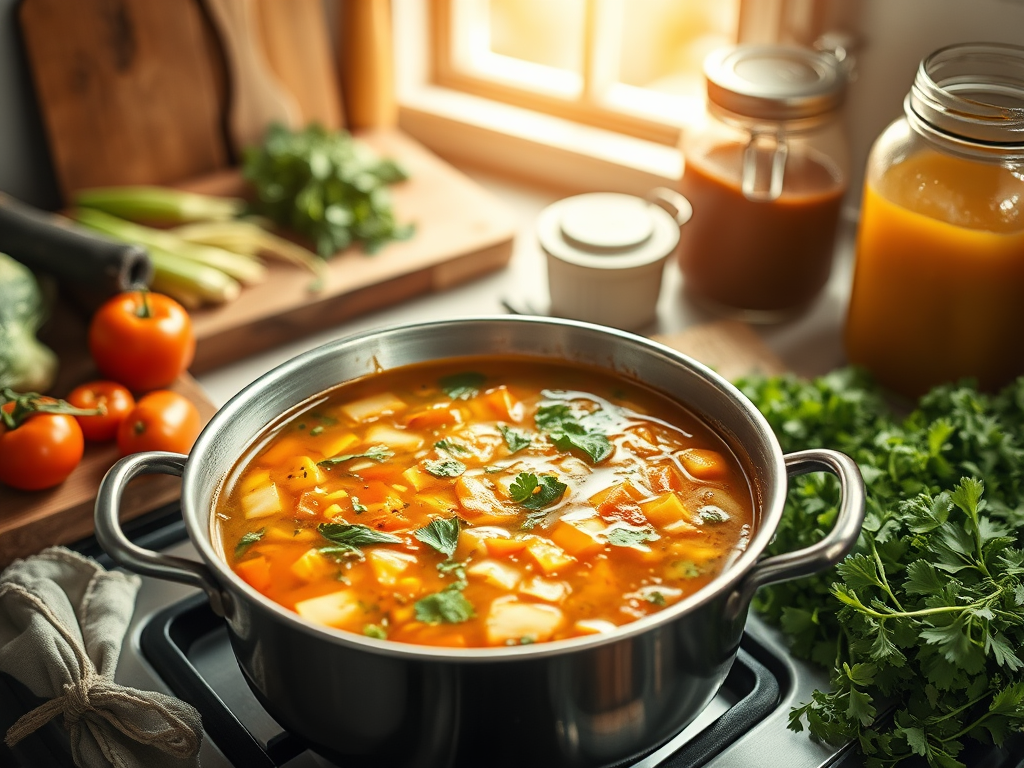
    When you have an abundance of vegetables from your garden, one of the easiest ways to use them up is by making a large pot of vegetable soup. Not only is it hearty and comforting, but it’s also a versatile dish that can be customized based on what you have on hand.

    Ingredients: Whatever vegetables are in season (carrots, potatoes, tomatoes, onions, zucchini, kale, etc.), garlic, vegetable or chicken stock, and herbs like thyme or rosemary. You can also add dried beans or lentils to stretch the meal and add protein.

    How to Make It:

    1. Chop up your vegetables and sauté garlic and onions in a large pot with some olive oil or butter.
    2. Add the chopped vegetables, stock, and herbs, and bring it to a boil. Then, let it simmer for 30-45 minutes until all the veggies are tender.
    3. For a heartier soup, add beans or lentils, which are both cheap and filling.

    Tips for Saving Money: Use what you have in abundance! You can freeze any leftover soup to eat later. Adding inexpensive grains like rice, barley, or oats also stretches the meal and adds fiber.

    Vegetable soup is a great way to use up leftover produce and can be made in large batches to feed a crowd or provide meals for the week ahead.

    Homemade Chicken or Veggie Stock

    Making homemade stock is one of the best ways to utilize parts of animals or vegetables that might otherwise go to waste. Chicken bones, vegetable scraps, and herb stems can be simmered together to create a rich, flavorful stock that you can use in soups, stews, or risottos.

    Ingredients: Chicken bones or vegetable scraps (onion peels, carrot ends, celery stalks, etc.), herbs like thyme, rosemary, bay leaves, and peppercorns.

    How to Make It:

    1. Place your chicken bones or veggie scraps into a large pot and cover with water.
    2. Add your herbs and seasonings, then bring it to a boil.
    3. Reduce the heat and let it simmer for at least 2 hours (the longer, the better). For a richer flavor, you can simmer the stock for 6-8 hours.
    4. Strain out the solids and store the stock in containers for later use. You can freeze stock in ice cube trays for easy portions.

    Tips for Saving Money: Making stock from leftover scraps means you’re reusing parts of food that would have been thrown away. Plus, you’ll have a flavorful, homemade stock on hand for cooking at no extra cost.

    Homemade stock enhances the flavor of many dishes, adds nurtrients and is a great way to utilize what would otherwise be food waste.

    Cabbage Stir-Fry with Eggs

    Cabbage is one of the most budget-friendly vegetables you can grow on your homestead, and it can be turned into a delicious, hearty meal with just a few ingredients. This cabbage stir-fry recipe is simple, filling, and perfect for when you’re looking for a quick meal that stretches your food supply.

    Ingredients: Cabbage (shredded), eggs, soy sauce (or homemade if you have the ingredients), garlic, and any leftover vegetables or herbs you have in the fridge.

    How to Make It:

    1. Heat oil in a large skillet and sauté garlic until fragrant.
    2. Add the shredded cabbage and cook, stirring occasionally, until the cabbage wilts and caramelizes slightly.
    3. Push the cabbage to the side of the skillet, crack eggs into the pan, and scramble them.
    4. Once the eggs are cooked, stir everything together and season with soy sauce or your preferred seasoning.

    Tips for Saving Money: Cabbage is incredibly affordable and lasts a long time in storage. This recipe is also versatile, so you can throw in any extra vegetables or meat scraps to give it a little more variety.

    This simple stir-fry can feed a family and uses up those extra heads of cabbage you may have growing in your garden.

    Homemade Bread (No-Knead or Basic Loaf)

    Bread is a staple in many homesteads, and making your own is not only satisfying but also budget-friendly. Homemade bread can be made with just a few basic ingredients that you likely already have in your pantry, and it can be baked in large batches to feed the whole family.

    Ingredients: Flour, yeast, salt, water, and a bit of honey or sugar (optional).

    How to Make It:

    1. Combine your dry ingredients (flour, salt, yeast) in a large bowl.
    2. Slowly add water and mix until you form a sticky dough.
    3. Cover and let it rise for 12-18 hours (a slow rise improves flavor).
    4. After the dough has risen, fold it over a few times, shape it into a loaf, and bake in a preheated oven (450°F) for about 40-45 minutes.

    Tips for Saving Money: Making bread from scratch is a fraction of the cost of store-bought loaves, and you can bake it in large quantities to freeze for later. You can also experiment with adding in herbs, cheese, or even leftover grains to flavor your bread.

    Homemade bread is an essential homestead recipe that not only saves you money but also provides a comforting, fresh side to any meal.

    Simple One-Pot Stews or Casseroles

    One-pot meals are the ultimate homesteading hack for saving time and money. You can throw together a variety of vegetables, grains, and meats (or beans) into one pot to create a delicious and filling meal that serves a crowd.

    Ingredients: Leftover vegetables, grains like rice or barley, beans or lentils, and your choice of protein (chicken, pork, beef, or a plant-based option). Season with garlic, onions, and herbs from your garden.

    How to Make It:

    1. In a large pot, sauté onions and garlic, then add in your protein (if using) and cook until browned.
    2. Add in your vegetables, grains, and beans, then cover with broth or water.
    3. Bring to a boil, then simmer until everything is tender and the flavors have melded together (about 45 minutes to an hour).
    • Tips for Saving Money: These dishes are perfect for using up whatever leftover ingredients you have in your fridge or garden. You can make a big batch to last the week and freeze portions for future meals.

    One-pot meals are an efficient way to make a hearty, cost-effective meal that stretches your homestead ingredients.

    Conclusion

    Cooking on a homestead doesn’t have to be expensive or complicated. By focusing on what you grow or raise yourself, you can create delicious, wholesome meals that are easy on your budget. Simple ingredients like vegetables, grains, and herbs can be transformed into flavorful dishes that provide nourishment and satisfaction to your family.

    The key to saving money is planning your meals around what’s in season, making the most of leftovers, and incorporating affordable staples like beans, rice, and cabbage into your recipes. By following these budget-friendly homestead recipes, you’ll be able to feed your family well while sticking to your homestead’s budget.

    Start incorporating these cost-effective meals into your routine and watch how much money you can save. Not only will you have a stockpile of healthy, homemade food, but you’ll also develop a deeper appreciation for the fruits of your labor.

    I hope this article helps you showcase how easy and rewarding it is to create budget-friendly meals on a homestead! Let me know if you want to adjust anything or add any specific recipes.