Tag: hobby homestead

  • Bartering Basics: How to Trade Goods and Services in Your Homesteading Community

    Bartering Basics: How to Trade Goods and Services in Your Homesteading Community

    Bartering Basics:How to Trade Goods and Services

    In today’s world of modern conveniences, it’s easy to forget that before money became the norm, bartering was the primary way people exchanged goods and services. For homesteaders, bartering is a valuable skill that fosters a sense of community, reduces reliance on cash, and promotes sustainability. Whether you’re a seasoned homesteader or just starting your journey, learning how to barter effectively can be a game-changer for your lifestyle. Here’s a guide to help you get started with bartering in your homesteading community.  

    What Is Bartering?

    Bartering is the exchange of goods or services without using money. It’s a simple system: you offer something you have or can do in exchange for something you need. For example, you might trade fresh eggs for handmade soap or garden vegetables for help repairing a fence.  

    In a homesteading community, bartering allows neighbors to share resources and skills, creating a network of support and reducing waste. It’s not just an economic transaction—it’s a way to build relationships and strengthen your community.  

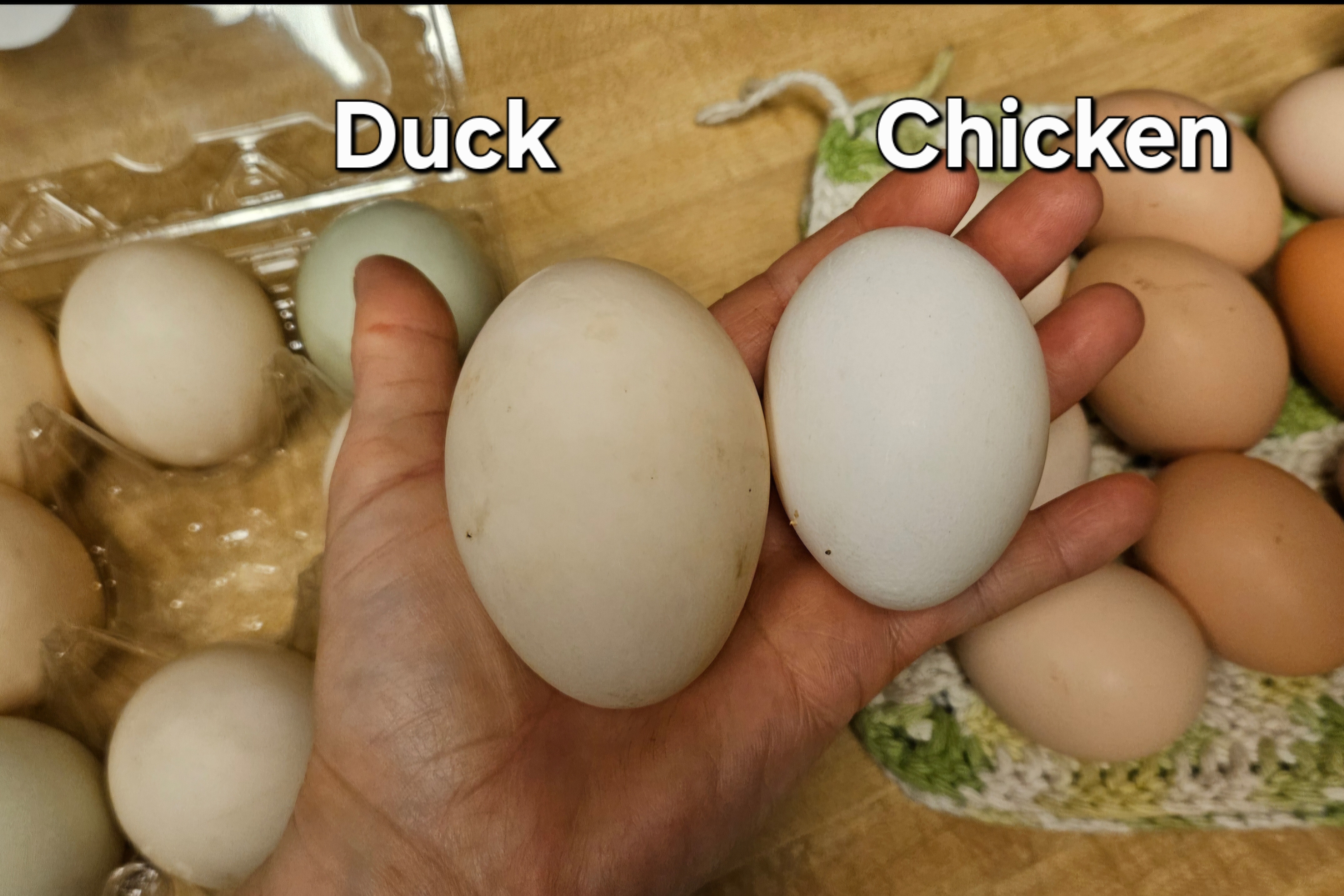
    Bartering Eggs

    Benefits of Bartering

    Save Money: One of the biggest advantages of bartering is that it reduces your reliance on cash. If you’re operating on a tight budget, bartering can help you get what you need without spending money.  

    Build Community Connections: Bartering encourages interaction with other homesteaders and neighbors. These connections can lead to lasting relationships, shared knowledge, and mutual support.  

    Reduce Waste: Have an abundance of zucchini from your garden? Or extra jars of homemade jam? Bartering allows you to share your surplus instead of letting it go to waste.  

    Access Unique Skills and Resources: Not everyone can do everything on their own. By bartering, you can access skills, tools, or resources that you might not have, such as carpentry, sewing, or animal care.  

    How to Start Bartering

    1-Take Inventory of What You Have: Before you start bartering, consider what you can offer. Here are some ideas:  

    Goods: Fresh produce, eggs, honey, baked goods, canned or preserved foods, seeds, handmade crafts, or firewood.  

    Services: Gardening, animal care, carpentry, sewing, cooking, babysitting, or mechanical repairs.  

    Skills: Teaching others how to bake bread, preserve food, or build a compost bin.  

    Think about your strengths and any surplus items you have on your homestead.  

    2-Identify What You Need: Next, make a list of things you need but don’t have. This could be physical items, such as tools or seeds, or services, such as help with harvesting or fencing. Knowing what you need will make it easier to propose fair trades.  

    3-Find a Community to Trade With: Bartering works best in a supportive community. If you don’t already know other homesteaders in your area, consider these options:  

    Local Homesteading Groups: Join local meetups or online forums for homesteaders and gardeners.  

    Farmers’ Markets: Connect with vendors and farmers who may be open to bartering.  

    Social Media Groups: Facebook groups or apps like Nextdoor can help you find like-minded individuals nearby.  

    As you build relationships, you’ll discover new opportunities to barter.  

    4-Propose a Trade: When you’re ready to trade, approach the other person with a clear proposal. Be polite and specific about what you’re offering and what you need in return. For example:  

    – “I have fresh eggs and homemade bread. Would you be interested in trading for some of your goat milk?”  

    – “I can help you build your chicken coop if you can teach me how to can vegetables.”  

    I have personally traded live turkeys for someone to builde me a chick brooder. I still use it to this day.

    Flexibility is key—sometimes, you might need to negotiate to find a trade that works for both parties.  

    5-Establish Clear Terms: To avoid misunderstandings, make sure both parties are clear about the terms of the trade. For example:  

    – How much of each item will be exchanged?  

    – When and where will the exchange take place?  

    – If it’s a service, how long will it take, and what will be included?  

    Good communication is essential to successful bartering.  

    Benefits of bartering/trading goods

    Tips for Successful Bartering

    Be Honest: Always be upfront about the quality and condition of the goods or services you’re offering.  

    Start Small: If you’re new to bartering, begin with small, simple trades to build confidence and trust.  

    Be Fair: Offer something of equal value to what you’re asking for. Bartering is about mutual benefit, not taking advantage of others.  

    Build Relationships: Regularly connect with your community to find new trading opportunities and strengthen bonds.  

    Keep Records: For larger trades, it’s a good idea to write down the agreement to ensure everyone is on the same page.  

    Examples of Bartering in a Homesteading Community

    – Trading homemade goat cheese for garden vegetables.  

    – Exchanging firewood for help repairing a fence.  

    – Offering fresh eggs in return for sewing or mending clothes.  

    – Providing garden tools in exchange for a jar of honey or homemade soap.  

    – Swapping surplus seeds with a neighbor to diversify your crops.  

    These simple exchanges not only meet immediate needs but also create a spirit of cooperation and shared success.  

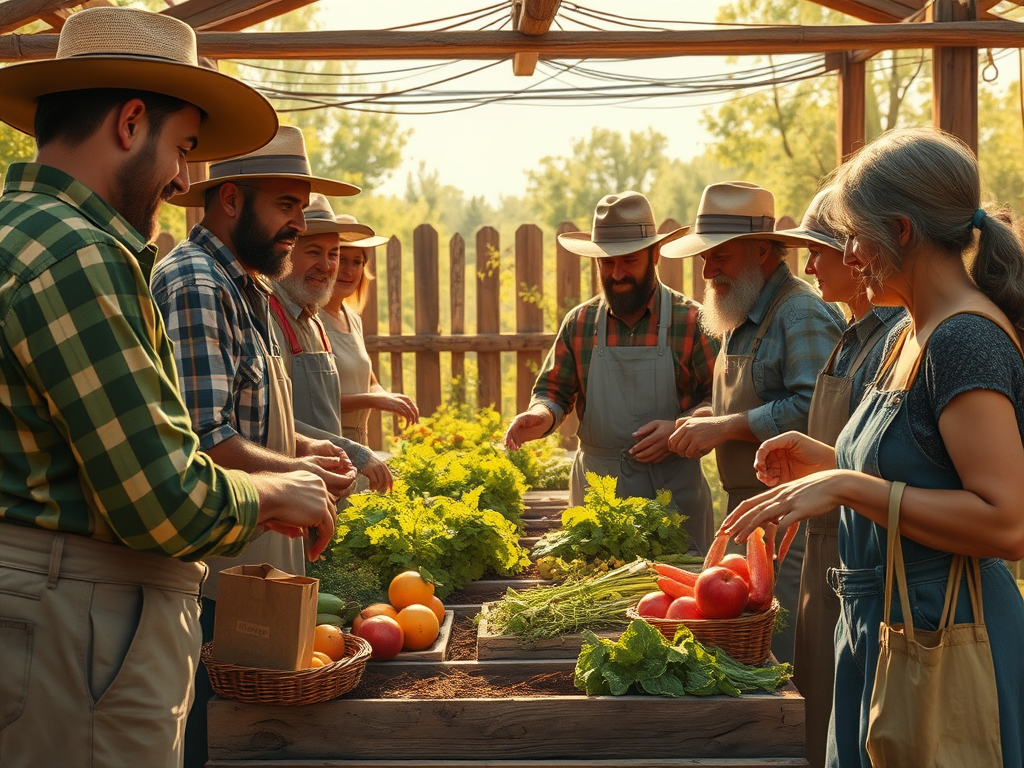
    Trading/Bartering Vegetables and Flowers

    Challenges of Bartering (and How to Overcome Them

    While bartering has many benefits, it’s not without challenges:  

    Finding a Match: It can take time to find someone who needs what you’re offering and has what you need in return. Networking and communication can help.  

    Perceived Value: Not everyone will agree on the value of goods or services. Be prepared to negotiate and find a fair middle ground.  

    Time Constraints: Services like labor or repairs require time, which might not always align with your schedule. Be clear about availability when making agreements.  

    With patience and flexibility, these challenges can be overcome.  

    Parting Thoughts

    Bartering is more than just a way to trade goods and services—it’s a way to foster a sense of community, reduce waste, and live more sustainably. Whether you’re swapping fresh eggs for home-baked bread or trading gardening labor for canned preserves, bartering offers countless opportunities to share resources and skills.  

    By building strong relationships and staying open to creative exchanges, you can make bartering an integral part of your homesteading lifestyle. What goods or services would you offer for trade? Let me know in the comments below!  

  • The Big Challenges We All Face: Slowing Down, Accepting Limitations, and Finding Balance in a Busy World

    Daily writing prompt
    What are your biggest challenges?

    Challenges have a peculiar way of appearing in our lives when we least anticipate them. Balancing a full-time job while being a mother of three and managing a small farm keeps my schedule incredibly tight. I often tend to overlook my personal limitations, and recognizing my physical constraints is a lesson I’m still navigating. At just 5 feet tall, there are numerous tasks on the farm that I find physically challenging, which can be quite frustrating. My busy nature makes it difficult for me to understand why others operate at a different pace, and I sometimes forget that not everyone shares my level of urgency. However, I am gradually realizing the importance of slowing down. I’m making an effort to align my expectations with those of the world around me. Life isn’t simply about speed; it’s an intricate journey filled with peaks and valleys, moments for introspection, and occasionally, the need for a deliberate pause.

    The Need to Slow Down in a Busy Life

    In today’s fast-paced world, many find themselves balancing jobs, family commitments, social activities, and personal hobbies—all while projecting an image of having everything under control. I can definetly relate. The adrenaline rushes through my veins as I dash from one obligation to the next, checking off items on my to-do list like a warrior slicing down enemies on a battle field. On most days, my reliance on lists ensures I tackle all my essential tasks, enhancing my productivity and allowing me to navigate the complexities of my bustling life.


    Yet, there are days when my list seems to expand endlessly, transforming planned tasks into a month-long series of projects. After all, the animals aren’t going to scoop their own poop and dishes don’t put themselves in the dishwasher. Fueled by caffeine and sheer determination, I often find myself striving to accomplish everything while squeezing just a bit more into each day.


    Along my journey, I came to realize that this relentless pace was not sustainable. There would always be tasks demanding attention, whether in the home or on the farm. The laundry would await me tomorrow, and while I believe in the value of planning to prevent falling behind, I also recognize the necessity to incorporate self-care into that plan. Heeding my body’s signals—fatigue, irritability, anxiety—wasn’t just a coping mechanism; ignoring them can lead to burnout. Gradually, I’ve learned to respect these cues by allowing myself to take breaks, acknowledging that slowing down doesn’t equate to failure but rather signifies self-care. It’s perfectly acceptable to pause and breathe.


    So, where does one start when it feels like the world is racing by? Initiating change begins with minor adjustments in perspective. I realized the importance of scheduling moments of reflection—whether through a morning coffee ritual to savor quietness or an evening routine dedicated to unwinding with a book or a leisurely stroll. As I integrated these small but vital respites into my life, I began to view them as essential components of my day. While I still maintain a to-do list, I now distinguish between critical tasks and those that can wait until I feel inspired to tackle them. This balancing act allows me to achieve my goals while sidestepping burnout, creating a healthier and more fulfilling routine.

    Accepting Physical Limitations

    Recognizing my physical limitations has proven to be a significant hurdle in my journey. I had to face the straightforward truth: my body is not a machine. It doesn’t always meet the demanding pace I sometimes set for it, and accepting this fact has been a liberating experience. This realization hasn’t come without struggle. There were moments when I drove myself to exhaustion, stubbornly insisting I was okay, all the while my body was desperately signaling for a pause. Our culture often celebrates individuals who appear strong and unyielding, those who tackle every challenge without hesitation.


    For an extended period, I perceived my physical boundaries with annoyance. I felt as though I was not reaching my full potential, convinced I wasn’t contributing enough simply because I couldn’t accomplish everything. My mind was crowded with suffocating thoughts about what I “should” be able to do: completing a marathon, keeping up with my lively children, or joining friends for drinks after work without feeling depleted. While I believe in the importance of pushing oneself to an extent, there’s a precarious balance in driving your body beyond its limits.


    Eventually, a shift in my mindset became essential. Rather than solely fixating on my restrictions, I began to recognize and celebrate my capabilities. Listening to my body became a priority, and honoring its needs shifted my perspective. This meant allowing time for recovery, opting for gentler workouts, and learning to decline additional responsibilities that could overextend me. Embracing my body as it is, instead of how I wished it could be, brought an incredible sense of freedom. Accepting these limitations does not equate to abandoning my aspirations. Instead, it signifies that I am approaching my goals in a more thoughtful manner. I can commit myself to pursue my passions at a pace that respects my physical reality. There’s no need to hastily dash towards the finish line; it’s perfectly acceptable to stroll there, even if the journey takes longer.

    Converting Frustration to Curiosity


    One peculiar frustration stands out amid these challenges, revealing my driven nature. Often, I catch myself contemplating the achievements of others, questioning why their levels of motivation and productivity don’t match mine. Engaging in this comparison can rapidly lead to feelings of disappointment and resentment. I wonder, why does it seem like others accomplish more with such apparent ease?


    This tendency to compare ourselves to others is a common human impulse, isn’t it? We frequently measure our behind-the-scenes struggles against the highlight reels of those around us. Social media amplifies this effect, displaying snapshots of polished lives that often hide the underlying difficulties. Scrolling through posts about milestones—graduations, promotions, or book launches—sometimes leaves me with a tight knot in my stomach. This feeling arises from a deep desire to reach similar heights, often causing me to overlook my distinct challenges.


    Understanding this pattern has become an important ongoing lesson. I strive to remember that each individual travels their own path, equipped with unique challenges and timelines. The fact that someone’s experience differs from mine does not imply they are more or less accomplished. Their pace may reflect a myriad of personal circumstances and choices that remain unknown to me.


    This newfound insight has the power to transform my daily outlook. Curiosity has replaced judgement; I find myself pondering questions like: What motivates them? What obstacles do they encounter? How do they measure success? This shift from critical assessment to genuine curiosity has enabled me to celebrate the achievements of others wholeheartedly rather than feeling begrudged.


    Now, whenever that familiar frustration threatens to arise, I counter it with gratitude for my personal journey. I’ve reached many significant milestones, albeit in ways that may differ from those around me. I’m learning to value the unique qualities and strengths that I contribute. By practicing self-acceptance and recognizing my achievements—regardless of their scale—I nurture a sense of inner peace.

    The Balance Between Accomplishment and Being Present


    This journey of confronting my own challenges has led me to explore the delicate balance between accomplishment and tranquility. I used to measure my worth by how much I ticked off my to-do list, but now I find immense value in just being present. In a world that champions achievement, it’s easy to forget the importance of simply existing, of feeling and experiencing life in a meaningful way.


    Finding this balance isn’t merely about slowing down; it’s about integrating that slower pace into a life filled with purpose. The truth is, life can seem chaotic and congested, with multiple demands vying for our attention. But in the midst of that chaos, it’s vital to carve out pockets of mindfulness and reflection that enrich our experience.


    I’ve discovered a few methods that have supported me in navigating this balance:
    Mindfulness and Meditation: Incorporating mindfulness practices into my daily routine has cultivated a sense of calm that permeates my tasks. Even just a few minutes of meditation or conscious breathing can ground me in the present moment, reminding me that life is happening now—not on some distant to-do list or future endeavor.
    Quality Over Quantity: Instead of drowning in the sea of obligations, I consciously choose to engage in fewer activities that spark joy and fulfillment. I’ve learned that it’s better to invest my energy in what truly resonates with me rather than spreading myself thin with commitments that don’t.
    Gratitude Journaling: Taking time to pen down what I’m grateful for invigorates my perspective. It shifts focus from what’s missing to what is here, and that can be profoundly grounding.

    Embracing the Journey Ahead


    Our lives may be filled with challenges, but acknowledging and embracing them paints a richer picture of who we are. Slowing down in the face of a busy life, accepting our physical limitations, and reframing frustrations stemming from others’ journeys can be catalysts for personal growth.
    As I navigate my own path, I remain committed to celebrating both the successes and struggles. Each of us is undertaking our journey through this intriguing world at our pace. It’s not about how quickly we reach our destinations but how deeply we engage with the ride along the way.
    So here’s to the challenges we face—the fatigue, the frustrations, the limitations—and how they shape our experiences. Instead of racing through life, let’s take a moment to slow down, appreciate our uniqueness, and embrace the beauty in simply being. The journey matters just as much as the destination, and each chapter offers opportunities for learning, growth, and connection. Here’s to savoring the ride—one day at a time.

  • Is Meal Prepping Worth It?

    Is meal prepping truly worth it? In our busy lives, balancing work, family commitments, social activities, and personal aspirations often leaves little room for maintaining a nutritious diet. After a long day, the temptation to stop at a fast-food restaurant can be hard to resist.


    Yet, an effective strategy exists that can transform your approach to cooking: meal prepping. This method not only helps you save valuable time but also alleviates stress, while ensuring that you’re consistently enjoying wholesome, home-cooked meals. This article will guide you through the essentials of meal prepping and illustrate how it can revolutionize your week. Furthermore, we’ll explore whether it’s the right choice for you and your household.

    Understanding Meal-Prepping; What exactly is it?

    Preparing meals in advance, known as meal prepping, enables individuals to save time and reduce stress during busy weeknights. This method involves several steps, including planning menus, shopping for ingredients, cooking dishes, and properly storing the finished meals. By organizing your culinary tasks ahead of time, you can streamline your eating habits, allowing for the enjoyment of wholesome, home-cooked dishes every day without the pressure of fitting cooking into a packed schedule. With this strategy, mealtime becomes a stress-free experience, fostering a healthier lifestyle and better time management.

    What are the Benefits of Meal Prepping?

    Time Efficiency: Cooking can be time-consuming, but by dedicating a few hours once a week to meal prep, you can create enough dishes to last through the days ahead. This strategy minimizes kitchen visits and cuts down on cleaning efforts significantly.


    Portion Management: Meal prepping empowers you to manage your serving sizes effectively, facilitating adherence to healthy dietary habits and helping with calorie control.


    Nutritional Convenience: With some forethought, preparing your meals in advance guarantees that wholesome options are readily available, decreasing the likelihood of turning to fast food or unhealthy snacks.


    Cost Savings: Planning your meals and purchasing ingredients in larger quantities can lead to considerable financial savings when compared to frequent takeout or restaurant dining.


    Minimized Food Waste: By outlining your meals ahead of time, you can avoid overbuying and ensure that food doesn’t end up discarded, thus contributing to a more sustainable approach to eating.

    The Downsides to Meal-Prepping

    Significant time commitment: Engaging in meal prepping often demands a substantial investment of time at the outset. From brainstorming meal ideas to grocery shopping and actual cooking, you can easily spend several hours readying yourself for the week ahead. For those with limited time, this undertaking can appear daunting.


    Monotony of meals: A frequent concern surrounding meal prepping is the uniformity it brings. Consuming the same dishes multiple times each week can become tiresome, leading to what’s often referred to as “food fatigue.” This boredom might push you to seek takeout alternatives instead of sticking to your meal plan.


    Storage limitations: Efficient meal prepping requires adequate storage space in your refrigerator and kitchen. If your fridge is on the smaller side, finding room for numerous prepped meals can be challenging. Furthermore, the expenses associated with buying reusable containers can accumulate, and the tasks of cleaning and labeling them may begin to feel burdensome.


    Food safety issues: With meal prepping, some dishes inevitably remain in your refrigerator for several days. Improper storage and handling can heighten the risk of foodborne illnesses. Additionally, some individuals simply prefer not to eat leftovers, which can render meal prepping an impractical choice for them.


    Decreased spontaneity: Committing to meal prepping establishes a fixed schedule, which can pose inconveniences if your plans change or if you crave something different. This lack of flexibility makes it difficult to adapt to unexpected social engagements or sudden cravings.

    Weighing the benefits of meal prepping: Is it truly worthwhile?

    Is meal prepping worth it? The answer largely depends on your individual lifestyle and preferences. For many people, meal prepping can significantly improve daily routines. It saves time throughout the week, alleviates mealtime stress, and fosters healthier eating habits by making it easier to avoid quick, unhealthy choices. However, if you thrive on flexibility and derive joy from cooking creatively, adhering to a strict meal prep schedule might feel burdensome rather than advantageous. Ultimately, assessing whether meal prepping suits your lifestyle requires reflection on your preferences and needs. For numerous individuals, this approach leads to more deliberate eating habits and a sense of calm during busy days.


    Do you engage in meal prepping? Share your thoughts below, and if you’re considering diving into this practice, check out this article for guidance on getting started.

  • Why I meal Prep: Benefits, Tips, and How to get Started Today

    In our fast-paced world, it feels like there’s never enough time to do everything. Between work, family, and social commitments, cooking a healthy meal often falls to the wayside. That’s where meal prepping comes to the rescue. Not only can it save you time, money, and effort, but it can also help you maintain a healthy lifestyle. If you’re curious about the every-growing trend of meal prepping, this article will explore its benefits, provide practical tips, and offer a comprehensive guide on how to get started.

    What is Meal Prep?

    Meal prepping is the process of preparing meals and snacks in advance. This can include everything from cooking a week’s worth of dinners on a Sunday to simply chopping up vegetables for easy access throughout the week. The idea is to streamline your cooking and eating process, making it easier to adhere to a healthy diet and avoid the drive-thru.

    Benefits of Meal Prepping

    Time-Saver: One of the most significant advantages of meal prep is the time it saves. When you dedicate a few hours once a week to cook, you eliminate the daily struggle of deciding what to have for dinner. Imagine walking into your kitchen after a long day and knowing exactly what you’re going to eat. No more last-minute trips to the grocery store or takeout runs!
    Healthier Choices: Another key benefit of meal prepping is that it encourages healthier eating habits. When you have pre-portioned meals ready to go, you’re less likely to succumb to the temptation of junk food or fast food options. You can plan your meals to ensure they include plenty of fruits, vegetables, healthy fats, and lean proteins, all of which contribute to better nutrition.
    Cost Effective: Meal prepping can also help you save money. When you buy ingredients in bulk, you reduce the overall cost per meal. Plus, with meals ready to go, you’re less likely to waste food. That leftover kale or those extra chicken breasts won’t sit in your fridge until they spoil; they’ll be turned into nourishing meals instead.
    Portion Control: Prepping meals in advance allows you to control your portion sizes. This is particularly beneficial for those trying to maintain or lose weight. By measuring out servings, you can adhere to your dietary goals more effectively.
    Reduced Stress: A well-planned meal prep routine can reduce the mental load of daily cooking decisions. Knowing you have healthy, delicious meals at your fingertips takes a lot of pressure off, creating a sense of ease as you navigate your busy week.
    Variety and Creativity: Contrary to the belief that meal prep leads to monotony, if done right, it can actually be quite varied and fun! With a little creativity, you can try new recipes and ingredients each week. Switching it up is easy when you plan your meals in advance.

    Why it works for me

    Engaging in meal prep has become essential for me and my lifestyle as it ensures I remain on track with my nutritional objectives. By preparing my lunches in advance for work, I effectively navigate the challenge of a limited 30-minute lunch break. Finding meals that are both fulfilling and quick to consume during this timeframe can be daunting, and the daily decision-making about what to eat often heightens my anxiety. With a meal plan in place, all it takes is retrieving a container from the fridge or warming it up.


    Too keep the family involved, I enjoy planning dinners ahead of time. This helps me anticipate what my kids will be having. Given that I usually arrive home between 6:30-7 at night, the thought of spending an hour in the kitchen to whip up a nutritious meal is less than appealing. Meal prepping not only saves me precious time but also supports my commitment to a healthy lifestyle for my family and I. It alleviates the stress of figuring out dinner every single night since I plan it ahead, allowing me to focus on spending quality time with my family each night instead.

    Tips for Successful Meal Prepping

    Now that you’re hooked on the idea of meal prepping, let’s dive into some tips that will ensure you set yourself up for success.


    Start Small: If you’re new to meal prepping, start with just a few meals for the week. You don’t need to prepare every breakfast, lunch, and dinner at once. Begin with one or two meals to see how it fits into your lifestyle before scaling up.
    Plan Your Menu: Take some time to brainstorm the meals you would like to prepare for the week. Think about ingredients you enjoy, dishes you’ve been wanting to try, or any dietary restrictions you need to consider. Planning helps ensure you won’t be left with an unappetizing mix of leftovers come Thursday.
    Create a Shopping List: Once you’ve decided on your meals, create a shopping list to make your grocery store trip efficient. Stick to your list to avoid impulse buys, which can derail your meal prep plans.
    Choose the Right Containers: Invest in high-quality meal prep containers. Clear, BPA-free plastic or glass containers with tight-sealing lids are ideal for keeping your meals fresh. Consider getting various sizes so you can portion out snacks, salads, and full meals.
    Batch Cook: Cooking in batches is a staple of meal prep. Choose a couple of staple proteins (like chicken, beans, or burger and cook them in large quantities so that you can distribute them across several meals throughout the week.
    Focus on Versatility: Choose ingredients that can be used in multiple dishes. For example, steamed broccoli can be a side one night for dinner, added to stir-fry or included in a salad. Versatile ingredients allow for creativity and reduce the feeling of eating the same thing every day.
    Don’t Forget Snacks: Meal prep isn’t just for main meals. Consider prepping healthy snacks you can grab on the go, like cut-up veggies with hummus, protein box(boiled eggs, cheese & cut meat) or homemade yogurt parfaits. This is especially important for busy days when you might be tempted to reach for unhealthy snacks.
    Use a Freezer: Don’t forget about your freezer! Freezing meals or components allows you to extend their shelf life and gives you a backup plan for busy nights. Soups, stews, and casseroles freeze particularly well and can serve as a lifesaver.
    Label Everything: Use labels for your containers to track what’s inside and when it was made. This not only keeps things organized but also helps you consume food before it spoils. Plus, it saves you from playing the guessing game of what’s in your fridge at dinnertime.
    Be Flexible: If plans change, or you find you’ve made too much food, that’s okay! Meal prepping isn’t an exact science. Be adaptable and adjust your plans as needed. The goal is to make your life easier, not to complicate it.


    How to Get Started Today


    Ready to dive into meal prepping? Here’s a step-by-step guide to help you get started right away.


    Step 1: Dedicate a Day
    Choose one day a week that suits you for your meal prep. Weekends are typically popular choices since you might have more time. Set a specific time likely after you’ve gone grocery shopping. Planning a meal prep day gives you something to look forward to in your week.
    Step 2: Gather Your Supplies
    Make sure you have everything you need. This includes containers, utensils, cutting boards, and even a few favorite recipes. Set up your space efficiently; a clean kitchen makes the process smoother and more enjoyable.
    Step 3: Plan Your Menu and Shop
    Carve out some time to plan. Use a notepad or digital note-taking app to jot down your meal ideas. After that, create your shopping list based on your menu and head to the grocery store. Stick to your list to keep choices streamlined.
    Step 4: Cook Smart
    On designated meal prep day, try to cook efficiently. Start with ingredients that take the longest to cook (like grains or proteins) and work your way down to quick-cooking items (like steamed vegetables). Utilize multiple cooking methods (stovetop, oven, slow cooker) to maximize time. Multi-tasking is key – while one batch is in the oven, you can prep side dishes or snacks.
    Step 5: Portion and Store
    As you finish cooking, portion out each meal into your containers, making sure to balance protein, carbs, and vegetables for a well-rounded meal. Once everything is prepped and packed away, label your containers with the meal name and date.
    Step 6: Refrigerate or Freeze
    Store your meals based on when you plan to eat them. Meals for the first few days can go into the fridge, while extras can be frozen for later use. Try to consume refrigerated meals within about four days for freshness.
    Step 7: Enjoy Throughout the Week
    Throughout the week, enjoy the benefits of your meal prep! Simply grab a meal or snack when you’re hungry, heat it up, and dig in. Appreciating your hard work will reinforce the value of this practice.
    Step 8: Reflect and Adjust
    At the end of the week, take a second to reflect on what worked and what didn’t. Did you enjoy the meals you prepped? Were there any ingredients you discarded? Use this chance to make your next prep even more efficient and enjoyable.

    Common Missteps & How to Avoid Them

    While meal prepping sounds perfect in theory, there are common challenges that many encounter. Here’s how to avoid them


    Boredom with Meals: This can be a dealbreaker for many. Try cooking different cuisines or using various spices to keep meals exciting. Rotate your menu every week for fresh variety.
    Over-prepping: Cooking too much can lead to a lot of uneaten meals, which negates the benefits of meal prepping. Start small and ramp up as you find that sweet spot.
    Inadequate Containers: Using flimsy containers can lead to spills and moldy food. Invest in quality containers that will preserve the freshness of your meals.
    Sticking to the Same Recipe: Find new recipes or inspiration online to keep meal prepping fresh. Experiment with seasonal ingredients to tempt your palette.

    Conclusion

    Meal prepping offers numerous benefits, from saving time and money to promoting healthier eating habits. The initial investment of time and effort can significantly enhance your week, making meals less of a hindrance and more of a joy. By planning, cooking in batches, and being organized, meal prepping can become a cherished part of your lifestyle.


    So why wait? Take the first steps today—pick a day, plan a simple menu, and get ready to enjoy the amazing rewards of meal prepping. You’ll find that with a little practice, it can transform not just your meals but your entire approach to eating. Let the meal prep journey begin!

  • What is homesteading: Small Scale

    What is Homesteading on a Small Scale?

    Homesteading has long been associated with a self-sufficient lifestyle. One where individuals or families take responsibility for producing their own food, shelter, and energy. While large-scale homesteading properties often conjure up images of huge farms and pastures galore with animals, small-scale homesteading is a growing trend that focuses on achieving a similar sense of independence and sustainability—just on a smaller, more manageable scale. You can achieve small-scale homesteading whether you live on a small urban lot, a suburban backyard, or a few acres in the countryside (which is what I have). Small-scale homesteading allows you to embrace self-reliance in a way that fits your space, budget, and lifestyle.

    What Does Small-Scale Homesteading Involve?

    Small-scale homesteading is about creating a lifestyle where you can provide for your basic needs without relying heavily on outside resources. It’s about being resourceful, learning new skills, and cultivating a sense of independence. Here are some key elements involved in small-scale homesteading:

    Growing Your Own Food

       One of the primary goals of homesteading is food production, and small-scale homesteaders often grow their own vegetables, fruits, and herbs. Even if you have a small garden or just a few containers on a balcony, you can grow a surprising amount of food. From tomatoes and peppers to greens like spinach and kale, many plants thrive in compact spaces. Raised garden beds, vertical gardening, and hydroponics are all popular methods for maximizing food production in small areas.

    Raising Livestock

       For those with a bit more space, raising small livestock can be a rewarding aspect of homesteading. Chickens for eggs, rabbits for meat, or even a few goats for milk are great options for small-scale homesteaders. These animals require less space and resources than larger livestock but still offer the benefits of fresh, home-produced food.

    Preserving the Harvest

       When you grow your own food, one of the key skills to master is food preservation. Canning, freezing, drying, and fermenting allow homesteaders to store food for the winter or times of scarcity. For small-scale homesteaders, this could mean a modest pantry full of homemade jams, pickles, or frozen vegetables, ensuring a year-round supply of nutritious food without relying on store-bought alternatives.

    Energy Independence

       Small-scale homesteaders often seek to reduce their dependency on traditional energy sources by adopting renewable energy practices. Solar panels, small wind turbines, and even rainwater harvesting systems can be incorporated into a homesteading lifestyle, making it more sustainable and cost-effective over time. Energy independence can be achieved incrementally, starting with small steps like installing energy-efficient appliances or using solar-powered lights.

    DIY Projects and Crafting

       Many small-scale homesteaders embrace the DIY mentality. This can range from woodworking and home repairs to making your own soap, candles, and cleaning products. The ability to create or repair items yourself not only saves money but also fosters a sense of accomplishment and reduces reliance on mass-produced goods. This mindset is central to homesteading on any scale, and it’s a great way to enhance your self-sufficiency.

    Sustainable Living

       Sustainability is a core tenet of homesteading, and even small-scale homesteaders can reduce their environmental impact. This can involve composting food scraps, using natural fertilizers, recycling materials, and minimizing waste. Even small actions, like using reusable bags and reducing plastic usage, contribute to a more sustainable way of life.

    Why Choose Small-Scale Homesteading?

    Small-scale homesteading offers numerous benefits, and it’s a lifestyle that appeals to a wide range of people. Here are some reasons homesteading is becoming so popular:

    Lower Cost of Living

    Growing your own food, raising animals for eggs or meat, and reducing your reliance on store-bought goods can lead to significant savings in the long run.

    Increased Self-Sufficiency

    With a small-scale homestead, you become less reliant on outside sources for food, water, and energy. This sense of independence can be both empowering and reassuring.

    Connection with Nature

    Homesteading allows you to develop a closer relationship with the land and the natural world. The satisfaction of growing your own food, taking care of animals, and using natural resources in sustainable ways can deepen your connection to nature.

    Healthier Living

    Growing your own organic food and avoiding processed items can lead to a healthier lifestyle. Additionally, the physical labor involved in homesteading, from gardening to building, can keep you active and engaged.

    A Sense of Accomplishment

    Homesteading teaches you new skills, such as gardening, carpentry, cooking, and animal care. Each task completed—from a successful harvest to a newly built chicken coop—provides a deep sense of satisfaction and accomplishment.

    How to Start Small-Scale Homesteading

    If you’re interested in starting your own small-scale homestead, it’s important to start small and work within your current capabilities. Here are a few tips to get started:

    1. Assess Your Space

    Whether you have a small backyard or an apartment balcony, determine what you can realistically grow or produce in your available space.

    2. Start with the Basics

    Begin by growing a few easy-to-care-for plants, like herbs or lettuce, and gradually expand your garden as you gain experience.

    3. Learn New Skills

    There are countless resources online and in libraries to help you learn homesteading skills like gardening, food preservation, and animal care.

    4. Invest in Essential Tools

    Reusing and recycling materials you have available to you should always be your primary goal however there are certain items you will want to invest it. Whether it’s gardening tools, a compost bin, or a small chicken coop, investing in the right equipment will help you get started and make your efforts more efficient.

    5. Join a Community

    Homesteading doesn’t have to be a solo venture. Find local homesteading groups or online forums where you can exchange advice, tips, and encouragement with others who share your interests. Tik tok and facebook both have great communities.

    Conclusion

    Small-scale homesteading is a rewarding lifestyle that allows individuals and families to embrace self-sufficiency, sustainability, and independence without the need for large plots of land. Whether you’re growing your own food, raising small livestock, or creating DIY projects, small-scale homesteading provides countless opportunities for personal growth, cost savings, and a deeper connection to nature. By starting small and working with what you have, you can create a homestead that fits your space, your time, and your life.

    Happy Homesteading!