
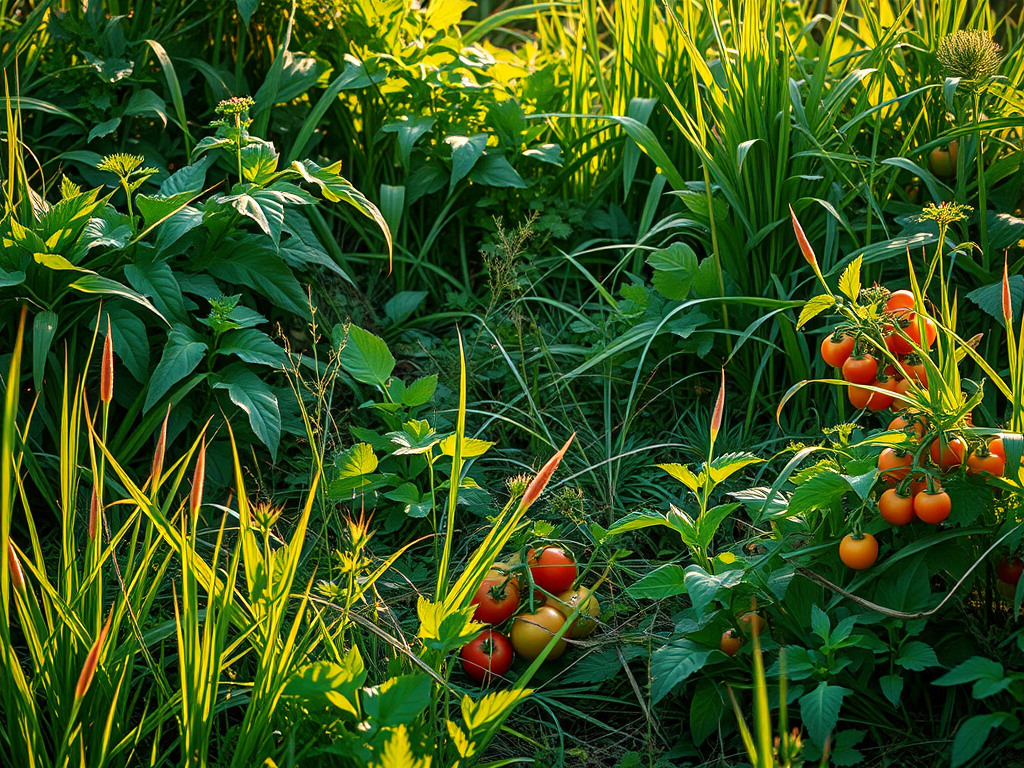
Let’s face it—gardening isn’t always as picturesque as the Instagram-perfect photos you see online. Sometimes, despite your best intentions, your garden transforms into something that resembles a jungle. Vines are sprawling, weeds are taking over, and you can’t tell the difference between your carrots and the dandelions at this point. And let’s not even talk about the path you used to walk on—it’s practically a secret tunnel now.
If this sounds familiar, don’t panic. You’re not alone in this. Most gardeners have experienced the chaos of a garden gone rogue. But instead of pulling up stakes and heading straight to the city, let’s talk about what you can do to tame your unruly garden and turn it back into the thriving space you’ve always wanted.
Grab your gardening gloves, a strong cup of coffee, and let’s dive into the chaos—because the jungle can be tamed!
Step 1: Take a Deep Breath (And a Step Back)
Before you grab your machete and start hacking away, take a moment to breathe. Your garden may look wild, but it’s not beyond saving. The first step is to approach the situation with a calm mindset. Yes, your cucumber vines may have overrun the beans, but that’s fixable.
Think of this as your garden’s “teenage phase.” Every garden goes through a rebellious stage, and it’s up to you to guide it back on track. The key is to not get overwhelmed by the mess. Take it one step at a time, and remember: the jungle is a place of possibility—just like your garden.
Step 2: Assess the Situation (And Have a Laugh)
Take a walk around your garden, and give yourself a moment to laugh at the chaos. Sure, your peas may be dangling from the tomato cages, and the pumpkins are now attempting to conquer the entire backyard, but that’s okay!
While you’re surveying the scene, make a mental (or written) note of what’s working and what needs immediate attention. Is the garden completely overrun with weeds? Are there areas where plants have died off and need to be pulled? Or are there sections that are just a little too “enthusiastic” in their growth?
The important thing here is to stay positive. A garden jungle means there’s life—perhaps a little too much of it—but there’s growth. And growth means you’re doing something right!
Step 3: Start with the Weeds (They’re Not the Cool Kids)
Weeds are the ultimate party crashers. They show up uninvited and spread like wildfire. And if you don’t take care of them first, they’ll take over your garden like an invasive species. But don’t worry—weed removal doesn’t have to be a back-breaking task. It’s all about strategy.
Here’s what you can do:
- Pull Weeds by Hand: Start by pulling out weeds by hand, focusing on the areas with the most visible weeds. For stubborn weeds, grab a garden fork to loosen the soil and remove them root and all.
- Mulch, Mulch, Mulch: Once you’ve removed the weeds, lay down a thick layer of mulch around your plants. This will help smother new weed growth while also keeping the soil moist. It’s like a cozy blanket for your garden.
- Use a Weed Barrier: For larger areas that are completely overtaken, consider using a landscape fabric or a biodegradable weed barrier to prevent the weeds from coming back in full force.
Step 4: Take Control of the Overgrown Plants (Don’t Be Afraid to Prune)
Now, it’s time to tame the jungle—carefully, of course. Overgrown plants are like unruly children who need some boundaries. While you don’t want to be too harsh (after all, they’ve worked hard to grow), it’s important to prune and trim where necessary.
Here’s how to do it:
- Prune Back Vines: If your vines are spreading like wildfire, carefully trim them back to keep them within their designated areas. For example, trim your tomato vines back to prevent them from taking over your entire garden bed. If you’ve got pumpkins running wild, redirect them into a more manageable space or prune off some of the extra growth.
- Cut Back Overgrown Perennials: For perennials that have become leggy or too big, trim them back to encourage new growth and prevent them from crowding other plants. If your herbs have started to resemble small shrubs, cut them back to allow space for other plants to breathe.
- Remove Dead or Damaged Plants: Sometimes, the jungle gets a little too crazy and you’ll find plants that have outgrown their spot or have died off completely. Pull them out to make room for the healthy ones that still have plenty of growing to do.
Step 5: Create Clear Paths (So You Can Actually See Your Garden)
A garden jungle is beautiful in its own way, but it’s hard to appreciate the beauty when you can’t even walk through it. Creating clear paths through your garden will make it more functional and easier to maintain.
Here’s how to carve out your garden’s “roads” and make the jungle more navigable:
- Lay Down Gravel or Wood Chips: If you’ve got garden beds that are difficult to walk around due to overgrowth, consider laying down a path of gravel, wood chips, or even bark mulch. These materials will help define your paths while making it easier to walk around.
- Use Edging to Define Garden Beds: If your plants are spilling out of their designated areas, use stone, brick, or even plastic edging to create clear boundaries for your garden beds. This will prevent plants from spreading too far and keep the rest of your garden organized.
- Add Trellises or Cages for Climbing Plants: If your vines and climbing plants are taking over everything, install trellises or plant cages to keep them contained and give them a proper structure to grow on. Not only will this help control the spread, but it’ll also give your plants the support they need to grow upward instead of outward.
Step 6: Reevaluate What You Want to Grow (Be the Boss of Your Garden)
A jungle is all about wild, unchecked growth—but that’s not always what you want for your homestead. This might be the perfect time to reevaluate what you want to grow in your garden. Are there plants that aren’t giving you the results you were hoping for? Are there some you can’t manage, or that are taking up space without rewarding you with a bountiful harvest?
Here’s what you can do:
- Remove Low-Value Crops: If you’ve got crops that have taken over but haven’t produced as much as you hoped, it might be time to let them go. For example, if your zucchini plants are sprawling everywhere but the fruit has been disappointing, it may be time to cut them back or replant something else in their place.
- Plan for Better Spacing Next Season: Once your jungle has been tamed, make a mental note for next year’s planting. Will your tomatoes be better off in a raised bed? Will your squash thrive with a little more space? Take advantage of this season’s chaos as a learning experience for better planning in the future.
Step 7: Embrace the Chaos (And Learn to Love It)
Finally, sometimes you have to accept that your garden will never be perfectly manicured, and that’s okay. Nature doesn’t have a straight line, and neither should your garden. Embrace the chaos! Some wild growth is not only healthy but beneficial. Wildflowers, pollinators, and even a few “weeds” can help support your garden’s ecosystem.
The jungle may look overwhelming, but it’s a sign that your plants are thriving. And while it’s essential to get things back under control, you can still leave room for nature to do its thing. Your garden doesn’t have to be a perfect picture—it can be a joyful, thriving, messy, beautiful work in progress. And that’s the real beauty of homesteading.
Conclusion: From Jungle to Joyful Garden
So, what do you do when your garden looks like a jungle? You get to work, but you don’t give up. You tackle the weeds, prune the plants, and create paths for easy navigation. You learn from the chaos, and you embrace the wild beauty that nature brings to your homestead.
Most importantly, don’t get discouraged. Every garden has its ups and downs, and a bit of mess is part of the process. Whether it’s your first garden or your fifth, a little jungle is a sign of life—and life is always worth the effort.
Leave a Reply