
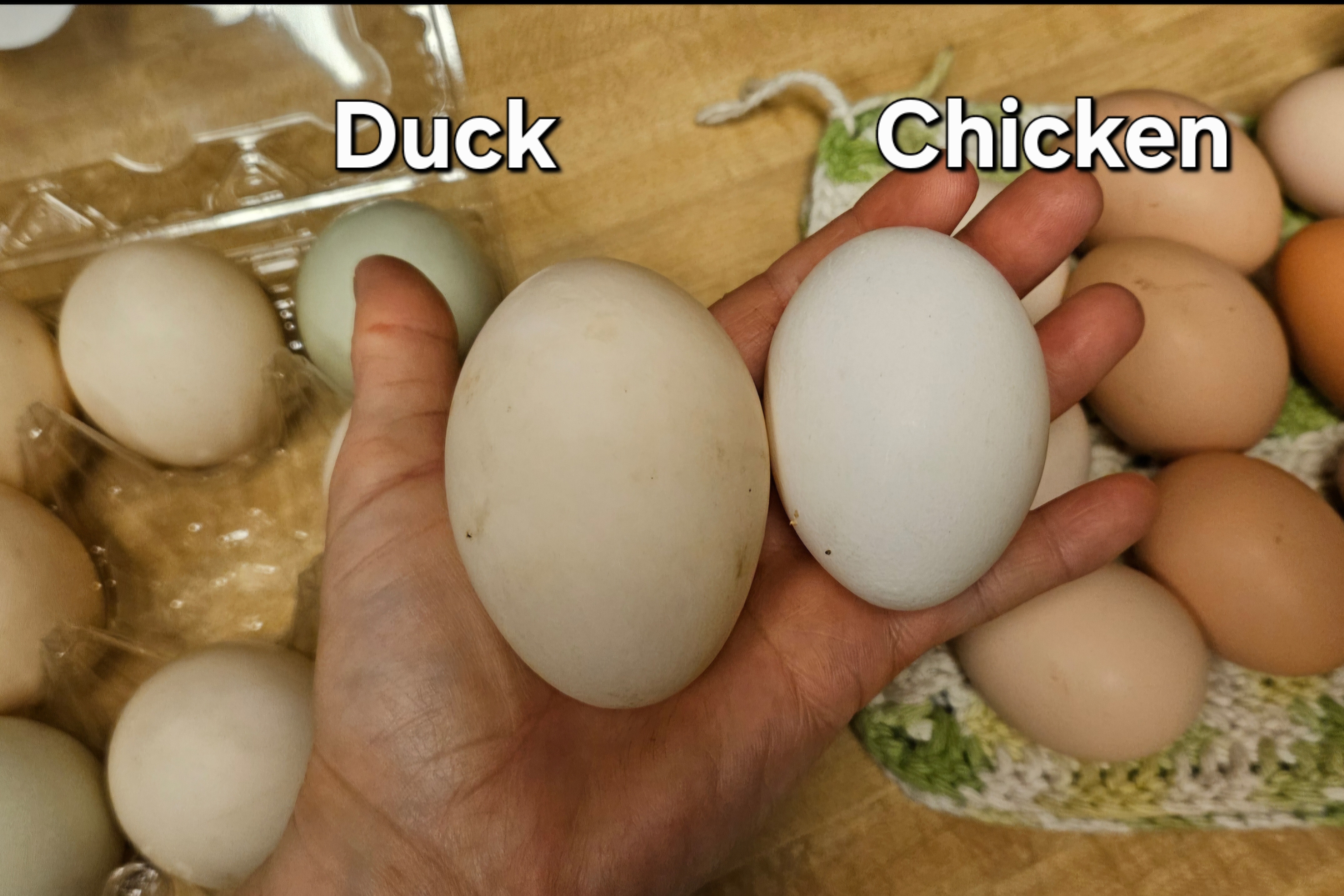

When it comes to choosing between duck and chicken eggs, both options might catch your eye during your next trip to the local market or while tending to your poultry on the homestead. These eggs may appear quite similar at first glance, but they offer distinct nutritional benefits, flavors, and culinary uses that set them apart. Duck eggs, for instance, are often richer and creamier than chicken eggs, making them a favorite among bakers and gourmet cooks alike. As you weigh the pros and cons of each type, it’s important to consider how these differences might align with your cooking needs and taste preferences. Understanding the unique qualities of duck eggs can help you make the best choice for your kitchen and lifestyle.
Nutritional Content
Higher Protein Content: Duck eggs contain more protein than chicken eggs, making them an excellent choice for those looking to increase their protein intake.
More Omega-3s: Duck eggs are rich in omega-3 fatty acids, which support brain health and reduce inflammation.
–Higher Vitamin and Mineral Levels: Duck eggs have more vitamins (A, D, B12) and minerals like iron and selenium compared to chicken eggs.
Calories and Fat: Duck eggs are larger and have a higher fat content, which provides more energy but might not be suitable for those on low-fat diets.
Flavor and Taste
Duck eggs have a richer, creamier flavor compared to chicken eggs.
– The yolks are larger and have a more vibrant orange color, often described as “buttery.”
– Many bakers prefer duck eggs for their richer taste and ability to enhance baked goods’ texture and flavor.
Baking Benefits
Duck eggs are a favorite among bakers and chefs.
Better Structure: The higher protein content helps create fluffier cakes, stronger meringues, and denser, more moist baked goods.
Richer Texture: Duck eggs contribute to a creamier texture in custards, quiches, and other recipes.

Longer Shelf Life
Duck eggs have thicker shells than chicken eggs, which:
– Makes them more durable and less likely to crack.
– Helps them stay fresher for longer, especially when stored properly
Allergen Alternative
Some people with chicken egg allergies find that they can tolerate duck eggs. While they’re not suitable for everyone, this can be a great alternative for those who miss eating eggs.

More Sustainable for Small Homesteads
Ducks are hardy, low-maintenance animals that:
– Lay eggs consistently, even in colder weather.
– Thrive in a variety of environments, including wetlands or small homesteads.
– Are great pest controllers, eating slugs, snails, and insects.
Their eggs can provide a reliable source of nutrition year-round.
Richer in Healthy Fats
Duck eggs contain more healthy fats, including monounsaturated and polyunsaturated fats. These fats are important for heart health and maintaining healthy skin and hair.
Larger Size
Duck eggs are larger than chicken eggs, which means:
– You get more egg per shell.
– Fewer eggs are needed for recipes or meals, making them more efficient in the kitchen.
Downsides to Consider
While duck eggs offer many benefits, they may not be for everyone:
Cost: Duck eggs tend to be more expensive than chicken eggs due to lower supply.
Taste: The richer flavor might not appeal to everyone, especially if you prefer the lighter taste of chicken eggs.
Fat and Cholesterol: The higher fat and cholesterol levels may not suit individuals with specific dietary restrictions.
Smell: The aroma of duck eggs can resemble that of cooked fish, depending on the cooking method. This scent is attributed to their rich omega-3 fatty acid content, which is similar to that found in fish.


Which Should You Choose?
Choosing between duck eggs and chicken eggs is a matter of personal taste, nutritional needs, and usage. For those in search of superior flavor, richer nutrition, or exceptional baking outcomes, duck eggs are an excellent option. Conversely, if a gentler flavor profile or specific dietary considerations are your priorities, chicken eggs remain a wonderful selection. For homesteaders, the decision to raise both ducks and chickens can yield a multifaceted experience—offering delicious eggs, natural pest control, and an array of dietary choices!
Both duck and chicken eggs present an abundance of nutritional benefits and culinary versatility. Including a mix of these eggs in your dishes can bring an exciting variety of flavors and textures into your kitchen and home. Embracing the distinct characteristics of each type enriches your meals and broadens your cooking skills, enhancing the joy and diversity at your dining table. Whether you savor the robust taste of duck eggs or the subtler flavor of chicken eggs, having both available unlocks endless culinary adventures. Personally, I find duck eggs to be delightful! Have you had a chance to try duck eggs? I’d love to hear your thoughts in the comments!
Leave a Reply