Tag: benefits

  • DIY Herbal Remedies: Natural Healing for a Healthier You

    DIY Herbal Remedies: Natural Healing for a Healthier You

    In an age where convenience often trumps health, many people have turned to herbal remedies for their natural healing properties. For centuries, herbal remedies have been at the heart of traditional medicine systems around the world, providing relief from common ailments and promoting overall wellness. But in modern times, many of these natural practices have been overshadowed by store-bought, chemically laden products.

    This guide explores the timeless power of herbal remedies, why they’re better for your health than many conventional, store-bought options, and how to incorporate them into your daily life safely and effectively.

    A Brief History of Herbal Remedies: Nature’s Medicine Cabinet

    Herbal remedies have been used by ancient civilizations for thousands of years, with records dating back to the Sumerians, Egyptians, and Chinese, and even the indigenous peoples in the Americas. The healing properties of herbs were initially discovered through observation—early humans noticed that certain plants alleviated symptoms such as pain, inflammation, or infections.

    For example, the ancient Egyptians used aloe vera for its soothing properties and peppermint for digestive issues. Or like how the use of willow bark for pain relief eventually led to the development of aspirin in modern medicine.

    In the Western world, the use of herbs was our primary medicine until the 19th century, when the rise of synthetic drugs began. The 20th century brought about an increasing reliance on pharmaceuticals and over-the-counter products, largely due to mass production capabilities and a booming pharmaceutical industry.

    Unfortunately, as we moved further away from nature and toward synthetic products, the knowledge of herbal medicine began to fade. The convenience of modern medicine, which is often highly processed and chemical-laden, led to a disconnect between people and the healing power of plants.

    Now, as we become more aware of the harmful effects of synthetic ingredients in many store-bought health products, there has been a resurgence in interest in herbal remedies. People are returning to the roots of natural healing, seeking holistic options that don’t come with the side effects and long-term risks associated with many commercial medicines.

    Why Herbal Remedies Are Better Than Store-Bought Alternatives

    Fewer Side Effects: One of the major advantages of herbal remedies over synthetic drugs is that they tend to have fewer and less severe side effects. Pharmaceuticals often come with a laundry list of potential side effects, including nausea, dizziness, and long-term organ damage. In contrast, most herbs are gentle on the body, with a wide array of beneficial compounds that promote healing without harsh effects.

    Natural & Pure: When you use herbal remedies, you know exactly what you’re getting. Many store-bought health products contain artificial colors, preservatives, additives, and synthetic chemicals. These ingredients are designed to prolong shelf life, enhance flavor, or improve appearance, but they often come with negative health implications in the long run. Herbal remedies, on the other hand, are pure and unadulterated, giving you the full benefit of nature’s healing properties.

    Sustainability: Herbal remedies are sustainable and environmentally friendly. Many herbs can be grown in your own garden, reducing the need for large-scale industrial production. Plus, unlike pharmaceuticals, herbs don’t rely on synthetic processes or the depletion of natural resources. This makes them a much more eco-friendly option for people who are mindful of their environmental impact.

    Holistic Healing: Herbal remedies focus on treating the root cause of an issue rather than just masking the symptoms. Most pharmaceutical drugs only address symptoms, which can lead to a cycle of taking more and more medication to manage the same condition. Herbal remedies aim to restore balance to the body, promote overall wellness and work with your body’s natural processes.

    Affordable & Accessible: Herbal remedies are typically much more affordable than many over-the-counter medications or prescription drugs, especially since many herbs can be grown in your own backyard. In addition, herbs have been used for centuries by people in all parts of the world, making them highly accessible and often readily available at local health food stores.

    Simple Herbal Remedies You Can Make at Home

    Now that we understand the benefits of herbal remedies, let’s dive into some simple herbs and learn how you can use them at home.

    Common Herbs & Their Benefits

    • Chamomile
      • Benefits: Known for its calming effects, chamomile is perfect for promoting relaxation, better sleep, and easing digestive issues.
      • Uses:
        • Tea: Steep 1-2 teaspoons of dried chamomile flowers in hot water for 5-10 minutes. Drink before bed to unwind.
        • Compress: Brew strong chamomile tea, soak a cloth, and apply it to skin irritation or inflammation.
    • Peppermint
      • Benefits: Peppermint aids in digestion, relieves headaches, and has cooling properties.
      • Uses:
        • Tea: Steep fresh or dried peppermint leaves in hot water for a refreshing digestive aid.
        • Oil: Dilute peppermint oil with a carrier oil (like coconut oil) and apply to temples for headache relief.
    • Lavender
      • Benefits: Lavender is well known for its ability to reduce anxiety, promote relaxation, and heal skin irritation.
      • Uses:
        • Bath: Add a few drops of lavender essential oil to your bath.
        • Pillow Spray: Mix 10 drops of lavender oil with water in a spray bottle and spritz on your pillow before bedtime for restful sleep.
    • Echinacea
      • Benefits: Echinacea is known for boosting the immune system and helping to fight off colds and flu.
      • Uses:
        • Tea: Steep echinacea root or dried flowers in hot water for 10-15 minutes to support your immune system.
        • Tincture: Use 1-2 dropperfuls of echinacea tincture in water to boost immunity.
    • Ginger
      • Benefits: Ginger has anti-inflammatory properties, aids digestion, and helps relieve nausea.
      • Uses:
        • Tea: Slice fresh ginger and steep in boiling water for 10 minutes for a soothing digestive drink.
        • Compress: Boil ginger in water, then cool and soak a cloth to apply to sore muscles.
    • Turmeric
      • Benefits: Turmeric is known for its anti-inflammatory and antioxidant properties, making it great for joint health and overall wellness.
      • Uses:
        • Tea: Boil turmeric root or powder with black pepper and water for 10-15 minutes to create an anti-inflammatory tonic.
        • Paste: Mix turmeric powder with water or coconut oil to create a paste and apply to inflamed areas for pain relief.
    • Rosemary
      • Benefits: Rosemary is great for memory enhancement, stimulating circulation, and relieving muscle pain.
      • Uses:
        • Tea: Steep 1-2 teaspoons of dried rosemary leaves in hot water for 5-10 minutes. It’s perfect for mental clarity and focus.
        • Oil: Dilute rosemary essential oil with a carrier oil and massage it into the scalp to improve circulation and promote hair growth.
    • Thyme
      • Benefits: Thyme has antiseptic properties, relieves coughs, and boosts immunity.
      • Uses:
        • Tea: Steep 1-2 teaspoons of fresh or dried thyme leaves in hot water for 5-10 minutes to soothe coughs and respiratory issues.
        • Infusion: Make an infusion by adding thyme leaves to boiling water, and use the steam to help clear nasal congestion.
    • Lemon Balm
      • Benefits: Lemon balm is known for its calming effects, helping to reduce stress and improve digestion.
      • Uses:
        • Tea: Steep 1-2 teaspoons of lemon balm leaves in hot water for 5-10 minutes. Drink to relieve stress and promote relaxation.
        • Compress: Brew a strong tea and soak a cloth in it. Apply it to the forehead or temples to relieve tension and headaches.

    Safety Precautions When Using Herbal Remedies

    While herbal remedies can be incredibly beneficial, they must be used with care to ensure safety and effectiveness. Here are a few important safety guidelines:

    Know Your Herbs: Always do thorough research before using any herb. Some herbs can interact negatively with medications or cause allergic reactions, especially if you have sensitivities or underlying health conditions. Additionally, pregnant or breastfeeding women should be cautious and consult a healthcare provider before using herbal remedies.

    Start Small: It’s important to begin with small doses when trying a new herb. Even natural products can cause allergic reactions in some people. Start with small amounts and gradually increase as you gauge your body’s response.

    Consult an Herbalist or Healthcare Professional: While herbal remedies are generally safe, it’s always a good idea to consult with an herbalist, naturopath, or a healthcare provider, especially if you’re new to herbal medicine. A professional can help guide you in choosing the right herbs and doses, particularly if you’re managing a specific health condition.

    Quality Matters: Ensure that the herbs you’re using are sourced from reputable suppliers, especially if you’re purchasing pre-made products like tinctures or essential oils. Low-quality herbs can be ineffective or even harmful due to contaminants or improper handling. When possible, grow your own herbs or buy organic to ensure purity.

    Be Cautious with Children: Some herbs, while safe for adults, may not be suitable for children or infants. Always check the safety guidelines for the herb you plan to use and, when in doubt, consult a healthcare professional.

    Conclusion: Embrace the Healing Power of Herbs

    Herbal remedies offer a powerful, natural alternative to conventional medicines. By returning to these ancient practices, we can tap into the healing potential of nature, which has been providing us with effective treatments for centuries. Herbal remedies are not only better for your body—they’re also better for the environment, more affordable, and provide a holistic approach to wellness.

    As we embrace these ancient traditions, it’s important to do so responsibly and with knowledge. Start with small steps, research your herbs, and consult professionals when needed to make sure you’re using them safely. By integrating herbal remedies into your daily routine, you’ll be nurturing your body, mind, and soul with the healing power of nature.

    Here is a free downloadable/printable quick guide-Enjoy!

  • The Concept of Living a Very Long Life: A Journey of Loss, Growth, and Resilience

    The Concept of Living a Very Long Life: A Journey of Loss, Growth, and Resilience

    Daily writing prompt
    What are your thoughts on the concept of living a very long life?

    As human beings, we often dream of living a long life—one filled with health, happiness, and the potential to experience all that the world has to offer. But, what does it truly mean to live such a life, and how do we navigate the challenges that come with extended years? Living a long life, while a blessing in many ways, is also a profound journey that requires a strong sense of self, resilience, and an ability to embrace both the joys and losses that come with the passage of time.

    The Promise and Burden of Longevity

    The idea of a long, healthy life is appealing, but it comes with the understanding that as we age, we inevitably witness the loss of loved ones, friends, and possibly even our own sense of familiarity with the world around us. Living through such profound changes means learning to face loss repeatedly, a process that can be emotionally and mentally taxing. 

    We often think of aging in terms of physical decline or the fear of missing out on experiences. However, the real emotional challenge lies in the mental and psychological effects of outliving many people close to us. There is a certain weight to witnessing the passage of time, where memories fade, loved ones pass, and the world around us seems to change in ways we struggle to adapt to. To live a long life, you would need to have a mind that is not only resilient but also flexible enough to continue finding joy, meaning, and purpose even as the landscape of life shifts.

    Sand passing through an hour glass

    The Power of a Sound Mind

    One of the key aspects of living a long life with grace is the ability to cultivate and maintain a sound mind. It’s not just about physical health but about mental and emotional resilience. How does one continue to find meaning in life when many people who once shaped our world are no longer there? How do we preserve our identity and sense of self when the world around us is constantly evolving?

    This is where having a strong sense of who you are becomes paramount. Those who live long lives must be individuals who continually redefine their purpose. Whether it’s through nurturing new relationships, exploring new ideas, or diving deeper into personal passions, it’s crucial to continue discovering and rediscovering what brings joy and fulfillment.

    It’s important to understand that a long life isn’t about clinging to the past or fearing the future. Rather, it’s about embracing the present moment while understanding and accepting the inevitable changes that come with time. Finding peace within yourself and your life, no matter how long it lasts, means accepting that loss will be a part of the journey.

    Living Within Nature

    Perhaps one of the most profound ways to live a long, healthy life is to connect with nature. Nature offers us a steady rhythm that can be grounding in moments of turbulence. There is wisdom in recognizing that we, too, are a part of the natural world—born, evolving, and eventually fading back into it. By aligning ourselves with nature’s cycles, we can learn to accept the ebb and flow of life with greater ease.

    Living within nature means understanding your place in the grand tapestry of life. It means recognizing that you are both a product of the earth and a fleeting presence in its vast history. It allows for perspective, a reminder that our individual lives are just one small chapter in a much larger story, and in this understanding, we find peace.

    An elderly woman leaning against a tree. Living within nature and understanding our place with it.

    The Role of Resilience

    Living a long life is undoubtedly about resilience. It’s not about avoiding loss or hardship but learning how to cope with it when it comes. Resilience is what allows us to continue finding our way after experiencing deep sorrow or facing the reality of our own mortality. It’s the inner strength to keep moving forward, even when the path ahead seems unclear. 

    For those who have lived long lives and endured many losses, resilience often manifests in an unshakable sense of purpose. It is found in the small things—like tending to a garden, watching the sunset, or helping a younger generation find their way in the world. These acts of continuity help to solidify our place in time, reaffirming that while we may lose people and things, we can still shape the world around us in meaningful ways.

    Finding peace in the little things, like watching the sunrise

    Conclusion: A Life Well Lived

    In the end, the concept of living a very long life is about much more than just the number of years. It’s about living a life that is rich with experience, connection, and purpose. It’s about knowing that loss will be part of the journey, but not allowing it to define us. Through a sound mind, resilience, and a deep understanding of our place within nature, we can live a long life not just in terms of years but in depth and meaning.

    A long life is an opportunity—not just to experience the world more fully, but to leave behind a legacy of wisdom, growth, and grace that can inspire those who come after us.

  • Duck Eggs vs Chicken Eggs: Key Differences Explained

    Duck Eggs vs Chicken Eggs: Key Differences Explained

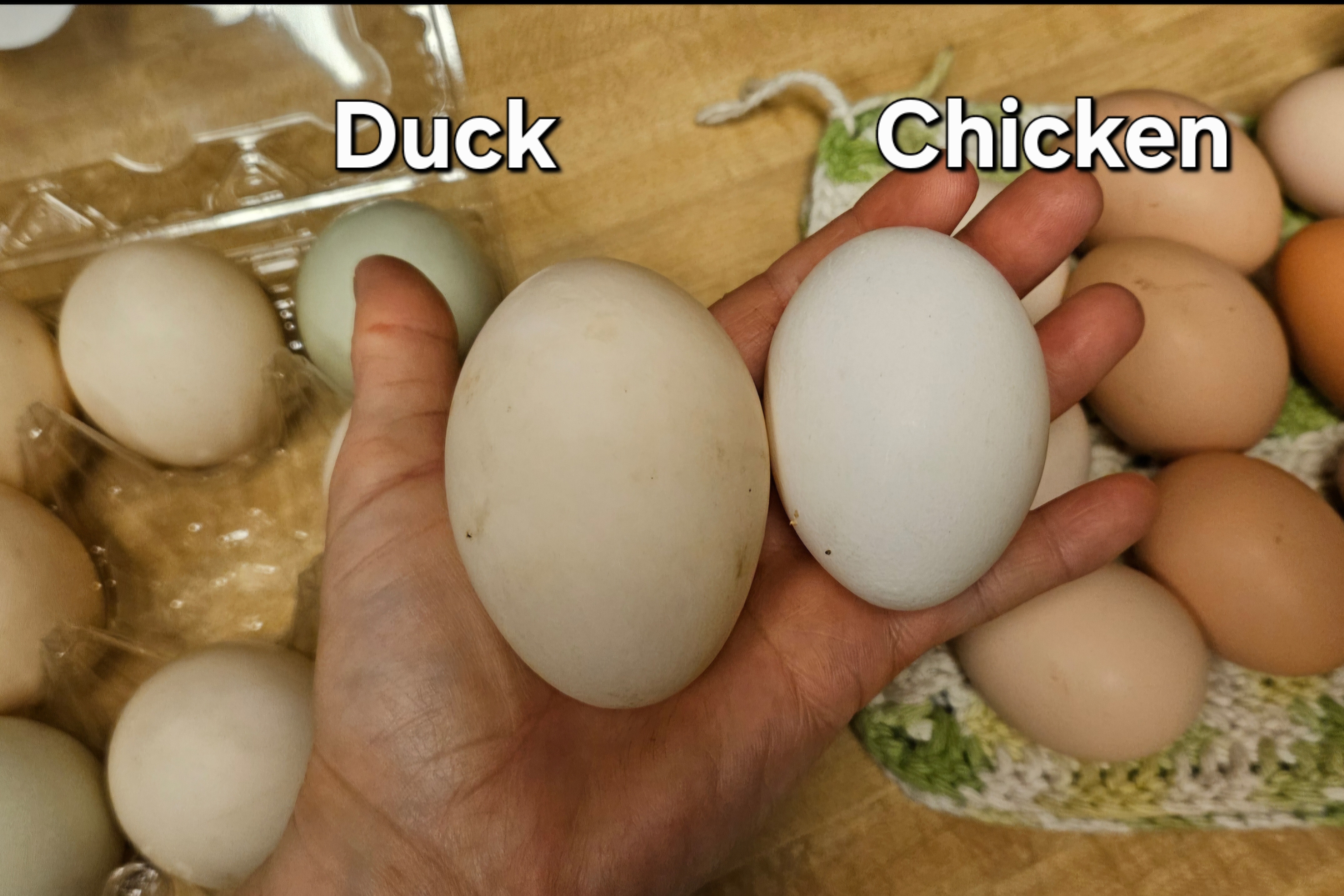
    Duck egg and Chicken egg side by side

    When it comes to choosing between duck and chicken eggs, both options might catch your eye during your next trip to the local market or while tending to your poultry on the homestead. These eggs may appear quite similar at first glance, but they offer distinct nutritional benefits, flavors, and culinary uses that set them apart. Duck eggs, for instance, are often richer and creamier than chicken eggs, making them a favorite among bakers and gourmet cooks alike. As you weigh the pros and cons of each type, it’s important to consider how these differences might align with your cooking needs and taste preferences. Understanding the unique qualities of duck eggs can help you make the best choice for your kitchen and lifestyle.

    Nutritional Content

    Higher Protein Content: Duck eggs contain more protein than chicken eggs, making them an excellent choice for those looking to increase their protein intake.  

    More Omega-3s: Duck eggs are rich in omega-3 fatty acids, which support brain health and reduce inflammation.  

    Higher Vitamin and Mineral Levels: Duck eggs have more vitamins (A, D, B12) and minerals like iron and selenium compared to chicken eggs.  

    Calories and Fat: Duck eggs are larger and have a higher fat content, which provides more energy but might not be suitable for those on low-fat diets.  

    Flavor and Taste

    Duck eggs have a richer, creamier flavor compared to chicken eggs.  

    – The yolks are larger and have a more vibrant orange color, often described as “buttery.”  

    – Many bakers prefer duck eggs for their richer taste and ability to enhance baked goods’ texture and flavor. 

    Baking Benefits

    Duck eggs are a favorite among bakers and chefs.  

    Better Structure: The higher protein content helps create fluffier cakes, stronger meringues, and denser, more moist baked goods.  

    Richer Texture: Duck eggs contribute to a creamier texture in custards, quiches, and other recipes. 

    A dozen duck eggs

    Longer Shelf Life

    Duck eggs have thicker shells than chicken eggs, which:  

    – Makes them more durable and less likely to crack.  

    – Helps them stay fresher for longer, especially when stored properly

    Allergen Alternative

    Some people with chicken egg allergies find that they can tolerate duck eggs. While they’re not suitable for everyone, this can be a great alternative for those who miss eating eggs.

    More Sustainable for Small Homesteads

    Ducks are hardy, low-maintenance animals that:  

    – Lay eggs consistently, even in colder weather.  

    – Thrive in a variety of environments, including wetlands or small homesteads.  

    – Are great pest controllers, eating slugs, snails, and insects.  

    Their eggs can provide a reliable source of nutrition year-round.  

    Richer in Healthy Fats

    Duck eggs contain more healthy fats, including monounsaturated and polyunsaturated fats. These fats are important for heart health and maintaining healthy skin and hair. 

    Larger Size

    Duck eggs are larger than chicken eggs, which means:  

    – You get more egg per shell.  

    – Fewer eggs are needed for recipes or meals, making them more efficient in the kitchen.  

    Downsides to Consider

    While duck eggs offer many benefits, they may not be for everyone:  

    Cost: Duck eggs tend to be more expensive than chicken eggs due to lower supply.  

    Taste: The richer flavor might not appeal to everyone, especially if you prefer the lighter taste of chicken eggs.  

    Fat and Cholesterol: The higher fat and cholesterol levels may not suit individuals with specific dietary restrictions.

    Smell: The aroma of duck eggs can resemble that of cooked fish, depending on the cooking method. This scent is attributed to their rich omega-3 fatty acid content, which is similar to that found in fish.

    Which Should You Choose?

    Choosing between duck eggs and chicken eggs is a matter of personal taste, nutritional needs, and usage. For those in search of superior flavor, richer nutrition, or exceptional baking outcomes, duck eggs are an excellent option. Conversely, if a gentler flavor profile or specific dietary considerations are your priorities, chicken eggs remain a wonderful selection. For homesteaders, the decision to raise both ducks and chickens can yield a multifaceted experience—offering delicious eggs, natural pest control, and an array of dietary choices!


    Both duck and chicken eggs present an abundance of nutritional benefits and culinary versatility. Including a mix of these eggs in your dishes can bring an exciting variety of flavors and textures into your kitchen and home. Embracing the distinct characteristics of each type enriches your meals and broadens your cooking skills, enhancing the joy and diversity at your dining table. Whether you savor the robust taste of duck eggs or the subtler flavor of chicken eggs, having both available unlocks endless culinary adventures. Personally, I find duck eggs to be delightful! Have you had a chance to try duck eggs? I’d love to hear your thoughts in the comments!

  • Is Meal Prepping Worth It?

    Is meal prepping truly worth it? In our busy lives, balancing work, family commitments, social activities, and personal aspirations often leaves little room for maintaining a nutritious diet. After a long day, the temptation to stop at a fast-food restaurant can be hard to resist.


    Yet, an effective strategy exists that can transform your approach to cooking: meal prepping. This method not only helps you save valuable time but also alleviates stress, while ensuring that you’re consistently enjoying wholesome, home-cooked meals. This article will guide you through the essentials of meal prepping and illustrate how it can revolutionize your week. Furthermore, we’ll explore whether it’s the right choice for you and your household.

    Understanding Meal-Prepping; What exactly is it?

    Preparing meals in advance, known as meal prepping, enables individuals to save time and reduce stress during busy weeknights. This method involves several steps, including planning menus, shopping for ingredients, cooking dishes, and properly storing the finished meals. By organizing your culinary tasks ahead of time, you can streamline your eating habits, allowing for the enjoyment of wholesome, home-cooked dishes every day without the pressure of fitting cooking into a packed schedule. With this strategy, mealtime becomes a stress-free experience, fostering a healthier lifestyle and better time management.

    What are the Benefits of Meal Prepping?

    Time Efficiency: Cooking can be time-consuming, but by dedicating a few hours once a week to meal prep, you can create enough dishes to last through the days ahead. This strategy minimizes kitchen visits and cuts down on cleaning efforts significantly.


    Portion Management: Meal prepping empowers you to manage your serving sizes effectively, facilitating adherence to healthy dietary habits and helping with calorie control.


    Nutritional Convenience: With some forethought, preparing your meals in advance guarantees that wholesome options are readily available, decreasing the likelihood of turning to fast food or unhealthy snacks.


    Cost Savings: Planning your meals and purchasing ingredients in larger quantities can lead to considerable financial savings when compared to frequent takeout or restaurant dining.


    Minimized Food Waste: By outlining your meals ahead of time, you can avoid overbuying and ensure that food doesn’t end up discarded, thus contributing to a more sustainable approach to eating.

    The Downsides to Meal-Prepping

    Significant time commitment: Engaging in meal prepping often demands a substantial investment of time at the outset. From brainstorming meal ideas to grocery shopping and actual cooking, you can easily spend several hours readying yourself for the week ahead. For those with limited time, this undertaking can appear daunting.


    Monotony of meals: A frequent concern surrounding meal prepping is the uniformity it brings. Consuming the same dishes multiple times each week can become tiresome, leading to what’s often referred to as “food fatigue.” This boredom might push you to seek takeout alternatives instead of sticking to your meal plan.


    Storage limitations: Efficient meal prepping requires adequate storage space in your refrigerator and kitchen. If your fridge is on the smaller side, finding room for numerous prepped meals can be challenging. Furthermore, the expenses associated with buying reusable containers can accumulate, and the tasks of cleaning and labeling them may begin to feel burdensome.


    Food safety issues: With meal prepping, some dishes inevitably remain in your refrigerator for several days. Improper storage and handling can heighten the risk of foodborne illnesses. Additionally, some individuals simply prefer not to eat leftovers, which can render meal prepping an impractical choice for them.


    Decreased spontaneity: Committing to meal prepping establishes a fixed schedule, which can pose inconveniences if your plans change or if you crave something different. This lack of flexibility makes it difficult to adapt to unexpected social engagements or sudden cravings.

    Weighing the benefits of meal prepping: Is it truly worthwhile?

    Is meal prepping worth it? The answer largely depends on your individual lifestyle and preferences. For many people, meal prepping can significantly improve daily routines. It saves time throughout the week, alleviates mealtime stress, and fosters healthier eating habits by making it easier to avoid quick, unhealthy choices. However, if you thrive on flexibility and derive joy from cooking creatively, adhering to a strict meal prep schedule might feel burdensome rather than advantageous. Ultimately, assessing whether meal prepping suits your lifestyle requires reflection on your preferences and needs. For numerous individuals, this approach leads to more deliberate eating habits and a sense of calm during busy days.


    Do you engage in meal prepping? Share your thoughts below, and if you’re considering diving into this practice, check out this article for guidance on getting started.

  • Why I meal Prep: Benefits, Tips, and How to get Started Today

    In our fast-paced world, it feels like there’s never enough time to do everything. Between work, family, and social commitments, cooking a healthy meal often falls to the wayside. That’s where meal prepping comes to the rescue. Not only can it save you time, money, and effort, but it can also help you maintain a healthy lifestyle. If you’re curious about the every-growing trend of meal prepping, this article will explore its benefits, provide practical tips, and offer a comprehensive guide on how to get started.

    What is Meal Prep?

    Meal prepping is the process of preparing meals and snacks in advance. This can include everything from cooking a week’s worth of dinners on a Sunday to simply chopping up vegetables for easy access throughout the week. The idea is to streamline your cooking and eating process, making it easier to adhere to a healthy diet and avoid the drive-thru.

    Benefits of Meal Prepping

    Time-Saver: One of the most significant advantages of meal prep is the time it saves. When you dedicate a few hours once a week to cook, you eliminate the daily struggle of deciding what to have for dinner. Imagine walking into your kitchen after a long day and knowing exactly what you’re going to eat. No more last-minute trips to the grocery store or takeout runs!
    Healthier Choices: Another key benefit of meal prepping is that it encourages healthier eating habits. When you have pre-portioned meals ready to go, you’re less likely to succumb to the temptation of junk food or fast food options. You can plan your meals to ensure they include plenty of fruits, vegetables, healthy fats, and lean proteins, all of which contribute to better nutrition.
    Cost Effective: Meal prepping can also help you save money. When you buy ingredients in bulk, you reduce the overall cost per meal. Plus, with meals ready to go, you’re less likely to waste food. That leftover kale or those extra chicken breasts won’t sit in your fridge until they spoil; they’ll be turned into nourishing meals instead.
    Portion Control: Prepping meals in advance allows you to control your portion sizes. This is particularly beneficial for those trying to maintain or lose weight. By measuring out servings, you can adhere to your dietary goals more effectively.
    Reduced Stress: A well-planned meal prep routine can reduce the mental load of daily cooking decisions. Knowing you have healthy, delicious meals at your fingertips takes a lot of pressure off, creating a sense of ease as you navigate your busy week.
    Variety and Creativity: Contrary to the belief that meal prep leads to monotony, if done right, it can actually be quite varied and fun! With a little creativity, you can try new recipes and ingredients each week. Switching it up is easy when you plan your meals in advance.

    Why it works for me

    Engaging in meal prep has become essential for me and my lifestyle as it ensures I remain on track with my nutritional objectives. By preparing my lunches in advance for work, I effectively navigate the challenge of a limited 30-minute lunch break. Finding meals that are both fulfilling and quick to consume during this timeframe can be daunting, and the daily decision-making about what to eat often heightens my anxiety. With a meal plan in place, all it takes is retrieving a container from the fridge or warming it up.


    Too keep the family involved, I enjoy planning dinners ahead of time. This helps me anticipate what my kids will be having. Given that I usually arrive home between 6:30-7 at night, the thought of spending an hour in the kitchen to whip up a nutritious meal is less than appealing. Meal prepping not only saves me precious time but also supports my commitment to a healthy lifestyle for my family and I. It alleviates the stress of figuring out dinner every single night since I plan it ahead, allowing me to focus on spending quality time with my family each night instead.

    Tips for Successful Meal Prepping

    Now that you’re hooked on the idea of meal prepping, let’s dive into some tips that will ensure you set yourself up for success.


    Start Small: If you’re new to meal prepping, start with just a few meals for the week. You don’t need to prepare every breakfast, lunch, and dinner at once. Begin with one or two meals to see how it fits into your lifestyle before scaling up.
    Plan Your Menu: Take some time to brainstorm the meals you would like to prepare for the week. Think about ingredients you enjoy, dishes you’ve been wanting to try, or any dietary restrictions you need to consider. Planning helps ensure you won’t be left with an unappetizing mix of leftovers come Thursday.
    Create a Shopping List: Once you’ve decided on your meals, create a shopping list to make your grocery store trip efficient. Stick to your list to avoid impulse buys, which can derail your meal prep plans.
    Choose the Right Containers: Invest in high-quality meal prep containers. Clear, BPA-free plastic or glass containers with tight-sealing lids are ideal for keeping your meals fresh. Consider getting various sizes so you can portion out snacks, salads, and full meals.
    Batch Cook: Cooking in batches is a staple of meal prep. Choose a couple of staple proteins (like chicken, beans, or burger and cook them in large quantities so that you can distribute them across several meals throughout the week.
    Focus on Versatility: Choose ingredients that can be used in multiple dishes. For example, steamed broccoli can be a side one night for dinner, added to stir-fry or included in a salad. Versatile ingredients allow for creativity and reduce the feeling of eating the same thing every day.
    Don’t Forget Snacks: Meal prep isn’t just for main meals. Consider prepping healthy snacks you can grab on the go, like cut-up veggies with hummus, protein box(boiled eggs, cheese & cut meat) or homemade yogurt parfaits. This is especially important for busy days when you might be tempted to reach for unhealthy snacks.
    Use a Freezer: Don’t forget about your freezer! Freezing meals or components allows you to extend their shelf life and gives you a backup plan for busy nights. Soups, stews, and casseroles freeze particularly well and can serve as a lifesaver.
    Label Everything: Use labels for your containers to track what’s inside and when it was made. This not only keeps things organized but also helps you consume food before it spoils. Plus, it saves you from playing the guessing game of what’s in your fridge at dinnertime.
    Be Flexible: If plans change, or you find you’ve made too much food, that’s okay! Meal prepping isn’t an exact science. Be adaptable and adjust your plans as needed. The goal is to make your life easier, not to complicate it.


    How to Get Started Today


    Ready to dive into meal prepping? Here’s a step-by-step guide to help you get started right away.


    Step 1: Dedicate a Day
    Choose one day a week that suits you for your meal prep. Weekends are typically popular choices since you might have more time. Set a specific time likely after you’ve gone grocery shopping. Planning a meal prep day gives you something to look forward to in your week.
    Step 2: Gather Your Supplies
    Make sure you have everything you need. This includes containers, utensils, cutting boards, and even a few favorite recipes. Set up your space efficiently; a clean kitchen makes the process smoother and more enjoyable.
    Step 3: Plan Your Menu and Shop
    Carve out some time to plan. Use a notepad or digital note-taking app to jot down your meal ideas. After that, create your shopping list based on your menu and head to the grocery store. Stick to your list to keep choices streamlined.
    Step 4: Cook Smart
    On designated meal prep day, try to cook efficiently. Start with ingredients that take the longest to cook (like grains or proteins) and work your way down to quick-cooking items (like steamed vegetables). Utilize multiple cooking methods (stovetop, oven, slow cooker) to maximize time. Multi-tasking is key – while one batch is in the oven, you can prep side dishes or snacks.
    Step 5: Portion and Store
    As you finish cooking, portion out each meal into your containers, making sure to balance protein, carbs, and vegetables for a well-rounded meal. Once everything is prepped and packed away, label your containers with the meal name and date.
    Step 6: Refrigerate or Freeze
    Store your meals based on when you plan to eat them. Meals for the first few days can go into the fridge, while extras can be frozen for later use. Try to consume refrigerated meals within about four days for freshness.
    Step 7: Enjoy Throughout the Week
    Throughout the week, enjoy the benefits of your meal prep! Simply grab a meal or snack when you’re hungry, heat it up, and dig in. Appreciating your hard work will reinforce the value of this practice.
    Step 8: Reflect and Adjust
    At the end of the week, take a second to reflect on what worked and what didn’t. Did you enjoy the meals you prepped? Were there any ingredients you discarded? Use this chance to make your next prep even more efficient and enjoyable.

    Common Missteps & How to Avoid Them

    While meal prepping sounds perfect in theory, there are common challenges that many encounter. Here’s how to avoid them


    Boredom with Meals: This can be a dealbreaker for many. Try cooking different cuisines or using various spices to keep meals exciting. Rotate your menu every week for fresh variety.
    Over-prepping: Cooking too much can lead to a lot of uneaten meals, which negates the benefits of meal prepping. Start small and ramp up as you find that sweet spot.
    Inadequate Containers: Using flimsy containers can lead to spills and moldy food. Invest in quality containers that will preserve the freshness of your meals.
    Sticking to the Same Recipe: Find new recipes or inspiration online to keep meal prepping fresh. Experiment with seasonal ingredients to tempt your palette.

    Conclusion

    Meal prepping offers numerous benefits, from saving time and money to promoting healthier eating habits. The initial investment of time and effort can significantly enhance your week, making meals less of a hindrance and more of a joy. By planning, cooking in batches, and being organized, meal prepping can become a cherished part of your lifestyle.


    So why wait? Take the first steps today—pick a day, plan a simple menu, and get ready to enjoy the amazing rewards of meal prepping. You’ll find that with a little practice, it can transform not just your meals but your entire approach to eating. Let the meal prep journey begin!