
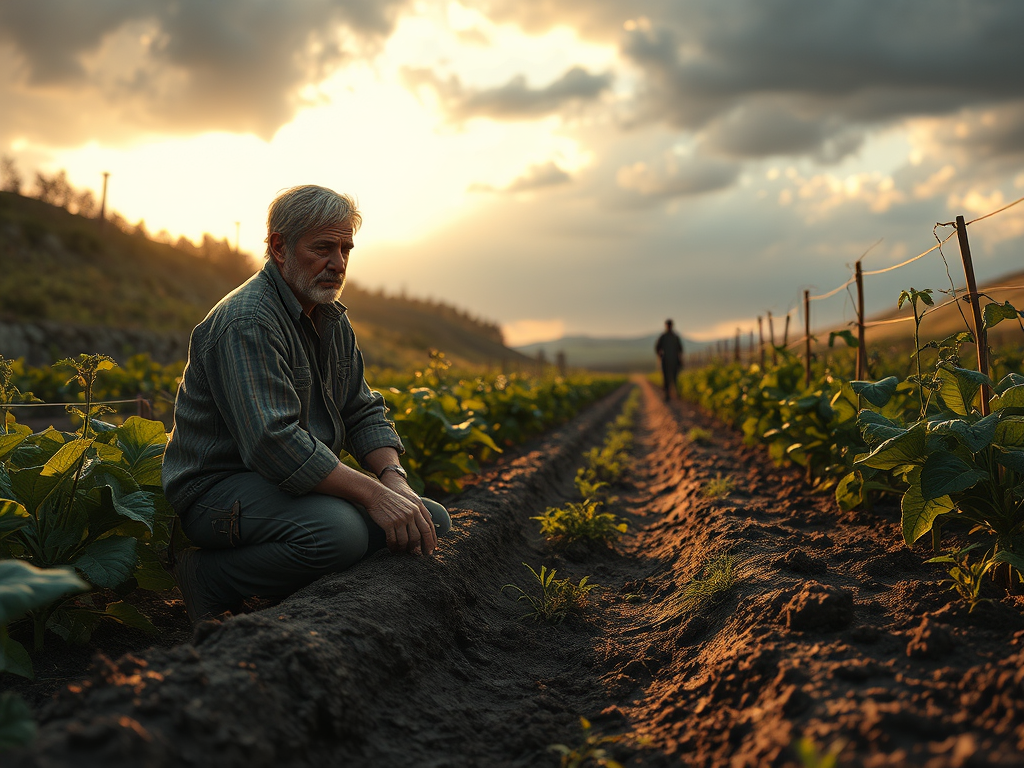
Homesteading is a lifestyle many dream of—living off the land, becoming self-sufficient, and escaping the chaos of this thing we call life. But what’s often left out of the picture is the reality that homesteading is tough. It’s a never ending journey filled with highs and lows, and sometimes the lows can feel overwhelming. Whether it’s dealing with injured animals, crop failures, losing animals, or facing unexpected costs, the struggles of homesteading can take a significant emotional toll. However, the key to surviving—and thriving—through these challenging times is resilience. In this article I’ll explore how to handle the heartbreak, misfortune, and setbacks that come with homesteading, and offer practical tips that have helped me to boost morale and to keep you pushing forward.
The Harsh Reality of Homesteading
While homesteading is undoubtedly rewarding, it’s not without its challenges. Many aspiring homesteaders are drawn to the idea of living off the land and taking control of their food sources, but they may not fully anticipate the difficulties that come with such a lifestyle.
Common struggles include:
- Financial Strain: Homesteading requires a significant investment in land, equipment, and supplies. Repair costs, unanticipated expenses, and the unpredictable nature of farming can put a strain on even the most well-prepared budgets.
- Weather and Crop Failures: The whims of nature are not always on your side. Droughts, floods, or unexpected frosts can wipe out crops, leaving you with empty fields after months of hard work.
- Losses and Setbacks: Losing animals to disease, predators, or even old age can be heartbreaking. Even after investing time, money, and love into raising them, it’s tough when things go wrong.
- Physical and Emotional Toll: The demanding nature of homesteading can quickly lead to burnout. The physical work required is often grueling, and the emotional weight of facing repeated failures can feel like too much.

Building Resilience in the Face of Adversity
One of the most essential qualities for homesteaders is resilience—the ability to bounce back from setbacks and keep moving forward. Resilience isn’t just about toughing it out; it’s about finding strength in the face of hardship, learning from mistakes, and maintaining hope even when things don’t go as planned.
Here’s some ideas to practice next time you feel defeated:
- Reframe Challenges as Opportunities: Instead of viewing setbacks as failures, try to see them as opportunities to learn. When crops fail or something breaks, ask yourself what you can do differently next time. Take it as an education opportunity. Viewing your problems or setbacks as stepping stones reminds you that you’re still on your way to mastery and that sometimes we trip but we still trip forward.
- Don’t Be Afraid to Ask for Help: Resilience doesn’t mean doing everything on your own. Sometimes the most resilient thing you can do is lean on others. Join homesteading communities online or locally, ask for advice, and share your struggles with others who understand. Having a support system can be a game-changer.
- Stay Patient and Practice Persistence: Homesteading is a long game, and results often take time. Trust the process and don’t expect overnight success. Patience, persistence, and a steady pace will help you weather the storm and remember when you hit a rough patch. That it is just that, a patch in the long scheme of your plans.

Practical Tips to Boost Morale and Stay Motivated
When the going gets tough, it’s easy to lose motivation. But staying motivated and maintaining a positive outlook is crucial for getting through the rough patches. Here are some things you can do to help keep your head up:
- Take Breaks: Homesteading can be overwhelming, and sometimes the best way to handle things when everything seems to be falling apart is to step away for a little while. Take a day off to relax, recharge, and reset your mind. Whether it’s a walk in nature, a quiet afternoon with a book, or a short trip to visit friends, allowing yourself time to decompress will make you feel more energized when you return to your work.

- Celebrate Small Wins: It’s easy to focus on what’s going wrong, but taking time to celebrate the small victories can provide a much-needed boost. Whether it’s a successful harvest, the birth of a new animal, or simply getting a fence repaired, take a moment to appreciate what you’ve accomplished. These small wins add up over time and help you maintain perspective.
- Practice Gratitude: Shifting your focus from what’s going wrong to what’s going right can have a huge impact on your mindset. Start a gratitude journal or make it a daily habit to list three things you’re thankful for. It could be the sunshine after a rainy spell, a hearty meal from your garden, or simply the peace of the land around you. Focusing on the positives can help alleviate feelings of burnout.

- Mindfulness and Self-Care: Meditation, yoga, or even just mindful breathing can help calm your mind when you’re feeling stressed. Make self-care a priority, whether it’s taking a warm bath, getting enough sleep, or setting aside time for your mental well-being. When you’re physically and emotionally rested, you’ll approach your homesteading challenges with a clearer and more positive outlook.
The Importance of Persistence and Long-Term Thinking
While short-term setbacks can be tough, it’s important to keep the bigger picture in mind. Homesteading is not about instant success or perfection—it’s about building a life over time, learning from experiences, and growing through challenges. Every hardship is an opportunity for growth, and every step forward, no matter how small, is still a step forward.
Remember, homesteading is a long-term journey. Take pride in the fact that you’re investing in a lifestyle that will pay off in the long run. Whether it’s the independence of raising your own food, the satisfaction of fixing something with your own hands, or the joy of watching your farm grow, every struggle is part of the process.

Conclusion
Homesteading is as rewarding as it is challenging. The struggles are real, and there will undoubtedly be moments when things go wrong, when the heartache feels too much, and when the weight of it all seems unbearable. But through resilience, persistence, and a mindset of learning and growth, you can push through the tough times. By taking breaks, celebrating small wins, and practicing self-care, you can boost your morale and maintain the strength needed to continue. Remember, every challenge you face is shaping you into a stronger, more capable homesteader—and that’s something to be proud of. Keep going, and trust that the rewards will come.

One of my favorite quotes when times get tough is by John C. Maxwell: “Dreams don’t work unless you do.” Aside from taking breaks, practicing gratitude and self care. This quote serves as a powerful reminder and helps redirect me when negative thoughts creep in. It reminds me that I must keep pushing forward to achieve my dreams and to get back to work.
Leave a Reply