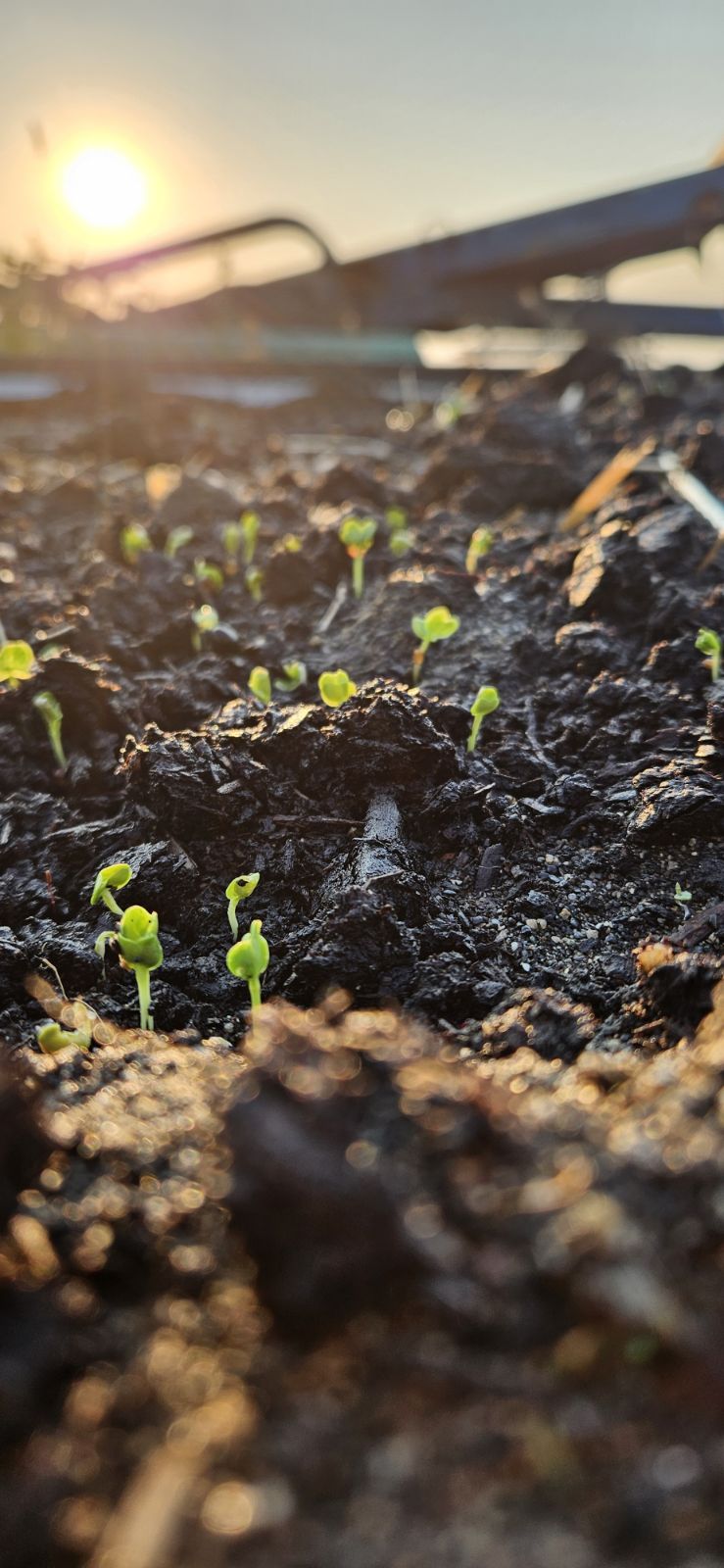
Tag: gardening

  • 5 Essential Tips for Starting a Garden: A Beginner’s Guide to Growing Your Own Food

    5 Essential Tips for Starting a Garden: A Beginner’s Guide to Growing Your Own Food

    Gardening for self-sufficiency is a rewarding and empowering way to take control of your food sources, reduce grocery bills, and reconnect with nature. Whether you’re aiming to grow a few vegetables on your balcony or transform your backyard into a mini farm, starting a garden for self-sufficiency is easier than you might think. I’ll guide you through the basics of starting out, from choosing the right crops to planning your garden layout, so you can get started with the confidence you need to succeed.

    Why Start Gardening for Self-Sufficiency?

    Before diving into the logistics of gardening, it’s important to understand the benefits that come with growing your own food:

    1. Save Money: Growing your own fruits, vegetables, and herbs can significantly reduce your grocery costs over time.

    2. Healthier Food: You’ll have direct access to fresh, organic produce free from harmful chemicals or pesticides.

    3. Environmental Impact: Growing your own food reduces the carbon footprint associated with transportation and packaging in grocery store products.

    4. Increased Food Security: By growing your own food, you are less dependent on commercial food systems, giving you more control over your nutrition.

    Do I have you convinced? Great, let’s get started.

    1. Start Small and Plan Your Garden

    If you’re just starting out with gardening, keep it simple at first! Kick things off with a few plants and get the hang of the basics – it’ll boost your confidence and give you the experience you need before going big. There’s nothing worse than feeling discouraged after your first year just because you took on too much. Planning ahead is also key to maximizing your space and picking the right plants for your area. No need to get bummed out over a plant that just wasn’t meant to grow where you are!

    Assess Your Space:

    – Backyard: If you have a yard, you may want to start with a raised bed or traditional garden plot. Raised beds are particularly helpful for beginners because they’re easier to manage, with fewer weeds and better drainage.

    – Balcony/Patio: If you don’t have much space, container gardening is an excellent choice. You can grow herbs, leafy greens, and small vegetables in pots, ensuring that you maximize your available space.

    – Indoor: Growing food indoors can be a great option for those in apartments or colder climates. Herbs, microgreens, and even dwarf varieties of tomatoes and peppers can thrive indoors with the right lighting.

    Plan What to Grow:

    Start by thinking about the foods you use most often. Focus on crops that are easy to grow, have a high yield, and can be stored for later use. Consider growing:

    Leafy Greens: Spinach, kale, and lettuce are quick to grow and ideal for beginners.

    Root Vegetables: Carrots, beets, and potatoes are hearty and thrive in many climates.

    Herbs: Basil, mint, parsley, and cilantro are great for adding flavor to meals and grow well in small spaces.

    Tomatoes and Peppers: These are common self-sufficiency staples, and with the right care, they can be incredibly productive.

    Legumes: Beans and peas enrich the soil while providing a valuable source of protein.

    Be sure to consider your climate and growing season. Research what plants are best suited to your area and when to plant them to ensure success.

    2. Prepare the Soil

    Healthy soil is the foundation of any successful garden. For self-sufficiency, you’ll need soil that is nutrient-rich, well-draining, and capable of supporting your crops throughout the growing season.

    Improve Your Soil:

    Composting: Start composting kitchen scraps, lawn clippings, and yard waste to create nutrient-dense soil. Composting helps to enrich the soil, improve its structure, and promote healthy plant growth.

    Soil Amendments: You may need to amend your soil with organic matter such as compost, manure, or garden soil. Test your soil to see if it needs any adjustments, like adding lime for acidity or sulfur to lower pH levels.

    Mulching: Mulch helps retain moisture, suppresses weeds, and keeps the soil temperature stable. Use organic mulch like straw, wood chips, or grass clippings.

    3. Start with the Right Tools

    Having the right tools can make gardening easier and more enjoyable. Some basic gardening tools you’ll need include:

    Garden Gloves: Protect your hands from thorns, dirt, and pests.

    Trowel or Hand Fork: Essential for digging and planting small seeds or plants.

    Watering Can or Hose: Make sure your plants stay hydrated, especially during dry spells.

    Pruning Shears: These are important for trimming plants and removing dead growth.

    Spade or Shovel: Useful for digging and turning over the soil in larger beds.

    Start with a small collection of basic tools, and as you gain more experience, you can gradually expand your toolkit.

    4. Plant and Care for Your Crops

    Once your garden space is prepared and your tools are ready, it’s time to plant. Follow the recommended planting instructions on seed packets or plant labels, and ensure your crops have the proper spacing for healthy growth.

    Watering:

    Proper watering is key to plant health. While the needs of each crop vary, aim to water early in the morning or late in the evening to reduce evaporation and prevent diseases. Check your plants regularly to ensure they’re not too dry or waterlogged.

    Fertilizing:

    To boost plant growth, use organic fertilizers like compost or aged manure. Fertilize at regular intervals as recommended by the plant type, but avoid over-fertilizing, which can harm plants.

    Pest Management:

    While pests are a part of gardening, there are natural ways to manage them. Try companion planting (e.g., planting marigolds with tomatoes to deter pests), introducing beneficial insects (like ladybugs), and using organic pest control methods such as neem oil or insecticidal soap.

    5. Harvest and Store Your Crops

    The fruits of your labor will eventually come to fruition. Harvest your crops when they’re ripe, but don’t wait too long, as overripe produce can attract pests.

    Storing Your Bounty:

    Self-sufficiency involves not just growing food but also preserving it for later use. Some options include:

    Canning: Preserve fruits, vegetables, and even meats by canning them in jars. Make jams, sauces, and soups for long-term storage.

    Freezing: Many vegetables can be frozen for later use. Flash-freezing helps preserve their texture and flavor.

    Drying: Herbs, fruits, and even some vegetables can be dried and stored for extended use.

    Root Cellar: Certain crops like potatoes, carrots, and winter squash can be stored in a cool, dark place for months.

    Final Thoughts

    Starting a garden for self-sufficiency is a rewarding journey that’s all about continuous learning. Every season offers new challenges and opportunities to experiment with different crops, techniques, and food preservation methods. By starting small with a well-planned garden, focusing on soil health, and mastering the basics, you’ll set yourself up for success. As you gain experience, you’ll see your yield grow, and so will your confidence in growing your own food. Gardening is a skill that improves with time, so stay patient, curious, and enjoy watching both your garden and your self-sufficiency flourish. Happy gardening!

  • Spring Into Action: Prepping Your Garden Beds For This Growing Season

    Spring Into Action: Prepping Your Garden Beds For This Growing Season

    If you are anything like me, your anxious to get back outside. After being stuck inside trying to stay warm. I’m sure we are all ready for the sun to grace us with her warm smile.

    Well I have good news. Raise your trowels in the air and we’ll burst into battle…..the battle that is preparing our spring garden beds. With all jokes aside we really can start prepping our garden beds. As winter begins to wind down, it’s the perfect time to prepare your garden for a great growing season. Getting a head start on cleaning up and organizing your space now will set yourself up for a smoother, more successful spring planting season. Let’s get into it!

    Rake It Till You Make It

    First things first, let’s start by cleaning up any leftover debris from the fall and winter months. Any fallen leaves, dead plants, and branches all need to go. They create hiding spots for pests and harbor diseases. That would definitely put a damper come spring time when all you want to do is plant your tomato babies. So rake up leaves and remove any dead plant material from garden beds and pathways. Compost what you can and discard the rest. Not all plants are meant to be composted. You also don’t want any diseased or pest-infested material to infect healthy plants later.

    Pot-ential Cleanliness Awaits

    Time to clean out your pots and containers from last season. Scrub them with warm, soapy water (yes, pots get dirty, too) and disinfect them with a bleach solution to prevent any lingering pests or diseases. Plus, it’s always nice to start the season with a fresh slate—no one likes a plant holding on to last year’s bad vibes.

    Let’s Cut To The Chase

    If you have trees, shrubs or perennials. Now is a great time to prune them back. Prune away any dead, diseased, or damaged branches before new growth starts in the spring. Make sure to clean your tools if you are working with diseased plants. You don’t transfer anything to your healthy plants.

    Woman cleaning her garden tools

    Ready, Set, Sharpen!

    Just like most of our waistlines, your garden tools have also been neglected and forgotten about over the winter. Take the time to clean, sharpen, and oil them. Getting this done before the busy planting season means you won’t have to stop to do this later, allowing you to focus on your task at hand. Shovels, hoes, pruners, and gardening forks all need sharp edges to complete your tasks in a timely manner. Don’t forget to clean the rust spots, and when you’re done cleaning them, store them in a dry area so they stay ready until you need them.

    Bracing For A Stronger Garden

    Now is a good time to inspect, repair or add any garden structures. Check your raised beds, fences, or trellises and make sure they haven’t been damaged over the winter months. Make sure raised beds are level and intact, so they’ll be ready for planting.

    Soil Your Hands Not Your Plans

    You might notice weeds starting to emerge as late winter transitions into early spring. Now is a perfect time to tackle those unwanted weeds. Making your gardening efforts much easier before they have a chance to spread. consider lightly tilling or turning the soil within your garden beds. This practice can enhance aeration and facilitate improved drainage. However, if the ground remains too frozen or saturated, it’s best to patiently wait until the soil becomes workable.

    Since you’re already digging your hands into the earth, this is also an opportune moment to amend your soil. Quality soil is essential for a thriving garden, so now is an excellent time to analyze its characteristics. Assess the pH level and nutrient content. Based on your findings, you can enhance the soil by adding compost, organic materials, or soil conditioners. Getting ahead start stage allows sufficient time to decompose and blend into the soil. Ensuring it’s fully prepared for planting season.

    Digging Into Your Garden Blueprint

    It’s still be cold out, there might even be snow on the ground where you live. That doesn’t mean you can’t plan out this years successful harvest. Reflect on what worked for you last year and take that into consideration. Make notes of new plants or varieties you want to try and make sure you have all your seeds purchased. Planning ahead helps prevent overcrowding but also ensures you make the most of the space available. I like to draw out my plans and also use the “Planter” app. Doing both help me achieve a great layout and also space everything out accordingly.

    Sowing the Seeds of Success

    Your local climate plays a crucial role in determining when you can begin planting. Depending on what zone your in, you might find yourself able to plant cold-hardy crops quite early in the season. For instance, last year, I had great success growing broccoli and lettuce ahead of schedule by utilizing crop covers to protect them from chilly temperatures. Also, if you have the space available, starting seeds indoors can be an excellent way to get a jump on your gardening endeavors. Embracing these early planting strategies can lead to a fruitful harvest before traditional planting times arrive.

    A Final Sprout

    With these helpful suggestions, you can set yourself up for a fruitful and satisfying growing season. It’s an ideal opportunity to get a jump start on your spring garden. So when the time is right, you can get straight to planting! Slip on those gardening gloves, embrace the earth, and get ready to witness your garden thrive along with your gardening skills. Enjoy the joys of gardening!

    Remember, gardening isn’t a race. It’s not about achieving perfection; it’s about having fun, watching things grow, nourishing your body and learning along the way. Enjoy the sunshine, take a moment to breathe in the fresh air and maybe even stop for a cup of tea while you work. Your garden will thank you for it—especially once it’s all spruced up and ready to burst into life

  • Embracing Homesteading: A Journey to Self-Sufficiency

    Hi there! I’m Becky J and I’m thrilled to welcome you to my homesteading blog. Sharing my journey with you fills me with excitement, and I hope to inspire you as you embark on your own adventure in this fulfilling lifestyle. Life doesn’t hand us a guidebook, and there’s truly no right or wrong moment to pursue your dreams.
    Let me share a bit about my background. My roots are firmly planted in a small, rural town where I’ve spent my entire life. From a young age, my heart yearned for farm animals and the satisfaction that comes from gardening. However, living in an apartment or a small lot in town made those dreams feel out of reach. While my friends flourished in 4-H clubs and agricultural classes, I found myself on the sidelines, missing countless opportunities to get involved in growing plants in the school greenhouse or diving into advanced animal science classes. Instead, I gravitated toward cooking, baking, and art classes—skills I still cherish and utilize today.
    Meeting my husband was a game changer; we discovered that we shared the same ambitions. Our vision was to embrace a life grounded in self-sufficiency, nurturing animals, and cultivating our own food. We devised a plan to save up for a home with some land. Our perseverance paid off after a few years, and we secured a little over three acres, which suits our family of five perfectly.
    Our homesteading journey took off with chickens(doesn’t it always😄). We found an old shed on our property and transformed it into a cozy coop, home to six laying hens. Our first garden was modest; it produced enough for a few harvests, but for me, it was a significant victory considering my previous struggles with plants.
    As the seasons rolled on, my husband expanded our livestock by adding a few cows to our pasture. Meanwhile, I decided to adopt a pet pig—just for funzies! I committed wholeheartedly to this lifestyle; there would be no more half-measures. With newfound energy, I immersed myself in learning about raising livestock, butchering, and food preservation.
    Today, we proudly have chickens, ducks, turkeys, two guinea hens (which my husband definitely isn’t fond of), several pigs, goats, and cows. And let’s not forget the myriad of beloved pets inside our home! This year, our garden thrived, yielding enough produce for us to enjoy fresh meals, share with friends, and can for the colder months ahead.
    My mind is always buzzing with ideas on how to enhance our processes and what new endeavors we can undertake to achieve our homesteading goals. It’s a continuous journey filled with learning and discovery. There’s such joy in connecting with nature, and each day, I strive to nurture the life we’ve built together.
    These baby steps have guided me onto this rewarding path, and I’m committed to turning my dreams into reality. Together, we can transform yours into something tangible, too!