Tag: cooking

  • Soft Homemade French Bread Loaves + Hoagie Roll Option

    Soft Homemade French Bread Loaves + Hoagie Roll Option

    There is nothing—nothing—like the smell of fresh homemade bread baking in your kitchen. It instantly makes your home feel warmer, cozier, and just… happier. And this recipe? It’s one of my absolute favorites because it’s simple, reliable, and incredibly versatile.

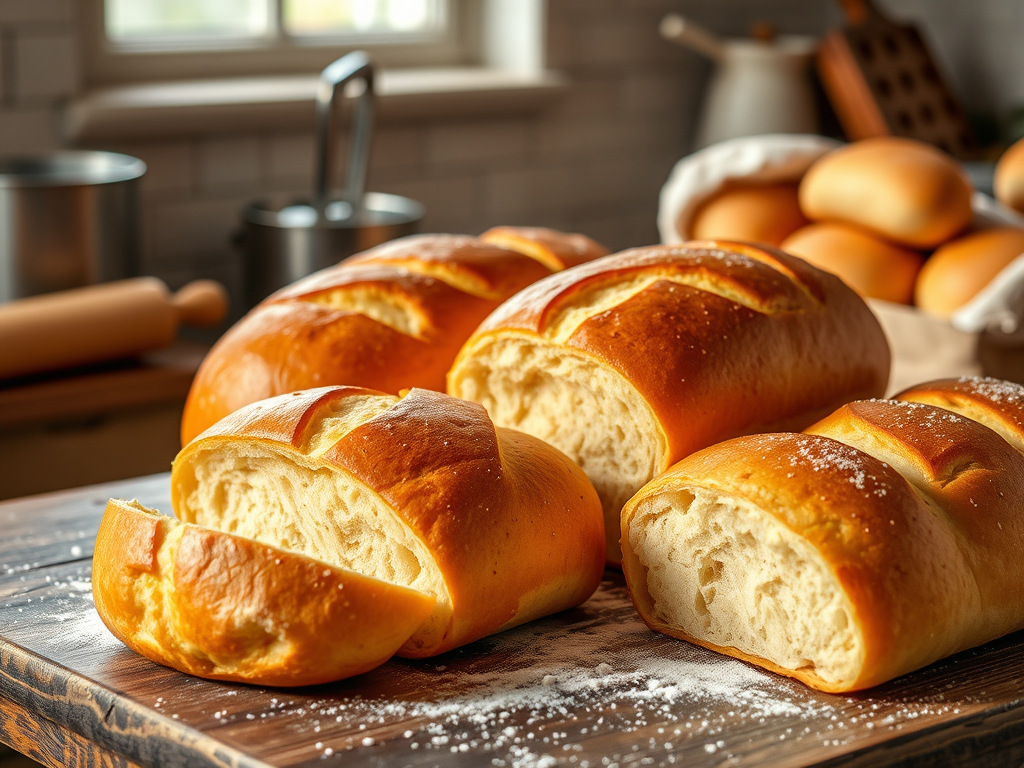
    This homemade French bread comes out soft, squishy, lightly golden, and perfect for serving with dinner, slicing for sandwiches, or turning into hoagie rolls. It uses everyday ingredients, requires no fancy tools, and makes two full loaves — or one loaf and a batch of hoagie rolls like I did!

    If you’ve been looking for a beginner-friendly bread recipe that works every time, this is the one.


    Ingredients

    • 5–6 cups flour
    • 2 ¼ cups warm water
    • 2 tablespoons sugar
    • 1 tablespoon yeast
    • ¾ teaspoon salt
    • 2 tablespoons oil

    🥖 How to Make Becky’s Homemade French Bread

    1. Activate your yeast

    Pour the warm water and sugar into a large mixing bowl.
    Sprinkle the yeast on top and gently stir.
    Let it sit for a few minutes until it starts to bubble and foam — this means the yeast is alive and ready to work its magic.

    2. Add oil, salt & flour

    Stir in the oil and salt.
    Slowly add 5 cups of flour, mixing until everything is well combined.

    3. Knead the dough

    Turn your dough out onto a lightly floured surface.
    Use the remaining 1 cup of flour during kneading as needed.
    Knead for 4–5 minutes, adding flour only until the dough is soft, smooth, and just a little tacky — not sticky.

    4. Shape your loaves

    This recipe makes 2 full French bread loaves.
    Shape them however you like:

    • 2 large French loaves
    • 8 hoagie rolls
    • or 16 small bun-sized rolls

    5. Let rise

    Place your shaped loaves or rolls on a greased baking sheet.
    Cover with a towel and let rise for 1 hour, or until visibly puffy.

    Score the tops if desired — this helps the bread expand beautifully while baking.


    🔥 6. Bake

    Bake at 375°F for 20–25 minutes.

    For an extra golden brown, soft top:
    Brush with melted butter during the last 10 minutes of baking.

    The smell when these come out of the oven… heavenly.
    The texture is soft, warm, and perfectly squishy.


    🍽️ How to Use This Dough

    This dough is incredibly versatile. Try using it for:

    • French bread
    • Hoagie rolls
    • Sub sandwiches
    • Garlic bread
    • Bread bowls
    • Dinner rolls
    • Picnic sandwiches

    Once you make it, you’ll realize how many meals it fits into.


    💛 Final Thoughts

    This homemade French bread is one of those recipes that instantly becomes a family staple. It’s easy, forgiving, and makes your whole home smell amazing. Whether you’re making classic French loaves or hoagie rolls for the week, this bread is soft, warm, and absolutely delicious.

    If you make this recipe, I’d love to hear how it turned out for you!

  • 7 Pantry Staples Every Homesteader Should Have Year-Round

    7 Pantry Staples Every Homesteader Should Have Year-Round

    A well-stocked pantry is the heartbeat of any homestead. Whether you’re deep in canning season or throwing together a last-minute dinner, having reliable staples on hand makes everything smoother.

    Over the years, I’ve learned that there are a few items I never let myself run out of — simple, versatile ingredients that stretch meals, preserve food, and keep us prepared for whatever comes our way.

    Here are my 7 must-have pantry staples that every homesteader should keep stocked year-round.

    1. Dried Beans and Lentils

    They’re affordable, filling, and incredibly versatile. Dried beans and lentils can be used in soups, stews, casseroles, or canned for quick, ready meals. Lentils cook faster and don’t need soaking, which makes them perfect for those days when you forget to plan dinner.

    💡 Tip: Store in airtight jars or food-grade buckets with oxygen absorbers to extend shelf life. Rotate them yearly for freshness.

    2. Flour and Grains

    Flour is the base for so many homestead staples — bread, pancakes, biscuits, tortillas, you name it. I like to keep both all-purpose and whole wheat flour, along with oats, cornmeal, and rice (more on rice below!). These shelf-stable grains can carry you through busy seasons or lean times.

    💡 Tip: Freeze flour for 48 hours before long-term storage to prevent pests. Then transfer it to airtight containers.

    3. Rice

    Rice deserves its own category because of how versatile and long-lasting it is. It pairs with nearly any meal and stores beautifully. We keep both white rice (for long-term storage) and brown rice (for flavor and nutrition, though it has a shorter shelf life).

    💡 Tip: Store rice in sealed containers or mylar bags with oxygen absorbers. A 5-gallon bucket can hold around 35 pounds — that’s a lot of meals!

    4. Salt — The Ultimate Preserver

    Salt isn’t just for flavor — it’s a tool for survival. It’s essential for curing meat, fermenting vegetables, and preserving food. I always keep sea salt for everyday cooking and pickling salt for canning.

    💡 Tip: Skip iodized salt for canning projects — it can cloud your jars and change the taste.

    5. Home-Canned Meat and Broth

    Few things make me happier than seeing rows of home-canned meat and broth on my shelves. It’s convenient, shelf-stable protein ready for any meal. Whether it’s turkey, chicken, or beef, I can throw together soups, dips, and casseroles in minutes — no thawing required.

    💡 Tip: Check out my post on From Freezer to Pantry: How I Pressure Can Turkey for Long-Term Storage for exact times and steps.

    6. Tomatoes and Tomato Products

    Tomatoes are one of the most versatile ingredients in the pantry — think sauces, soups, stews, chili, and salsa. Every year, I can plenty of diced tomatoes, tomato sauce, and paste so we’re set until next harvest.

    💡 Tip: Add bottled lemon juice or citric acid when canning to keep the acidity safe for storage.

    7. Vinegar

    If I could only keep one “multi-tool” in my kitchen, it would be vinegar. It’s used for cleaning, pickling, cooking, canning, and even animal care. I keep both white distilled vinegar (for cleaning and canning) and apple cider vinegar (for marinades, dressings, and even goat care!).

    💡 Tip: Store vinegar in a cool, dark place. It lasts indefinitely when sealed properly.

    Final Thoughts

    A well-stocked pantry is about more than just food — it’s about security, simplicity, and peace of mind. When you build your pantry with intention, you’re not just preparing for busy seasons; you’re investing in your family’s independence year-round.

    These seven staples have earned a permanent spot in my pantry because they’re versatile, affordable, and practical — the kind of ingredients that keep our homestead running, no matter the season.

    What’s one item you can’t live without in your pantry? Let me know in the comments below!

  • The Nikki Special: Big-Batch Kielbasa Rice Dinner (Dump-and-Go)

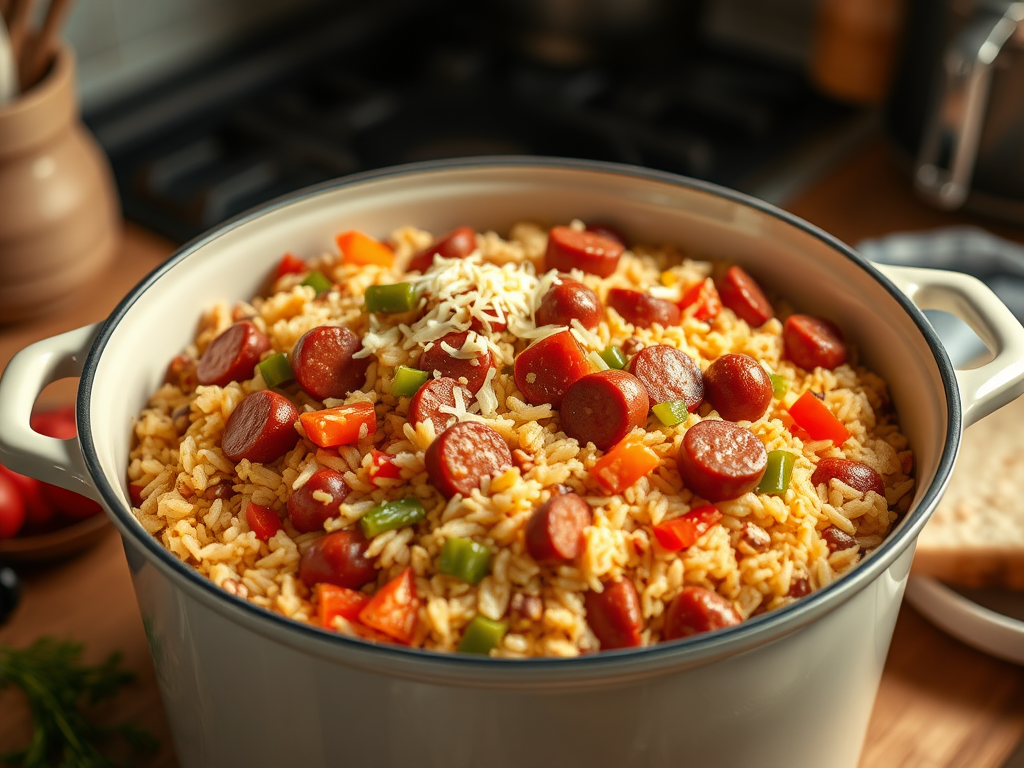
    The Nikki Special: Big-Batch Kielbasa Rice Dinner (Dump-and-Go)

    Some recipes come from cookbooks… some come from Grandma… and some come from a coworker named Nikki who casually hands you a recipe one day and changes your entire dinnertime routine forever.

    This dish—which we lovingly call The Nikki Special—has gone through many tweaks and adjustments over the years. At this point, it’s very much my version… but the name sticks because it makes me smile every time.

    And fair warning: this makes a BIG batch.
    Like, “feed the whole family for dinner AND have lunches for the rest of the week” big.
    It’s hearty, flavorful, comforting, and ridiculously easy to customize.

    Let’s dive in!


    Ingredients

    • 2 boxes Rice-A-Roni or 2 cups uncooked white rice
    • 1 whole onion, chopped
    • 3 bell peppers, chopped
    • 2 pint jars of homemade chicken broth
      (About 4 cups — you can do half broth, half water if needed)
    • 1 kielbasa sausage, sliced into bite-sized pieces
    • 1 can corn, drained
    • A handful of cheese, your choice (cheddar, Colby Jack, etc.)

    Optional add-ins:

    • Garlic (fresh or powdered)
    • Green onions
    • Peas
    • Mushrooms
    • Anything you’d throw in a stir fry

    🍳 How to Make the Nikki Special

    1. Cook your rice

    If you’re using Rice-A-Roni, follow the instructions on the box—just swap the water for broth for extra flavor.

    If you’re using white rice, you’ll want to season it yourself since it doesn’t come with a flavor packet. Add:

    • Salt
    • Pepper
    • Garlic powder
    • Onion powder
    • Or your favorite all-purpose seasoning blend

    This step ensures the rice is flavorful and not bland once everything comes together.

    2. Add your veggies while the rice cooks

    Throw the chopped onion and bell peppers right into the pot while the rice cooks.
    No extra pan, no extra dishes—my kind of cooking.
    They soften perfectly and add tons of flavor.

    3. Add the kielbasa

    Once the rice is done, stir in the sliced kielbasa.
    It warms through quickly and gives the dish a hearty, smoky bite.

    4. Add the corn + cheese

    Stir in:

    • 1 can of corn
    • A handful of shredded cheese

    Mix until the cheese melts and everything is combined.

    5. Taste & tweak

    Now channel your inner Ratatouille.
    Smell it. Stir it. Taste it. Adjust seasonings.
    Add more cheese, garlic, veggies—whatever makes your heart happy.

    And viola! Dinner is served.


    🍽️ Why My Family Loves This Recipe

    • Makes a HUGE batch
    • Reheats beautifully
    • Has everything in one pot (rice, veggies, protein, cheese!)
    • Easy to customize
    • Comfort food at its finest

    It’s one of those meals that somehow turns out great every single time—even when you wing it( which is essentially every meal in my household). Let me know if you try this one, and what you thought!

  • Creamy Buffalo Chicken Crack Dip with Canned Chicken

    Creamy Buffalo Chicken Crack Dip with Canned Chicken

    If you’re looking for the perfect dip to take to a party, potluck, family gathering—or honestly just to enjoy on the couch while watching a movie—this Homemade Chicken Crack Dip is it.

    It’s creamy, spicy (but not too spicy), cheesy, and unbelievably easy to whip together. This is one of those dips that disappears FAST. Like… blink and it’s gone.

    I’ve been making this for years using my own canned chicken, but store-bought canned chicken works perfectly too. The real magic is in the creamy base and the buffalo sauce that brings everything to life.


    Why I Love This Chicken Crack Dip

    • Dump-and-go style
    • Perfect for using your home-canned chicken
    • Easy to adjust spice level
    • Always a crowd-pleaser
    • Amazing with chips, crackers, veggies, or bell peppers (my favorite!)
    • No fancy skill required—just mix, bake, and enjoy

    🥣 Ingredients

    • 1 pint jar of home-canned chicken
      or 2 standard cans of store-bought chicken (drained)
    • 16 oz cream cheese, softened
    • 16 oz sour cream
    • 1 large handful shredded cheese (cheddar, Colby Jack, or your favorite)
    • Frank’s Buffalo Hot Sauce
      About ¼ cup for mild/medium,
      ½ cup or more for spicy!
      (Or, as I do: “measure with your heart” depending on the occasion.)

    Optional toppings:

    • Extra shredded cheese
    • Sliced green onions
    • Bacon Bits

    🧡 How to Soften Your Cream Cheese

    Cream cheese MUST be softened or it won’t blend smoothly.

    • Leave it on the counter for 1–2 hours OR
    • Microwave for 10–15 seconds at a time until soft (not melted)

    🍗 How to Make Chicken Crack Dip

    1. Mix the base

    Add softened cream cheese and sour cream to your mixer bowl.
    I use my KitchenAid for this because my arms get tired, and cream cheese sometimes fights back. 😂
    Blend until completely smooth—no clumps.

    2. Add the chicken, cheese & hot sauce

    Mix in:

    • Your canned chicken
    • A handful of shredded cheese
    • Frank’s Buffalo Hot Sauce

    Start with ¼ cup of hot sauce if you’re unsure. You can always add more!
    At home I add way more because that’s how my daughter likes it.

    Mix again until everything is fully combined. Mixy mixy!

    3. Bake

    Spread your dip into a casserole dish.
    Bake at 400°F for 15 minutes or until it’s hot and bubbly around the edges.

    (Yes, 400° for 15 minutes is perfect!)


    🥨 How to Serve

    This dip is amazing with:

    • Tortilla chips
    • Crackers
    • Pita chips
    • Celery sticks
    • Bell pepper slices (my personal favorite!)

    Honestly… it’s one of those dips that tastes good with anything


    If you try this recipe, let me know what you think!
    I can almost guarantee there won’t be leftovers.

  • Best Homemade Waffle Recipe with Quick Homemade Maple Syrup

    Best Homemade Waffle Recipe with Quick Homemade Maple Syrup

    There is nothing better than a cozy breakfast at home—especially when it involves fresh, fluffy homemade waffles and warm maple syrup bubbling on the stove. This is one of those recipes that looks and tastes fancy, but it’s actually incredibly simple to make. And if you’ve seen any of my dump-and-go style recipes before, you already know I’m not about extra dishes or complicated steps.

    Just toss it all together, plug in the waffle iron, start your syrup, and boom—breakfast magic.

    These waffles are soft on the inside, crisp on the outside, and perfect for adding chocolate chips, fruit, whipped cream, or whatever your family loves. And the homemade syrup? Let’s just say my youngest goes through it so fast that I honestly couldn’t tell you the exact shelf life… but it easily lasts a month in the cupboard in a sealed jar!

    This is one recipe pair you’re going to want to keep forever.


    🧇 Homemade Waffle Recipe

    Ingredients

    • 2 ¼ cups flour
    • ¼ cup sugar
    • 1 tablespoon baking powder
    • ½ teaspoon salt
    • ½ cup butter (melted)
    • 2 cups milk
    • 2 eggs
    • 2 teaspoons vanilla

    Optional add-ins:

    • Chocolate chips
    • Blueberries
    • Cinnamon
    • Chopped nuts

    🧇 How to Make the Waffles

    If you’ve followed my cooking style for any amount of time, you know what’s coming…

    Just toss everything in a bowl and mix it well.
    That’s it.

    No separating eggs, no beating egg whites, no mixing dry and wet ingredients in two different bowls. One bowl, one spoon, one happy cook.

    Once your batter is smooth, let it sit while your waffle iron heats up. Cook according to your waffle maker’s instructions—usually 3–5 minutes per waffle.


    🍁 Homemade Maple Syrup Recipe

    This syrup comes together so fast you won’t believe it, and it tastes way better than the store-bought versions—especially if you use the maple extract.

    Ingredients

    • 1 cup water
    • 2 cups sugar
    • 1 teaspoon molasses
    • ½–1 teaspoon maple extract
    • 1 teaspoon vanilla (optional, but makes it taste more “store bought”)

    🍯 How to Make the Syrup

    1. Bring water to a boil in a saucepan.
    2. Add sugar and molasses, stirring until dissolved (about 2 minutes).
    3. Remove from heat and stir in maple extract and vanilla (if using).
    4. Let it sit and thicken as it cools.

    That’s it!
    You just made homemade syrup in minutes.

    It stores beautifully in a sealed jar in your cupboard for up to a month—although in my house, it never lasts anywhere near that long because my youngest is obsessed with waffles.


    💛 Put It All Together

    My favorite thing about this combo is how perfectly the timing works out. Usually I start the syrup while the first waffle is cooking. By the time the last waffle comes off the iron, the syrup has thickened, cooled just enough, and is ready to drizzle.

    Fluffy waffles + warm homemade syrup = happy family.

    If you give these recipes a try, let me know what you think! I love hearing when other families enjoy these cozy homestead meals as much as we do.

  • No-Bake Lemon Fudge (3 Ingredients & Ridiculously Easy!)

    No-Bake Lemon Fudge (3 Ingredients & Ridiculously Easy!)

    If you’re looking for a dessert that’s sweet, creamy, refreshing, AND doesn’t require you to turn on your oven… you just found it!
    This No-Bake Lemon Fudge is one of the easiest desserts you’ll ever make—and with only three simple ingredients, your friends and family will absolutely beg you for the recipe.

    It’s bright, zesty, silky, and dangerously addicting. Also? Foolproof. Like truly “dump, melt, mix, chill” foolproof.

    Let’s get into it!


    Why You’ll Love This Lemon Fudge

    • No baking involved (hallelujah)
    • Only 3 ingredients
    • Ready to chill in minutes
    • Perfect for holidays, BBQs, potlucks, teacher gifts… or just because
    • Kid-friendly and super customizable

    This recipe is basically sunshine in fudge form.


    🍋 Ingredients

    • 24 oz white almond bark or white chocolate chips
    • 1 (14 oz) can sweetened condensed milk
    • 1 package lemon instant pudding mix (the whole thing!)

    🔥 How to Make No-Bake Lemon Fudge

    1. Melt the chocolate

    If you have a double boiler, this is its moment to shine.
    If not? A microwave works perfectly.

    Using almond bark:
    Cut or shave it into smaller chunks so it melts faster and more evenly.

    Microwave method:
    Place the chocolate in a microwave-safe bowl and heat in 30-second intervals, stirring each time.
    Don’t skip the stirring—if you heat it too long without mixing, you’ll end up with burned chocolate in some spots and unmelted hunks in others. Trust me, 30 seconds + stir is your new best friend.

    Double boiler method:
    Heat on low and stir continuously until smooth and melty.


    2. Add the magic

    Once your chocolate is melted, stir in:

    • the full can of sweetened condensed milk, and
    • the entire package of lemon pudding mix

    Don’t skimp on the pudding mix—it helps the fudge set and gives it that delicious lemony flavor.
    Mix until everything is smooth and combined. Mixy mixy! 😄


    3. Pour & chill

    Line an 8×8 pan with parchment paper and pour the mixture in.
    Smooth the top and pop it in the fridge for 2 hours (or until firm).

    Once set, lift the fudge out by the parchment, slice into squares, and enjoy!


    🍋 Time to Taste!

    This fudge is creamy, bright, and SO refreshing. The lemon flavor makes it perfect for spring and summer, but honestly… I’d make this any day of the year.

    I’m already thinking about experimenting with other pudding flavors—maybe butterscotch? Chocolate? Banana cream?
    I’ll test them out on my coworkers first before sharing the official verdict with you. 😉

    If you try this recipe, let me know what you think! Have a wonderful day, everyone!

  • How to Make a Completely Homemade Pizza (Dough, Cheese & Sauce from Scratch)

    How to Make a Completely Homemade Pizza (Dough, Cheese & Sauce from Scratch)

    There’s something truly magical about making a pizza entirely from scratch — we’re talking about the dough, the cheese, and even the sauce. Whether you’re growing tomatoes in your backyard or making cheese from fresh milk, this homestead-style pizza is wholesome, flavorful, and deeply satisfying.

    Ready to get your hands messy and make something delicious? Let’s dive in!

    Homemade Pizza Dough Recipe

    A good pizza starts with a great crust — chewy on the inside, slightly crisp on the outside.

    Ingredients:

    2 ¼ tsp (1 packet) active dry yeast

    1 ½ cups warm water (about 110°F)

    1 tbsp sugar

    3 ½ cups all-purpose flour

    2 tbsp olive oil

    1 ½ tsp salt

    Instructions:

    1. In a large bowl, dissolve the sugar in warm water. Sprinkle yeast over the top and let it sit for 5–10 minutes, until foamy.

    2. Add flour, olive oil, and salt. Mix until it forms a dough, then knead on a floured surface for 8–10 minutes until smooth and elastic.

    3. Place the dough in a greased bowl, cover with a towel, and let it rise for about 1 hour or until doubled in size.

    4. Punch the dough down and roll it out to your desired thickness.

    Tip: This recipe makes enough for two medium pizzas.

    Homemade Farmer’s Cheese (Soft, Crumbly Cheese)

    You don’t need rennet or complicated equipment — this simple cheese is fresh, easy, and perfect for pizza.

    Ingredients:

    1 gallon whole milk

    1/4 cup white vinegar or lemon juice

    1 tsp salt (optional)

    Instructions:

    1. Heat the milk in a large pot over medium heat until it starts to gently boil (around 180°F).

    2. Remove from heat and slowly stir in vinegar or lemon juice.

    3. The curds will begin to separate from the whey. Let it sit for 10 minutes.

    4. Line a colander with cheesecloth and pour in the mixture. Let it drain for 1–2 hours depending on how firm you want the cheese.

    5. Crumble over your pizza or press into a mold to slice later.

    Optional: Add herbs or garlic for extra flavor before pressing the cheese.

    Homemade Tomato Sauce (From Garden or Pantry)

    This sauce is simple, vibrant, and full of fresh tomato flavor.

    Ingredients:

    4–5 ripe tomatoes (or 1 can crushed tomatoes)

    2 cloves garlic, minced

    1 tbsp olive oil

    1 tsp salt

    1 tsp dried oregano

    1 pinch sugar (to balance acidity)

    * Optional: basil, chopped onion, red pepper flakes

    Instructions:

    1. If using fresh tomatoes, blanch and peel them first.

    2. Sauté garlic in olive oil until fragrant.

    3. Add tomatoes, salt, oregano, and sugar.

    4. Simmer uncovered for 20–30 minutes, stirring occasionally.

    5. Blend for a smoother sauce, or leave chunky for a rustic texture.

    I used frozen tomatoes from last years harvest that I hadn’t gotten around to using yet. I let it simmer all day to cook off any excess liquid plus I like my sauce to be thick and very tomato-ey.

    Putting It All Together

    1. Preheat your oven to 475°F. A pizza stone or cast iron pan works great if you have one.

    2. Roll out your dough on a floured surface and transfer to a baking sheet or stone.

    3. Spread a layer of your homemade tomato sauce.

    4. Sprinkle on your homemade cheese.

    5. Add toppings: sliced onions, garden vegetables, cured meats, olives, herbs — whatever your homestead provides!

    6. Bake for 10–12 minutes, until the crust is golden and the cheese is bubbly.

    Final Thoughts

    Making pizza entirely from scratch is a deeply rewarding experience. It connects you with your food, your land, and your kitchen in the best way possible. Whether you grow your own tomatoes or just want to try something homemade this weekend, this recipe is a delicious place to start.

  • Homesteading: My Top Ten Tips

    Homesteading is a dream for many—living closer to nature, growing your own food, raising animals, and embracing self-sufficiency. It’s a lifestyle filled with rewards, but it’s also packed with challenges and surprises that most beginners don’t anticipate. Looking back on my journey, there are several things I wish I had known before diving into homesteading. If you’re just starting out, these lessons might save you time, money, and frustration.

    1. You Don’t Have to Do Everything at Once

    When I first started homesteading, I was eager to try it all—gardening, raising chickens, keeping bees, and preserving food—all at once. I figured if instead of just dipping a toe in, I would jump in both feet first. This was a recipe for burnout. I quickly learned that starting small and focusing on one or two projects at a time is the best approach. Homesteading is a marathon, not a sprint. There’s always time to add more as you gain experience and confidence. If you want to read about how I got started I’ll link it below.

    2. It’s Harder Than It Looks Online

    Scrolling through social media, it’s easy to romanticize homesteading. Beautiful gardens, happy animals, and rustic homes make it seem effortless. In reality, homesteading is a lot of hard work. Plants don’t always thrive, animals get sick, and fences break, a lot. Be prepared for challenges and bad days. Homesteading is about learning as you go, and remembering its okay to make mistakes.

    3. The Cost Can Add Up Quickly

    I assumed that homesteading would save me money right away, but I quickly realized that the upfront costs can be significant. Tools, seeds, fencing, animal feed, and infrastructure like coops and raised garden beds all require investment. While homesteading can save money in the long term, it’s important to budget wisely and prioritize essential projects first.  I also suggest prioritizing DIY projects and recycled materials before buying new. It’s more important for it to be purposeful than pretty.

    4. Research Is Your Best Friend

    One of the biggest lessons I learned is that knowledge is power. I made several mistakes early on because I didn’t research enough. For example, I didn’t now how to amend my soil or know what companion planting was. Let’s not start about how I misjudged the height of fencing I needed for my goat enclosure. Take the time to study your land, climate, and the requirements of the animals or plants you want to raise.  

    5. Time Management Is Key

    Homesteading is incredibly time-consuming. Between caring for animals, maintaining a garden, and tackling DIY projects, it’s easy to feel overwhelmed. I wish I had created a daily and seasonal schedule earlier to stay on top of tasks. Planning ahead, especially for busy times like planting and harvesting seasons, makes everything more manageable. 

    6. Pests and Predators Are Relentless

    One of the biggest shocks for me was how relentless pests and predators can be. From insects destroying crops to foxes breaking into the chicken coop, I learned that prevention is crucial. Invest in secure fencing, use natural pest control methods, and always be prepared to adapt your strategies.

    7. It’s Okay to Outsource Some Things

    As much as I wanted to do everything myself. I quickly realized that it’s okay to ask for help or outsource certain tasks. Whether it’s hiring someone to repair a fence or buying seedlings instead of starting from seed. Outsourcing can save you time and energy when you’re feeling overwhelmed. When I outsource I prefer to buy local or from other homesteaders to help support my community.

    8. Patience Is Essential

    Homesteading is a lifestyle that requires patience. Gardens don’t grow overnight, and animals take time to mature and produce. There will be setbacks and slow progress, but trust the process. Celebrate small victories and remember why you started.  

    9. Self-Care Matters

    In the early days of homesteading, I often worked from dawn to dusk, neglecting my own well-being. Over time, I learned that self-care is just as important as caring for your land and animals. Take breaks, rest when you need to, and make time for hobbies or relaxation to avoid burnout.  

    10. Homesteading Is a Journey, Not a Destination

    Finally, I wish I had embraced the mindset that homesteading is an ever-evolving journey. There’s always something new to learn, and your goals change over time. Instead of striving for perfection, focus on progress and enjoy the process of building a lifestyle that works for you.  

    Final Thoughts

    Homesteading is a fulfilling and transformative lifestyle, but it’s not without its challenges. By learning from my experiences, you can avoid some common pitfalls and set yourself up for success. Remember to start small, do your research, and give yourself grace as you learn and grow.  

    Whether you’re just starting out or thinking about taking the plunge, homesteading is a journey worth pursuing. What lessons have you learned or are you excited to explore? Share your thoughts in the comments below!

  • Duck Eggs vs Chicken Eggs: Key Differences Explained

    Duck Eggs vs Chicken Eggs: Key Differences Explained

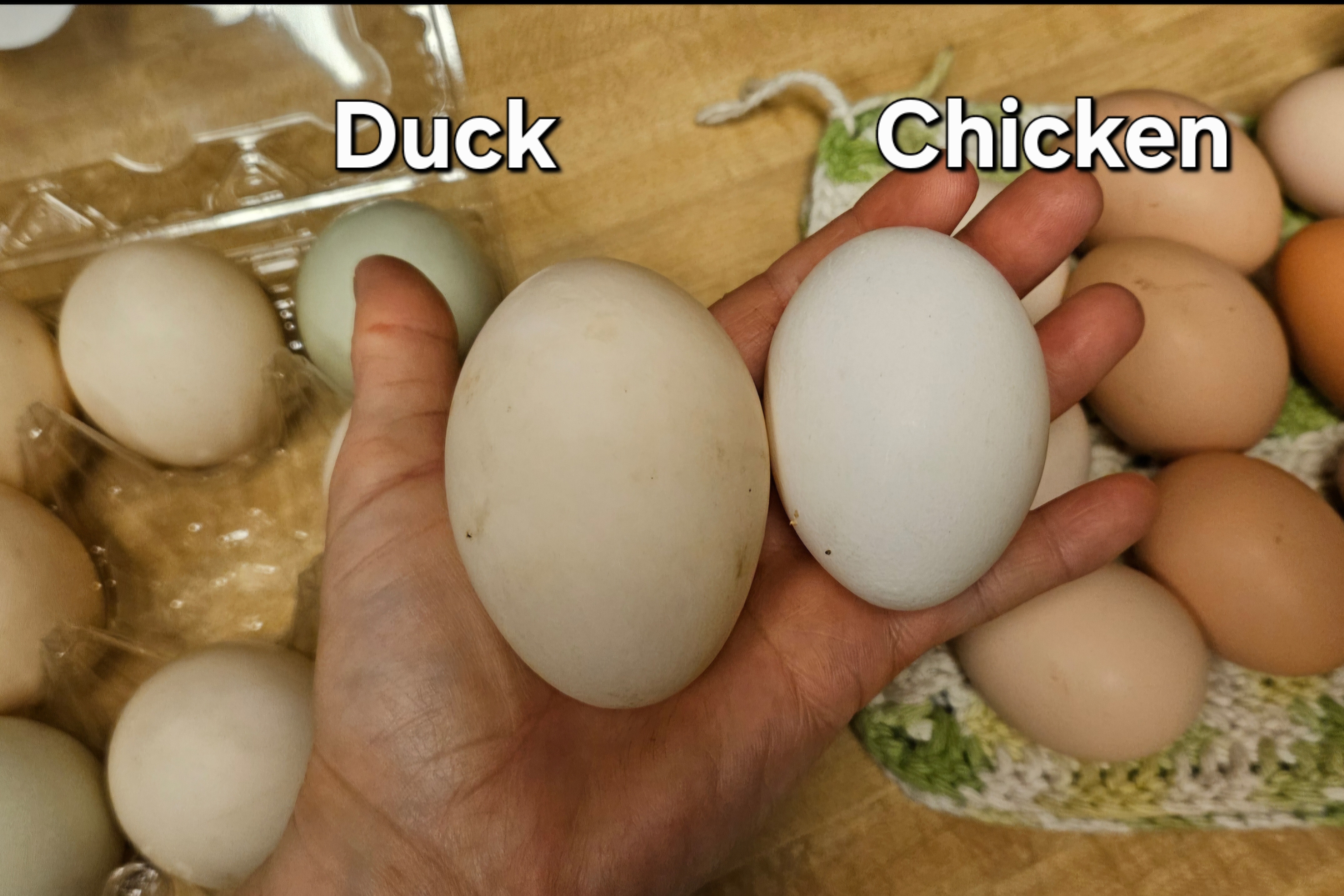
    Duck egg and Chicken egg side by side

    When it comes to choosing between duck and chicken eggs, both options might catch your eye during your next trip to the local market or while tending to your poultry on the homestead. These eggs may appear quite similar at first glance, but they offer distinct nutritional benefits, flavors, and culinary uses that set them apart. Duck eggs, for instance, are often richer and creamier than chicken eggs, making them a favorite among bakers and gourmet cooks alike. As you weigh the pros and cons of each type, it’s important to consider how these differences might align with your cooking needs and taste preferences. Understanding the unique qualities of duck eggs can help you make the best choice for your kitchen and lifestyle.

    Nutritional Content

    Higher Protein Content: Duck eggs contain more protein than chicken eggs, making them an excellent choice for those looking to increase their protein intake.  

    More Omega-3s: Duck eggs are rich in omega-3 fatty acids, which support brain health and reduce inflammation.  

    Higher Vitamin and Mineral Levels: Duck eggs have more vitamins (A, D, B12) and minerals like iron and selenium compared to chicken eggs.  

    Calories and Fat: Duck eggs are larger and have a higher fat content, which provides more energy but might not be suitable for those on low-fat diets.  

    Flavor and Taste

    Duck eggs have a richer, creamier flavor compared to chicken eggs.  

    – The yolks are larger and have a more vibrant orange color, often described as “buttery.”  

    – Many bakers prefer duck eggs for their richer taste and ability to enhance baked goods’ texture and flavor. 

    Baking Benefits

    Duck eggs are a favorite among bakers and chefs.  

    Better Structure: The higher protein content helps create fluffier cakes, stronger meringues, and denser, more moist baked goods.  

    Richer Texture: Duck eggs contribute to a creamier texture in custards, quiches, and other recipes. 

    A dozen duck eggs

    Longer Shelf Life

    Duck eggs have thicker shells than chicken eggs, which:  

    – Makes them more durable and less likely to crack.  

    – Helps them stay fresher for longer, especially when stored properly

    Allergen Alternative

    Some people with chicken egg allergies find that they can tolerate duck eggs. While they’re not suitable for everyone, this can be a great alternative for those who miss eating eggs.

    More Sustainable for Small Homesteads

    Ducks are hardy, low-maintenance animals that:  

    – Lay eggs consistently, even in colder weather.  

    – Thrive in a variety of environments, including wetlands or small homesteads.  

    – Are great pest controllers, eating slugs, snails, and insects.  

    Their eggs can provide a reliable source of nutrition year-round.  

    Richer in Healthy Fats

    Duck eggs contain more healthy fats, including monounsaturated and polyunsaturated fats. These fats are important for heart health and maintaining healthy skin and hair. 

    Larger Size

    Duck eggs are larger than chicken eggs, which means:  

    – You get more egg per shell.  

    – Fewer eggs are needed for recipes or meals, making them more efficient in the kitchen.  

    Downsides to Consider

    While duck eggs offer many benefits, they may not be for everyone:  

    Cost: Duck eggs tend to be more expensive than chicken eggs due to lower supply.  

    Taste: The richer flavor might not appeal to everyone, especially if you prefer the lighter taste of chicken eggs.  

    Fat and Cholesterol: The higher fat and cholesterol levels may not suit individuals with specific dietary restrictions.

    Smell: The aroma of duck eggs can resemble that of cooked fish, depending on the cooking method. This scent is attributed to their rich omega-3 fatty acid content, which is similar to that found in fish.

    Which Should You Choose?

    Choosing between duck eggs and chicken eggs is a matter of personal taste, nutritional needs, and usage. For those in search of superior flavor, richer nutrition, or exceptional baking outcomes, duck eggs are an excellent option. Conversely, if a gentler flavor profile or specific dietary considerations are your priorities, chicken eggs remain a wonderful selection. For homesteaders, the decision to raise both ducks and chickens can yield a multifaceted experience—offering delicious eggs, natural pest control, and an array of dietary choices!


    Both duck and chicken eggs present an abundance of nutritional benefits and culinary versatility. Including a mix of these eggs in your dishes can bring an exciting variety of flavors and textures into your kitchen and home. Embracing the distinct characteristics of each type enriches your meals and broadens your cooking skills, enhancing the joy and diversity at your dining table. Whether you savor the robust taste of duck eggs or the subtler flavor of chicken eggs, having both available unlocks endless culinary adventures. Personally, I find duck eggs to be delightful! Have you had a chance to try duck eggs? I’d love to hear your thoughts in the comments!

  • Is Meal Prepping Worth It?

    Is meal prepping truly worth it? In our busy lives, balancing work, family commitments, social activities, and personal aspirations often leaves little room for maintaining a nutritious diet. After a long day, the temptation to stop at a fast-food restaurant can be hard to resist.


    Yet, an effective strategy exists that can transform your approach to cooking: meal prepping. This method not only helps you save valuable time but also alleviates stress, while ensuring that you’re consistently enjoying wholesome, home-cooked meals. This article will guide you through the essentials of meal prepping and illustrate how it can revolutionize your week. Furthermore, we’ll explore whether it’s the right choice for you and your household.

    Understanding Meal-Prepping; What exactly is it?

    Preparing meals in advance, known as meal prepping, enables individuals to save time and reduce stress during busy weeknights. This method involves several steps, including planning menus, shopping for ingredients, cooking dishes, and properly storing the finished meals. By organizing your culinary tasks ahead of time, you can streamline your eating habits, allowing for the enjoyment of wholesome, home-cooked dishes every day without the pressure of fitting cooking into a packed schedule. With this strategy, mealtime becomes a stress-free experience, fostering a healthier lifestyle and better time management.

    What are the Benefits of Meal Prepping?

    Time Efficiency: Cooking can be time-consuming, but by dedicating a few hours once a week to meal prep, you can create enough dishes to last through the days ahead. This strategy minimizes kitchen visits and cuts down on cleaning efforts significantly.


    Portion Management: Meal prepping empowers you to manage your serving sizes effectively, facilitating adherence to healthy dietary habits and helping with calorie control.


    Nutritional Convenience: With some forethought, preparing your meals in advance guarantees that wholesome options are readily available, decreasing the likelihood of turning to fast food or unhealthy snacks.


    Cost Savings: Planning your meals and purchasing ingredients in larger quantities can lead to considerable financial savings when compared to frequent takeout or restaurant dining.


    Minimized Food Waste: By outlining your meals ahead of time, you can avoid overbuying and ensure that food doesn’t end up discarded, thus contributing to a more sustainable approach to eating.

    The Downsides to Meal-Prepping

    Significant time commitment: Engaging in meal prepping often demands a substantial investment of time at the outset. From brainstorming meal ideas to grocery shopping and actual cooking, you can easily spend several hours readying yourself for the week ahead. For those with limited time, this undertaking can appear daunting.


    Monotony of meals: A frequent concern surrounding meal prepping is the uniformity it brings. Consuming the same dishes multiple times each week can become tiresome, leading to what’s often referred to as “food fatigue.” This boredom might push you to seek takeout alternatives instead of sticking to your meal plan.


    Storage limitations: Efficient meal prepping requires adequate storage space in your refrigerator and kitchen. If your fridge is on the smaller side, finding room for numerous prepped meals can be challenging. Furthermore, the expenses associated with buying reusable containers can accumulate, and the tasks of cleaning and labeling them may begin to feel burdensome.


    Food safety issues: With meal prepping, some dishes inevitably remain in your refrigerator for several days. Improper storage and handling can heighten the risk of foodborne illnesses. Additionally, some individuals simply prefer not to eat leftovers, which can render meal prepping an impractical choice for them.


    Decreased spontaneity: Committing to meal prepping establishes a fixed schedule, which can pose inconveniences if your plans change or if you crave something different. This lack of flexibility makes it difficult to adapt to unexpected social engagements or sudden cravings.

    Weighing the benefits of meal prepping: Is it truly worthwhile?

    Is meal prepping worth it? The answer largely depends on your individual lifestyle and preferences. For many people, meal prepping can significantly improve daily routines. It saves time throughout the week, alleviates mealtime stress, and fosters healthier eating habits by making it easier to avoid quick, unhealthy choices. However, if you thrive on flexibility and derive joy from cooking creatively, adhering to a strict meal prep schedule might feel burdensome rather than advantageous. Ultimately, assessing whether meal prepping suits your lifestyle requires reflection on your preferences and needs. For numerous individuals, this approach leads to more deliberate eating habits and a sense of calm during busy days.


    Do you engage in meal prepping? Share your thoughts below, and if you’re considering diving into this practice, check out this article for guidance on getting started.