
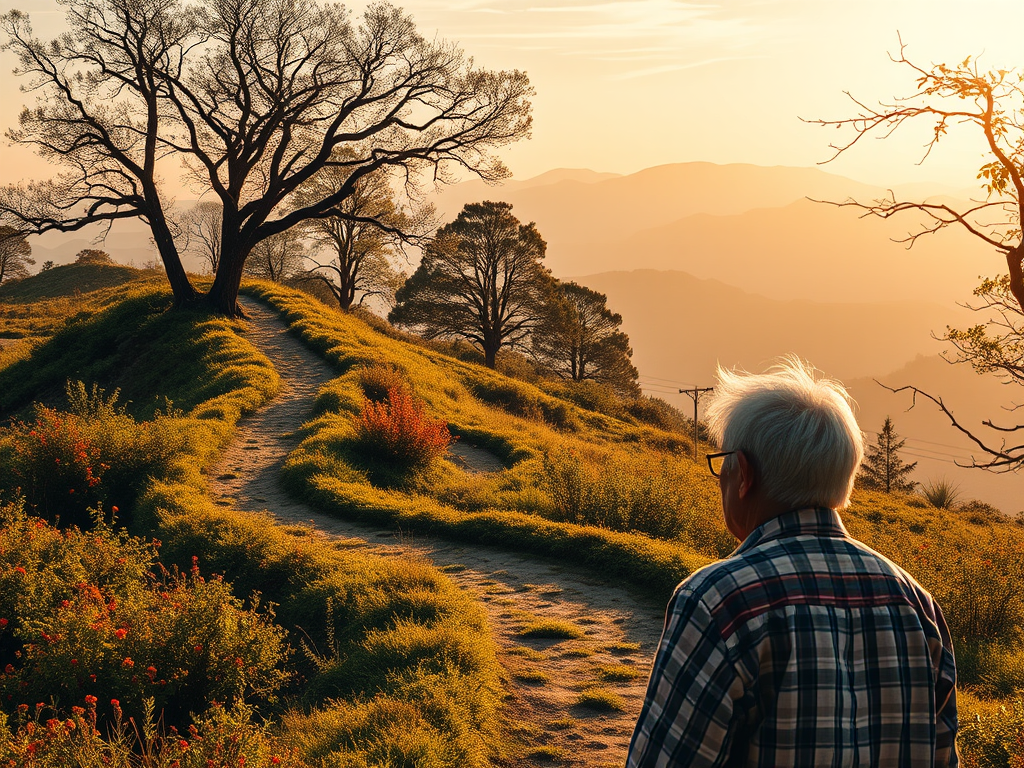


As human beings, we often dream of living a long life—one filled with health, happiness, and the potential to experience all that the world has to offer. But, what does it truly mean to live such a life, and how do we navigate the challenges that come with extended years? Living a long life, while a blessing in many ways, is also a profound journey that requires a strong sense of self, resilience, and an ability to embrace both the joys and losses that come with the passage of time.
The Promise and Burden of Longevity
The idea of a long, healthy life is appealing, but it comes with the understanding that as we age, we inevitably witness the loss of loved ones, friends, and possibly even our own sense of familiarity with the world around us. Living through such profound changes means learning to face loss repeatedly, a process that can be emotionally and mentally taxing.
We often think of aging in terms of physical decline or the fear of missing out on experiences. However, the real emotional challenge lies in the mental and psychological effects of outliving many people close to us. There is a certain weight to witnessing the passage of time, where memories fade, loved ones pass, and the world around us seems to change in ways we struggle to adapt to. To live a long life, you would need to have a mind that is not only resilient but also flexible enough to continue finding joy, meaning, and purpose even as the landscape of life shifts.

The Power of a Sound Mind
One of the key aspects of living a long life with grace is the ability to cultivate and maintain a sound mind. It’s not just about physical health but about mental and emotional resilience. How does one continue to find meaning in life when many people who once shaped our world are no longer there? How do we preserve our identity and sense of self when the world around us is constantly evolving?
This is where having a strong sense of who you are becomes paramount. Those who live long lives must be individuals who continually redefine their purpose. Whether it’s through nurturing new relationships, exploring new ideas, or diving deeper into personal passions, it’s crucial to continue discovering and rediscovering what brings joy and fulfillment.
It’s important to understand that a long life isn’t about clinging to the past or fearing the future. Rather, it’s about embracing the present moment while understanding and accepting the inevitable changes that come with time. Finding peace within yourself and your life, no matter how long it lasts, means accepting that loss will be a part of the journey.
Living Within Nature
Perhaps one of the most profound ways to live a long, healthy life is to connect with nature. Nature offers us a steady rhythm that can be grounding in moments of turbulence. There is wisdom in recognizing that we, too, are a part of the natural world—born, evolving, and eventually fading back into it. By aligning ourselves with nature’s cycles, we can learn to accept the ebb and flow of life with greater ease.
Living within nature means understanding your place in the grand tapestry of life. It means recognizing that you are both a product of the earth and a fleeting presence in its vast history. It allows for perspective, a reminder that our individual lives are just one small chapter in a much larger story, and in this understanding, we find peace.

The Role of Resilience
Living a long life is undoubtedly about resilience. It’s not about avoiding loss or hardship but learning how to cope with it when it comes. Resilience is what allows us to continue finding our way after experiencing deep sorrow or facing the reality of our own mortality. It’s the inner strength to keep moving forward, even when the path ahead seems unclear.
For those who have lived long lives and endured many losses, resilience often manifests in an unshakable sense of purpose. It is found in the small things—like tending to a garden, watching the sunset, or helping a younger generation find their way in the world. These acts of continuity help to solidify our place in time, reaffirming that while we may lose people and things, we can still shape the world around us in meaningful ways.

Conclusion: A Life Well Lived
In the end, the concept of living a very long life is about much more than just the number of years. It’s about living a life that is rich with experience, connection, and purpose. It’s about knowing that loss will be part of the journey, but not allowing it to define us. Through a sound mind, resilience, and a deep understanding of our place within nature, we can live a long life not just in terms of years but in depth and meaning.
A long life is an opportunity—not just to experience the world more fully, but to leave behind a legacy of wisdom, growth, and grace that can inspire those who come after us.
Leave a Reply