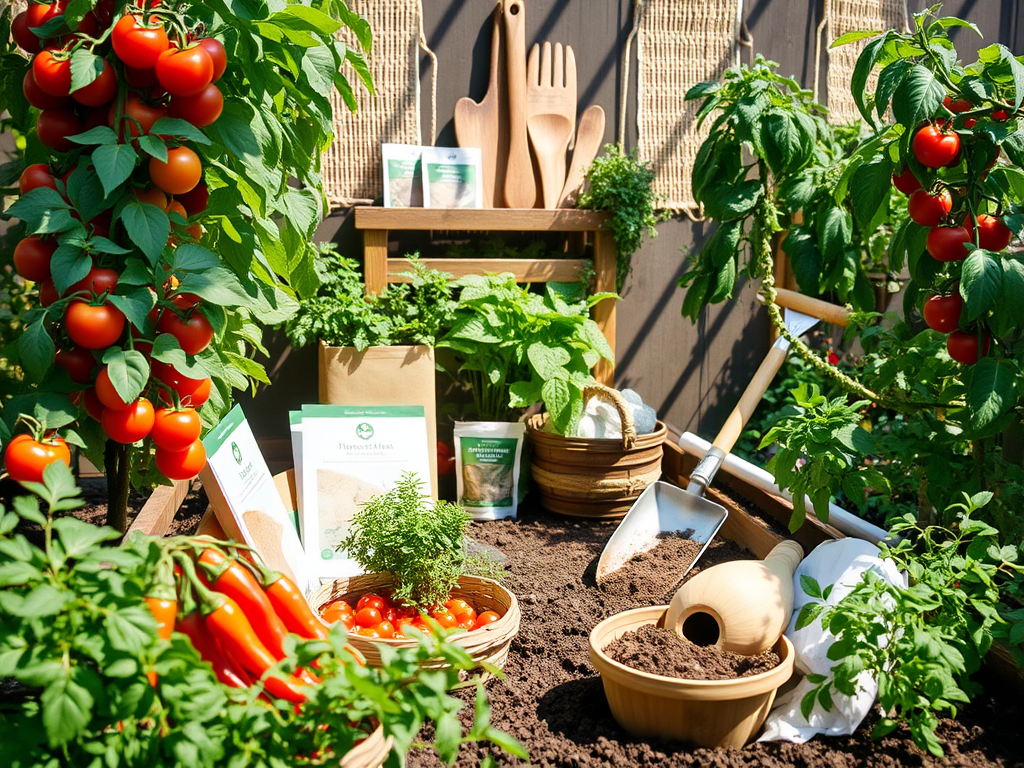
Homesteading is all about making the most of what you have, and that includes your garden. One of the most important steps in ensuring a productive and financially sustainable garden is planning and budgeting. While gardening can be an enjoyable and rewarding experience, there are costs involved—seeds, soil amendments, tools, and equipment can all add up quickly. With a little foresight and strategy, you can reduce waste, maximize your harvest, and save money along the way. Here’s how to budget for a productive garden season on your homestead.
Assess Your Garden’s Needs
Before you can start budgeting, it’s essential to evaluate your garden’s needs. Take a look at last season’s harvest to see what worked and what didn’t. Which crops were abundant, and which ones struggled? Assess what tools or equipment you might need to upgrade or replace, such as gardening gloves, watering systems, or soil testers.
Make a list of the crops you plan to grow, paying attention to any new varieties or seeds you may want to try. Prioritize the crops that will give you the most yield and those that are most expensive to buy in the store, such as tomatoes, peppers, or herbs. If you’re growing for a market or local sales, plan for crops that will give you the best return on investment.
Plan Your Seed and Plant Purchases Wisely
Seeds are one of the most significant costs when it comes to gardening, so it’s important to plan your purchases carefully. Here are a few strategies for getting the best value:
- Buy in bulk: If you plan to grow a particular crop in large quantities, consider buying seeds in bulk. Often, bulk seed purchases have a lower cost per unit, and you’ll have enough for multiple seasons.
- Save your seeds: Many homesteaders save seeds from their own harvest to plant the next year. This can significantly reduce costs, especially for crops like tomatoes, beans, and peas. Just be sure to properly store the seeds to keep them viable for future seasons.
- Buy from local seed swaps or farmers’ markets: If you’re looking to experiment with new varieties, try attending seed swaps or purchasing from local farmers’ markets. Not only does this support your local community, but you might find seeds that are more suited to your specific growing region.
- Consider perennial plants: While it may be a larger upfront investment, planting perennials (like asparagus, rhubarb, or certain herbs) can save you money over the long run. Once established, these plants will yield year after year, eliminating the need for yearly seed purchases.
Track Soil Amendments and Fertilizers
Healthy soil is the foundation of a successful garden, and the right amendments and fertilizers can make a significant difference in plant health. However, the costs of soil improvement can add up quickly.
- Test your soil: Start by testing your soil’s pH and nutrient levels. Many agricultural extension offices offer free or low-cost soil testing services. Once you know what your soil needs, you can avoid purchasing unnecessary amendments.
- Compost: Rather than buying bags of compost or fertilizer, start your own compost pile using kitchen scraps, yard waste, and animal manure. This reduces the need for store-bought fertilizers and helps improve your soil’s structure over time.
- Mulch: Mulching your garden can help retain moisture, prevent weeds, and improve soil health. Consider making your own mulch from grass clippings, leaves, or straw, which are often free or low-cost.
Invest in Tools and Equipment
Gardening tools can be an investment, but they can also save you time and effort. While you don’t need to buy every tool in the store, there are a few key items that can make gardening more efficient.
- Start with the basics: A quality shovel, hoe, rake, and pruners are essential tools for any garden. You don’t need to buy high-end versions right away, but investing in durable, good-quality tools will save you money in the long run, as they’ll last longer.
- Shop second-hand: Check local thrift stores, yard sales, or online marketplaces for gently used gardening tools. Many homesteaders find that buying second-hand saves them a significant amount of money without sacrificing quality.
- Prioritize multi-functional tools: Consider investing in tools that serve multiple purposes, like a hoe that can also function as a rake or a watering system that can be adjusted for different parts of the garden.
Maximize Space and Minimize Waste
Efficient use of your garden space can help you get the most out of every square foot, reducing the amount of seed and resources you need. This not only saves money but also increases your harvest.
- Plan your layout carefully: Use companion planting techniques to make the most of your garden space and promote plant health. For example, planting nitrogen-fixing legumes like beans alongside heavy feeders like corn can help naturally fertilize the soil.
- Practice succession planting: To extend your harvest and reduce the need for new seeds, practice succession planting. This means planting crops in intervals, so as one crop finishes, another is already maturing.
- Start small: If you’re new to gardening or don’t have a lot of space, it’s better to start small and gradually expand. It’s easy to get excited and plant too much, but starting small allows you to learn, adjust, and avoid wasting resources on crops that won’t thrive.
Monitor and Adjust Your Budget Regularly
The key to sticking to any budget is monitoring your expenses throughout the season. Keep track of every purchase, from seeds to soil amendments to equipment. Regularly assess your garden’s performance—if you find that some crops aren’t yielding as expected or that a particular tool is costing you more than it’s worth, adjust your plans accordingly. You can also factor in additional costs like water usage or pest management as needed.
Conclusion
Gardening on a homestead doesn’t have to break the bank. With a thoughtful approach to budgeting, you can reduce costs, make the most of your space, and increase your garden’s productivity. Start by assessing your garden’s needs, prioritizing your purchases, and looking for cost-saving alternatives like seed saving and composting. By keeping a close eye on your expenses throughout the season, you can enjoy a bountiful harvest without financial stress. Happy gardening!