Tag: homesteadinglife

  • Modern Homesteading vs. the Past: What’s Changed and How to Start Today

    Modern Homesteading vs. the Past: What’s Changed and How to Start Today

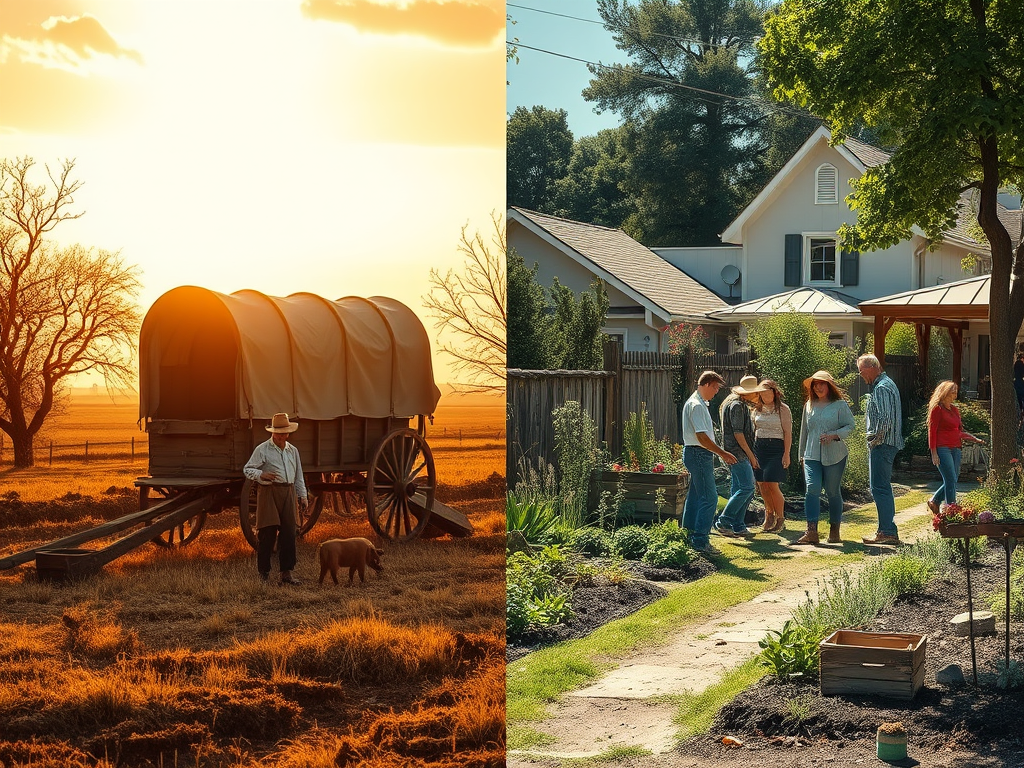
    When most people hear the word homesteading, they picture covered wagons, prairie houses, and families carving a life out of wild land. That picture isn’t wrong—it comes from the original Homestead Act of 1862, when families could claim 160 acres of land if they farmed it, built a home, and survived on it.

    Back then, homesteading wasn’t a lifestyle choice. It was survival. If you didn’t grow it, hunt it, or trade for it, you simply went without.

    Fast forward to today, and modern homesteading looks very different. It’s not about proving up a land claim anymore—it’s about weaving self-sufficiency into our everyday lives, no matter where we live. Whether you’re on a few acres, in the suburbs, or even in an apartment, you can practice homesteading skills and reap the rewards.

    Homesteading Then vs. Now

    Food & Survival

    Then: Families relied 100% on what they could grow, hunt, or trade. If the harvest failed, survival was at risk.

    Now: We can walk into a grocery store if the garden flops—but many of us still grow and preserve food because it gives us peace of mind, healthier options, and a sense of control.

    Daily Life

    Then: Families worked sunup to sundown just to put food on the table. Every task—hauling water, chopping wood, cooking—was done by hand.

    Now: Most of us balance homesteading with jobs, kids, and busy schedules. We aren’t being “paid” in land to do it—in fact, it usually costs us time and effort—but we do it because we value the lifestyle and what it gives back to our families.

    Tools & Technology

    Then: Canning was done over open fires, fences were built with hand tools, and communication with neighbors was rare.

    Now: We use stove tops for canning(easier temperature control), electric fencing to save hours of labor, and even online seed swaps to connect us with resources our great-grandparents couldn’t imagine.

    Community

    Then: Homesteaders were often isolated, relying only on family and a handful of neighbors.

    Now: We have farmers markets, co-ops, and online groups that remind us we’re not in this alone. Connection is a huge part of modern homesteading.

    Why People Are Turning Back to Homesteading

    So why are so many people embracing homesteading today?

    Food Costs & Quality: Rising grocery prices and concerns about food quality have made homegrown food more appealing.

    Lifestyle: Homesteading invites us to slow down, connect with nature, and enjoy hands-on skills like gardening, preserving, and caring for animals.

    Family Education: Kids get to learn responsibility, patience, and where their food actually comes from.

    Resilience: When supply chains are unpredictable or money gets tight, having skills and resources to provide for yourself is empowering.

    In short, modern homesteading isn’t about survival anymore—it’s about choice.

    How to Start (Even If You’re Busy)

    The idea of “homesteading” can feel overwhelming. But you don’t have to do everything at once—in fact, you shouldn’t!

    Here are a few ways to start small:

    Pick one skill or project at a time.

    Choose what excites you most (fresh eggs? a tomato plant? homemade bread?).

    Use the space you already have—balcony, backyard, or community garden.

    Learn as you go. Don’t wait for the “perfect setup.”

    Modern homesteading is about doing what fits your life and brings you joy—not checking off a list of chores.

    Final Thoughts

    Homesteading today looks very different from the past—but the heart behind it remains the same: building a life rooted in self-sufficiency, family, and resilience.

    You don’t need 160 acres to start. You don’t need to know it all. You just need to take one small step and begin.

    Don’t wait. Just start.

  • 5 Essential Tips for Starting a Garden: A Beginner’s Guide to Growing Your Own Food

    5 Essential Tips for Starting a Garden: A Beginner’s Guide to Growing Your Own Food

    Gardening for self-sufficiency is a rewarding and empowering way to take control of your food sources, reduce grocery bills, and reconnect with nature. Whether you’re aiming to grow a few vegetables on your balcony or transform your backyard into a mini farm, starting a garden for self-sufficiency is easier than you might think. I’ll guide you through the basics of starting out, from choosing the right crops to planning your garden layout, so you can get started with the confidence you need to succeed.

    Why Start Gardening for Self-Sufficiency?

    Before diving into the logistics of gardening, it’s important to understand the benefits that come with growing your own food:

    1. Save Money: Growing your own fruits, vegetables, and herbs can significantly reduce your grocery costs over time.

    2. Healthier Food: You’ll have direct access to fresh, organic produce free from harmful chemicals or pesticides.

    3. Environmental Impact: Growing your own food reduces the carbon footprint associated with transportation and packaging in grocery store products.

    4. Increased Food Security: By growing your own food, you are less dependent on commercial food systems, giving you more control over your nutrition.

    Do I have you convinced? Great, let’s get started.

    1. Start Small and Plan Your Garden

    If you’re just starting out with gardening, keep it simple at first! Kick things off with a few plants and get the hang of the basics – it’ll boost your confidence and give you the experience you need before going big. There’s nothing worse than feeling discouraged after your first year just because you took on too much. Planning ahead is also key to maximizing your space and picking the right plants for your area. No need to get bummed out over a plant that just wasn’t meant to grow where you are!

    Assess Your Space:

    – Backyard: If you have a yard, you may want to start with a raised bed or traditional garden plot. Raised beds are particularly helpful for beginners because they’re easier to manage, with fewer weeds and better drainage.

    – Balcony/Patio: If you don’t have much space, container gardening is an excellent choice. You can grow herbs, leafy greens, and small vegetables in pots, ensuring that you maximize your available space.

    – Indoor: Growing food indoors can be a great option for those in apartments or colder climates. Herbs, microgreens, and even dwarf varieties of tomatoes and peppers can thrive indoors with the right lighting.

    Plan What to Grow:

    Start by thinking about the foods you use most often. Focus on crops that are easy to grow, have a high yield, and can be stored for later use. Consider growing:

    Leafy Greens: Spinach, kale, and lettuce are quick to grow and ideal for beginners.

    Root Vegetables: Carrots, beets, and potatoes are hearty and thrive in many climates.

    Herbs: Basil, mint, parsley, and cilantro are great for adding flavor to meals and grow well in small spaces.

    Tomatoes and Peppers: These are common self-sufficiency staples, and with the right care, they can be incredibly productive.

    Legumes: Beans and peas enrich the soil while providing a valuable source of protein.

    Be sure to consider your climate and growing season. Research what plants are best suited to your area and when to plant them to ensure success.

    2. Prepare the Soil

    Healthy soil is the foundation of any successful garden. For self-sufficiency, you’ll need soil that is nutrient-rich, well-draining, and capable of supporting your crops throughout the growing season.

    Improve Your Soil:

    Composting: Start composting kitchen scraps, lawn clippings, and yard waste to create nutrient-dense soil. Composting helps to enrich the soil, improve its structure, and promote healthy plant growth.

    Soil Amendments: You may need to amend your soil with organic matter such as compost, manure, or garden soil. Test your soil to see if it needs any adjustments, like adding lime for acidity or sulfur to lower pH levels.

    Mulching: Mulch helps retain moisture, suppresses weeds, and keeps the soil temperature stable. Use organic mulch like straw, wood chips, or grass clippings.

    3. Start with the Right Tools

    Having the right tools can make gardening easier and more enjoyable. Some basic gardening tools you’ll need include:

    Garden Gloves: Protect your hands from thorns, dirt, and pests.

    Trowel or Hand Fork: Essential for digging and planting small seeds or plants.

    Watering Can or Hose: Make sure your plants stay hydrated, especially during dry spells.

    Pruning Shears: These are important for trimming plants and removing dead growth.

    Spade or Shovel: Useful for digging and turning over the soil in larger beds.

    Start with a small collection of basic tools, and as you gain more experience, you can gradually expand your toolkit.

    4. Plant and Care for Your Crops

    Once your garden space is prepared and your tools are ready, it’s time to plant. Follow the recommended planting instructions on seed packets or plant labels, and ensure your crops have the proper spacing for healthy growth.

    Watering:

    Proper watering is key to plant health. While the needs of each crop vary, aim to water early in the morning or late in the evening to reduce evaporation and prevent diseases. Check your plants regularly to ensure they’re not too dry or waterlogged.

    Fertilizing:

    To boost plant growth, use organic fertilizers like compost or aged manure. Fertilize at regular intervals as recommended by the plant type, but avoid over-fertilizing, which can harm plants.

    Pest Management:

    While pests are a part of gardening, there are natural ways to manage them. Try companion planting (e.g., planting marigolds with tomatoes to deter pests), introducing beneficial insects (like ladybugs), and using organic pest control methods such as neem oil or insecticidal soap.

    5. Harvest and Store Your Crops

    The fruits of your labor will eventually come to fruition. Harvest your crops when they’re ripe, but don’t wait too long, as overripe produce can attract pests.

    Storing Your Bounty:

    Self-sufficiency involves not just growing food but also preserving it for later use. Some options include:

    Canning: Preserve fruits, vegetables, and even meats by canning them in jars. Make jams, sauces, and soups for long-term storage.

    Freezing: Many vegetables can be frozen for later use. Flash-freezing helps preserve their texture and flavor.

    Drying: Herbs, fruits, and even some vegetables can be dried and stored for extended use.

    Root Cellar: Certain crops like potatoes, carrots, and winter squash can be stored in a cool, dark place for months.

    Final Thoughts

    Starting a garden for self-sufficiency is a rewarding journey that’s all about continuous learning. Every season offers new challenges and opportunities to experiment with different crops, techniques, and food preservation methods. By starting small with a well-planned garden, focusing on soil health, and mastering the basics, you’ll set yourself up for success. As you gain experience, you’ll see your yield grow, and so will your confidence in growing your own food. Gardening is a skill that improves with time, so stay patient, curious, and enjoy watching both your garden and your self-sufficiency flourish. Happy gardening!