Tag: homesteading

  • Why I Started Blogging: A Journey of Sharing, Growth, and Connection

    Why I Started Blogging: A Journey of Sharing, Growth, and Connection

    Starting a blog felt like a distant dream for years, I was held back by the nagging grip of self-doubt. The idea of sharing my thoughts publicly intimidated me; I often questioned whether my words would resonate with anyone. Each time I considered it, I pushed the idea aside, allowing my lack of confidence to overshadow my aspirations. It seemed easier to dismiss the idea entirely, and so I did, watching my dreams slip away unnoticed. However, I finally mustered the courage to take the plunge, and the journey that followed has been incredibly rewarding. Here’s what has motivated me to finally take that significant step and keep chugging along.

    A Need to Share My Passion 

    We all have passions, and for me, that passion lies in homesteading. The joy that fills my little heart when I’m outside in the sunshine, taking care of my animals or gardening, is like no other. It feels like a fleeting escape to a simpler time when living off the land was the norm, far removed from the societal pressures and the relentless 9-to-5 bullshit routines of modern life. While I appreciate that some folks can successfully embrace a completely off-grid existence, that’s just not in the cards for me right now, and that’s okay. Finding a balance between my dreams and reality is sufficient.

    Through blogging, I’ve discovered a fantastic way to express my passion, share knowledge, and recount the experiences that have shaped my journey. The desire to release these thoughts, rather than keeping them confined, has urged me to connect with others who might find value or inspiration in my story. Whether it involves offering practical tips, narrating personal anecdotes, or initiating meaningful dialogues, this platform has transformed into my creative outlet. It allows me to encourage others to embark on their own homesteading adventures and fosters connections with individuals who share similar interests.


    A Space to Process and Reflect 

    Life moves fast, and it’s easy to get caught up in the daily grind without taking time to reflect on where you’ve been and where you’re headed. Blogging has become a form of therapy for me—a way to process my thoughts, celebrate my wins, and work through challenges.
    When I write, I find clarity. Ideas that once felt scattered begin to make sense, and I often discover new perspectives I hadn’t considered before. Blogging is not just about creating content for others—it’s also about creating space for myself to grow and evolve.


    A Desire to Help Others 

    Blogging offers a deeply rewarding experience when it comes to helping others. Whether I share practical advice, lessons learned from my own missteps, or simply words of encouragement, my goal is to be a supportive resource. This blog serves as a platform for that mission. I’ve already connected with beginner homesteaders through social media, addressing inquiries ranging from “What’s wrong with my chicken’s butt?” to “How do I make a sourdough starter?” Feeling a profound sense of gratitude, I cherish the chance to respond to these questions; because they were once my own.


    I aspire to be a reliable source for any question you might have, regardless of how insignificant it may seem. Here, you won’t face judgment for not having conducted thorough research or for feeling uninformed. There’s far too much negativity in the world already. My vision for this blog is to create a space where readers find genuine support and value. If I don’t have the answer right away, rest assured I’ll make every effort to find it for you! Knowing that even a single person might read my post and leave feeling inspired, informed, or uplifted brings a profound sense of achievement.

    The Joy of Creativity  

    Writing has always been a creative outlet for me. Blogging gives me the freedom to explore this passion in a way that feels authentic and exciting. From brainstorming ideas to crafting stories to designing my website, the process of building a blog has been a deeply satisfying and creative journey so far.
    What’s even better is that blogging allows me to combine multiple interests; after all, it’s my blog, right? I can share my favorite recipes, talk about my animals, gardening, and my art projects. It’s a space where my creativity can thrive without boundaries.

    A Push Out of My Comfort Zone

    Starting a blog wasn’t easy. It meant putting myself out there, risking criticism, and confronting my own self-doubt. I know that growth doesn’t happen in our comfort zones, so it was time to step out of the box and burn it down so I could never go back.


    Blogging has challenged me to develop new skills, from learning how to create engaging content to understanding the technical side of running a website. It has pushed me to become more disciplined, confident, and open to feedback. While it hasn’t always been smooth sailing, the challenges have been worth it.

    Building Connections 

    Throughout my blogging journey, one of my aspirations is to forge meaningful connections. Engaging on social media has introduced me to numerous homesteaders who resonate with my interests and values. Their kindness and encouragement stand out, creating a stark contrast to the often harsh reality we see in the physical world.


    While the internet can feel overwhelming at times, it also serves as a remarkable platform for discovering a supportive community united by shared passions. Through my blogging efforts, I hope to deepen these connections and cultivate this growing network. In addition to the homesteading community I’m gradually nurturing, I’ve also found camaraderie within the WordPress environment. The inspiring writers here provide valuable insights and thoughtful reflections that uplift and motivate me.


    To Embrace the Journey, Not Just the Destination  

    Blogging isn’t about perfection or instant success—it’s about the journey. I didn’t start blogging to become an overnight success or to make a quick buck. I started because I wanted to grow, share, and connect with others. And if, along the way, I can use my blog to retire from my 9-to-5 job early? Then so be it. I definitely wouldn’t be opposed to that.


    Each post I write, each comment I receive, and each new idea I explore is a step forward in this ever-evolving journey. And that’s what keeps me coming back to the keyboard.

    Final Thoughts

    Starting this blog has been one of the most rewarding decisions I’ve ever made. It’s challenged me, inspired me, and connected me to a world of incredible people. It’s given me a space to share my voice, reflect on my journey, and make a small difference in the lives of others.  

    If you have dreams you haven’t chased yet because your self doubt krept in. I encourage you to take the leap. Don’t worry about being perfect or having all the answers—just start. The journey will teach you everything you need to know and you’ll be so glad you did. 

  • Spring Into Action: Prepping Your Garden Beds For This Growing Season

    Spring Into Action: Prepping Your Garden Beds For This Growing Season

    If you are anything like me, your anxious to get back outside. After being stuck inside trying to stay warm. I’m sure we are all ready for the sun to grace us with her warm smile.

    Well I have good news. Raise your trowels in the air and we’ll burst into battle…..the battle that is preparing our spring garden beds. With all jokes aside we really can start prepping our garden beds. As winter begins to wind down, it’s the perfect time to prepare your garden for a great growing season. Getting a head start on cleaning up and organizing your space now will set yourself up for a smoother, more successful spring planting season. Let’s get into it!

    Rake It Till You Make It

    First things first, let’s start by cleaning up any leftover debris from the fall and winter months. Any fallen leaves, dead plants, and branches all need to go. They create hiding spots for pests and harbor diseases. That would definitely put a damper come spring time when all you want to do is plant your tomato babies. So rake up leaves and remove any dead plant material from garden beds and pathways. Compost what you can and discard the rest. Not all plants are meant to be composted. You also don’t want any diseased or pest-infested material to infect healthy plants later.

    Pot-ential Cleanliness Awaits

    Time to clean out your pots and containers from last season. Scrub them with warm, soapy water (yes, pots get dirty, too) and disinfect them with a bleach solution to prevent any lingering pests or diseases. Plus, it’s always nice to start the season with a fresh slate—no one likes a plant holding on to last year’s bad vibes.

    Let’s Cut To The Chase

    If you have trees, shrubs or perennials. Now is a great time to prune them back. Prune away any dead, diseased, or damaged branches before new growth starts in the spring. Make sure to clean your tools if you are working with diseased plants. You don’t transfer anything to your healthy plants.

    Woman cleaning her garden tools

    Ready, Set, Sharpen!

    Just like most of our waistlines, your garden tools have also been neglected and forgotten about over the winter. Take the time to clean, sharpen, and oil them. Getting this done before the busy planting season means you won’t have to stop to do this later, allowing you to focus on your task at hand. Shovels, hoes, pruners, and gardening forks all need sharp edges to complete your tasks in a timely manner. Don’t forget to clean the rust spots, and when you’re done cleaning them, store them in a dry area so they stay ready until you need them.

    Bracing For A Stronger Garden

    Now is a good time to inspect, repair or add any garden structures. Check your raised beds, fences, or trellises and make sure they haven’t been damaged over the winter months. Make sure raised beds are level and intact, so they’ll be ready for planting.

    Soil Your Hands Not Your Plans

    You might notice weeds starting to emerge as late winter transitions into early spring. Now is a perfect time to tackle those unwanted weeds. Making your gardening efforts much easier before they have a chance to spread. consider lightly tilling or turning the soil within your garden beds. This practice can enhance aeration and facilitate improved drainage. However, if the ground remains too frozen or saturated, it’s best to patiently wait until the soil becomes workable.

    Since you’re already digging your hands into the earth, this is also an opportune moment to amend your soil. Quality soil is essential for a thriving garden, so now is an excellent time to analyze its characteristics. Assess the pH level and nutrient content. Based on your findings, you can enhance the soil by adding compost, organic materials, or soil conditioners. Getting ahead start stage allows sufficient time to decompose and blend into the soil. Ensuring it’s fully prepared for planting season.

    Digging Into Your Garden Blueprint

    It’s still be cold out, there might even be snow on the ground where you live. That doesn’t mean you can’t plan out this years successful harvest. Reflect on what worked for you last year and take that into consideration. Make notes of new plants or varieties you want to try and make sure you have all your seeds purchased. Planning ahead helps prevent overcrowding but also ensures you make the most of the space available. I like to draw out my plans and also use the “Planter” app. Doing both help me achieve a great layout and also space everything out accordingly.

    Sowing the Seeds of Success

    Your local climate plays a crucial role in determining when you can begin planting. Depending on what zone your in, you might find yourself able to plant cold-hardy crops quite early in the season. For instance, last year, I had great success growing broccoli and lettuce ahead of schedule by utilizing crop covers to protect them from chilly temperatures. Also, if you have the space available, starting seeds indoors can be an excellent way to get a jump on your gardening endeavors. Embracing these early planting strategies can lead to a fruitful harvest before traditional planting times arrive.

    A Final Sprout

    With these helpful suggestions, you can set yourself up for a fruitful and satisfying growing season. It’s an ideal opportunity to get a jump start on your spring garden. So when the time is right, you can get straight to planting! Slip on those gardening gloves, embrace the earth, and get ready to witness your garden thrive along with your gardening skills. Enjoy the joys of gardening!

    Remember, gardening isn’t a race. It’s not about achieving perfection; it’s about having fun, watching things grow, nourishing your body and learning along the way. Enjoy the sunshine, take a moment to breathe in the fresh air and maybe even stop for a cup of tea while you work. Your garden will thank you for it—especially once it’s all spruced up and ready to burst into life

  • Why I’m Choosing Dairy Goats Over Dairy Cows: A Personal Perspective

    Why I’m Choosing Dairy Goats Over Dairy Cows: A Personal Perspective

    When it comes to raising animals for milk. Most people automatically picture a serene countryside with big, gentle dairy cows grazing in the fields. For a long time, I did too. But after weighing the options and considering my personal circumstances, I’ve decided to go a different route—dairy goats. While both cows and goats have their merits. I’ve found that goats are a better fit for my needs, lifestyle, and farm setup. Here’s why I’m choosing dairy goats over dairy cows.  

    Space and Resource Efficiency

    One of the biggest reasons I opted for goats is their size. Dairy goats require far less space and resources compared to cows. On a small homestead, every square foot matters, and goats are much more manageable in smaller pastures and barns.  

    Additionally, goats eat less than cows and can thrive on less pasture. They’re also great foragers, happily munching on weeds, brush, and other plants that cows might ignore. This makes them ideal for smaller farms or those with limited grazing areas.  

    Manageable Size and Temperament

    Let’s face it—cows are big. While their size can be awe-inspiring, it can also be intimidating. For someone new to dairy farming or managing livestock solo, the idea of handling a 1,000-pound animal can be overwhelming.  

    Dairy goats, on the other hand, are much smaller and easier to handle. They’re less likely to accidentally step on your foot(and break it) or knock you over. Making them a great choice for families with kids or individuals who want a low-risk experience with dairy animals. Their smaller size also means less worry about heavy-duty fencing or large-scale equipment.  

    Lower Startup and Maintenance Costs

    Raising cows comes with a hefty price tag. From purchasing the animal to feeding, housing, and veterinary care, the costs can add up quickly. Goats are significantly less expensive to buy, feed, and maintain.  

    Even the equipment needed for milking is more affordable with goats. Instead of investing in a large, expensive milking machine. You can milk goats by hand or with smaller, less costly equipment. For someone starting out or working on a budget, this can make all the difference.  

    High-Quality Milk with Unique Benefits

    Goat milk has a unique flavor profile and nutritional benefits that set it apart from cow milk. It’s naturally easier to digest due to its smaller fat globules and different protein structure. Making it a great option for people with sensitive stomachs or lactose intolerance.  

    Goat milk is also rich in vitamins and minerals, including calcium, magnesium, and potassium. And let’s not forget its creamy texture, which makes it ideal for homemade cheeses, yogurts, and even soaps. While cow milk has its place, the versatility and digestibility of goat milk make it a clear winner for me.  

    Faster Breeding and Higher Productivity

    Goats tend to mature faster than cows, meaning they can start producing milk at a younger age. They also have shorter gestation periods, which makes it easier to grow a small herd.  

    While goats don’t produce as much milk per animal as cows, their overall productivity can be higher on a small scale due to their quicker breeding cycles and ability to produce milk year-round with proper care. For someone looking to maximize efficiency, this is a huge plus.  

    Personality and Connection

    I’ve always been drawn to the playful, curious nature of goats. They’re social animals with distinct personalities, and their antics can bring a lot of joy to the farm. Whether it’s their funny hops or their love for human interaction, goats bring a sense of fun and connection that’s hard to match.  

    While cows can also be sweet and gentle, they don’t have the same mischievous charm as goats. For me, the bond I can form with my animals plays a big role in my decision. 

    Versatility Beyond Milk

    Goats are incredibly versatile animals. Beyond milk, they can help with weed control, provide manure for composting, and even serve as companions for other livestock. Their multi-functional role on the farm makes them invaluable, especially for small-scale or diversified homesteads.  

    Final Thoughts

    Choosing between dairy goats and dairy cows ultimately comes down to your goals, resources, and personal preferences. While cows have their advantages—such as larger milk yields and traditional appeal. I’ve found that goats align more closely with my needs and vision for my farm.  

    Their smaller size, lower costs, and unique milk benefits make them a practical and rewarding choice for me. Plus, their quirky personalities are just the icing on the cake. If you’re considering adding dairy animals to your farm, don’t overlook the humble goat—you might just fall in love with them as I have.  

    What about you? Would you choose goats or cows for your dairy journey? Let me know in the comments—I’d love to hear your thoughts!

  • Coping with Seasonal Depression

    Coping with Seasonal Depression

    As the days grow shorter and colder, many people find themselves feeling more tired, less motivated, and emotionally drained. For some, this isn’t just a passing mood but a deeper struggle known as Seasonal Affective Disorder (SAD), a type of depression that typically occurs during the fall and winter months. Seasonal depression can make even the simplest tasks feel overwhelming, but understanding its causes and learning how to cope can make a significant difference.

    Depcting the "winter blues"

    Why Winter Feels Harder

    Winter months can be particularly challenging for those dealing with seasonal depression due to a combination of environmental, biological, and psychological factors:

    Lack of Sunlight: Shorter days mean less exposure to sunlight, which can disrupt your body’s internal clock (circadian rhythm). This disruption can lead to lower levels of serotonin, a mood-regulating brain chemical, and an increase in melatonin, which affects sleep and energy levels.

    Colder Temperatures: Harsh weather can limit outdoor activities, making it harder to stay active or socialize. Being cooped up indoors can intensify feelings of isolation and fatigue.

    Holiday Pressures: The holiday season, while joyous for some, can bring added stress, financial concerns, or feelings of loneliness, which exacerbate symptoms of seasonal depression.

    Changes in Routine: The shift in daily schedules due to weather or holiday activities can disrupt healthy habits like regular exercise, sleep patterns, or balanced eating, all of which play a role in managing mood.

    Physical Effects: Cold, dry air and lack of exercise can leave you feeling physically sluggish or even unwell, contributing to mental and emotional exhaustion.

    Symptoms of Seasonal Depression

    While everyone experiences occasional winter blues, symptoms of seasonal depression are more persistent and impactful. These can include:

    – Persistent low mood or sadness  

    – Loss of interest in activities you usually enjoy  

    – Fatigue or low energy, even after rest  

    – Difficulty concentrating or making decisions  

    – Changes in appetite or weight (often craving carbohydrates)  

    – Feelings of hopelessness or irritability  

    – Oversleeping but still feeling tired  

    If these symptoms persist or interfere with your daily life, it’s important to take them seriously and seek support. You can reach out to friends and family or see a doctor.

    Looking out to cold, snowy weather.

    How to Cope with Seasonal Depression

    While winter’s challenges are unavoidable, there are several effective strategies to help you manage seasonal depression and improve your overall well-being.

    Maximize Sunlight Exposure

    – Spend time outside during daylight hours, even if it’s cloudy. A brief walk can still make a difference.  

    – Open curtains and blinds to let natural light into your home.  I personally like to pretend I’m a house plant and sit right next to the window. 😂

    Stay Active

    Regular exercise can boost serotonin and endorphins, which improve mood. Activities like yoga, walking, or dancing indoors can help combat lethargy and improve focus.

    Maintain a Routine

    Stick to a consistent daily schedule, including regular sleep and meal times. This can help stabilize your mood and energy levels.

    Prioritize Social Connection

    Even if it feels harder in the winter, reach out to friends, family, or support groups. Sharing how you feel with someone you trust can ease the burden of isolation.

    Eat Nourishing Foods

    While cravings for comfort foods are normal, aim to balance your diet with nutrient-rich options like lean protein, fruits, vegetables, and whole grains. Limit excessive sugar and caffeine, which can worsen energy crashes.

    Practice Self-Care

    Engage in activities that bring you joy and relaxation, whether it’s reading, crafting, or taking a warm bath. Mindfulness practices like meditation or deep breathing can also help reduce stress.

    Seek Professional Support

    If symptoms of seasonal depression are severe or unmanageable, don’t hesitate to seek help. A therapist or counselor can provide coping strategies, and in some cases, medication may be recommended. 

    Consider Vitamin D Supplements

    A lack of sunlight often leads to Vitamin D deficiency, which has been linked to depression. Speak with your doctor about testing your levels and supplementing if needed.

    Focus on Small Wins

    When motivation is low, even minor tasks can feel monumental. Break your day into small, achievable goals and celebrate progress, no matter how small.

    Embrace Hygge

    Hygge, a Danish concept of cozy comfort, involves creating a warm and inviting environment. Light candles, snuggle under blankets, and enjoy simple pleasures like hot tea or a good book to create a sense of well-being during the darker months.

    When to Seek Help

    If seasonal depression begins to interfere with your ability to function at work, school, or home—or if you experience thoughts of self-harm—it’s crucial to reach out for professional help. Seasonal depression is treatable, and you don’t have to face it alone. I have several family members that have the need for medication during the winter months, however it took some time before the recognized the signs.

    Final Thoughts

    Winter may feel heavier for those dealing with seasonal depression, but it’s important to remember that these feelings are temporary and manageable. By implementing small, intentional changes and seeking support, you can navigate the darker months with more resilience and hope. Spring will come, and so will brighter days—both outside and within.  

    Take care of yourself, and remember that seeking help is a sign of strength, not weakness. You’ve got this.

  • The Concept of Living a Very Long Life: A Journey of Loss, Growth, and Resilience

    The Concept of Living a Very Long Life: A Journey of Loss, Growth, and Resilience

    Daily writing prompt
    What are your thoughts on the concept of living a very long life?

    As human beings, we often dream of living a long life—one filled with health, happiness, and the potential to experience all that the world has to offer. But, what does it truly mean to live such a life, and how do we navigate the challenges that come with extended years? Living a long life, while a blessing in many ways, is also a profound journey that requires a strong sense of self, resilience, and an ability to embrace both the joys and losses that come with the passage of time.

    The Promise and Burden of Longevity

    The idea of a long, healthy life is appealing, but it comes with the understanding that as we age, we inevitably witness the loss of loved ones, friends, and possibly even our own sense of familiarity with the world around us. Living through such profound changes means learning to face loss repeatedly, a process that can be emotionally and mentally taxing. 

    We often think of aging in terms of physical decline or the fear of missing out on experiences. However, the real emotional challenge lies in the mental and psychological effects of outliving many people close to us. There is a certain weight to witnessing the passage of time, where memories fade, loved ones pass, and the world around us seems to change in ways we struggle to adapt to. To live a long life, you would need to have a mind that is not only resilient but also flexible enough to continue finding joy, meaning, and purpose even as the landscape of life shifts.

    Sand passing through an hour glass

    The Power of a Sound Mind

    One of the key aspects of living a long life with grace is the ability to cultivate and maintain a sound mind. It’s not just about physical health but about mental and emotional resilience. How does one continue to find meaning in life when many people who once shaped our world are no longer there? How do we preserve our identity and sense of self when the world around us is constantly evolving?

    This is where having a strong sense of who you are becomes paramount. Those who live long lives must be individuals who continually redefine their purpose. Whether it’s through nurturing new relationships, exploring new ideas, or diving deeper into personal passions, it’s crucial to continue discovering and rediscovering what brings joy and fulfillment.

    It’s important to understand that a long life isn’t about clinging to the past or fearing the future. Rather, it’s about embracing the present moment while understanding and accepting the inevitable changes that come with time. Finding peace within yourself and your life, no matter how long it lasts, means accepting that loss will be a part of the journey.

    Living Within Nature

    Perhaps one of the most profound ways to live a long, healthy life is to connect with nature. Nature offers us a steady rhythm that can be grounding in moments of turbulence. There is wisdom in recognizing that we, too, are a part of the natural world—born, evolving, and eventually fading back into it. By aligning ourselves with nature’s cycles, we can learn to accept the ebb and flow of life with greater ease.

    Living within nature means understanding your place in the grand tapestry of life. It means recognizing that you are both a product of the earth and a fleeting presence in its vast history. It allows for perspective, a reminder that our individual lives are just one small chapter in a much larger story, and in this understanding, we find peace.

    An elderly woman leaning against a tree. Living within nature and understanding our place with it.

    The Role of Resilience

    Living a long life is undoubtedly about resilience. It’s not about avoiding loss or hardship but learning how to cope with it when it comes. Resilience is what allows us to continue finding our way after experiencing deep sorrow or facing the reality of our own mortality. It’s the inner strength to keep moving forward, even when the path ahead seems unclear. 

    For those who have lived long lives and endured many losses, resilience often manifests in an unshakable sense of purpose. It is found in the small things—like tending to a garden, watching the sunset, or helping a younger generation find their way in the world. These acts of continuity help to solidify our place in time, reaffirming that while we may lose people and things, we can still shape the world around us in meaningful ways.

    Finding peace in the little things, like watching the sunrise

    Conclusion: A Life Well Lived

    In the end, the concept of living a very long life is about much more than just the number of years. It’s about living a life that is rich with experience, connection, and purpose. It’s about knowing that loss will be part of the journey, but not allowing it to define us. Through a sound mind, resilience, and a deep understanding of our place within nature, we can live a long life not just in terms of years but in depth and meaning.

    A long life is an opportunity—not just to experience the world more fully, but to leave behind a legacy of wisdom, growth, and grace that can inspire those who come after us.

  • Duck Eggs vs Chicken Eggs: Key Differences Explained

    Duck Eggs vs Chicken Eggs: Key Differences Explained

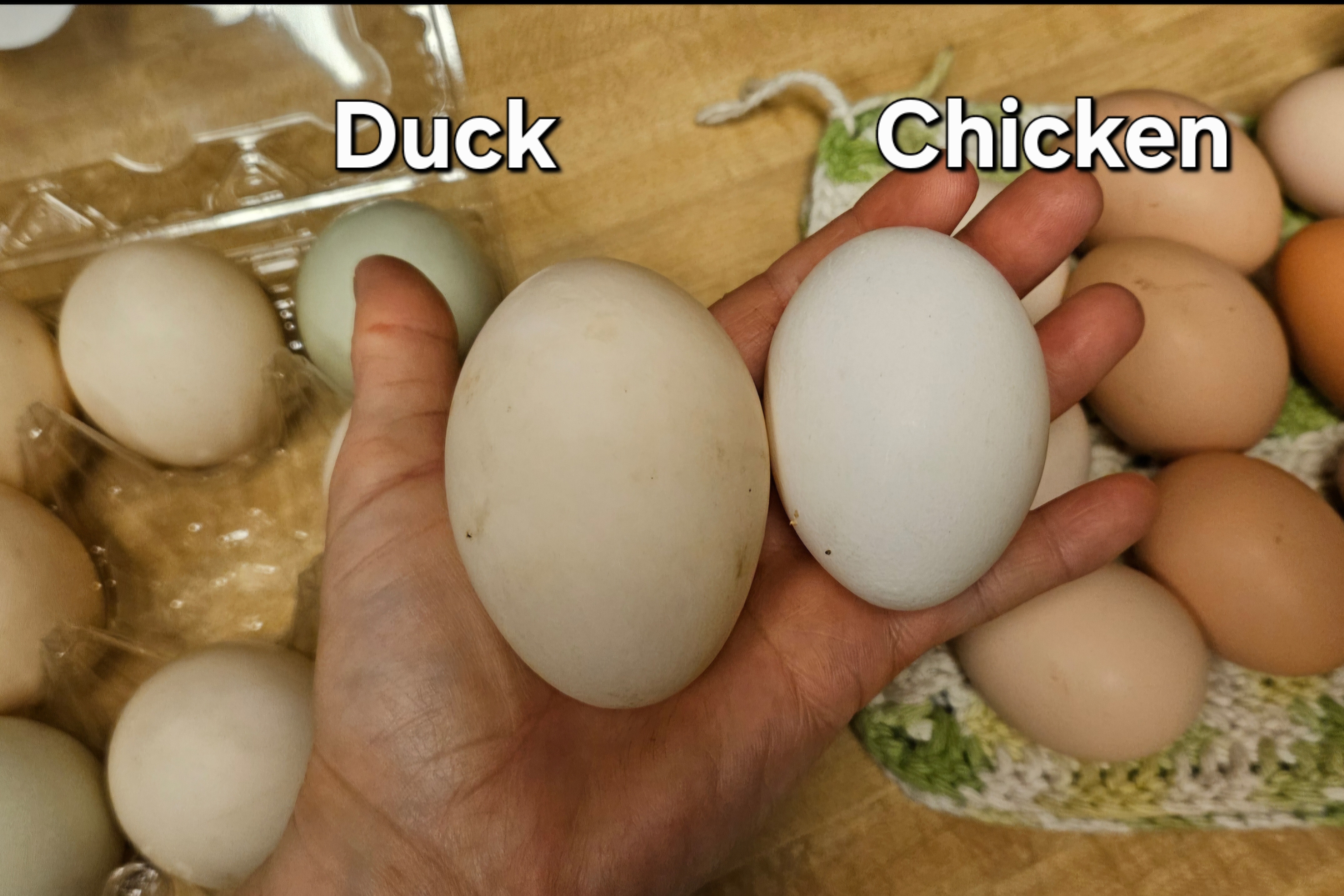
    Duck egg and Chicken egg side by side

    When it comes to choosing between duck and chicken eggs, both options might catch your eye during your next trip to the local market or while tending to your poultry on the homestead. These eggs may appear quite similar at first glance, but they offer distinct nutritional benefits, flavors, and culinary uses that set them apart. Duck eggs, for instance, are often richer and creamier than chicken eggs, making them a favorite among bakers and gourmet cooks alike. As you weigh the pros and cons of each type, it’s important to consider how these differences might align with your cooking needs and taste preferences. Understanding the unique qualities of duck eggs can help you make the best choice for your kitchen and lifestyle.

    Nutritional Content

    Higher Protein Content: Duck eggs contain more protein than chicken eggs, making them an excellent choice for those looking to increase their protein intake.  

    More Omega-3s: Duck eggs are rich in omega-3 fatty acids, which support brain health and reduce inflammation.  

    –Higher Vitamin and Mineral Levels: Duck eggs have more vitamins (A, D, B12) and minerals like iron and selenium compared to chicken eggs.  

    Calories and Fat: Duck eggs are larger and have a higher fat content, which provides more energy but might not be suitable for those on low-fat diets.  

    Flavor and Taste

    Duck eggs have a richer, creamier flavor compared to chicken eggs.  

    – The yolks are larger and have a more vibrant orange color, often described as “buttery.”  

    – Many bakers prefer duck eggs for their richer taste and ability to enhance baked goods’ texture and flavor. 

    Baking Benefits

    Duck eggs are a favorite among bakers and chefs.  

    Better Structure: The higher protein content helps create fluffier cakes, stronger meringues, and denser, more moist baked goods.  

    Richer Texture: Duck eggs contribute to a creamier texture in custards, quiches, and other recipes. 

    A dozen duck eggs

    Longer Shelf Life

    Duck eggs have thicker shells than chicken eggs, which:  

    – Makes them more durable and less likely to crack.  

    – Helps them stay fresher for longer, especially when stored properly

    Allergen Alternative

    Some people with chicken egg allergies find that they can tolerate duck eggs. While they’re not suitable for everyone, this can be a great alternative for those who miss eating eggs.

    More Sustainable for Small Homesteads

    Ducks are hardy, low-maintenance animals that:  

    – Lay eggs consistently, even in colder weather.  

    – Thrive in a variety of environments, including wetlands or small homesteads.  

    – Are great pest controllers, eating slugs, snails, and insects.  

    Their eggs can provide a reliable source of nutrition year-round.  

    Richer in Healthy Fats

    Duck eggs contain more healthy fats, including monounsaturated and polyunsaturated fats. These fats are important for heart health and maintaining healthy skin and hair. 

    Larger Size

    Duck eggs are larger than chicken eggs, which means:  

    – You get more egg per shell.  

    – Fewer eggs are needed for recipes or meals, making them more efficient in the kitchen.  

    Downsides to Consider

    While duck eggs offer many benefits, they may not be for everyone:  

    Cost: Duck eggs tend to be more expensive than chicken eggs due to lower supply.  

    Taste: The richer flavor might not appeal to everyone, especially if you prefer the lighter taste of chicken eggs.  

    Fat and Cholesterol: The higher fat and cholesterol levels may not suit individuals with specific dietary restrictions.

    Smell: The aroma of duck eggs can resemble that of cooked fish, depending on the cooking method. This scent is attributed to their rich omega-3 fatty acid content, which is similar to that found in fish.

    Which Should You Choose?

    Choosing between duck eggs and chicken eggs is a matter of personal taste, nutritional needs, and usage. For those in search of superior flavor, richer nutrition, or exceptional baking outcomes, duck eggs are an excellent option. Conversely, if a gentler flavor profile or specific dietary considerations are your priorities, chicken eggs remain a wonderful selection. For homesteaders, the decision to raise both ducks and chickens can yield a multifaceted experience—offering delicious eggs, natural pest control, and an array of dietary choices!


    Both duck and chicken eggs present an abundance of nutritional benefits and culinary versatility. Including a mix of these eggs in your dishes can bring an exciting variety of flavors and textures into your kitchen and home. Embracing the distinct characteristics of each type enriches your meals and broadens your cooking skills, enhancing the joy and diversity at your dining table. Whether you savor the robust taste of duck eggs or the subtler flavor of chicken eggs, having both available unlocks endless culinary adventures. Personally, I find duck eggs to be delightful! Have you had a chance to try duck eggs? I’d love to hear your thoughts in the comments!

  • Embrace Progress, Not Perfection

    Embrace Progress, Not Perfection

    Daily writing prompt
    What could you do differently?

    I often find myself reflecting on the things I could do differently. It’s a common thought process, one that comes when I recognize my shortcomings or mistakes—whether it’s my tendency to act out in anger or my struggles with patience. But here’s the thing: that’s just apart of life, it’s healthy, to think about those moments(just don’t dwell on them). After all, growth happens when we are willing to confront ourselves and the patterns we may want to change.

    However, I don’t believe that every aspect of my life needs to be changed. Some things, while they might not be perfect, are exactly how they should be. For example, my quick temper might be something I want to work on, but there are moments where standing up for myself or asserting my boundaries requires that little spark of frustration. Recognizing when that anger is productive and when it’s destructive is part of the process. That balance is a decision I get to make and the key here is deciding what to change and what to keep.

    We often think of personal growth as a constant need for improvement—like we’re broken and need fixing. But I’ve realized that change doesn’t mean abandoning everything about who we are. Sometimes growth comes from understanding what makes us strong, and knowing that it’s okay to keep certain parts of ourselves intact. After all, some of our behaviors, even the messy ones, are coping mechanisms or reflections of deep-rooted values.

    So, when I think about the mistakes I’ve made or the ways I react in difficult situations, I try to remind myself that they don’t define me. They are just moments in time or whispers in the wind. They are opportunities to learn and shift. I don’t have to constantly rewrite my entire story to grow. I can decide what deserves to change and what should stay. Growth isn’t about perfection; it’s about accepting where you are now and intentionally deciding how you want to evolve.

    At the end of the day, personal growth is about choice. It’s about deciding what aligns with your values and how you can be the best version of yourself. The most important thing? That decision is entirely yours and yours alone.

  • Bartering Basics: How to Trade Goods and Services in Your Homesteading Community

    Bartering Basics: How to Trade Goods and Services in Your Homesteading Community

    Bartering Basics:How to Trade Goods and Services

    In today’s world of modern conveniences, it’s easy to forget that before money became the norm, bartering was the primary way people exchanged goods and services. For homesteaders, bartering is a valuable skill that fosters a sense of community, reduces reliance on cash, and promotes sustainability. Whether you’re a seasoned homesteader or just starting your journey, learning how to barter effectively can be a game-changer for your lifestyle. Here’s a guide to help you get started with bartering in your homesteading community.  

    What Is Bartering?

    Bartering is the exchange of goods or services without using money. It’s a simple system: you offer something you have or can do in exchange for something you need. For example, you might trade fresh eggs for handmade soap or garden vegetables for help repairing a fence.  

    In a homesteading community, bartering allows neighbors to share resources and skills, creating a network of support and reducing waste. It’s not just an economic transaction—it’s a way to build relationships and strengthen your community.  

    Bartering Eggs

    Benefits of Bartering

    Save Money: One of the biggest advantages of bartering is that it reduces your reliance on cash. If you’re operating on a tight budget, bartering can help you get what you need without spending money.  

    Build Community Connections: Bartering encourages interaction with other homesteaders and neighbors. These connections can lead to lasting relationships, shared knowledge, and mutual support.  

    Reduce Waste: Have an abundance of zucchini from your garden? Or extra jars of homemade jam? Bartering allows you to share your surplus instead of letting it go to waste.  

    Access Unique Skills and Resources: Not everyone can do everything on their own. By bartering, you can access skills, tools, or resources that you might not have, such as carpentry, sewing, or animal care.  

    How to Start Bartering

    1-Take Inventory of What You Have: Before you start bartering, consider what you can offer. Here are some ideas:  

    Goods: Fresh produce, eggs, honey, baked goods, canned or preserved foods, seeds, handmade crafts, or firewood.  

    Services: Gardening, animal care, carpentry, sewing, cooking, babysitting, or mechanical repairs.  

    Skills: Teaching others how to bake bread, preserve food, or build a compost bin.  

    Think about your strengths and any surplus items you have on your homestead.  

    2-Identify What You Need: Next, make a list of things you need but don’t have. This could be physical items, such as tools or seeds, or services, such as help with harvesting or fencing. Knowing what you need will make it easier to propose fair trades.  

    3-Find a Community to Trade With: Bartering works best in a supportive community. If you don’t already know other homesteaders in your area, consider these options:  

    Local Homesteading Groups: Join local meetups or online forums for homesteaders and gardeners.  

    Farmers’ Markets: Connect with vendors and farmers who may be open to bartering.  

    Social Media Groups: Facebook groups or apps like Nextdoor can help you find like-minded individuals nearby.  

    As you build relationships, you’ll discover new opportunities to barter.  

    4-Propose a Trade: When you’re ready to trade, approach the other person with a clear proposal. Be polite and specific about what you’re offering and what you need in return. For example:  

    – “I have fresh eggs and homemade bread. Would you be interested in trading for some of your goat milk?”  

    – “I can help you build your chicken coop if you can teach me how to can vegetables.”  

    I have personally traded live turkeys for someone to builde me a chick brooder. I still use it to this day.

    Flexibility is key—sometimes, you might need to negotiate to find a trade that works for both parties.  

    5-Establish Clear Terms: To avoid misunderstandings, make sure both parties are clear about the terms of the trade. For example:  

    – How much of each item will be exchanged?  

    – When and where will the exchange take place?  

    – If it’s a service, how long will it take, and what will be included?  

    Good communication is essential to successful bartering.  

    Benefits of bartering/trading goods

    Tips for Successful Bartering

    Be Honest: Always be upfront about the quality and condition of the goods or services you’re offering.  

    Start Small: If you’re new to bartering, begin with small, simple trades to build confidence and trust.  

    Be Fair: Offer something of equal value to what you’re asking for. Bartering is about mutual benefit, not taking advantage of others.  

    Build Relationships: Regularly connect with your community to find new trading opportunities and strengthen bonds.  

    Keep Records: For larger trades, it’s a good idea to write down the agreement to ensure everyone is on the same page.  

    Examples of Bartering in a Homesteading Community

    – Trading homemade goat cheese for garden vegetables.  

    – Exchanging firewood for help repairing a fence.  

    – Offering fresh eggs in return for sewing or mending clothes.  

    – Providing garden tools in exchange for a jar of honey or homemade soap.  

    – Swapping surplus seeds with a neighbor to diversify your crops.  

    These simple exchanges not only meet immediate needs but also create a spirit of cooperation and shared success.  

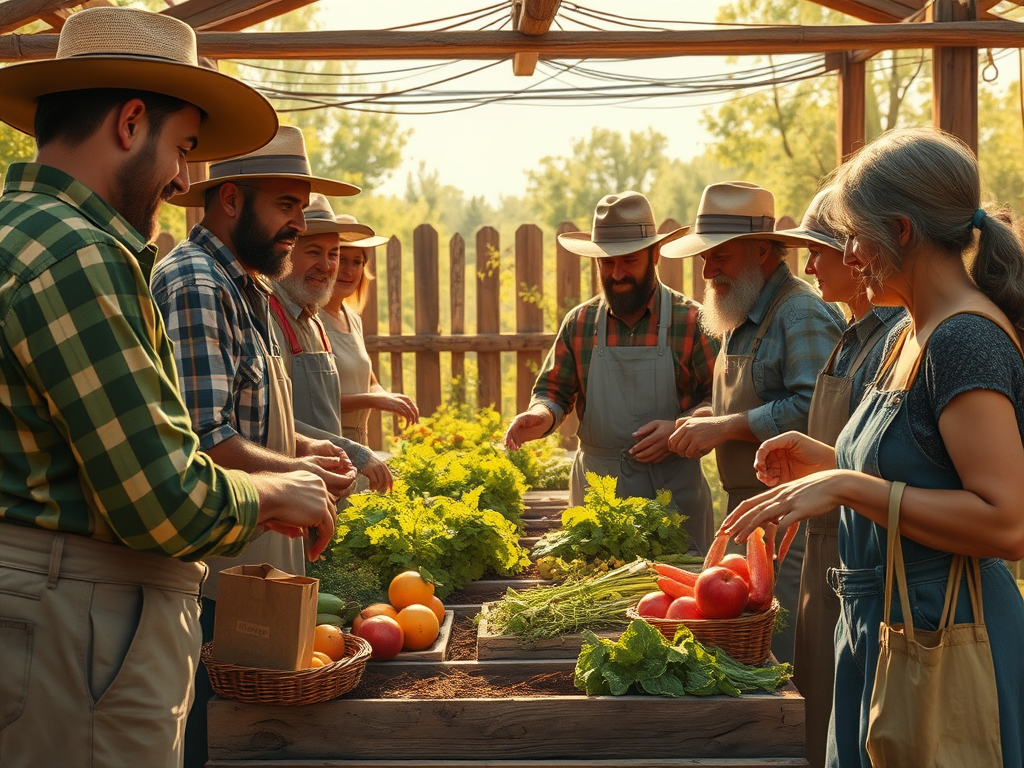
    Trading/Bartering Vegetables and Flowers

    Challenges of Bartering (and How to Overcome Them

    While bartering has many benefits, it’s not without challenges:  

    Finding a Match: It can take time to find someone who needs what you’re offering and has what you need in return. Networking and communication can help.  

    Perceived Value: Not everyone will agree on the value of goods or services. Be prepared to negotiate and find a fair middle ground.  

    Time Constraints: Services like labor or repairs require time, which might not always align with your schedule. Be clear about availability when making agreements.  

    With patience and flexibility, these challenges can be overcome.  

    Parting Thoughts

    Bartering is more than just a way to trade goods and services—it’s a way to foster a sense of community, reduce waste, and live more sustainably. Whether you’re swapping fresh eggs for home-baked bread or trading gardening labor for canned preserves, bartering offers countless opportunities to share resources and skills.  

    By building strong relationships and staying open to creative exchanges, you can make bartering an integral part of your homesteading lifestyle. What goods or services would you offer for trade? Let me know in the comments below!  

  • Raising Turkeys for meat: Insights from My First Experience

    Purchasing turkey poults to raise for meat was an exciting decision for our family. This was something we had never done on our homestead before and an animal I had no experience with. We have raised and butchered our own chickens for some time now but I was ready to step it up to put more meat in our freezer. While this experience came with its own challenges the rewards in the end were worth it for my family to have homegrown meat all year long.

    In the beginning the idea of raising turkey poults was so daunting. I felt a tinge of anxiety due to the information I had originally gathered. Through my research—something I highly recommend before integrating any new animals into your homestead—I discovered that while turkey poults are larger than baby chicks, they tend to be quite delicate. Insights indicated that turkeys are more vulnerable to cold temperatures and respiratory infections compared to their chicken counterparts. Nevertheless, I was ready to take this on and make it work for my family.

    Purchasing your turkey poults: Things to consider

    After the final “lets do this” decision, I had yet another choice to make. Where was I going to purchase my turkey poults from. I could wait and go to the farm stores local to me and just buy what they had in stock or I could purchase them online and have a choice in what I’m purchasing. There are many choices online when it comes to ordering live birds. Choosing the right hatchery for your needs is a crucial step in your poultry journey. It’s important to keep in mind that different hatcheries come with their own unique guidelines and offer a selection of various breeds. This variety in options can significantly impact your decision-making process.
    By taking the time to explore what each hatchery has to provide, you can broaden your understanding and make more informed choices. Familiarizing yourself with the available breeds and their specifications will empower you to select the most suitable options for your needs. Ensuring that you make the best choice is essential for a successful start in your poultry venture, so don’t underestimate the value of thorough research into each hatchery’s offerings.

    Having placed numerous orders with McMurray Hatchery, I can confidently say that my experiences have always been smooth and trouble-free. This trusted source is my go-to for ordering birds. However I have heard great things about these hatcheries as well:

    https://www.cacklehatchery.com

    https://www.hoovershatchery.com

    https://www.meyerhatchery.com

    In order to meet the necessary shipping regulations the hatchery requires a minimum number of birds to guarantee the birds’ safety during transit. Ordering a certain number of birds will ensure they are comfortably warm throughout the journey, relying on their body heat. Each hatchery will have their own requirements depending on what type you purchase. For example the minimum order of turkey poults at the time was 15.

    Selecting the best breed for your homestead

    When it comes to selecting turkeys for your farm, a variety of types exist to cater to your specific needs and preferences. Poultry enthusiasts and farmers alike can choose from numerous breeds, each offering unique characteristics that can enhance your agricultural endeavors. Whether you’re focused on meat production, egg-laying potential, or even ornamental purposes, understanding the various turkey breeds available is essential for making an informed decision. By carefully considering what you desire from your turkey operation, you can find the perfect fit for your farm, ensuring that your poultry experience is both rewarding and successful.

    Broad-breasted turkeys have been selectively bred to grow rapidly and reach impressive sizes, particularly focusing on enhancing breast meat, which is the most sought-after cut for culinary purposes. Their accelerated growth rates prevent them from flying and hinder their ability to reproduce effectively due to their large size. As my goal was to cultivate meat specifically for butchering to provide nourishing, homegrown options for my family, this particular breed was the clear choice for my needs.

    There are two types of broad-breasted turkeys: White and Bronze. Not having any prior preferences, I thought it would be interesting to try both varieties. The white broad-breasted turkeys are considered traditional choices for the dinner table. With their striking white feathers, they present an appealing appearance, and their flavor is mild yet enjoyable. In contrast, the bronze turkeys exhibit a beautiful mix of dark chocolate-brown feathers, and their taste is richer, offering a gamier experience. When it comes time to prepare your turkey, you might notice the pin feathers visible on the skin, which can be a reminder of the bird’s unique characteristics. Overall, this blend of varieties allows for a delightful culinary experience, showcasing the different flavors and textures that both types of turkey provide.

    Picking up your turkey poults and creating their new home

    When you place an order with a hatchery, they typically inform you of a delivery window spanning a week. However, an exact arrival date is not provided. So…. I took the whole week off work because I was determined to succeed and wasn’t going to take any chances. 😂 This allowed me to set up a welcoming brooder and remain on standby in case the post office contacted me regarding my soon-to-arrive feathered companions.

    Setting up a brooder for your new turkey poults involves several essential elements. First, choose appropriate bedding; pine shavings work wonderfully as they are both easy to clean and comfortable for the poults. Next, provide a reliable heat source. You might opt for a heat lamp or a heat plate, but it is crucial to maintain a temperature range of 96 to 98 degrees Fahrenheit. Ensure that the brooder reaches this temperature before introducing your poults. (The get older they get the less they will need it.)You should also have a container for water and a supply of feed readily available to meet their needs.


    Upon collecting your chicks or poults from the post office, it becomes essential to conduct a thorough inspection immediately. Checking for any losses right away enables you to swiftly reach out to the hatchery for possible refunds. Waiting until you return home or delaying the inspection can jeopardize your chances of reimbursement for any deceased birds, as the hatchery might deny claims made later. So when I received the call and arrived at the post office I eagerly opened the chirping little box and felt a wave of relief come over me when I found all of my little ones happy and alive.

    I carefully placed them in the back seat of my car, I even considered securing them with a seat belt. I didn’t, but imagine the chaos if that box were to tip over, releasing a dozen curious baby turkeys into my car! While it would be an adorable and hilarious sight, it would also be quite a challenging situation to manage.

    Since I set up my brooder ahead of time,  all I had to do was get their water ready. I do this last so it’s as fresh as possible and I also like to add electrolytes to it. The hatcheries will ask you if you want it as apart of your order or you can buy it at any feed store. They come in single use packets. Unloading the turkey poults, take the time to take a closer look at each one to make sure they are in good health then dip their beaks in the electrolyte solution and place them their new home. 

    Care tips

    As the days go on make sure to check each one individually and pay close attention to their bum. Sometimes they will get a pasty bum and you want to make sure you keep it clean. You can do this by just taking a warm wash cloth and gently rubbing their behind. This is something that can slowly kill them as their feces will harden over their vents and they won’t be able to poo.

    Behavior insights

    These creatures are quite vocal, always engaging with their surroundings, playful in nature, and they have a particular fascination with shiny objects. I like to watch them interact with each other and it’s quite facinating how quickly they grow. When it comes to finding a place to settle for the night, turkeys instinctively seek the highest vantage point available. As sunset approached, I often watched them choosing to perch atop their covered coop rather than inside it, demonstrating their preference for elevation.

    Turning your flock into food

    On butcher day, we gathered a group of friends to lend a hand. The experience differed greatly from processing chickens, primarily due to the sheer size of the turkeys we were working with. Weighing in at 20 to 25 pounds each, these birds posed a unique challenge. Unfortunately, our plucking machine was ill-equipped to handle their size, compelling us to resort to the old “fashioned way”.  Hand plucking is very labor-intensive and time consuming but it works. Catching the lively turkeys was quite strenuous. Then handling the heavy carcasses after added an extra layer of difficulty. I’m sure it was quite a show watching my 4″11 self catching these giant birds. However I was bound determined to be apart of the whole process.

    The most time consuming aspect of butchering in my opinion, involves the careful process of preserving the meat while ensuring safety throughout. Following the slaughter, we allowed the turkey carcasses to rest in a cooler for two days, which enabled rigor mortis to pass before we proceeded with packaging. We made the choice to keep several birds whole for freezing, while others were parted out or ground down into turkey burger. This allowed us to have a versatile option in our kitchen, as I prefer to use turkey burger in various recipes as an alternative to traditional ground beef. Navigating the different cuts of meat has been a valuable learning experience, especially since we now have homegrown turkey breasts, wings and legs stored in our freezer. The process of cutting and grinding the meat into burger was undeniably time-consuming but incredibly rewarding.

    Reflecting on the entire experience, I can confidently say it was a fulfilling endeavor that I would gladly repeat.  The meat from these turkeys proved to be sufficient for our family’s needs throughout the year. In fact, we even used one turkey for our Thanksgiving feast this year and still have another left in reserve! If your on the bench about raising turkeys and are able to, just go for it! You won’t be dissappointed.

  • Embracing Homesteading: A Journey to Self-Sufficiency

    Hi there! I’m Becky J and I’m thrilled to welcome you to my homesteading blog. Sharing my journey with you fills me with excitement, and I hope to inspire you as you embark on your own adventure in this fulfilling lifestyle. Life doesn’t hand us a guidebook, and there’s truly no right or wrong moment to pursue your dreams.
    Let me share a bit about my background. My roots are firmly planted in a small, rural town where I’ve spent my entire life. From a young age, my heart yearned for farm animals and the satisfaction that comes from gardening. However, living in an apartment or a small lot in town made those dreams feel out of reach. While my friends flourished in 4-H clubs and agricultural classes, I found myself on the sidelines, missing countless opportunities to get involved in growing plants in the school greenhouse or diving into advanced animal science classes. Instead, I gravitated toward cooking, baking, and art classes—skills I still cherish and utilize today.
    Meeting my husband was a game changer; we discovered that we shared the same ambitions. Our vision was to embrace a life grounded in self-sufficiency, nurturing animals, and cultivating our own food. We devised a plan to save up for a home with some land. Our perseverance paid off after a few years, and we secured a little over three acres, which suits our family of five perfectly.
    Our homesteading journey took off with chickens(doesn’t it always😄). We found an old shed on our property and transformed it into a cozy coop, home to six laying hens. Our first garden was modest; it produced enough for a few harvests, but for me, it was a significant victory considering my previous struggles with plants.
    As the seasons rolled on, my husband expanded our livestock by adding a few cows to our pasture. Meanwhile, I decided to adopt a pet pig—just for funzies! I committed wholeheartedly to this lifestyle; there would be no more half-measures. With newfound energy, I immersed myself in learning about raising livestock, butchering, and food preservation.
    Today, we proudly have chickens, ducks, turkeys, two guinea hens (which my husband definitely isn’t fond of), several pigs, goats, and cows. And let’s not forget the myriad of beloved pets inside our home! This year, our garden thrived, yielding enough produce for us to enjoy fresh meals, share with friends, and can for the colder months ahead.
    My mind is always buzzing with ideas on how to enhance our processes and what new endeavors we can undertake to achieve our homesteading goals. It’s a continuous journey filled with learning and discovery. There’s such joy in connecting with nature, and each day, I strive to nurture the life we’ve built together.
    These baby steps have guided me onto this rewarding path, and I’m committed to turning my dreams into reality. Together, we can transform yours into something tangible, too!