There’s a lot of noise in the gardening world.
Grow this heirloom.
Try this exotic plant.
You need 17 varieties of squash.
Look at these purple striped tomatoes.
And listen — experimenting is fun. Trying new things is part of learning.
But this post isn’t for the experimenters.
This is for the person who grows their little heart out… harvests armloads of produce… and then stands in the kitchen thinking:
“What am I supposed to do with all of this?”
If you’re short on space, short on time, or just getting started — you don’t need to grow what everyone else is growing.
You need to grow what your family actually eats.
You Don’t Owe Anyone an Explanation
There’s this quiet pressure in gardening culture to grow certain things.
Like if you don’t grow zucchini, are you even gardening?
If you don’t have rows of squash, pumpkins, kale, cabbage, cucumbers, herbs, and specialty tomatoes… are you doing it wrong?
No.
You don’t owe anyone an explanation for what you choose to grow.
If your family doesn’t eat squash, don’t plant four squash plants.
If no one in your house likes eggplant, skip it.
If your kids won’t touch kale, don’t dedicate precious space to it.
Your garden should serve your household — not Instagram, Pinterest, or whatever social media platform you are comparing yourself to.
Start With What You Already Buy
If you want a simple starting point, walk into your kitchen.
Open your fridge.
Open your pantry.
What do you buy over and over again?
That’s your list.
If you go through:
- salsa weekly
- pasta sauce monthly
- peppers constantly
- lettuce every week
- potatoes every few days
Start there.
Growing staples you already use does three powerful things:
- It saves you money.
- It reduces waste.
- It increases your confidence.
There’s nothing more motivating than walking into your pantry and pulling out food you grew — and knowing it will actually get eaten.
Space Is Valuable — Use It Intentionally
When space is limited, every square foot matters.
Every container.
Every raised bed.
Every row.
If you only have room for six plants, make them count.
Ask yourself:
Will this realistically get eaten in my house?
If the answer is no — it might not be the right crop right now.
You can always experiment later when you have more time, more space, or more experience.
But in the beginning?
Grow food with purpose.
This Isn’t About Playing It Safe
Let’s be clear — this isn’t about never trying anything new.
It’s about being intentional.
If you love experimenting, go for it.
But if you’re the type who will:
- plant everything
- harvest everything
- then feel overwhelmed and discouraged
Start smaller.
Start practical.
Let your wins build momentum.
What If You Grow Too Much?
It happens. Especially with tomatoes.
And here’s the beautiful thing about gardening:
Extra harvest is never wasted.
You can:
- Feed it to chickens or livestock
- Share with friends and neighbors
- Donate to a local food bank
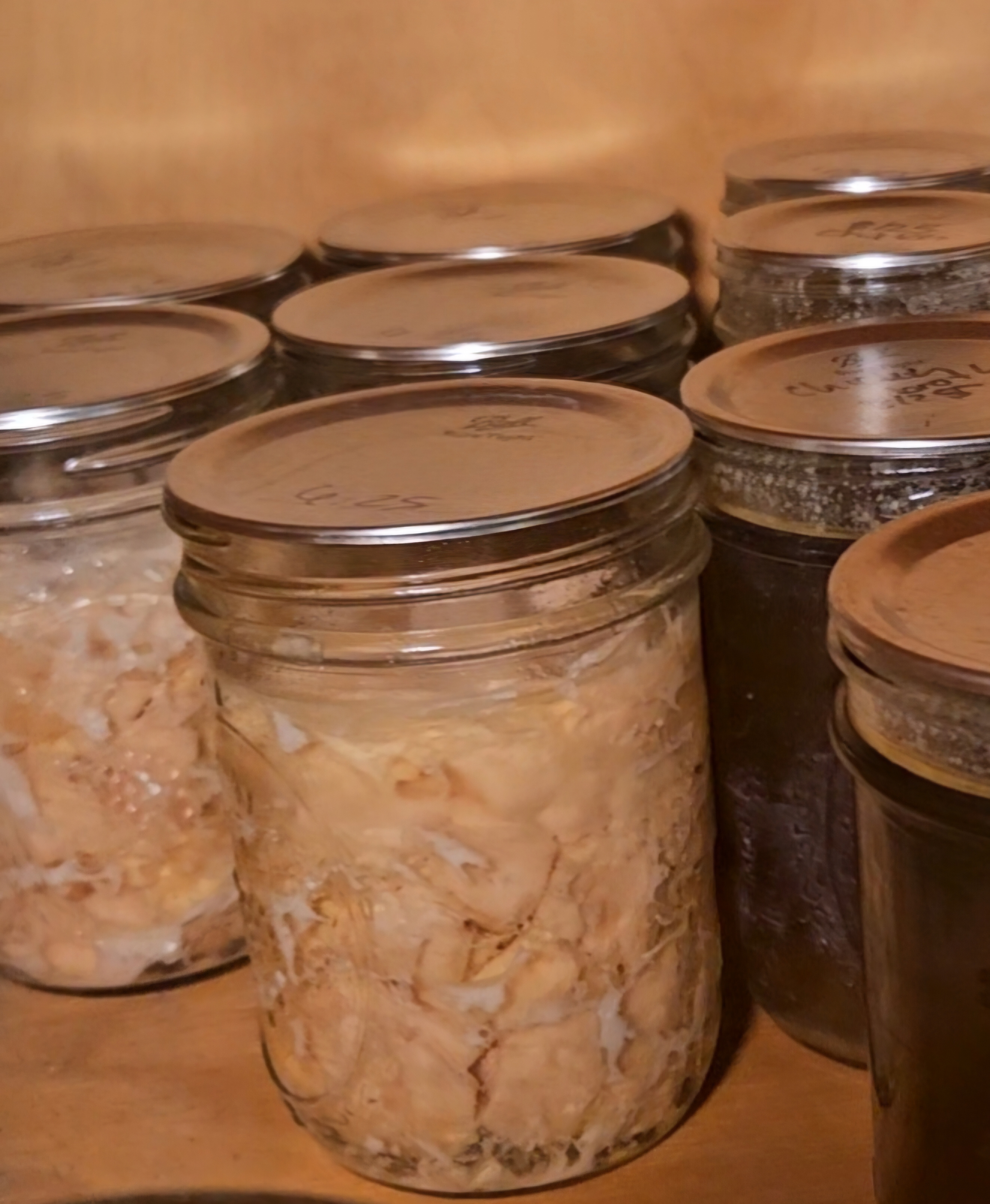
- Preserve it for later
Confidence Comes From Repetition
When you grow the same crops year after year:
You learn them.
You understand their timing.
You recognize their pests.
You improve your yields.
Patterns emerge.
And gardening starts to feel easier.
Not because it is perfect — but because it is familiar.
Grow For Your Life — Not Someone Else’s
If you love salsa, grow tomatoes and peppers.
If you eat salads daily, grow lettuce, spinach or kale.
If your family runs on potatoes, grow potatoes.
And….if you don’t eat something?
You don’t need to justify why it’s not in your garden.
Your garden isn’t a performance.
It’s a tool.
Start with what you eat.
Build confidence.
Expand when you’re ready.
That’s how sustainable gardens are built.
Small steps.
Intentional crops.
Real food on your table.