
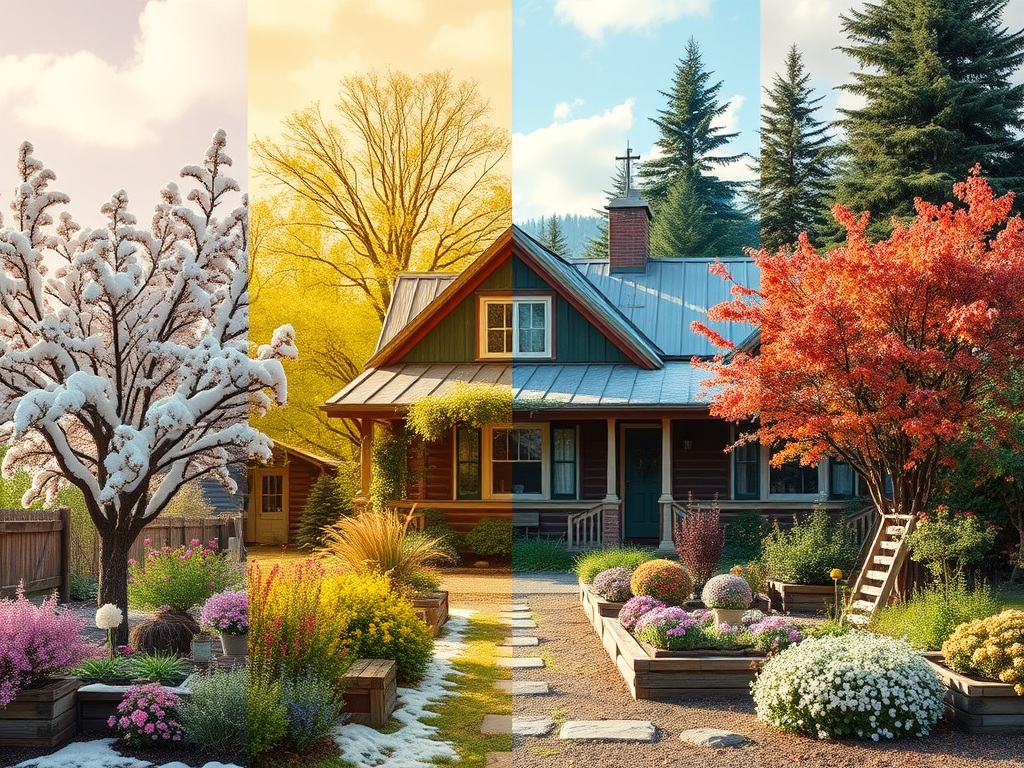
Homesteading isn’t just a lifestyle—it’s a rhythm that flows with the natural seasons. On my small homestead nestled in the Pacific Northwest, every season brings a new set of responsibilities, challenges, and joys. Understanding the homesteading seasons is key to building a sustainable and fulfilling life close to the land.
Whether you’re just starting out or deep into your homesteading journey, knowing what to expect from each season can help you plan ahead, reduce burnout, and enjoy the process more fully. Here’s what life looks like on my homestead, season by season.
Winter: Rest, Reset, and Indoor Growing
Winter is the slowest season on our homestead—and we embrace it. While snow and frost blanket the garden beds, this season gives us a chance to rest and reflect. Our animals require basic care: feeding, water checks (especially in freezing temps), and shelter maintenance. But compared to summer, their needs are minimal.
It’s also the perfect time for planning. I spend my evenings with seed catalogs, budgeting for the year ahead, and experimenting with indoor growing methods like microgreens and herbs under grow lights. Understanding the homesteading seasons means appreciating this necessary lull—winter is for hibernation, both for nature and the homesteader.
Spring: New Life and New Beginnings
Spring is when everything bursts into action. The garden begins to wake up, and so do the projects. Depending on your setup, you might be incubating eggs, bringing home new chicks or ducklings, or watching for signs of labor in pregnant goats or sheep from the previous year’s breeding.
Spring is also a busy time for planting. Soil preparation, composting, and succession sowing keep us busy as we try to get ahead before the summer heat hits. On my homestead, this homesteading season becomes very real in spring—it’s a time of energy and motion, and the farm feels alive again.
Summer: Full Tilt Homesteading
Summer is the heart of the homestead hustle. The garden is in full swing, animals need extra attention (especially in the heat), and the harvests start rolling in. If you raise meat animals, this is also a time when harvesting may begin for broilers, rabbits, or even ducks.
Preservation kicks into high gear—canning, fermenting, dehydrating, freezing. It’s not unusual to be up late boiling jars or checking the dehydrator while making dinner. On my homestead, we lean into the long days and try to keep pace with nature’s abundance.
Understanding the homesteading seasons helps keep burnout at bay. Summer is busy, yes—but it’s also deeply rewarding.
Fall: The Big Shift
Fall is the season of transition and preparation. The weather begins to cool, and if you’ve planted a fall garden, it’s a good time to enjoy cool-weather crops like kale, carrots, and broccoli.
For us, fall is also butchering season. Our meat birds are processed, and we begin preparations for butchering our hogs as we near the colder months. It’s bittersweet but necessary, and part of honoring the cycle of life on the homestead.
Fall is also a time to clean up the garden, mend fences, and prepare animal shelters for the cold months ahead. For those who follow the homesteading seasons, fall is when we start to wind down, stock up and prepare to hunker down for winter.
End of Fall into Winter: The Final Push
The end of fall into early winter is hog butchering season on our homestead. We wait until the temperatures drop to help keep the meat safe during processing. Freezers are filled, lard is rendered, and smoked meats are prepped for the pantry.
This time of year wraps up our homesteading seasons and reminds us of the importance of planning, pacing, and working with the natural cycles. We slow down once again and welcome the restful rhythm of winter.
Final Thoughts
Every homesteader’s year will look a little different depending on your climate, goals, and setup. But understanding and honoring the homesteading seasons can help you build a more peaceful, productive, and balanced life on your land. Whether it’s seed-starting in March, harvesting in August, or butchering in November—each season has a purpose.
On my homestead, I’ve learned to grow with the seasons, not against them—and that mindset has made all the difference.