Tag: goals

  • Homesteading: My Top Ten Tips

    Homesteading is a dream for many—living closer to nature, growing your own food, raising animals, and embracing self-sufficiency. It’s a lifestyle filled with rewards, but it’s also packed with challenges and surprises that most beginners don’t anticipate. Looking back on my journey, there are several things I wish I had known before diving into homesteading. If you’re just starting out, these lessons might save you time, money, and frustration.

    1. You Don’t Have to Do Everything at Once

    When I first started homesteading, I was eager to try it all—gardening, raising chickens, keeping bees, and preserving food—all at once. I figured if instead of just dipping a toe in, I would jump in both feet first. This was a recipe for burnout. I quickly learned that starting small and focusing on one or two projects at a time is the best approach. Homesteading is a marathon, not a sprint. There’s always time to add more as you gain experience and confidence. If you want to read about how I got started I’ll link it below.

    2. It’s Harder Than It Looks Online

    Scrolling through social media, it’s easy to romanticize homesteading. Beautiful gardens, happy animals, and rustic homes make it seem effortless. In reality, homesteading is a lot of hard work. Plants don’t always thrive, animals get sick, and fences break, a lot. Be prepared for challenges and bad days. Homesteading is about learning as you go, and remembering its okay to make mistakes.

    3. The Cost Can Add Up Quickly

    I assumed that homesteading would save me money right away, but I quickly realized that the upfront costs can be significant. Tools, seeds, fencing, animal feed, and infrastructure like coops and raised garden beds all require investment. While homesteading can save money in the long term, it’s important to budget wisely and prioritize essential projects first.  I also suggest prioritizing DIY projects and recycled materials before buying new. It’s more important for it to be purposeful than pretty.

    4. Research Is Your Best Friend

    One of the biggest lessons I learned is that knowledge is power. I made several mistakes early on because I didn’t research enough. For example, I didn’t now how to amend my soil or know what companion planting was. Let’s not start about how I misjudged the height of fencing I needed for my goat enclosure. Take the time to study your land, climate, and the requirements of the animals or plants you want to raise.  

    5. Time Management Is Key

    Homesteading is incredibly time-consuming. Between caring for animals, maintaining a garden, and tackling DIY projects, it’s easy to feel overwhelmed. I wish I had created a daily and seasonal schedule earlier to stay on top of tasks. Planning ahead, especially for busy times like planting and harvesting seasons, makes everything more manageable. 

    6. Pests and Predators Are Relentless

    One of the biggest shocks for me was how relentless pests and predators can be. From insects destroying crops to foxes breaking into the chicken coop, I learned that prevention is crucial. Invest in secure fencing, use natural pest control methods, and always be prepared to adapt your strategies.

    7. It’s Okay to Outsource Some Things

    As much as I wanted to do everything myself. I quickly realized that it’s okay to ask for help or outsource certain tasks. Whether it’s hiring someone to repair a fence or buying seedlings instead of starting from seed. Outsourcing can save you time and energy when you’re feeling overwhelmed. When I outsource I prefer to buy local or from other homesteaders to help support my community.

    8. Patience Is Essential

    Homesteading is a lifestyle that requires patience. Gardens don’t grow overnight, and animals take time to mature and produce. There will be setbacks and slow progress, but trust the process. Celebrate small victories and remember why you started.  

    9. Self-Care Matters

    In the early days of homesteading, I often worked from dawn to dusk, neglecting my own well-being. Over time, I learned that self-care is just as important as caring for your land and animals. Take breaks, rest when you need to, and make time for hobbies or relaxation to avoid burnout.  

    10. Homesteading Is a Journey, Not a Destination

    Finally, I wish I had embraced the mindset that homesteading is an ever-evolving journey. There’s always something new to learn, and your goals change over time. Instead of striving for perfection, focus on progress and enjoy the process of building a lifestyle that works for you.  

    Final Thoughts

    Homesteading is a fulfilling and transformative lifestyle, but it’s not without its challenges. By learning from my experiences, you can avoid some common pitfalls and set yourself up for success. Remember to start small, do your research, and give yourself grace as you learn and grow.  

    Whether you’re just starting out or thinking about taking the plunge, homesteading is a journey worth pursuing. What lessons have you learned or are you excited to explore? Share your thoughts in the comments below!

  • Finding Fitness and Freedom in My Own Space

    Finding Fitness and Freedom in My Own Space

    Fitness and freedom don’t usually go together in the same sentence and in a world where gym memberships are often seen as the gold standard for fitness, I’ve chosen to work out at home—and I haven’t once looked back. For me, home workouts offer a unique blend of flexibility, comfort, consistency and yes, freedom that perfectly aligns with my lifestyle. Here’s why I prefer to break a sweat in my living room or garage instead of a gym.  

    Freedom to Work Out on My Own Terms

    Working out at home means I can exercise whenever I want. There’s no worrying about gym hours, crowded peak times, or waiting for equipment. Whether I feel like an intense boxing session at 6 a.m. or a calming yoga flow at midnight, I have the freedom to fit fitness into my schedule, not the other way around. 

    Having the freedom to get in a 6 am boxing workout having to commute to the gym

    No Commute, No Hassle

    One of the biggest perks of home workouts is eliminating the commute to the gym. That extra 20–30 minutes I save every day is time I can dedicate to warming up, cooling down, or even just relaxing. Plus, there’s no need to pack a gym bag, brave traffic, or hunt for parking.  

    Cost-Effective Fitness

    Gym memberships can be expensive, especially when you factor in additional costs like travel, personal training, or group classes. While setting up a home gym requires an initial investment, the long-term savings are undeniable. Resistance bands, dumbbells, or even a good workout mat are often all you need to get started. Over time, these small investments add up to major savings. For example you chttps://homesteadingwithbeckyj.blog/2024/12/27/review-century-boxing-bag-stand-a-sturdy-companion-for-your-training-needs/an check out this article on this boxing bag stand I purchased four years ago,and it’s still my go-to work out buddy!

    Privacy and Comfort

    There’s something deeply comforting about working out in your own space. I don’t have to worry about being judged for how I look, what I choose to wear, how much weight I lift, or how sweaty I get. Whether I’m struggling to master a new move or taking a moment to dance to whatever music is blaring in my headphones. I can do it all without self-consciousness. My home is my sanctuary, and it allows me to focus 100% on my workout.  

    Freedom to be comfortable working out at hoe. No matter what I'm wearing.

    Tailored Workouts for My Goals

    At home, I can customize my workout environment to match my goals and preferences. Want to blast music during an intense cardio session? No problem. Need complete silence for yoga? Easy. My space is designed around my needs, making it easier to stay consistent and motivated. 

    Performing a mediation in the quiet of my home

    More Time for Family and Hobbies

    Working out at home means I spend less time commuting and more time doing the things I love. Whether it’s playing with my kids, tackling a new hobby, or simply relaxing with a book, I’ve reclaimed valuable time that would otherwise be spent traveling to and from the gym.  

    Enjoying the company of my new baby goat

    Flexibility to Explore Different Fitness Styles

    Working out at home allows me the flexibility to explore various fitness styles without being tied to the rigid schedules of a gym. I can dive into a range of activities, from high-intensity interval training (HIIT) and weightlifting to Pilates and boxing. This freedom lets me adapt and refine my workout regimen as my interests and objectives evolve. Plus, I have the convenience of exercising anywhere, ensuring that I can maintain my routine even while on vacation.

    Working out "on the go"

    Staying Consistent No Matter What

    Rain, snow, or a busy schedule—nothing stops me from getting my workout in when I’m at home. Even during holidays, I can squeeze in quick workouts without the need to plan around a gym’s schedule. Consistency is key to achieving fitness goals, and working out at home makes it easier than ever to stick with my routine.  

    Tips for a Successful Home Workout Routine

    Create a Dedicated Space: Even a small corner with a mat and some basic equipment can make a big difference.  

    -Set a Schedule: Treat your home workouts like any other appointment to stay consistent.  

    -Mix It Up: Incorporate a variety of workouts to keep things fresh and avoid burnout.  

    -Use Technology: There are so many apps, online classes, and YouTube tutorials that can provide guidance and inspiration.

    Conclusion

    Exercising from the comfort of home is more than just a convenient option; it’s become a way of life for me that promotes fitness, saves precious time, and transforms the workout experience into an enjoyable journey. This choice resonates with my values and empowers me to engage in fitness on my own terms. It contributes to my well-being—both mentally and physically. If the typical gym environment has ever left you feeling restricted or overwhelmed, I highly recommend trying out home workouts. You may find, as I have, that your sanctuary for fitness lies right within your own walls, where both your heart and hard work truly shine.

    How do you stay active at home? Share your tips and experiences in the comments!

  • The Concept of Living a Very Long Life: A Journey of Loss, Growth, and Resilience

    The Concept of Living a Very Long Life: A Journey of Loss, Growth, and Resilience

    Daily writing prompt
    What are your thoughts on the concept of living a very long life?

    As human beings, we often dream of living a long life—one filled with health, happiness, and the potential to experience all that the world has to offer. But, what does it truly mean to live such a life, and how do we navigate the challenges that come with extended years? Living a long life, while a blessing in many ways, is also a profound journey that requires a strong sense of self, resilience, and an ability to embrace both the joys and losses that come with the passage of time.

    The Promise and Burden of Longevity

    The idea of a long, healthy life is appealing, but it comes with the understanding that as we age, we inevitably witness the loss of loved ones, friends, and possibly even our own sense of familiarity with the world around us. Living through such profound changes means learning to face loss repeatedly, a process that can be emotionally and mentally taxing. 

    We often think of aging in terms of physical decline or the fear of missing out on experiences. However, the real emotional challenge lies in the mental and psychological effects of outliving many people close to us. There is a certain weight to witnessing the passage of time, where memories fade, loved ones pass, and the world around us seems to change in ways we struggle to adapt to. To live a long life, you would need to have a mind that is not only resilient but also flexible enough to continue finding joy, meaning, and purpose even as the landscape of life shifts.

    Sand passing through an hour glass

    The Power of a Sound Mind

    One of the key aspects of living a long life with grace is the ability to cultivate and maintain a sound mind. It’s not just about physical health but about mental and emotional resilience. How does one continue to find meaning in life when many people who once shaped our world are no longer there? How do we preserve our identity and sense of self when the world around us is constantly evolving?

    This is where having a strong sense of who you are becomes paramount. Those who live long lives must be individuals who continually redefine their purpose. Whether it’s through nurturing new relationships, exploring new ideas, or diving deeper into personal passions, it’s crucial to continue discovering and rediscovering what brings joy and fulfillment.

    It’s important to understand that a long life isn’t about clinging to the past or fearing the future. Rather, it’s about embracing the present moment while understanding and accepting the inevitable changes that come with time. Finding peace within yourself and your life, no matter how long it lasts, means accepting that loss will be a part of the journey.

    Living Within Nature

    Perhaps one of the most profound ways to live a long, healthy life is to connect with nature. Nature offers us a steady rhythm that can be grounding in moments of turbulence. There is wisdom in recognizing that we, too, are a part of the natural world—born, evolving, and eventually fading back into it. By aligning ourselves with nature’s cycles, we can learn to accept the ebb and flow of life with greater ease.

    Living within nature means understanding your place in the grand tapestry of life. It means recognizing that you are both a product of the earth and a fleeting presence in its vast history. It allows for perspective, a reminder that our individual lives are just one small chapter in a much larger story, and in this understanding, we find peace.

    An elderly woman leaning against a tree. Living within nature and understanding our place with it.

    The Role of Resilience

    Living a long life is undoubtedly about resilience. It’s not about avoiding loss or hardship but learning how to cope with it when it comes. Resilience is what allows us to continue finding our way after experiencing deep sorrow or facing the reality of our own mortality. It’s the inner strength to keep moving forward, even when the path ahead seems unclear. 

    For those who have lived long lives and endured many losses, resilience often manifests in an unshakable sense of purpose. It is found in the small things—like tending to a garden, watching the sunset, or helping a younger generation find their way in the world. These acts of continuity help to solidify our place in time, reaffirming that while we may lose people and things, we can still shape the world around us in meaningful ways.

    Finding peace in the little things, like watching the sunrise

    Conclusion: A Life Well Lived

    In the end, the concept of living a very long life is about much more than just the number of years. It’s about living a life that is rich with experience, connection, and purpose. It’s about knowing that loss will be part of the journey, but not allowing it to define us. Through a sound mind, resilience, and a deep understanding of our place within nature, we can live a long life not just in terms of years but in depth and meaning.

    A long life is an opportunity—not just to experience the world more fully, but to leave behind a legacy of wisdom, growth, and grace that can inspire those who come after us.

  • Duck Eggs vs Chicken Eggs: Key Differences Explained

    Duck Eggs vs Chicken Eggs: Key Differences Explained

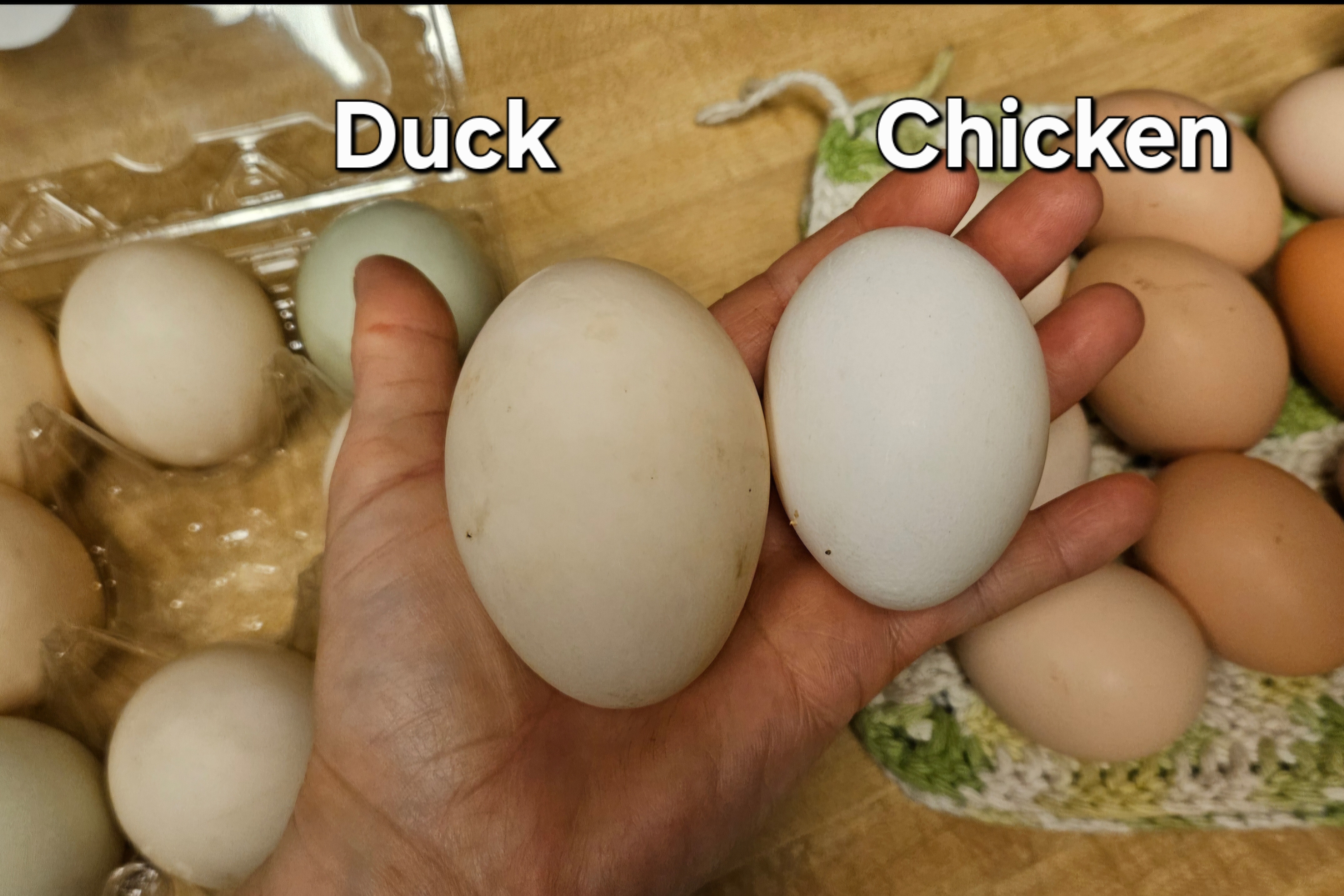
    Duck egg and Chicken egg side by side

    When it comes to choosing between duck and chicken eggs, both options might catch your eye during your next trip to the local market or while tending to your poultry on the homestead. These eggs may appear quite similar at first glance, but they offer distinct nutritional benefits, flavors, and culinary uses that set them apart. Duck eggs, for instance, are often richer and creamier than chicken eggs, making them a favorite among bakers and gourmet cooks alike. As you weigh the pros and cons of each type, it’s important to consider how these differences might align with your cooking needs and taste preferences. Understanding the unique qualities of duck eggs can help you make the best choice for your kitchen and lifestyle.

    Nutritional Content

    Higher Protein Content: Duck eggs contain more protein than chicken eggs, making them an excellent choice for those looking to increase their protein intake.  

    More Omega-3s: Duck eggs are rich in omega-3 fatty acids, which support brain health and reduce inflammation.  

    Higher Vitamin and Mineral Levels: Duck eggs have more vitamins (A, D, B12) and minerals like iron and selenium compared to chicken eggs.  

    Calories and Fat: Duck eggs are larger and have a higher fat content, which provides more energy but might not be suitable for those on low-fat diets.  

    Flavor and Taste

    Duck eggs have a richer, creamier flavor compared to chicken eggs.  

    – The yolks are larger and have a more vibrant orange color, often described as “buttery.”  

    – Many bakers prefer duck eggs for their richer taste and ability to enhance baked goods’ texture and flavor. 

    Baking Benefits

    Duck eggs are a favorite among bakers and chefs.  

    Better Structure: The higher protein content helps create fluffier cakes, stronger meringues, and denser, more moist baked goods.  

    Richer Texture: Duck eggs contribute to a creamier texture in custards, quiches, and other recipes. 

    A dozen duck eggs

    Longer Shelf Life

    Duck eggs have thicker shells than chicken eggs, which:  

    – Makes them more durable and less likely to crack.  

    – Helps them stay fresher for longer, especially when stored properly

    Allergen Alternative

    Some people with chicken egg allergies find that they can tolerate duck eggs. While they’re not suitable for everyone, this can be a great alternative for those who miss eating eggs.

    More Sustainable for Small Homesteads

    Ducks are hardy, low-maintenance animals that:  

    – Lay eggs consistently, even in colder weather.  

    – Thrive in a variety of environments, including wetlands or small homesteads.  

    – Are great pest controllers, eating slugs, snails, and insects.  

    Their eggs can provide a reliable source of nutrition year-round.  

    Richer in Healthy Fats

    Duck eggs contain more healthy fats, including monounsaturated and polyunsaturated fats. These fats are important for heart health and maintaining healthy skin and hair. 

    Larger Size

    Duck eggs are larger than chicken eggs, which means:  

    – You get more egg per shell.  

    – Fewer eggs are needed for recipes or meals, making them more efficient in the kitchen.  

    Downsides to Consider

    While duck eggs offer many benefits, they may not be for everyone:  

    Cost: Duck eggs tend to be more expensive than chicken eggs due to lower supply.  

    Taste: The richer flavor might not appeal to everyone, especially if you prefer the lighter taste of chicken eggs.  

    Fat and Cholesterol: The higher fat and cholesterol levels may not suit individuals with specific dietary restrictions.

    Smell: The aroma of duck eggs can resemble that of cooked fish, depending on the cooking method. This scent is attributed to their rich omega-3 fatty acid content, which is similar to that found in fish.

    Which Should You Choose?

    Choosing between duck eggs and chicken eggs is a matter of personal taste, nutritional needs, and usage. For those in search of superior flavor, richer nutrition, or exceptional baking outcomes, duck eggs are an excellent option. Conversely, if a gentler flavor profile or specific dietary considerations are your priorities, chicken eggs remain a wonderful selection. For homesteaders, the decision to raise both ducks and chickens can yield a multifaceted experience—offering delicious eggs, natural pest control, and an array of dietary choices!


    Both duck and chicken eggs present an abundance of nutritional benefits and culinary versatility. Including a mix of these eggs in your dishes can bring an exciting variety of flavors and textures into your kitchen and home. Embracing the distinct characteristics of each type enriches your meals and broadens your cooking skills, enhancing the joy and diversity at your dining table. Whether you savor the robust taste of duck eggs or the subtler flavor of chicken eggs, having both available unlocks endless culinary adventures. Personally, I find duck eggs to be delightful! Have you had a chance to try duck eggs? I’d love to hear your thoughts in the comments!

  • How to Start a Homestead on a Budget: Affordable Tips for Beginners

    How to Start a Homestead on a Budget: Affordable Tips for Beginners

    Starting a homestead is a dream for many—a chance to live more sustainably, grow your own food, and reconnect with nature. However, the idea of homesteading can feel overwhelming, especially when faced with the perceived costs of land, equipment, and supplies. The good news? You don’t need a fortune to start your homestead. With careful planning, creativity, and a willingness to start small, you can create a thriving homestead without breaking the bank. Here’s how. 

    small homestead

    Start Small and Grow Over Time

    Homesteading doesn’t have to mean owning a sprawling piece of land with a barn, livestock, and a massive garden. Begin with what you have, whether it’s a backyard, balcony, or even a windowsill.  

    Here’s what I mean by starting small:

    – Start with container gardening or a few raised beds to grow your own vegetables

    – Raise chickens for eggs or rabbits for meat on a small plot of land

    – Experiment with DIY projects like composting or rainwater collection before investing in larger systems  

    -Buy bulk fruit and vegetables when in season and learn to preserve them

    -Learn to make your own cleaning products

    By starting small, you can learn the basics of homesteading without taking on too much expense or responsibility upfront.  

    Find Affordable Land (or Make the Most of What You Have)

    If you dream of owning land for your homestead, finding an affordable piece of property is key. However, you don’t necessarily need acres of land to start.  

    Tips for Affordable Land:

    – Look for smaller plots of land in rural areas, which are often more affordable than larger parcels.  

    – Consider off-grid properties, which are typically cheaper but may require some investment in infrastructure.  

    – Rent or lease land from a farmer or neighbor to get started.  

    If you already own property, maximize its use. Even a small backyard can be transformed into a productive homestead.  

    Re-purposing a bucket to grow tomatoes

    Use What You Already Have

    Before buying new tools, equipment, or supplies, take stock of what you already own. Many items can be repurposed for homesteading.  

    Ideas for Repurposing:

    – Use old buckets or tubs as planters for container gardening.  

    – Turn scrap wood into raised garden beds, chicken coops, or fences.  

    – Transform old jars into food storage or fermentation containers.  

     Re-purposing materials not only cuts costs but also minimizes waste, perfectly aligning with the sustainable values of homesteading. A pile of scrap wood often accumulates on our property specifically for this purpose, allowing us to give new life to old materials. Additionally, many local Facebook groups offer opportunities to acquire unwanted items at little to no cost, providing even more resources for creative projects.

    Focus on Low-Cost Livestock

    Livestock can be one of the most expensive parts of homesteading, but you don’t need a barn full of animals to get started. Begin with small, low-maintenance livestock that provide multiple benefits.  

    Budget-Friendly Livestock Options: 

    – Chickens: They’re inexpensive to buy and raise, and they provide eggs, meat, and natural pest control.  

    – Rabbits: These animals are easy to care for, reproduce quickly, and provide a great source of meat.  

    – Ducks: Like chickens, ducks are low-maintenance and excellent foragers.  

    Keep it simple, you can provide excellent housing that protects them from the weather without it being fancy like some you may see online. Start with a few animals and expand your herd or flock as you gain experience and resources. 

    Grow Your Own Food

    Growing your own food is one of the cornerstones of homesteading, and it’s also a way to save money on groceries.  

    Tips for Budget Gardening:

    – Start with easy-to-grow crops like tomatoes, zucchini, beans, and lettuce.  

    – Save seeds from your harvest to reduce costs for the next growing season.  

    – Compost kitchen scraps and yard waste to create free, nutrient-rich soil.  

    If you’re new to gardening, consider starting with a small plot or containers to minimize upfront costs.  

    Opened faced hands holding vegetable seeds

    Learn Basic DIY Skills

    Homesteading often involves building, repairing, and maintaining structures and systems. Learning basic DIY skills can save you thousands of dollars over time.  

    Key Skills to Learn:

    – Carpentry: Build your own chicken coops, raised beds, and fences.  

    – Plumbing: Install rainwater harvesting systems or repair leaks.  

    – Food Preservation: Learn to can, ferment, or dehydrate your harvest to reduce food waste.  

    YouTube, library books, and local workshops are excellent resources for learning homesteading skills on a budget.  

    Buy Used or Barter

    Buying new equipment and supplies can quickly add up, but you can often find what you need secondhand or through bartering.  

    Where to Find Deals:

    – Check local classified ads, thrift stores, and yard sales for tools, supplies, and equipment.  

    – Join homesteading or farming groups on social media to find items for sale or trade.  

    – Barter your skills or surplus produce with neighbors for items you need.  

    For example, you could trade eggs or homemade bread for gardening tools or livestock feed. Never traded or bartered before? I teach you how in this article:

    Focus on Sustainability

    One of the best ways to keep costs low is to focus on sustainable practices that reduce waste and reliance on store-bought goods.  

    Sustainable Practices:  

    – Use rainwater collection systems to water your garden and livestock.  

    – Compost all organic waste to create free fertilizer for your plants.  

    – Raise dual-purpose livestock, such as chickens that provide both eggs and meat.  

    The more self-sufficient your homestead becomes, the less you’ll need to spend on external resources.  

    Farmer standing in front of his crop

    Build a Community

    Homesteading doesn’t have to be a solo endeavor. Building relationships with other homesteaders, farmers, and neighbors can help you access shared resources and support.  

    Ways to Build Community:

    – Join local gardening clubs or homesteading groups.  

    – Attend farmers’ markets or agricultural fairs to network with others.  

    – Exchange knowledge, seeds, or equipment with fellow homesteaders.  

    A strong community can help you learn new skills, share resources, and find encouragement when challenges arise.  

    Be Patient and Set Realistic Goals

    Homesteading is a journey, not a race. Starting on a budget means you may need to prioritize certain projects and grow your homestead over time.  

    Tips for Success:  

    – Set realistic goals for your first year, such as starting a garden or raising a few chickens.  

    – Celebrate small wins, like your first harvest or a successful DIY project.  

    – Avoid comparing yourself to others—every homestead is unique.  

    By focusing on progress rather than perfection, you’ll create a sustainable and rewarding homesteading lifestyle without financial stress.  

    Final Thoughts

    Starting a homestead on a budget is entirely possible with a bit of creativity, resourcefulness, and determination. By starting small, re-purposing what you have, and focusing on sustainability, you can build a homestead that meets your needs without breaking the bank.  

    What budget-friendly homesteading tips have worked for you? Share your thoughts and experiences in the comments below!

  • Bartering Basics: How to Trade Goods and Services in Your Homesteading Community

    Bartering Basics: How to Trade Goods and Services in Your Homesteading Community

    Bartering Basics:How to Trade Goods and Services

    In today’s world of modern conveniences, it’s easy to forget that before money became the norm, bartering was the primary way people exchanged goods and services. For homesteaders, bartering is a valuable skill that fosters a sense of community, reduces reliance on cash, and promotes sustainability. Whether you’re a seasoned homesteader or just starting your journey, learning how to barter effectively can be a game-changer for your lifestyle. Here’s a guide to help you get started with bartering in your homesteading community.  

    What Is Bartering?

    Bartering is the exchange of goods or services without using money. It’s a simple system: you offer something you have or can do in exchange for something you need. For example, you might trade fresh eggs for handmade soap or garden vegetables for help repairing a fence.  

    In a homesteading community, bartering allows neighbors to share resources and skills, creating a network of support and reducing waste. It’s not just an economic transaction—it’s a way to build relationships and strengthen your community.  

    Bartering Eggs

    Benefits of Bartering

    Save Money: One of the biggest advantages of bartering is that it reduces your reliance on cash. If you’re operating on a tight budget, bartering can help you get what you need without spending money.  

    Build Community Connections: Bartering encourages interaction with other homesteaders and neighbors. These connections can lead to lasting relationships, shared knowledge, and mutual support.  

    Reduce Waste: Have an abundance of zucchini from your garden? Or extra jars of homemade jam? Bartering allows you to share your surplus instead of letting it go to waste.  

    Access Unique Skills and Resources: Not everyone can do everything on their own. By bartering, you can access skills, tools, or resources that you might not have, such as carpentry, sewing, or animal care.  

    How to Start Bartering

    1-Take Inventory of What You Have: Before you start bartering, consider what you can offer. Here are some ideas:  

    Goods: Fresh produce, eggs, honey, baked goods, canned or preserved foods, seeds, handmade crafts, or firewood.  

    Services: Gardening, animal care, carpentry, sewing, cooking, babysitting, or mechanical repairs.  

    Skills: Teaching others how to bake bread, preserve food, or build a compost bin.  

    Think about your strengths and any surplus items you have on your homestead.  

    2-Identify What You Need: Next, make a list of things you need but don’t have. This could be physical items, such as tools or seeds, or services, such as help with harvesting or fencing. Knowing what you need will make it easier to propose fair trades.  

    3-Find a Community to Trade With: Bartering works best in a supportive community. If you don’t already know other homesteaders in your area, consider these options:  

    Local Homesteading Groups: Join local meetups or online forums for homesteaders and gardeners.  

    Farmers’ Markets: Connect with vendors and farmers who may be open to bartering.  

    Social Media Groups: Facebook groups or apps like Nextdoor can help you find like-minded individuals nearby.  

    As you build relationships, you’ll discover new opportunities to barter.  

    4-Propose a Trade: When you’re ready to trade, approach the other person with a clear proposal. Be polite and specific about what you’re offering and what you need in return. For example:  

    – “I have fresh eggs and homemade bread. Would you be interested in trading for some of your goat milk?”  

    – “I can help you build your chicken coop if you can teach me how to can vegetables.”  

    I have personally traded live turkeys for someone to builde me a chick brooder. I still use it to this day.

    Flexibility is key—sometimes, you might need to negotiate to find a trade that works for both parties.  

    5-Establish Clear Terms: To avoid misunderstandings, make sure both parties are clear about the terms of the trade. For example:  

    – How much of each item will be exchanged?  

    – When and where will the exchange take place?  

    – If it’s a service, how long will it take, and what will be included?  

    Good communication is essential to successful bartering.  

    Benefits of bartering/trading goods

    Tips for Successful Bartering

    Be Honest: Always be upfront about the quality and condition of the goods or services you’re offering.  

    Start Small: If you’re new to bartering, begin with small, simple trades to build confidence and trust.  

    Be Fair: Offer something of equal value to what you’re asking for. Bartering is about mutual benefit, not taking advantage of others.  

    Build Relationships: Regularly connect with your community to find new trading opportunities and strengthen bonds.  

    Keep Records: For larger trades, it’s a good idea to write down the agreement to ensure everyone is on the same page.  

    Examples of Bartering in a Homesteading Community

    – Trading homemade goat cheese for garden vegetables.  

    – Exchanging firewood for help repairing a fence.  

    – Offering fresh eggs in return for sewing or mending clothes.  

    – Providing garden tools in exchange for a jar of honey or homemade soap.  

    – Swapping surplus seeds with a neighbor to diversify your crops.  

    These simple exchanges not only meet immediate needs but also create a spirit of cooperation and shared success.  

    Trading/Bartering Vegetables and Flowers

    Challenges of Bartering (and How to Overcome Them

    While bartering has many benefits, it’s not without challenges:  

    Finding a Match: It can take time to find someone who needs what you’re offering and has what you need in return. Networking and communication can help.  

    Perceived Value: Not everyone will agree on the value of goods or services. Be prepared to negotiate and find a fair middle ground.  

    Time Constraints: Services like labor or repairs require time, which might not always align with your schedule. Be clear about availability when making agreements.  

    With patience and flexibility, these challenges can be overcome.  

    Parting Thoughts

    Bartering is more than just a way to trade goods and services—it’s a way to foster a sense of community, reduce waste, and live more sustainably. Whether you’re swapping fresh eggs for home-baked bread or trading gardening labor for canned preserves, bartering offers countless opportunities to share resources and skills.  

    By building strong relationships and staying open to creative exchanges, you can make bartering an integral part of your homesteading lifestyle. What goods or services would you offer for trade? Let me know in the comments below!  

  • The Big Challenges We All Face: Slowing Down, Accepting Limitations, and Finding Balance in a Busy World

    Daily writing prompt
    What are your biggest challenges?

    Challenges have a peculiar way of appearing in our lives when we least anticipate them. Balancing a full-time job while being a mother of three and managing a small farm keeps my schedule incredibly tight. I often tend to overlook my personal limitations, and recognizing my physical constraints is a lesson I’m still navigating. At just 5 feet tall, there are numerous tasks on the farm that I find physically challenging, which can be quite frustrating. My busy nature makes it difficult for me to understand why others operate at a different pace, and I sometimes forget that not everyone shares my level of urgency. However, I am gradually realizing the importance of slowing down. I’m making an effort to align my expectations with those of the world around me. Life isn’t simply about speed; it’s an intricate journey filled with peaks and valleys, moments for introspection, and occasionally, the need for a deliberate pause.

    The Need to Slow Down in a Busy Life

    In today’s fast-paced world, many find themselves balancing jobs, family commitments, social activities, and personal hobbies—all while projecting an image of having everything under control. I can definetly relate. The adrenaline rushes through my veins as I dash from one obligation to the next, checking off items on my to-do list like a warrior slicing down enemies on a battle field. On most days, my reliance on lists ensures I tackle all my essential tasks, enhancing my productivity and allowing me to navigate the complexities of my bustling life.


    Yet, there are days when my list seems to expand endlessly, transforming planned tasks into a month-long series of projects. After all, the animals aren’t going to scoop their own poop and dishes don’t put themselves in the dishwasher. Fueled by caffeine and sheer determination, I often find myself striving to accomplish everything while squeezing just a bit more into each day.


    Along my journey, I came to realize that this relentless pace was not sustainable. There would always be tasks demanding attention, whether in the home or on the farm. The laundry would await me tomorrow, and while I believe in the value of planning to prevent falling behind, I also recognize the necessity to incorporate self-care into that plan. Heeding my body’s signals—fatigue, irritability, anxiety—wasn’t just a coping mechanism; ignoring them can lead to burnout. Gradually, I’ve learned to respect these cues by allowing myself to take breaks, acknowledging that slowing down doesn’t equate to failure but rather signifies self-care. It’s perfectly acceptable to pause and breathe.


    So, where does one start when it feels like the world is racing by? Initiating change begins with minor adjustments in perspective. I realized the importance of scheduling moments of reflection—whether through a morning coffee ritual to savor quietness or an evening routine dedicated to unwinding with a book or a leisurely stroll. As I integrated these small but vital respites into my life, I began to view them as essential components of my day. While I still maintain a to-do list, I now distinguish between critical tasks and those that can wait until I feel inspired to tackle them. This balancing act allows me to achieve my goals while sidestepping burnout, creating a healthier and more fulfilling routine.

    Accepting Physical Limitations

    Recognizing my physical limitations has proven to be a significant hurdle in my journey. I had to face the straightforward truth: my body is not a machine. It doesn’t always meet the demanding pace I sometimes set for it, and accepting this fact has been a liberating experience. This realization hasn’t come without struggle. There were moments when I drove myself to exhaustion, stubbornly insisting I was okay, all the while my body was desperately signaling for a pause. Our culture often celebrates individuals who appear strong and unyielding, those who tackle every challenge without hesitation.


    For an extended period, I perceived my physical boundaries with annoyance. I felt as though I was not reaching my full potential, convinced I wasn’t contributing enough simply because I couldn’t accomplish everything. My mind was crowded with suffocating thoughts about what I “should” be able to do: completing a marathon, keeping up with my lively children, or joining friends for drinks after work without feeling depleted. While I believe in the importance of pushing oneself to an extent, there’s a precarious balance in driving your body beyond its limits.


    Eventually, a shift in my mindset became essential. Rather than solely fixating on my restrictions, I began to recognize and celebrate my capabilities. Listening to my body became a priority, and honoring its needs shifted my perspective. This meant allowing time for recovery, opting for gentler workouts, and learning to decline additional responsibilities that could overextend me. Embracing my body as it is, instead of how I wished it could be, brought an incredible sense of freedom. Accepting these limitations does not equate to abandoning my aspirations. Instead, it signifies that I am approaching my goals in a more thoughtful manner. I can commit myself to pursue my passions at a pace that respects my physical reality. There’s no need to hastily dash towards the finish line; it’s perfectly acceptable to stroll there, even if the journey takes longer.

    Converting Frustration to Curiosity


    One peculiar frustration stands out amid these challenges, revealing my driven nature. Often, I catch myself contemplating the achievements of others, questioning why their levels of motivation and productivity don’t match mine. Engaging in this comparison can rapidly lead to feelings of disappointment and resentment. I wonder, why does it seem like others accomplish more with such apparent ease?


    This tendency to compare ourselves to others is a common human impulse, isn’t it? We frequently measure our behind-the-scenes struggles against the highlight reels of those around us. Social media amplifies this effect, displaying snapshots of polished lives that often hide the underlying difficulties. Scrolling through posts about milestones—graduations, promotions, or book launches—sometimes leaves me with a tight knot in my stomach. This feeling arises from a deep desire to reach similar heights, often causing me to overlook my distinct challenges.


    Understanding this pattern has become an important ongoing lesson. I strive to remember that each individual travels their own path, equipped with unique challenges and timelines. The fact that someone’s experience differs from mine does not imply they are more or less accomplished. Their pace may reflect a myriad of personal circumstances and choices that remain unknown to me.


    This newfound insight has the power to transform my daily outlook. Curiosity has replaced judgement; I find myself pondering questions like: What motivates them? What obstacles do they encounter? How do they measure success? This shift from critical assessment to genuine curiosity has enabled me to celebrate the achievements of others wholeheartedly rather than feeling begrudged.


    Now, whenever that familiar frustration threatens to arise, I counter it with gratitude for my personal journey. I’ve reached many significant milestones, albeit in ways that may differ from those around me. I’m learning to value the unique qualities and strengths that I contribute. By practicing self-acceptance and recognizing my achievements—regardless of their scale—I nurture a sense of inner peace.

    The Balance Between Accomplishment and Being Present


    This journey of confronting my own challenges has led me to explore the delicate balance between accomplishment and tranquility. I used to measure my worth by how much I ticked off my to-do list, but now I find immense value in just being present. In a world that champions achievement, it’s easy to forget the importance of simply existing, of feeling and experiencing life in a meaningful way.


    Finding this balance isn’t merely about slowing down; it’s about integrating that slower pace into a life filled with purpose. The truth is, life can seem chaotic and congested, with multiple demands vying for our attention. But in the midst of that chaos, it’s vital to carve out pockets of mindfulness and reflection that enrich our experience.


    I’ve discovered a few methods that have supported me in navigating this balance:
    Mindfulness and Meditation: Incorporating mindfulness practices into my daily routine has cultivated a sense of calm that permeates my tasks. Even just a few minutes of meditation or conscious breathing can ground me in the present moment, reminding me that life is happening now—not on some distant to-do list or future endeavor.
    Quality Over Quantity: Instead of drowning in the sea of obligations, I consciously choose to engage in fewer activities that spark joy and fulfillment. I’ve learned that it’s better to invest my energy in what truly resonates with me rather than spreading myself thin with commitments that don’t.
    Gratitude Journaling: Taking time to pen down what I’m grateful for invigorates my perspective. It shifts focus from what’s missing to what is here, and that can be profoundly grounding.

    Embracing the Journey Ahead


    Our lives may be filled with challenges, but acknowledging and embracing them paints a richer picture of who we are. Slowing down in the face of a busy life, accepting our physical limitations, and reframing frustrations stemming from others’ journeys can be catalysts for personal growth.
    As I navigate my own path, I remain committed to celebrating both the successes and struggles. Each of us is undertaking our journey through this intriguing world at our pace. It’s not about how quickly we reach our destinations but how deeply we engage with the ride along the way.
    So here’s to the challenges we face—the fatigue, the frustrations, the limitations—and how they shape our experiences. Instead of racing through life, let’s take a moment to slow down, appreciate our uniqueness, and embrace the beauty in simply being. The journey matters just as much as the destination, and each chapter offers opportunities for learning, growth, and connection. Here’s to savoring the ride—one day at a time.

  • Why I meal Prep: Benefits, Tips, and How to get Started Today

    In our fast-paced world, it feels like there’s never enough time to do everything. Between work, family, and social commitments, cooking a healthy meal often falls to the wayside. That’s where meal prepping comes to the rescue. Not only can it save you time, money, and effort, but it can also help you maintain a healthy lifestyle. If you’re curious about the every-growing trend of meal prepping, this article will explore its benefits, provide practical tips, and offer a comprehensive guide on how to get started.

    What is Meal Prep?

    Meal prepping is the process of preparing meals and snacks in advance. This can include everything from cooking a week’s worth of dinners on a Sunday to simply chopping up vegetables for easy access throughout the week. The idea is to streamline your cooking and eating process, making it easier to adhere to a healthy diet and avoid the drive-thru.

    Benefits of Meal Prepping

    Time-Saver: One of the most significant advantages of meal prep is the time it saves. When you dedicate a few hours once a week to cook, you eliminate the daily struggle of deciding what to have for dinner. Imagine walking into your kitchen after a long day and knowing exactly what you’re going to eat. No more last-minute trips to the grocery store or takeout runs!
    Healthier Choices: Another key benefit of meal prepping is that it encourages healthier eating habits. When you have pre-portioned meals ready to go, you’re less likely to succumb to the temptation of junk food or fast food options. You can plan your meals to ensure they include plenty of fruits, vegetables, healthy fats, and lean proteins, all of which contribute to better nutrition.
    Cost Effective: Meal prepping can also help you save money. When you buy ingredients in bulk, you reduce the overall cost per meal. Plus, with meals ready to go, you’re less likely to waste food. That leftover kale or those extra chicken breasts won’t sit in your fridge until they spoil; they’ll be turned into nourishing meals instead.
    Portion Control: Prepping meals in advance allows you to control your portion sizes. This is particularly beneficial for those trying to maintain or lose weight. By measuring out servings, you can adhere to your dietary goals more effectively.
    Reduced Stress: A well-planned meal prep routine can reduce the mental load of daily cooking decisions. Knowing you have healthy, delicious meals at your fingertips takes a lot of pressure off, creating a sense of ease as you navigate your busy week.
    Variety and Creativity: Contrary to the belief that meal prep leads to monotony, if done right, it can actually be quite varied and fun! With a little creativity, you can try new recipes and ingredients each week. Switching it up is easy when you plan your meals in advance.

    Why it works for me

    Engaging in meal prep has become essential for me and my lifestyle as it ensures I remain on track with my nutritional objectives. By preparing my lunches in advance for work, I effectively navigate the challenge of a limited 30-minute lunch break. Finding meals that are both fulfilling and quick to consume during this timeframe can be daunting, and the daily decision-making about what to eat often heightens my anxiety. With a meal plan in place, all it takes is retrieving a container from the fridge or warming it up.


    Too keep the family involved, I enjoy planning dinners ahead of time. This helps me anticipate what my kids will be having. Given that I usually arrive home between 6:30-7 at night, the thought of spending an hour in the kitchen to whip up a nutritious meal is less than appealing. Meal prepping not only saves me precious time but also supports my commitment to a healthy lifestyle for my family and I. It alleviates the stress of figuring out dinner every single night since I plan it ahead, allowing me to focus on spending quality time with my family each night instead.

    Tips for Successful Meal Prepping

    Now that you’re hooked on the idea of meal prepping, let’s dive into some tips that will ensure you set yourself up for success.


    Start Small: If you’re new to meal prepping, start with just a few meals for the week. You don’t need to prepare every breakfast, lunch, and dinner at once. Begin with one or two meals to see how it fits into your lifestyle before scaling up.
    Plan Your Menu: Take some time to brainstorm the meals you would like to prepare for the week. Think about ingredients you enjoy, dishes you’ve been wanting to try, or any dietary restrictions you need to consider. Planning helps ensure you won’t be left with an unappetizing mix of leftovers come Thursday.
    Create a Shopping List: Once you’ve decided on your meals, create a shopping list to make your grocery store trip efficient. Stick to your list to avoid impulse buys, which can derail your meal prep plans.
    Choose the Right Containers: Invest in high-quality meal prep containers. Clear, BPA-free plastic or glass containers with tight-sealing lids are ideal for keeping your meals fresh. Consider getting various sizes so you can portion out snacks, salads, and full meals.
    Batch Cook: Cooking in batches is a staple of meal prep. Choose a couple of staple proteins (like chicken, beans, or burger and cook them in large quantities so that you can distribute them across several meals throughout the week.
    Focus on Versatility: Choose ingredients that can be used in multiple dishes. For example, steamed broccoli can be a side one night for dinner, added to stir-fry or included in a salad. Versatile ingredients allow for creativity and reduce the feeling of eating the same thing every day.
    Don’t Forget Snacks: Meal prep isn’t just for main meals. Consider prepping healthy snacks you can grab on the go, like cut-up veggies with hummus, protein box(boiled eggs, cheese & cut meat) or homemade yogurt parfaits. This is especially important for busy days when you might be tempted to reach for unhealthy snacks.
    Use a Freezer: Don’t forget about your freezer! Freezing meals or components allows you to extend their shelf life and gives you a backup plan for busy nights. Soups, stews, and casseroles freeze particularly well and can serve as a lifesaver.
    Label Everything: Use labels for your containers to track what’s inside and when it was made. This not only keeps things organized but also helps you consume food before it spoils. Plus, it saves you from playing the guessing game of what’s in your fridge at dinnertime.
    Be Flexible: If plans change, or you find you’ve made too much food, that’s okay! Meal prepping isn’t an exact science. Be adaptable and adjust your plans as needed. The goal is to make your life easier, not to complicate it.


    How to Get Started Today


    Ready to dive into meal prepping? Here’s a step-by-step guide to help you get started right away.


    Step 1: Dedicate a Day
    Choose one day a week that suits you for your meal prep. Weekends are typically popular choices since you might have more time. Set a specific time likely after you’ve gone grocery shopping. Planning a meal prep day gives you something to look forward to in your week.
    Step 2: Gather Your Supplies
    Make sure you have everything you need. This includes containers, utensils, cutting boards, and even a few favorite recipes. Set up your space efficiently; a clean kitchen makes the process smoother and more enjoyable.
    Step 3: Plan Your Menu and Shop
    Carve out some time to plan. Use a notepad or digital note-taking app to jot down your meal ideas. After that, create your shopping list based on your menu and head to the grocery store. Stick to your list to keep choices streamlined.
    Step 4: Cook Smart
    On designated meal prep day, try to cook efficiently. Start with ingredients that take the longest to cook (like grains or proteins) and work your way down to quick-cooking items (like steamed vegetables). Utilize multiple cooking methods (stovetop, oven, slow cooker) to maximize time. Multi-tasking is key – while one batch is in the oven, you can prep side dishes or snacks.
    Step 5: Portion and Store
    As you finish cooking, portion out each meal into your containers, making sure to balance protein, carbs, and vegetables for a well-rounded meal. Once everything is prepped and packed away, label your containers with the meal name and date.
    Step 6: Refrigerate or Freeze
    Store your meals based on when you plan to eat them. Meals for the first few days can go into the fridge, while extras can be frozen for later use. Try to consume refrigerated meals within about four days for freshness.
    Step 7: Enjoy Throughout the Week
    Throughout the week, enjoy the benefits of your meal prep! Simply grab a meal or snack when you’re hungry, heat it up, and dig in. Appreciating your hard work will reinforce the value of this practice.
    Step 8: Reflect and Adjust
    At the end of the week, take a second to reflect on what worked and what didn’t. Did you enjoy the meals you prepped? Were there any ingredients you discarded? Use this chance to make your next prep even more efficient and enjoyable.

    Common Missteps & How to Avoid Them

    While meal prepping sounds perfect in theory, there are common challenges that many encounter. Here’s how to avoid them


    Boredom with Meals: This can be a dealbreaker for many. Try cooking different cuisines or using various spices to keep meals exciting. Rotate your menu every week for fresh variety.
    Over-prepping: Cooking too much can lead to a lot of uneaten meals, which negates the benefits of meal prepping. Start small and ramp up as you find that sweet spot.
    Inadequate Containers: Using flimsy containers can lead to spills and moldy food. Invest in quality containers that will preserve the freshness of your meals.
    Sticking to the Same Recipe: Find new recipes or inspiration online to keep meal prepping fresh. Experiment with seasonal ingredients to tempt your palette.

    Conclusion

    Meal prepping offers numerous benefits, from saving time and money to promoting healthier eating habits. The initial investment of time and effort can significantly enhance your week, making meals less of a hindrance and more of a joy. By planning, cooking in batches, and being organized, meal prepping can become a cherished part of your lifestyle.


    So why wait? Take the first steps today—pick a day, plan a simple menu, and get ready to enjoy the amazing rewards of meal prepping. You’ll find that with a little practice, it can transform not just your meals but your entire approach to eating. Let the meal prep journey begin!

  • Review: Century Boxing Bag Stand – A Sturdy Companion for Your Training Needs


    When it comes to training at home, finding the right equipment can be a game-changer. The “Century Boxing Bag Stand” promises to deliver a convenient and sturdy solution for those looking to elevate their boxing and fitness routines without the need for drilling holes in walls or ceilings. Here’s my comprehensive review of this popular boxing bag stand.  

    https://www.walmart.com/ip/Century-Fitness-Training-Station/823553805?wmlspartner=wlpa&selectedSellerId=17946&adid=22222222227823553805_17946_153182221376_19303312441&wl0=&wl1=g&wl2=c&wl3=671190771354&wl4=pla-2185186509060&wl5=9033202&wl6=&wl7=&wl8=&wl9=pla&wl10=125194614&wl11=online&wl12=823553805_17946&veh=sem&gad_source=1&gclid=Cj0KCQiAvbm7BhC5ARIsAFjwNHvlY5N6Bog5fCcrRuZbheMsTM-rspGhmSDT-1qWHoRQJkMG-gb8rMMaAqlCEALw_wcB

    Design and Build Quality

    The Century Boxing Bag Stand is constructed from durable steel, making it both sturdy and capable of handling intense training sessions. It features a sleek, minimalist design that blends well into home gyms or garages. The stand is engineered to hold heavy bags up to 100 lbs, ensuring versatility for beginner and advanced athletes alike.  

    Once the bag is secured, it certainly feels robust; however, during a workout, it can start to sway quite easily. To enhance stability, it’s advisable to add sandbags or weights to the base, which is my preferred method. The stand remains steady, even under intense punching and kicking sessions. Having owned this bag stand for four years, and occasionally leaving it outside in various weather conditions, everything is still intact and functioning well. It’s worth noting that this bag stand isn’t suited for cramped spaces; it stands over seven feet tall and has a four-foot wide base. Additionally, ample clearance is required for unrestricted movement while exercising.

    During the summer months I would go out early in the morning and get a workout in without waking up my kids.

    Ease of Assembly

    The stand comes with straightforward assembly instructions, and most users report being able to put it together within 30-60 minutes. All necessary tools are included, though having your own wrench set and a second hand can speed up the process.  

    Performance and Usability

    For those passionate about boxing, kickboxing, or overall fitness, the Century Boxing Bag Stand serves as an excellent foundation for diverse workout routines. The model I acquired features a dip and pull-up bar, along with attachments that facilitate band exercises and elevated push-ups. Numerous options are available in today’s market, and you can find this brand at various retailers, including Amazon, Walmart, and many outdoor sport shops—beyond just purchasing directly from Century. I recommend taking the time to compare prices, as they can be quite high. Since I’ve owned mine for four years, I’ve noticed (like everything else) the increase in the pricing.

    Pros

    Sturdy Construction: The steel frame is durable and built to last. Like I had mentioned earlier, I have had mine for four years and it’s still going strong.

    Easy Assembly: It’s a Fairly straightforward setup process with clear instructions. I do recomend having a helper just because it makes it easier. 

    Versatility: Compatible with various heavy bag types.  

    Cons

     Stability Requires Weights: Sandbags or weight plates are needed for optimal stability.  

    Space Requirement: This item does take up some area but works well in a corner of the house, home gym or garage.

    Limited Mobility: Once set up, the stand can be cumbersome to move around. After removing the heavy bag, I still prefer a second person to help move the stand just because of its size.

    Verdict

    The Century Boxing Bag Stand is an excellent choice for fitness enthusiasts looking to build their boxing or kickboxing skills at home. Its sturdy construction and compact design make it a great addition to any home gym, though adding weights to the base is essential for optimal performance. While it might not be perfect for individuals with small spaces its convenience and longevity is a strong contender in its price range.  

    If you’re looking for a durable, no-drill solution for your heavy bag workouts, the Century Boxing Bag Stand is definitely worth considering.  

    **Rating:** 4/5  

    Let us know your thoughts on this review and share your experience if you have the Century Boxing Bag Stand to!

  • How to create a Vision Board: Bring your dreams to life

    How to create a Vision Board and Manifest Your Dreams


    If you’ve ever felt stuck or unsure of your goals, creating a vision board could be just the thing to bring clarity and focus to your life. A vision board is a powerful visual tool that helps you bring your dreams and aspirations to life. Whether you’re aiming for personal growth, career success, or better health, a vision board is a creative and inspiring way to visualize your future and stay motivated. Here’s everything you need to know about creating a vision board that can help you manifest your goals.

    What is a Vision Board?


    A vision board is a collage of images, words, and symbols that represent your goals, dreams, and desires. It serves as a visual reminder of what you want to attract into your life. These boards are usually made from magazines, newspapers, or printed pictures, and the images are arranged on a board or poster in a way that is meaningful to you. The purpose of a vision board is not just to look at it passively, but to actively focus on it every day to remind yourself of your aspirations.

    Why Should You Make a Vision Board?


    1. **Clarifies Your Goals** 
       Creating a vision board forces you to get clear on what you truly want. Instead of feeling overwhelmed by endless possibilities, you’ll start to narrow down your intentions and dreams. You’ll get to focus on what really matters to you, which is a vital first step to achieving your goals.

    2. **Visualizing Success** 
       According to psychological studies, visualization is a powerful tool for success. When you see something consistently, your mind starts to accept it as possible. By repeatedly visualizing your dreams on a vision board, you are telling your brain to believe that those goals are within your reach.

    3. **Increases Motivation** 
       A vision board serves as a constant reminder of what you’re working toward. Every time you see it, it reignites your passion and motivation. It acts as a daily source of inspiration, reminding you of your purpose.

    4. **Boosts Positivity** 
       A vision board is filled with images and words that bring positivity into your life. The more you surround yourself with positive affirmations, the more likely you are to stay positive and resilient when challenges arise.

    How to Create Your Vision Board


    Creating your vision board can be as simple or as detailed as you want. Here’s a step-by-step guide to get you started:

    1. **Set Your Intentions** 
    Before you start picking out your images, take some time to think about your goals. Ask yourself:
    – What do I want to achieve this year (or in the long term)?
    – What areas of my life do I want to focus on? (career, relationships, health, finances, personal growth)
    – How do I want to feel? 
    Write these down and keep them in mind as you select images for your vision board.

    2. **Gather Your Supplies** 
    You’ll need the following:
    – A board or poster; This can be as big or small as you like – foam or cardboard. It’s really your preference.
    – Magazines or printouts from the internet
    – Scissors
    – Glue or tape
    – Markers or pens for writing

    You can also use digital tools like Pinterest or Canva if you prefer to make an online vision board. I just like to get creative and maybe use to much glitter. 🤣 Take a trip to the local dollar general and hit the craft section. Stickers, beads, glitter glue, stencils it all goes in the basket.

    3. **Find Images and Words That Inspire You** 
    Go through magazines or print out images that resonate with your goals. Look for images that make you feel excited and inspired. These could be pictures of places you want to visit, types of work you want to do, people who motivate you, or words that embody your values (like “balance,” “health,” “success”). You can also write your own affirmations or goals on your board.

    4. **Arrange Your Images and Words** 
    Once you have a collection of images and words, start arranging them on the board. Don’t worry too much about perfect placement—just focus on creating a layout that feels right to you. You might want to cluster images by theme or just scatter them around freely. There are no rules here, so trust your intuition!

    5. **Glue Everything Down** 
    Once you’re happy with the layout, glue everything in place. As you do, take a moment to think about your intentions and the dreams you’re visualizing.

    6. **Display Your Vision Board** 
    Place your vision board somewhere you can see it every day. This could be in your bedroom, office, or even take a picture of it and make it your wallpaper on your phone or computer. The more often you see it, the more it will become ingrained in your mind, reminding you to stay focused on your goals. (I have mine hanging on my bathroom mirror)

    How to Use Your Vision Board Effectively


    1. **Look at It Daily** 
    The key to making your vision board work is consistent engagement. Take a few moments every day to look at your board, reflect on the images and words, and really feel the emotions of having those things in your life.

    2. **Visualize Your Success** 
    As you gaze at your vision board, close your eyes for a moment and visualize yourself achieving the goals you’ve set. Imagine how it will feel, what your life will look like, and how proud you will be. This powerful visualization reinforces your commitment and helps your brain begin to recognize opportunities to make your dreams a reality.

    3. **Take Action** 
    Your vision board is not a magic wand—it’s a tool to keep you inspired. You still need to take concrete actions toward your goals. Whether that means signing up for a class, creating a budget, or networking with others, taking consistent action will help bring your dreams into focus.

    4. **Update Your Vision Board** 

    Now there are many boards I have had over the years where at the end of the year I haven’t accomplished this goal or that goal and that’s ok. I can either 1) put it on my board for next year or 2) let it go. Perhaps it just doesn’t align with my current goals or in my life anymore. It’s ok for your goals to change for your aspirations to grow and take their own forms. A vision board is a living document of your dreams, so keep it fresh and aligned with your current desires.

    Involve the Family


    I included my husband and 3 kids last year and while they thought this Idea strange at first they were on board( haha.. get it?) My youngest definetly needed some examples and ideas to get his brain turning. It was a little more work for me to get everyones images printed out and purchasing the extra crafts however it was a great  bonding experience to do together as a family. We all set our boards out and decorated them together one afternoon. It was exciting to see what everyone wanted to accomplish the following year and to have it put down on something tangible in front of you makes the goal more real. It holds you accountable and doing it together made it so we could boost each other up and help each other reach these goals together as a family.

    Master your goals


    Creating a vision board is more than just a fun craft project—it’s an intentional, creative process that helps you focus on your dreams and take actionable steps toward achieving them. By using visuals to clarify your goals and keep you motivated, you are aligning your mind with your dreams, which increases the likelihood of success. So, gather your supplies, get creative, and start manifesting the life you’ve always wanted with a powerful vision board!