Tag: goals

  • 5 Essential Tips for Starting a Garden: A Beginner’s Guide to Growing Your Own Food

    5 Essential Tips for Starting a Garden: A Beginner’s Guide to Growing Your Own Food

    Gardening for self-sufficiency is a rewarding and empowering way to take control of your food sources, reduce grocery bills, and reconnect with nature. Whether you’re aiming to grow a few vegetables on your balcony or transform your backyard into a mini farm, starting a garden for self-sufficiency is easier than you might think. I’ll guide you through the basics of starting out, from choosing the right crops to planning your garden layout, so you can get started with the confidence you need to succeed.

    Why Start Gardening for Self-Sufficiency?

    Before diving into the logistics of gardening, it’s important to understand the benefits that come with growing your own food:

    1. Save Money: Growing your own fruits, vegetables, and herbs can significantly reduce your grocery costs over time.

    2. Healthier Food: You’ll have direct access to fresh, organic produce free from harmful chemicals or pesticides.

    3. Environmental Impact: Growing your own food reduces the carbon footprint associated with transportation and packaging in grocery store products.

    4. Increased Food Security: By growing your own food, you are less dependent on commercial food systems, giving you more control over your nutrition.

    Do I have you convinced? Great, let’s get started.

    1. Start Small and Plan Your Garden

    If you’re just starting out with gardening, keep it simple at first! Kick things off with a few plants and get the hang of the basics – it’ll boost your confidence and give you the experience you need before going big. There’s nothing worse than feeling discouraged after your first year just because you took on too much. Planning ahead is also key to maximizing your space and picking the right plants for your area. No need to get bummed out over a plant that just wasn’t meant to grow where you are!

    Assess Your Space:

    – Backyard: If you have a yard, you may want to start with a raised bed or traditional garden plot. Raised beds are particularly helpful for beginners because they’re easier to manage, with fewer weeds and better drainage.

    – Balcony/Patio: If you don’t have much space, container gardening is an excellent choice. You can grow herbs, leafy greens, and small vegetables in pots, ensuring that you maximize your available space.

    – Indoor: Growing food indoors can be a great option for those in apartments or colder climates. Herbs, microgreens, and even dwarf varieties of tomatoes and peppers can thrive indoors with the right lighting.

    Plan What to Grow:

    Start by thinking about the foods you use most often. Focus on crops that are easy to grow, have a high yield, and can be stored for later use. Consider growing:

    Leafy Greens: Spinach, kale, and lettuce are quick to grow and ideal for beginners.

    Root Vegetables: Carrots, beets, and potatoes are hearty and thrive in many climates.

    Herbs: Basil, mint, parsley, and cilantro are great for adding flavor to meals and grow well in small spaces.

    Tomatoes and Peppers: These are common self-sufficiency staples, and with the right care, they can be incredibly productive.

    Legumes: Beans and peas enrich the soil while providing a valuable source of protein.

    Be sure to consider your climate and growing season. Research what plants are best suited to your area and when to plant them to ensure success.

    2. Prepare the Soil

    Healthy soil is the foundation of any successful garden. For self-sufficiency, you’ll need soil that is nutrient-rich, well-draining, and capable of supporting your crops throughout the growing season.

    Improve Your Soil:

    Composting: Start composting kitchen scraps, lawn clippings, and yard waste to create nutrient-dense soil. Composting helps to enrich the soil, improve its structure, and promote healthy plant growth.

    Soil Amendments: You may need to amend your soil with organic matter such as compost, manure, or garden soil. Test your soil to see if it needs any adjustments, like adding lime for acidity or sulfur to lower pH levels.

    Mulching: Mulch helps retain moisture, suppresses weeds, and keeps the soil temperature stable. Use organic mulch like straw, wood chips, or grass clippings.

    3. Start with the Right Tools

    Having the right tools can make gardening easier and more enjoyable. Some basic gardening tools you’ll need include:

    Garden Gloves: Protect your hands from thorns, dirt, and pests.

    Trowel or Hand Fork: Essential for digging and planting small seeds or plants.

    Watering Can or Hose: Make sure your plants stay hydrated, especially during dry spells.

    Pruning Shears: These are important for trimming plants and removing dead growth.

    Spade or Shovel: Useful for digging and turning over the soil in larger beds.

    Start with a small collection of basic tools, and as you gain more experience, you can gradually expand your toolkit.

    4. Plant and Care for Your Crops

    Once your garden space is prepared and your tools are ready, it’s time to plant. Follow the recommended planting instructions on seed packets or plant labels, and ensure your crops have the proper spacing for healthy growth.

    Watering:

    Proper watering is key to plant health. While the needs of each crop vary, aim to water early in the morning or late in the evening to reduce evaporation and prevent diseases. Check your plants regularly to ensure they’re not too dry or waterlogged.

    Fertilizing:

    To boost plant growth, use organic fertilizers like compost or aged manure. Fertilize at regular intervals as recommended by the plant type, but avoid over-fertilizing, which can harm plants.

    Pest Management:

    While pests are a part of gardening, there are natural ways to manage them. Try companion planting (e.g., planting marigolds with tomatoes to deter pests), introducing beneficial insects (like ladybugs), and using organic pest control methods such as neem oil or insecticidal soap.

    5. Harvest and Store Your Crops

    The fruits of your labor will eventually come to fruition. Harvest your crops when they’re ripe, but don’t wait too long, as overripe produce can attract pests.

    Storing Your Bounty:

    Self-sufficiency involves not just growing food but also preserving it for later use. Some options include:

    Canning: Preserve fruits, vegetables, and even meats by canning them in jars. Make jams, sauces, and soups for long-term storage.

    Freezing: Many vegetables can be frozen for later use. Flash-freezing helps preserve their texture and flavor.

    Drying: Herbs, fruits, and even some vegetables can be dried and stored for extended use.

    Root Cellar: Certain crops like potatoes, carrots, and winter squash can be stored in a cool, dark place for months.

    Final Thoughts

    Starting a garden for self-sufficiency is a rewarding journey that’s all about continuous learning. Every season offers new challenges and opportunities to experiment with different crops, techniques, and food preservation methods. By starting small with a well-planned garden, focusing on soil health, and mastering the basics, you’ll set yourself up for success. As you gain experience, you’ll see your yield grow, and so will your confidence in growing your own food. Gardening is a skill that improves with time, so stay patient, curious, and enjoy watching both your garden and your self-sufficiency flourish. Happy gardening!

  • Chicken Coop Building 101

    Chicken Coop Building 101

    Whether you’re a new homesteader or a seasoned pro, providing your chickens with a safe and comfortable home is crucial for their health and productivity. A well-designed chicken coop not only keeps your flock secure from predators but also offers them a comfortable environment to lay eggs and thrive. If you’re building or upgrading your chicken coop, there are several essentials to consider, from ventilation and nesting boxes to predator-proofing. Plus, with a little creativity, you can reuse and recycle materials to keep your budget in check.

    If you are new to owning chickens or they are in your forseeable future you should check out this Beginner article! I give you a run down of all the basics to give you a head start.

    Ventilation: A Must-Have for Healthy Chickens

    Good airflow is one of the most important aspects of a chicken coop. Chickens produce moisture, heat, and waste that can quickly make the air stuffy and unhealthy if not properly ventilated. Inadequate ventilation can lead to respiratory problems and poor egg production. 

    Tips for Proper Ventilation

    Windows and Vents: Install adjustable windows or vents at different heights around the coop. Higher vents allow warm air to escape, while lower vents let fresh air in.

    Cross-Ventilation: Make sure air can flow across the coop from one side to the other. This can be achieved by placing vents or windows on opposite walls.

    Natural Ventilation:Position the coop in a shaded area to help keep temperatures down during the summer months.

    If you’re working with a tight budget, consider using old window frames, mesh, or even plastic vent covers from a local salvage yard to create effective ventilation.

    Bedding: Creating a Clean Environment

    Choosing the right bedding for your chicken coop is essential for their health, comfort and cleanliness. Here are some of the best bedding types for your coop.

    Wood Shavings: Pine or cedar both work well. They’re highly absobent, helping to manage moisture and control odors in your coop.

    Straw/Hay: Provides a soft, cushioned bedding thats great for nesting boxes. Its cheap, easily replaced, biodegradable and helps provide extra warmth in the winter.

    Construction Sand: Easy to clean, drains well so it’s great for managing moisture and odors. It also provides a natural surface for chickens to take their dust baths in.

    Compost- AKA The Deep Litter Method: This method involves using straw, hay or other organice materials like leaves that naturally compost over time. Instead of changing out the bedding your just add to it. This promotes a natural decomposition, creating a self-cleaning system that requires less changing but keeps chickens in a warm and dry environment.

    Nesting Boxes: Comfort and Privacy for Egg-Laying

    Nesting boxes are a must-have for any chicken coop. They provide a private, secure space for hens to lay eggs and encourage them to lay in the right spot instead of on the floor. Proper nesting boxes can help prevent egg breakage and keep your eggs clean.

    Nesting Box Tips

    Size: Each box should be around 12 inches by 12 inches, and you can add a few extra boxes to accommodate your flock size. Typically, one box per 3-4 hens is sufficient.

    Height: Place the boxes about 18 inches off the ground, so hens feel safe but can easily access them.

    Bedding: Use straw, hay, or wood shavings for bedding inside the boxes. Not only does this provide comfort, but it also helps absorb moisture.

    For a budget-friendly option, repurpose wooden crates, old cabinets, or even milk cartons to make your nesting boxes. You can often find these items at thrift stores, yard sales, or even for free from neighbors.

    Predator-Proofing: Keeping Your Flock Safe

    One of the biggest threats to your chickens is predators. Raccoons, foxes, weasels, and even neighborhood dogs can cause serious harm to your flock if your coop isn’t secure. A well-built, predator-proof chicken coop will give you peace of mind and keep your chickens safe.

    Predator-Proofing Tips

    Strong Construction: Use sturdy materials for the coop frame, such as treated lumber or recycled pallets. Make sure all doors and windows close securely.

    Wire Mesh: Use 1-inch hardware cloth for windows and doors. Avoid chicken wire, as predators can easily tear through it. If you want to secure the floor of the coop, bury the wire 6 inches into the ground to prevent digging predators.

    Secure Latches: Install heavy-duty locks or latches on doors and nesting boxes to prevent raccoons from opening them.

    Roof Protection: A solid roof, either metal or sturdy plywood, is essential. Ensure it is secure to prevent predators from sneaking in from above.

    If you’re on a budget, you can recycle old fencing, wire, or scrap lumber from construction projects. This is a great way to save money and still keep your flock safe.

    Also please keep in mind that many people choose to free range their flock and that is perfectly fine. Depending on where you live that may be a feasible option for you. I have personally done both and choose to have mine cooped up most of the year. After garden season is over, I like to let them out but I do notice a higher rate of death when I let mine free range. Whether its due to illness or predators.

    Insulation and Comfort: Keeping Your Flock Happy Year-Round

    Chickens need protection from both the cold and heat, so it’s important to think about insulation in your coop. This will help maintain a comfortable temperature for your chickens in every season.

    Comfort Tips

    Winter Insulation: If you live in a cold climate, you’ll need to insulate your coop to keep your chickens warm in the winter. Use recycled foam panels, cardboard, or even old insulation materials to line the walls.

    Summer Cooling: In hot weather, ensure your coop has plenty of shade and airflow. You can make a simple shade structure from recycled tarps or old roofing materials to create a cooler environment.

    Depending on your climate and the breed of chickens you keep, winter insulation may not be necessary. Chickens can tolerate cold temperatures, and it’s best to keep them as natural as possible. I don’t insulate my coop during the winter months but I do use the deep litter method to help maintain a warmer temperature in their coop. I also have chickens who still prefer to roost outside even with snow on the ground. However, if you live in a climate where the temperature drops below zero, insulation for your coop may be needed to keep your flock healthy.

    Herbs: Lavender, Mint, Oregano, Thyme, Rosemary, Dandelion and even Chamomile can be beneficial additions to your chicken coop. I like to just sprinkle some around the coop on top of whatever bedding you prefer to reap the benefits.

    Lavender: Is widely known for it’s calming properties, so yes it can help keep your chickens in a relaxed state. It also repels flies and mosquitos.

    Mint: Also has a strong distinct sent that will deter rodents and insects.

    Oregano: Natural micorbial properties that can help prevent bacterial infections. It can also boost their immune systems! (Can also be added to their feed.)

    Thyme: Also has microbial benefits and can help with respiratory issues. (Can also be added to their feed.)

    Rosemary: Has antifunal and antibacterial propertties and can help reduce the presence of bacteria in your coop. Also helps digestion if comsumed.

    Chamomile and Dandelion can also help support digestion.

    Reuse, Recycle, and Save Money: Building a Budget-Friendly Chicken Coop

    You don’t have to spend a fortune to create a comfortable, functional chicken coop. With a little creativity and a focus on reusing and recycling materials, you can build or upgrade your coop on a budget.

    Budget-Friendly Ideas

    Pallets: Wooden pallets are a fantastic building material. They can be disassembled and repurposed for walls, floors, and even roosting bars. Many businesses give away pallets for free or at a low cost.

    Old Furniture: Repurpose old wooden furniture, such as cabinets or dressers, for nesting boxes, roosting bars, or even coop walls.

    Scrap Metal or Wood: Check with local construction sites or salvage yards for leftover materials. Many contractors are happy to give away scrap materials that are perfect for building or upgrading your coop.

    By repurposing materials, you not only save money but also reduce waste, contributing to a more sustainable lifestyle.

    Final Thoughts

    A chicken coop is more than just a shelter; it’s the heart of your flock’s well-being. By focusing on ventilation, bedding, nesting boxes, predator-proofing, and insulation, you can ensure your chickens live in a safe and comfortable environment. And remember, building a budget-friendly coop doesn’t mean sacrificing quality. With a bit of creativity and a focus on reusing and recycling materials, you can create a chicken coop that works for you and your flock without breaking the bank. Happy homesteading!

    Here is a low budget coop my husband and I put together with repurposed materials if you want to check it out below.

  • Homesteading Challenges and How To Stay Resilient

    Homesteading Challenges and How To Stay Resilient

    Homesteading is a lifestyle many dream of—living off the land, becoming self-sufficient, and escaping the chaos of this thing we call life. But what’s often left out of the picture is the reality that homesteading is tough. It’s a never ending journey filled with highs and lows, and sometimes the lows can feel overwhelming. Whether it’s dealing with injured animals, crop failures, losing animals, or facing unexpected costs, the struggles of homesteading can take a significant emotional toll. However, the key to surviving—and thriving—through these challenging times is resilience. In this article I’ll explore how to handle the heartbreak, misfortune, and setbacks that come with homesteading, and offer practical tips that have helped me to boost morale and to keep you pushing forward.

    The Harsh Reality of Homesteading

    While homesteading is undoubtedly rewarding, it’s not without its challenges. Many aspiring homesteaders are drawn to the idea of living off the land and taking control of their food sources, but they may not fully anticipate the difficulties that come with such a lifestyle.

    Common struggles include:

    • Financial Strain: Homesteading requires a significant investment in land, equipment, and supplies. Repair costs, unanticipated expenses, and the unpredictable nature of farming can put a strain on even the most well-prepared budgets.
    • Weather and Crop Failures: The whims of nature are not always on your side. Droughts, floods, or unexpected frosts can wipe out crops, leaving you with empty fields after months of hard work.
    • Losses and Setbacks: Losing animals to disease, predators, or even old age can be heartbreaking. Even after investing time, money, and love into raising them, it’s tough when things go wrong.
    • Physical and Emotional Toll: The demanding nature of homesteading can quickly lead to burnout. The physical work required is often grueling, and the emotional weight of facing repeated failures can feel like too much.
    Giving my duck a bath inside during the winter, trying to help her heal with a hurt foot

    Building Resilience in the Face of Adversity

    One of the most essential qualities for homesteaders is resilience—the ability to bounce back from setbacks and keep moving forward. Resilience isn’t just about toughing it out; it’s about finding strength in the face of hardship, learning from mistakes, and maintaining hope even when things don’t go as planned.

    Here’s some ideas to practice next time you feel defeated:

    • Reframe Challenges as Opportunities: Instead of viewing setbacks as failures, try to see them as opportunities to learn. When crops fail or something breaks, ask yourself what you can do differently next time. Take it as an education opportunity. Viewing your problems or setbacks as stepping stones reminds you that you’re still on your way to mastery and that sometimes we trip but we still trip forward.
    • Don’t Be Afraid to Ask for Help: Resilience doesn’t mean doing everything on your own. Sometimes the most resilient thing you can do is lean on others. Join homesteading communities online or locally, ask for advice, and share your struggles with others who understand. Having a support system can be a game-changer.
    • Stay Patient and Practice Persistence: Homesteading is a long game, and results often take time. Trust the process and don’t expect overnight success. Patience, persistence, and a steady pace will help you weather the storm and remember when you hit a rough patch. That it is just that, a patch in the long scheme of your plans.
    Rainy season brings a whole lot of mud and a lot of mess. The pigs don’t mind though.

    Practical Tips to Boost Morale and Stay Motivated

    When the going gets tough, it’s easy to lose motivation. But staying motivated and maintaining a positive outlook is crucial for getting through the rough patches. Here are some things you can do to help keep your head up:

    • Take Breaks: Homesteading can be overwhelming, and sometimes the best way to handle things when everything seems to be falling apart is to step away for a little while. Take a day off to relax, recharge, and reset your mind. Whether it’s a walk in nature, a quiet afternoon with a book, or a short trip to visit friends, allowing yourself time to decompress will make you feel more energized when you return to your work.
    • Celebrate Small Wins: It’s easy to focus on what’s going wrong, but taking time to celebrate the small victories can provide a much-needed boost. Whether it’s a successful harvest, the birth of a new animal, or simply getting a fence repaired, take a moment to appreciate what you’ve accomplished. These small wins add up over time and help you maintain perspective.
    • Practice Gratitude: Shifting your focus from what’s going wrong to what’s going right can have a huge impact on your mindset. Start a gratitude journal or make it a daily habit to list three things you’re thankful for. It could be the sunshine after a rainy spell, a hearty meal from your garden, or simply the peace of the land around you. Focusing on the positives can help alleviate feelings of burnout.
    Appreciating the peace, quiet and lights from my little town in the distance during early morning chores.
    • Mindfulness and Self-Care: Meditation, yoga, or even just mindful breathing can help calm your mind when you’re feeling stressed. Make self-care a priority, whether it’s taking a warm bath, getting enough sleep, or setting aside time for your mental well-being. When you’re physically and emotionally rested, you’ll approach your homesteading challenges with a clearer and more positive outlook.

    The Importance of Persistence and Long-Term Thinking

    While short-term setbacks can be tough, it’s important to keep the bigger picture in mind. Homesteading is not about instant success or perfection—it’s about building a life over time, learning from experiences, and growing through challenges. Every hardship is an opportunity for growth, and every step forward, no matter how small, is still a step forward.

    Remember, homesteading is a long-term journey. Take pride in the fact that you’re investing in a lifestyle that will pay off in the long run. Whether it’s the independence of raising your own food, the satisfaction of fixing something with your own hands, or the joy of watching your farm grow, every struggle is part of the process.

    Conclusion

    Homesteading is as rewarding as it is challenging. The struggles are real, and there will undoubtedly be moments when things go wrong, when the heartache feels too much, and when the weight of it all seems unbearable. But through resilience, persistence, and a mindset of learning and growth, you can push through the tough times. By taking breaks, celebrating small wins, and practicing self-care, you can boost your morale and maintain the strength needed to continue. Remember, every challenge you face is shaping you into a stronger, more capable homesteader—and that’s something to be proud of. Keep going, and trust that the rewards will come.

    One of my favorite quotes when times get tough is by John C. Maxwell: “Dreams don’t work unless you do.” Aside from taking breaks, practicing gratitude and self care. This quote serves as a powerful reminder and helps redirect me when negative thoughts creep in. It reminds me that I must keep pushing forward to achieve my dreams and to get back to work.

  • Raising Chickens for Beginners: Everything You Need to Know

    Raising Chickens for Beginners: Everything You Need to Know

    Raising chickens is one of the most rewarding steps toward self-sufficiency and sustainable living. You may have heard that they are the gate-way animal to homesteading. 😂 Not only do they provide fresh eggs and meat, but they also make delightful companions and help control pests in your yard. If you’re new to chicken keeping, don’t worry—it’s easier than you think! Here’s everything you need to know to get started. 

    Why Raise Chickens?

    First off, why should you raise chickens? Chickens are incredibly versatile animals, making them a perfect addition to any homestead, backyard or beginner. Here are some benefits:  

    Fresh Eggs: Home-raised eggs are tastier and more nutritious than store-bought.  

    Natural Pest Control: Chickens love eating insects like ticks, beetles, and flies.  

    Composting Helpers: Their droppings are a rich source of nitrogen for compost.  

    Low-Maintenance Pets: Chickens are easy to care for and can provide endless entertainment.  

    Choosing the Right Breeds 

    Selecting the right breed depends on your goals. Some chickens are better for egg production, while others are ideal for meat or dual-purpose. I always recommend doing your own research to find whats right for your life and your homestead but here are a few popular options:  

    Egg-Layers: Leghorns, Rhode Island Reds, and Australorps are amazing layers.  

    Meat Birds: Cornish Cross and Freedom Rangers are great for meat production but these are birds you would stricly buy from a hatchery. They are bred to be larger and aren’t recommended for re-breeding as the genetics just wont turn out the same. So therfore you would be buying them from a hatchery every year. Orpingtons and Bresse’s are a good option if you want to breed yourself.

    Dual-Purpose: Breeds like Orpingtons, Wyandottes, or Rhode Island Reds are good options for both eggs and meat.  

    Cold-Hardy Breeds: Brahmas, Black Australorp and Barred Rocks tolerate colder climates well.  

    Heat-Tolerant Breeds: Leghorns and Andalusians do better in warm climates.  

    Setting Up Your Chicken Coop 

    A well-designed chicken coop is essential for keeping your flock safe, healthy, and productive. Here’s what to consider:  

    Space Requirements: Provide at least 4 square feet per bird inside the coop and 10 square feet per bird in the outdoor run.  

    Ventilation: Proper airflow prevents moisture buildup and reduces the risk of respiratory issues.  

    Nesting Boxes: Provide one nesting box for every 3–4 hens for egg-laying.  

    Roosting Bars: Chickens need roosts to sleep on at night, about 8–12 inches per bird.  

    Predator Protection: Use sturdy materials, and ensure doors and windows are secure. Install hardware cloth instead of chicken wire for better protection against predators.

    Remember, there are many options for building or purchasing a suitable coop for your birds. It can still be purposeful without being pretty. We utilized an old shed that was on our property, cut the chicken door, built roosts, and bought some laying boxes. I’ve seen people turn old campers, large dog kennels, and even make simple hoop coops to house their chickens. The possibilities are endless. So please don’t think you need $1,000 to build a coop; you just don’t.

    Feeding Your Chickens

    A balanced diet is crucial for healthy chickens and quality eggs. Here is a quick run down or you can check out my article here:

    Feeding Your Chickens for a Healthy Flock: A Guide to Quality Eggs and Meat

    Chicken Feed: Start with a commercial feed formulated for the age and purpose of your chickens (starter feed for chicks, layer feed for hens, or grower feed for meat birds).  

    Scratch Grains: A treat for chickens, but not a primary food source.  

    Kitchen Scraps: Chickens love vegetable scraps, fruits, and grains, but avoid feeding them raw potatoes, avocado, chocolate, or anything moldy.  

    Grit and Oyster Shells: Grit aids in digestion, and oyster shells provide extra calcium for strong eggshells.  

    Fresh Water: Chickens need constant access to clean water.  

    Managing Health and Hygiene  

    Healthy chickens are happy chickens. Here’s how to maintain their well-being:  

    Clean the Coop: Regularly remove droppings and old bedding to prevent ammonia buildup.  

    Check for Parasites: Inspect your chickens for mites, lice, and worms. Treat as needed with appropriate solutions.  

    Quarantine New Birds: Keep new chickens separate for a few weeks to ensure they’re not carrying diseases.  

    Watch for Signs of Illness: Be alert for lethargy, loss of appetite, or abnormal behavior, which could indicate health issues.  

    Raising Baby Chicks 

    Starting with baby chicks can be a fun and rewarding experience. Here’s what they’ll need:  

    Brooder Box: A safe, enclosed space with proper ventilation.  

    Heat Source: Use a heat lamp to maintain a temperature of 95°F in the first week, decreasing by 5°F each week until they’re fully feathered.  

    Chick Feed: Provide starter feed with the nutrients they need for healthy growth. 

    Fresh Water: Use a shallow dish to prevent chicks from drowning. Yes, this happens.  

    Bedding: Use pine shavings or straw, but avoid newspaper, which can cause leg problems. This would be like using no bedding as the newspaper just slips and slides everywhere, putting your babies at risk for splayed leg syndrome.

    Egg Collection and Storage  

    Hens typically start laying eggs around 4–6 months of age depending of the breed. To ensure clean and fresh eggs:  

    Daily Collection: When left unattended in the nest, eggs can become dirty, cracked or even eaten(either by the chicken herself orother invaders). In some cases, hens might also conceal them. Interestingly, chickens have a unique ability to carry their eggs tucked under their wings, transporting them to a more secure location(for hatching).  

    Store Properly: Farm fresh eggs have what we call a ‘bloom’ on them that protects them for weeks at room temperature. However if you wash this bloom off, then the eggs must refrigerated.  The eggs still last up to 3 months if stored in the fridge. I personally leave all my eggs at room temperature and rotate them into my kitchen about once a week. I will then wash if they are dirty and store them in the fridge or give away to family as I see fit.

    Common Challenges 

    Even experienced chicken keepers face challenges. Here are a few and how to handle them:  

    Predators: Raccoons, hawks, and foxes are common threats. Always secure your coop and run.  

    Broody Hens: A broody hen essentially acts like a mother anticipating the arrival of chicks. She will lay a certain number of eggs and then stop, choosing to settle on her nest in hopes of hatching them. Interestingly, even without a rooster, meaning the eggs are not fertilized, or if you routinely gather the eggs she lays, she may still insist on sitting on her empty nest. This behavior can lead her to attempt hatching eggs that won’t ever develop or remain fixed on an empty space. To curb this broodiness, it’s important to remove her from the nest, sometimes repeatedly over several days. While she won’t be pleased and will likely express her discontent LOUDLY, this intervention is crucial. Left to her own devices, she might starve herself in her relentless pursuit to incubate those eggs.

    Molting: Chickens shed old feathers and temporarily stop laying eggs during molting season. Usually this happens in fall. It’s normal and doesn’t require intervention, however you may come out one day thinking a murder happened with all the excess feathers you find.

    Building a Routine

    Chickens thrive on consistency. Establish a daily routine that includes:  

    – Feeding and watering in the morning.  

    – Collecting eggs daily.  

    – Letting them out to free-range (if possible).  

    – Many chicken tenders choose to put their chickens to bed and close their coop doors at night to keep them safe from predators. I don’t lock mine up in their coop, but I do ensure they are safe in their run, especially during the summer when daylight hours are long and they are most likely up past my bedtime.

    Enjoy the Process  

    Raising chickens is about more than just eggs and meat—it’s about building a connection to your food and enjoying the simple pleasures of life. Chickens have unique personalities and are fun to watch as they scratch, peck, and interact. Take the time to enjoy the process and celebrate the small victories.  

    Final Thoughts

    Raising chickens is a rewarding journey that offers both practical benefits and joyful moments. By starting with the right preparation and knowledge, you’ll set yourself up for success. Whether you’re looking to gather fresh eggs every morning or simply enjoy the companionship of these feathery friends, chickens are a wonderful addition to any homestead or backyard.  

    What questions do you have about raising chickens? Share your thoughts in the comments below!

  • Feeding Your Chickens for a Healthy Flock: A Guide to Quality Eggs and Meat

    Feeding Your Chickens for a Healthy Flock: A Guide to Quality Eggs and Meat

    Raising chickens is not just about providing a safe environment and clean shelter; their diet plays a significant role in their overall health, productivity, and the quality of eggs and meat they produce. Whether you’re raising chickens for eggs, meat, or both, understanding what to feed your flock is essential for ensuring they thrive. In this guide, we’ll explore the importance of a balanced diet, provide tips on feeding your chickens for optimal health, and highlight some nutritious herbs that can benefit your flock.

    The Basics of a Balanced Chicken Diet

    A healthy, balanced diet is the foundation of a thriving chicken flock. The right nutrition will ensure that your chickens are healthy, produce high-quality eggs, and grow into strong, healthy meat birds

    Key Components of a Chicken’s Diet

    Layer Feed (For Egg-Laying Hens): The primary food for egg-laying hens is a specially formulated layer feed. This feed is designed to provide the right balance of protein, calcium, and other essential nutrients. A typical layer feed contains around 16-18% protein, which supports healthy growth and egg production. The added calcium in layer feed is vital for strong eggshells.

    Starter Feed (For Chicks): Chicks require a higher protein content to support their rapid growth. Starter feed is formulated with 18-20% protein and includes all the nutrients necessary for healthy development. Once chicks are a few weeks old, you can switch to a grower feed.

    Grower Feed (For Meat Birds): If you’re raising chickens for meat, grower feed is the best choice. This feed is typically lower in calcium but provides higher levels of protein (around 18-20%) to support muscle development. It’s formulated to ensure healthy growth and optimal meat production.

    Grain and Scratch: Grains such as corn, wheat, oats, and barley can be offered to chickens in moderation. While they are not complete feeds, they provide energy and variety. Scratch is usually offered as a treat but should be limited to prevent imbalanced nutrition.

    Greens and Vegetables: Fresh greens, such as lettuce, kale, spinach, and herbs, are excellent additions to your chickens’ diet. These provide vitamins, minerals, and fiber. Chickens love pecking at fresh vegetables, and offering a variety can help keep them engaged.

    Clean Water: Water is just as important as food in a chicken’s diet. Ensure your flock has constant access to clean, fresh water, as dehydration can lead to poor health, reduced egg production, and weight loss.

    Incorporating Healthy Herbs Into Your Chicken’s Diet

    Herbs can not only spice up your chickens’ diet but also provide numerous health benefits. Many herbs are rich in vitamins, minerals, and antioxidants, supporting your chickens’ immune systems and overall well-being. Here are a few herbs to consider:


    Parsley: High in vitamin K, vitamin C, and folic acid, parsley is excellent for supporting bone health and overall immune function. It can also help with digestion.

    Oregano: Known for its antibacterial properties, oregano is a great herb for supporting respiratory health. It can help fight off infections and boost the immune system.

    Thyme: Thyme is another herb with powerful antimicrobial and antioxidant properties. It can promote respiratory health and aid in digestion.

    Mint: Fresh mint is known for its digestive benefits, helping with bloating and upset stomachs. It also has a refreshing scent that can help deter pests in the coop.

    Dandelion: Dandelion is full of vitamins A, C, and K and has anti-inflammatory properties. It can aid digestion and promote overall vitality.

    Basil: Basil contains essential oils that have anti-inflammatory and antioxidant properties. It’s great for promoting healthy digestion and boosting the immune system.

    Garlic: While not technically an herb, garlic is a natural antibiotic and can help fight off infections. It also helps boost immunity and can deter internal parasites. However, garlic should be used in moderation.

    How to Feed Herbs to Your Chickens

    You can offer fresh or dried herbs to your chickens. Simply hang bundles of herbs in the coop or scatter them in their outdoor run. Chickens will naturally peck at the herbs, gaining the benefits as they eat. You can also mix chopped herbs into their regular feed or sprinkle them on top of greens or vegetables.

    Providing Treats and Supplementing Their Diet

    While a balanced base feed should make up the majority of your chickens’ diet, occasional treats can offer enrichment and variety. However, treats should never exceed more than 10% of their total diet to avoid nutritional imbalances.

    Healthy Chicken Treats

    Fruits and Berries: Chickens enjoy fruits like berries, apples, and bananas. These are rich in vitamins and antioxidants. However, make sure to remove any seeds or pits, as they may be harmful.

    Vegetables: Chickens love leafy greens, carrots, cucumbers, and squash. These vegetables provide fiber and essential nutrients.

    Mealworms and Grubs: These high-protein treats are ideal for chickens that need extra protein, especially during molting season.

    Sunflower Seeds: A healthy snack that is high in fats and protein, sunflower seeds can be offered in moderation.

    Supplements

    To ensure your chickens are getting all the nutrients they need, you may need to supplement their diet occasionally

     Calcium Supplements: For laying hens, you can provide crushed oyster shell or limestone to ensure they get the necessary calcium for strong eggshells.

    Grit: Chickens need grit to help them digest food properly. Grit aids in grinding down food in their gizzards, especially if they eat grains and seeds. You can offer commercial grit or even small stones from your yard.

    Signs of an Imbalanced Diet

    While chickens generally have hearty appetites, you should be aware of the signs of an unbalanced diet, which can affect their health and productivity.

    Decreased Egg Production: If your hens suddenly stop laying or produce soft-shelled eggs, it may indicate a lack of calcium or an imbalance in their diet.

    Pale Comb and Wattles: If a chicken’s comb or wattles appear pale, it could signal nutritional deficiencies, anemia, or illness.

    Lethargy or Weight Loss: If chickens become weak, lethargic, or lose weight despite eating regularly, they may be lacking essential nutrients.

    Feather Loss or Poor Plumage: Feather loss, or the development of dull, brittle feathers, can indicate inadequate protein or vitamins.

    Conclusion: The Key to Healthy Chickens and Quality Eggs and Meat

    Feeding your chickens the right diet is crucial for their health, egg production, and meat quality. By providing a balanced diet that includes layer or grower feed, plenty of fresh water, and healthy herbs, you can ensure that your flock thrives. Including a variety of fruits, vegetables, and occasional treats can also support their overall well-being and keep them happy and engaged. Keep an eye on your chickens’ condition, and always look for signs of dietary imbalance. A well-fed flock will reward you with vibrant health, high-quality eggs, and delicious meat.

    Happy chicken keeping!

  • Blast From The Past: Ramblings of  (An Almost) 36 Year Old Woman

    Blast From The Past: Ramblings of (An Almost) 36 Year Old Woman

    I woke up this morning feeling as though I had had a nightmare but really it was just a chance to reflect and appreciate the position my family and I are currently in. I’m grateful everyday I wake up, and for all the little things. A beautiful sunset, the smell of my coffee brewing in the morning, a cozy fire in the middle of winter. I feel its important to show these things everyday not just for my own mental health but for my children to see as well. However there are still days that I’m humbled and I learn something else to be grateful for. Let me give you a little background first, before I delve into the “blast from the past” dream.

    Thirteen years ago, I fled a violent relationship with my daughter, who was three at the time, and moved back to my hometown. I had set us up in a cute little apartment in the middle of town. It was something I could afford on my own as a single working mother, and made do with what we had. We may have started out with lawn chairs as living room furniture, but little by little, we turned it into a home.

    Living in apartments was a constant throughout my childhood. So a sense of familiarity washed over me being in that little two bedroom; however, just because I was accustomed to it didn’t mean I enjoyed it. I didn’t love having so many neighbors living so close. Some were louder than others, some noisier, and some just plain creepy. Still, it was our space, and for the first time since I’d fled, I felt a true sense of independence and ambition.

    Although our small apartment met our basic needs—offering shelter, a space to prepare and enjoy meals, and a cozy place to rest—I longed for more space: a yard of our own, room to roam, or maybe a dog. Growing up, even while living in an apartment, I had always been surrounded by animals, but this particular complex made it nearly impossible to keep them without hefty fees. We settled for pet fish, and my daughter had an odd fascination with ants, so she kept a little farm. Once again, we made due with what we had. Years down the road, I met my now-husband. We shared the same goals for the future, wanting animals, gardening space, and places for the kids to play. When things became serious and we were ready to merge our lives, we sought out a home that could accommodate our growing family while working toward our goals. It didn’t happen all at once, but gradually, we came to be where we are today.

    Now, here we are several years later and I’m dreaming back to that apartment—one that my husband, our three children, who are now 12, 15, and 16, and I had to move back into. In the dream, I kept telling myself that it was only temporary and that we would be back in a house with some property and room for the kids in no time. Why, you may ask, were we moving into an apartment? Who knows. That’s the nature of dreams, though, isn’t it? You don’t always know everything that’s happening, but you can’t deny the emotions tied to those experiences. Even if those experiences are in your head and not our physical reality.

    I awoke this morning with a profound sense of gratitude that filled my heart. As I lay there reflecting on my journey—on the path I’ve walked, the challenges I’ve faced, and the many moments of growth—I couldn’t help but be overwhelmed by the sheer depth of it all. When I think about my past, my present, and everything I’ve accomplished along the way, it brings tears to my eyes. More than just my personal achievements, I think of the milestones my family has reached, the strength we’ve shown, and how far we’ve come together.

    If I could somehow transport myself back to that difficult time in my life, when every day felt like a struggle, I would have never imagined that things could unfold this way. Back then, my goals were simple, focused purely on survival. I just wanted to ensure safety and stability for my daughter and myself, to make decisions that would lead us to a place of peace and security. The future felt uncertain, and dreams beyond that were hard to envision.

    But now, looking around, the contrast is nothing short of monumental. The life we live today is something I once thought was beyond reach. It’s a testament to resilience, to the unwavering will to keep moving forward even when the road ahead seemed unclear. I can hardly believe how far we’ve come, and I’m filled with a deep appreciation for how much we’ve grown and for every person and moment that helped shape this beautiful reality.

    To anyone who’s struggling right now, I want you to know that the journey is long, and sometimes the steps forward can feel small, but they add up. Keep going. The future you imagine today could be even greater than you could ever anticipate.

    Here is my daughters fish tank from back then. Where a big eyed black gold fish would swim about peacefully until one day when he was overfed and went belly up. RIP Bubba.
    And.. of course a silly selfie. This is me in the very apartment I’m referencing. I look like such a baby!
  • Why I Started Blogging: A Journey of Sharing, Growth, and Connection

    Why I Started Blogging: A Journey of Sharing, Growth, and Connection

    Starting a blog felt like a distant dream for years, I was held back by the nagging grip of self-doubt. The idea of sharing my thoughts publicly intimidated me; I often questioned whether my words would resonate with anyone. Each time I considered it, I pushed the idea aside, allowing my lack of confidence to overshadow my aspirations. It seemed easier to dismiss the idea entirely, and so I did, watching my dreams slip away unnoticed. However, I finally mustered the courage to take the plunge, and the journey that followed has been incredibly rewarding. Here’s what has motivated me to finally take that significant step and keep chugging along.

    A Need to Share My Passion 

    We all have passions, and for me, that passion lies in homesteading. The joy that fills my little heart when I’m outside in the sunshine, taking care of my animals or gardening, is like no other. It feels like a fleeting escape to a simpler time when living off the land was the norm, far removed from the societal pressures and the relentless 9-to-5 bullshit routines of modern life. While I appreciate that some folks can successfully embrace a completely off-grid existence, that’s just not in the cards for me right now, and that’s okay. Finding a balance between my dreams and reality is sufficient.

    Through blogging, I’ve discovered a fantastic way to express my passion, share knowledge, and recount the experiences that have shaped my journey. The desire to release these thoughts, rather than keeping them confined, has urged me to connect with others who might find value or inspiration in my story. Whether it involves offering practical tips, narrating personal anecdotes, or initiating meaningful dialogues, this platform has transformed into my creative outlet. It allows me to encourage others to embark on their own homesteading adventures and fosters connections with individuals who share similar interests.


    A Space to Process and Reflect 

    Life moves fast, and it’s easy to get caught up in the daily grind without taking time to reflect on where you’ve been and where you’re headed. Blogging has become a form of therapy for me—a way to process my thoughts, celebrate my wins, and work through challenges.
    When I write, I find clarity. Ideas that once felt scattered begin to make sense, and I often discover new perspectives I hadn’t considered before. Blogging is not just about creating content for others—it’s also about creating space for myself to grow and evolve.


    A Desire to Help Others 

    Blogging offers a deeply rewarding experience when it comes to helping others. Whether I share practical advice, lessons learned from my own missteps, or simply words of encouragement, my goal is to be a supportive resource. This blog serves as a platform for that mission. I’ve already connected with beginner homesteaders through social media, addressing inquiries ranging from “What’s wrong with my chicken’s butt?” to “How do I make a sourdough starter?” Feeling a profound sense of gratitude, I cherish the chance to respond to these questions; because they were once my own.


    I aspire to be a reliable source for any question you might have, regardless of how insignificant it may seem. Here, you won’t face judgment for not having conducted thorough research or for feeling uninformed. There’s far too much negativity in the world already. My vision for this blog is to create a space where readers find genuine support and value. If I don’t have the answer right away, rest assured I’ll make every effort to find it for you! Knowing that even a single person might read my post and leave feeling inspired, informed, or uplifted brings a profound sense of achievement.

    The Joy of Creativity  

    Writing has always been a creative outlet for me. Blogging gives me the freedom to explore this passion in a way that feels authentic and exciting. From brainstorming ideas to crafting stories to designing my website, the process of building a blog has been a deeply satisfying and creative journey so far.
    What’s even better is that blogging allows me to combine multiple interests; after all, it’s my blog, right? I can share my favorite recipes, talk about my animals, gardening, and my art projects. It’s a space where my creativity can thrive without boundaries.

    A Push Out of My Comfort Zone

    Starting a blog wasn’t easy. It meant putting myself out there, risking criticism, and confronting my own self-doubt. I know that growth doesn’t happen in our comfort zones, so it was time to step out of the box and burn it down so I could never go back.


    Blogging has challenged me to develop new skills, from learning how to create engaging content to understanding the technical side of running a website. It has pushed me to become more disciplined, confident, and open to feedback. While it hasn’t always been smooth sailing, the challenges have been worth it.

    Building Connections 

    Throughout my blogging journey, one of my aspirations is to forge meaningful connections. Engaging on social media has introduced me to numerous homesteaders who resonate with my interests and values. Their kindness and encouragement stand out, creating a stark contrast to the often harsh reality we see in the physical world.


    While the internet can feel overwhelming at times, it also serves as a remarkable platform for discovering a supportive community united by shared passions. Through my blogging efforts, I hope to deepen these connections and cultivate this growing network. In addition to the homesteading community I’m gradually nurturing, I’ve also found camaraderie within the WordPress environment. The inspiring writers here provide valuable insights and thoughtful reflections that uplift and motivate me.


    To Embrace the Journey, Not Just the Destination  

    Blogging isn’t about perfection or instant success—it’s about the journey. I didn’t start blogging to become an overnight success or to make a quick buck. I started because I wanted to grow, share, and connect with others. And if, along the way, I can use my blog to retire from my 9-to-5 job early? Then so be it. I definitely wouldn’t be opposed to that.


    Each post I write, each comment I receive, and each new idea I explore is a step forward in this ever-evolving journey. And that’s what keeps me coming back to the keyboard.

    Final Thoughts

    Starting this blog has been one of the most rewarding decisions I’ve ever made. It’s challenged me, inspired me, and connected me to a world of incredible people. It’s given me a space to share my voice, reflect on my journey, and make a small difference in the lives of others.  

    If you have dreams you haven’t chased yet because your self doubt krept in. I encourage you to take the leap. Don’t worry about being perfect or having all the answers—just start. The journey will teach you everything you need to know and you’ll be so glad you did. 

  • The Art of Balancing Contentment and Ambition

    The Art of Balancing Contentment and Ambition

    How do you decide whether you should strive for greatness and when to settle with what you have? We are told to always strive for more- In our careers, relationships, and even personal development. The world around us pushes us to be goal-orientated but what about the importance of contentment, happiness and mindfulness? Can we really achieve both? Can we find balance between pushing for more and also being content with what we have?

    Striving for More: The Power of Ambition and Growth

    There’s no doubt that striving for more can be a powerful motivator. We as humas beings have an inherent drive to improve, grow, and achieve. Our ambition fuels progress. After all, who knows what we are capable of as individuals if we don’t push ourselves to the limits. We can advance in the workplace, our homelife, health and education. It’s one of the things that sets us apart, everyone has their strengths and the category of that stregnth will always be dependant on you. What you personally choose to strive for. Let’s go over some of the positve aspects of being ambitious.

    Help You Reach Your Full Potential: Progress happens when we challenge ourselves. By striving for new goals, we often uncover strengths we didn’t know we had.

    Build Self-Esteem: Achieving goals, big or small, can create a sense of accomplishment that boosts our self-worth.

    Provide Meaning and Purpose: The pursuit of something meaningful—whether it’s professional success, a hobby, or personal growth—adds depth and purpose to our lives.

    However, unchecked ambition can sometimes become a double-edged sword. When we constantly strive for more, we may find ourselves in a never-ending cycle of dissatisfaction. We achieve one goal, only to set a new one without ever truly celebrating our success. This can create stress, burnout, and a feelings of inadequacy. Let’s look at some areas in life that might be affected by being overly ambitious.

    Behavior: Some may go above and beyond to try to reach their goals. To do “anything” to achieve them. Many times this will lead to making poor descisions and behavior that is outside of their character.

    Relationships: Ignoring/neglecting personal relationships in sight of a future achievment.

    Self-Esteem: Constant failure, frustration and stress can all lead to long term self esteem issues.

    It is crucial to approach goal-setting with mindfulness and to be aware of when your actions deviate from your true self. Establishing unrealistic objectives can lead to unnecessary stress, signaling that a reevaluation is in order. If you find yourself feeling overwhelmed by your aspirations, it may be beneficial to pause, take a break, or reconsider the goals you have set.

    Knowing When to Settle: The Importance of Contentment

    There’s something powerful about knowing when to settle—when to pause, appreciate, and embrace the present moment. In a world that often values “more,” learning to be content with what we have is essential for maintaining mental and emotional health.

    Settling doesn’t mean giving up on dreams or aspirations; it’s about finding peace and satisfaction with where you are in the moment. It involves:

    Cultivating Gratitude: Recognizing what’s already good in your life and being thankful for it can help shift your mindset away from the constant pursuit of more.

    Reducing Stress and Anxiety: Letting go of the pressure to always achieve goals can reduce overwhelming feelings and allow you to live in the present moment.

    Nurturing Relationships: Focusing on the quality of your current relationships and enjoying the time spent with loved ones often brings more fulfillment than chasing external accomplishments.

    Contentment can be an antidote to the burnout that comes with always striving. It allows for a deeper sense of peace, balance, and connection to ourselves and others. But finding the right time to settle isn’t always easy, especially in a society that values success and progress. 

    The Balance Between Ambition and Settling

    Striking the right balance between being content and pursuing your ambitions can be quite challenging, especially in today’s society. On one side, many are constantly striving for more, while on the other, there’s a strong emphasis on yoga, meditation, and relaxation. This creates an illusion that one must choose between the two, but that need not be the case. Ambition is not inherently negative; it only becomes an issue when it adversely affects your life.


    Consider the analogy of a balloon: designed to be inflated, it brings joy and beauty when properly filled. However, if overinflated or filled too quickly, it risks bursting—a disaster that leaves a mess and requires starting over. The goal is to avoid becoming that popped balloon.


    It’s essential to cultivate gratitude for what you have and acknowledge your achievements along the way. You can embrace your present situation while still yearning for growth. Ultimately, perspective is key. The challenge is to harmonize these two aspects of life, understanding the moments when to focus on appreciation and when to strive for more. Here are some strategies to help you maintain that equilibrium:

    Set Meaningful Goals with Flexibility: It’s important to set goals that align with your values. Instead of aiming for external markers of success (like wealth or status), focus on goals that bring fulfillment, such as growing a meaningful career or maintaining a healthy lifestyle. And be flexible—allow yourself the freedom to adjust your goals as life changes.

    Celebrate Small Wins: Instead of solely aiming for distant objectives, take time to recognize and celebrate the small achievements along your journey. Acknowledging these moments can help ease the feeling of constantly chasing after something elusive. You may have heard the saying- that climbing a ladder requires numerous small steps; attempting a single leap will often lead to a fall.

    Practice Mindfulness: Learn to be present in your day-to-day life. This doesn’t mean abandoning your dreams, but it does mean recognizing the value of the journey, not just the destination. Meditation, journaling, and mindful practices can help you ground yourself in the present while still looking forward to future accomplishments.

    Embrace a Growth Mindset: View setbacks as opportunities for growth, not as signs that you’ve failed or should settle. When you maintain a growth mindset, striving for more becomes part of your personal evolution, rather than a constant chase for perfection.

    Know When to Pause: Sometimes, pushing forward relentlessly is counterproductive. It’s okay to take breaks, reflect, and realign your priorities. It’s an essential part of recharging so that you can continue growing in the long run.

    Conclusion

    Striving for more and settling for what you have may seem like opposing concepts, but in reality, they complement each other. The goal is not to get trapped in a cycle of striving without contentment, nor to get too comfortable without challenging yourself. Instead, aim for balance: push forward when growth is needed, and pause to appreciate the present when you’ve achieved enough for now.

    A happy, healthy life balance comes from knowing when to push and when to relax. By embracing both ambition and contentment, you can create a life that is not only successful but also fulfilling, peaceful, and grounded. Remember, it’s not about the destination—it’s about enjoying the ride, wherever it may take you.

  • Spring Into Action: Prepping Your Garden Beds For This Growing Season

    Spring Into Action: Prepping Your Garden Beds For This Growing Season

    If you are anything like me, your anxious to get back outside. After being stuck inside trying to stay warm. I’m sure we are all ready for the sun to grace us with her warm smile.

    Well I have good news. Raise your trowels in the air and we’ll burst into battle…..the battle that is preparing our spring garden beds. With all jokes aside we really can start prepping our garden beds. As winter begins to wind down, it’s the perfect time to prepare your garden for a great growing season. Getting a head start on cleaning up and organizing your space now will set yourself up for a smoother, more successful spring planting season. Let’s get into it!

    Rake It Till You Make It

    First things first, let’s start by cleaning up any leftover debris from the fall and winter months. Any fallen leaves, dead plants, and branches all need to go. They create hiding spots for pests and harbor diseases. That would definitely put a damper come spring time when all you want to do is plant your tomato babies. So rake up leaves and remove any dead plant material from garden beds and pathways. Compost what you can and discard the rest. Not all plants are meant to be composted. You also don’t want any diseased or pest-infested material to infect healthy plants later.

    Pot-ential Cleanliness Awaits

    Time to clean out your pots and containers from last season. Scrub them with warm, soapy water (yes, pots get dirty, too) and disinfect them with a bleach solution to prevent any lingering pests or diseases. Plus, it’s always nice to start the season with a fresh slate—no one likes a plant holding on to last year’s bad vibes.

    Let’s Cut To The Chase

    If you have trees, shrubs or perennials. Now is a great time to prune them back. Prune away any dead, diseased, or damaged branches before new growth starts in the spring. Make sure to clean your tools if you are working with diseased plants. You don’t transfer anything to your healthy plants.

    Woman cleaning her garden tools

    Ready, Set, Sharpen!

    Just like most of our waistlines, your garden tools have also been neglected and forgotten about over the winter. Take the time to clean, sharpen, and oil them. Getting this done before the busy planting season means you won’t have to stop to do this later, allowing you to focus on your task at hand. Shovels, hoes, pruners, and gardening forks all need sharp edges to complete your tasks in a timely manner. Don’t forget to clean the rust spots, and when you’re done cleaning them, store them in a dry area so they stay ready until you need them.

    Bracing For A Stronger Garden

    Now is a good time to inspect, repair or add any garden structures. Check your raised beds, fences, or trellises and make sure they haven’t been damaged over the winter months. Make sure raised beds are level and intact, so they’ll be ready for planting.

    Soil Your Hands Not Your Plans

    You might notice weeds starting to emerge as late winter transitions into early spring. Now is a perfect time to tackle those unwanted weeds. Making your gardening efforts much easier before they have a chance to spread. consider lightly tilling or turning the soil within your garden beds. This practice can enhance aeration and facilitate improved drainage. However, if the ground remains too frozen or saturated, it’s best to patiently wait until the soil becomes workable.

    Since you’re already digging your hands into the earth, this is also an opportune moment to amend your soil. Quality soil is essential for a thriving garden, so now is an excellent time to analyze its characteristics. Assess the pH level and nutrient content. Based on your findings, you can enhance the soil by adding compost, organic materials, or soil conditioners. Getting ahead start stage allows sufficient time to decompose and blend into the soil. Ensuring it’s fully prepared for planting season.

    Digging Into Your Garden Blueprint

    It’s still be cold out, there might even be snow on the ground where you live. That doesn’t mean you can’t plan out this years successful harvest. Reflect on what worked for you last year and take that into consideration. Make notes of new plants or varieties you want to try and make sure you have all your seeds purchased. Planning ahead helps prevent overcrowding but also ensures you make the most of the space available. I like to draw out my plans and also use the “Planter” app. Doing both help me achieve a great layout and also space everything out accordingly.

    Sowing the Seeds of Success

    Your local climate plays a crucial role in determining when you can begin planting. Depending on what zone your in, you might find yourself able to plant cold-hardy crops quite early in the season. For instance, last year, I had great success growing broccoli and lettuce ahead of schedule by utilizing crop covers to protect them from chilly temperatures. Also, if you have the space available, starting seeds indoors can be an excellent way to get a jump on your gardening endeavors. Embracing these early planting strategies can lead to a fruitful harvest before traditional planting times arrive.

    A Final Sprout

    With these helpful suggestions, you can set yourself up for a fruitful and satisfying growing season. It’s an ideal opportunity to get a jump start on your spring garden. So when the time is right, you can get straight to planting! Slip on those gardening gloves, embrace the earth, and get ready to witness your garden thrive along with your gardening skills. Enjoy the joys of gardening!

    Remember, gardening isn’t a race. It’s not about achieving perfection; it’s about having fun, watching things grow, nourishing your body and learning along the way. Enjoy the sunshine, take a moment to breathe in the fresh air and maybe even stop for a cup of tea while you work. Your garden will thank you for it—especially once it’s all spruced up and ready to burst into life

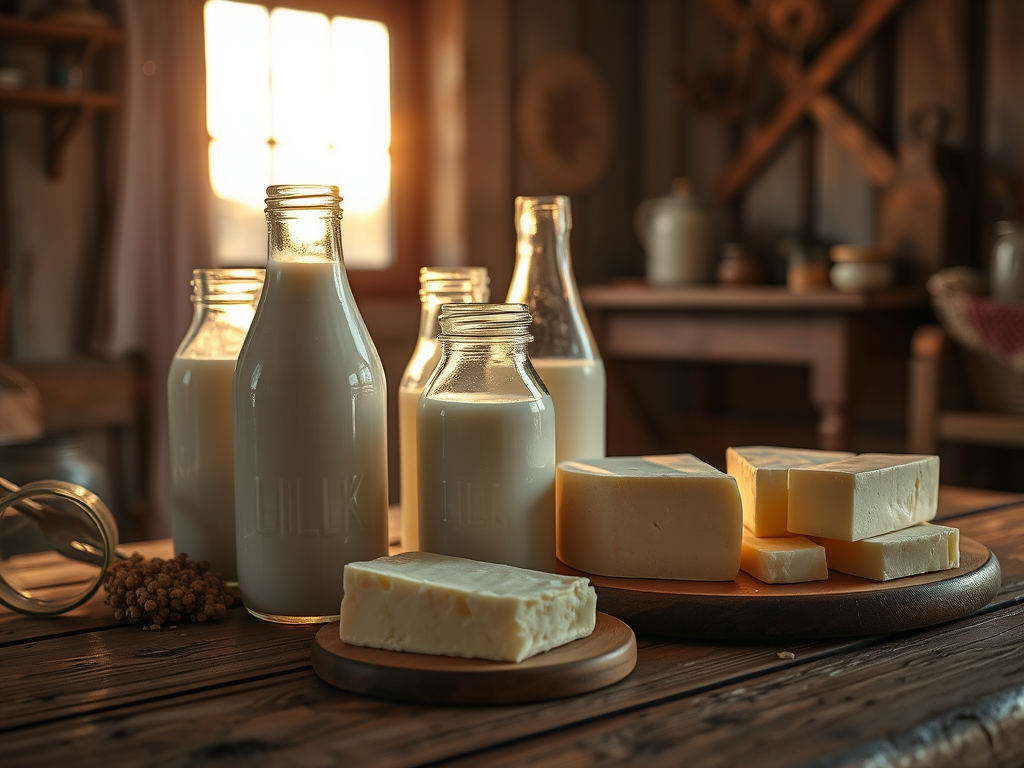
  • Why I’m Choosing Dairy Goats Over Dairy Cows: A Personal Perspective

    Why I’m Choosing Dairy Goats Over Dairy Cows: A Personal Perspective

    When it comes to raising animals for milk. Most people automatically picture a serene countryside with big, gentle dairy cows grazing in the fields. For a long time, I did too. But after weighing the options and considering my personal circumstances, I’ve decided to go a different route—dairy goats. While both cows and goats have their merits. I’ve found that goats are a better fit for my needs, lifestyle, and farm setup. Here’s why I’m choosing dairy goats over dairy cows.  

    Space and Resource Efficiency

    One of the biggest reasons I opted for goats is their size. Dairy goats require far less space and resources compared to cows. On a small homestead, every square foot matters, and goats are much more manageable in smaller pastures and barns.  

    Additionally, goats eat less than cows and can thrive on less pasture. They’re also great foragers, happily munching on weeds, brush, and other plants that cows might ignore. This makes them ideal for smaller farms or those with limited grazing areas.  

    Manageable Size and Temperament

    Let’s face it—cows are big. While their size can be awe-inspiring, it can also be intimidating. For someone new to dairy farming or managing livestock solo, the idea of handling a 1,000-pound animal can be overwhelming.  

    Dairy goats, on the other hand, are much smaller and easier to handle. They’re less likely to accidentally step on your foot(and break it) or knock you over. Making them a great choice for families with kids or individuals who want a low-risk experience with dairy animals. Their smaller size also means less worry about heavy-duty fencing or large-scale equipment.  

    Lower Startup and Maintenance Costs

    Raising cows comes with a hefty price tag. From purchasing the animal to feeding, housing, and veterinary care, the costs can add up quickly. Goats are significantly less expensive to buy, feed, and maintain.  

    Even the equipment needed for milking is more affordable with goats. Instead of investing in a large, expensive milking machine. You can milk goats by hand or with smaller, less costly equipment. For someone starting out or working on a budget, this can make all the difference.  

    High-Quality Milk with Unique Benefits

    Goat milk has a unique flavor profile and nutritional benefits that set it apart from cow milk. It’s naturally easier to digest due to its smaller fat globules and different protein structure. Making it a great option for people with sensitive stomachs or lactose intolerance.  

    Goat milk is also rich in vitamins and minerals, including calcium, magnesium, and potassium. And let’s not forget its creamy texture, which makes it ideal for homemade cheeses, yogurts, and even soaps. While cow milk has its place, the versatility and digestibility of goat milk make it a clear winner for me.  

    Faster Breeding and Higher Productivity

    Goats tend to mature faster than cows, meaning they can start producing milk at a younger age. They also have shorter gestation periods, which makes it easier to grow a small herd.  

    While goats don’t produce as much milk per animal as cows, their overall productivity can be higher on a small scale due to their quicker breeding cycles and ability to produce milk year-round with proper care. For someone looking to maximize efficiency, this is a huge plus.  

    Personality and Connection

    I’ve always been drawn to the playful, curious nature of goats. They’re social animals with distinct personalities, and their antics can bring a lot of joy to the farm. Whether it’s their funny hops or their love for human interaction, goats bring a sense of fun and connection that’s hard to match.  

    While cows can also be sweet and gentle, they don’t have the same mischievous charm as goats. For me, the bond I can form with my animals plays a big role in my decision. 

    Versatility Beyond Milk

    Goats are incredibly versatile animals. Beyond milk, they can help with weed control, provide manure for composting, and even serve as companions for other livestock. Their multi-functional role on the farm makes them invaluable, especially for small-scale or diversified homesteads.  

    Final Thoughts

    Choosing between dairy goats and dairy cows ultimately comes down to your goals, resources, and personal preferences. While cows have their advantages—such as larger milk yields and traditional appeal. I’ve found that goats align more closely with my needs and vision for my farm.  

    Their smaller size, lower costs, and unique milk benefits make them a practical and rewarding choice for me. Plus, their quirky personalities are just the icing on the cake. If you’re considering adding dairy animals to your farm, don’t overlook the humble goat—you might just fall in love with them as I have.  

    What about you? Would you choose goats or cows for your dairy journey? Let me know in the comments—I’d love to hear your thoughts!