
Tag: gardening tips

  • Small Gardening Habits That Make Your Garden Easier to Manage

    Small Gardening Habits That Make Your Garden Easier to Manage

    When people picture gardening, they often imagine long weekends outside.

    Hours spent planting.
    Entire afternoons pulling weeds.
    Big seasonal projects that take up half the day.

    And while those days absolutely happen sometimes, the truth is that most successful gardens aren’t built in one long weekend.

    They’re built in small habits.

    Tiny actions repeated over time.

    A few minutes here.
    A quick check there.
    A short routine that becomes part of your day.

    Those small habits add up faster than people think.


    Gardening Success Isn’t About Motivation

    One of the biggest misconceptions about gardening is that you need to feel motivated to do it.

    You don’t.

    What you need are systems and habits that make caring for your garden part of your normal routine.

    This is where something called habit stacking becomes incredibly useful.

    Habit stacking simply means attaching a new habit to something you already do every day.

    Instead of trying to create brand-new routines, you piggyback off existing ones.


    What Habit Stacking Looks Like in the Garden

    Think about the things you already do every morning.

    You wake up.
    You pour a cup of coffee.
    You step outside.
    You check the weather.

    These are perfect anchor points for small gardening habits.

    For example:

    When you pour your morning coffee, take five minutes to water your plants.

    When you step outside in the morning, walk past the garden and do a quick observation check.

    If you have a greenhouse, make it part of your morning routine to open it and check moisture levels.

    You’re not adding a brand new task to your day.

    You’re simply attaching gardening to something that already exists.


    Start With Five Minutes

    A lot of people quit gardening because they feel overwhelmed before they even start.

    They imagine hours of work and giant gardens that require constant attention.

    But the reality is that a garden can be maintained in very small increments of time.

    Five minutes matters.

    Five minutes can be used to:

    • water seedlings
    • pull a few weeds
    • check for pests
    • harvest a handful of vegetables
    • adjust plant supports
    • observe how plants are growing

    Those small actions prevent problems before they become big ones.

    And over time, five minutes often turns into ten.

    Then fifteen.

    Not because you forced it — but because you start enjoying the routine.


    Build Systems That Support Your Habits

    Habits are easier to keep when your environment supports them.

    This means organizing your garden and tools so tasks feel simple and accessible.

    For example:

    Keep a small watering can near your seed trays.

    Store hand tools where you can grab them quickly.

    Place garden beds somewhere you naturally walk past each day.

    The easier something is to start, the more likely you are to actually do it.

    If watering your plants requires finding tools, dragging hoses, or walking across the property, you’re less likely to do it consistently.

    But if everything is within reach, the habit sticks.


    Examples of Small Gardening Habits

    Here are a few ways YOU can build small routines to integrate gardening into your life.

    Morning routine:

    Wake up ten minutes earlier.
    Pour your coffee.
    Step outside and check your plants.

    Midday routine:

    If you work from home or take lunch breaks at home, spend five minutes in the garden doing a quick walk-through.

    Evening routine:

    Before heading inside for the night, harvest anything that’s ready and pull a couple weeds.

    These moments don’t feel like chores.

    They feel like check-ins.


    Observation Is One of the Most Powerful Habits

    One of the most valuable gardening habits you can develop is simply paying attention.

    Observation helps you catch small problems early.

    You’ll notice:

    • pests before they spread
    • plants needing water
    • early signs of disease
    • vegetables ready to harvest

    When you interact with your garden daily, even briefly, your awareness increases.

    And awareness prevents overwhelm.


    Gardening Grows With You

    The beautiful thing about small habits is that they grow naturally over time.

    You might start with one tray of seedlings.

    Then a couple containers.

    Then a small raised bed.

    Not because you rushed into it — but because your confidence grew alongside your habits.

    And that’s how sustainable gardens are built.

    Not in bursts of motivation.

    But in steady routines.


    Start Small and Let It Grow

    If you want your garden to succeed long term, start smaller than you think you need to.

    Build simple habits.

    Create systems that support those habits.

    And give yourself permission to grow slowly.

    Five minutes today might not seem like much.

    But over an entire season, those five minutes add up to something powerful.

    A garden that fits your life.

    A routine that feels natural.

    And food that grows because you showed up consistently.

    Small habits.
    Steady progress.
    Real food on your table.

    Need More Help Getting Started?

    If you’re starting this season and want something simple to guide you, I created a free printable to help.

    Seed Starting Made Simple is an 11-page beginner-friendly guide that helps you find your frost date, plan your seed timeline, avoid common mistakes, and track your plants as they grow.

    You can download it here:
    👉 https://homesteadingwithbeckyj.com/freebie-hub

    And if you’d like a deeper look at building a garden that actually fits your life, my ebook Garden Smarter, Not Harder (Book 2 in The Grounded Homesteader Series) is available now.

    It focuses on simple systems, growing what makes sense for your household, and creating a garden that’s sustainable — not overwhelming.

    Grab it here:
    👉 https://homesteadingwithbeckyj.blog/product/the-grounded-homestead-series-book-2-garden-smarter-not-harder/

    Small steps. Steady growth. Real food.
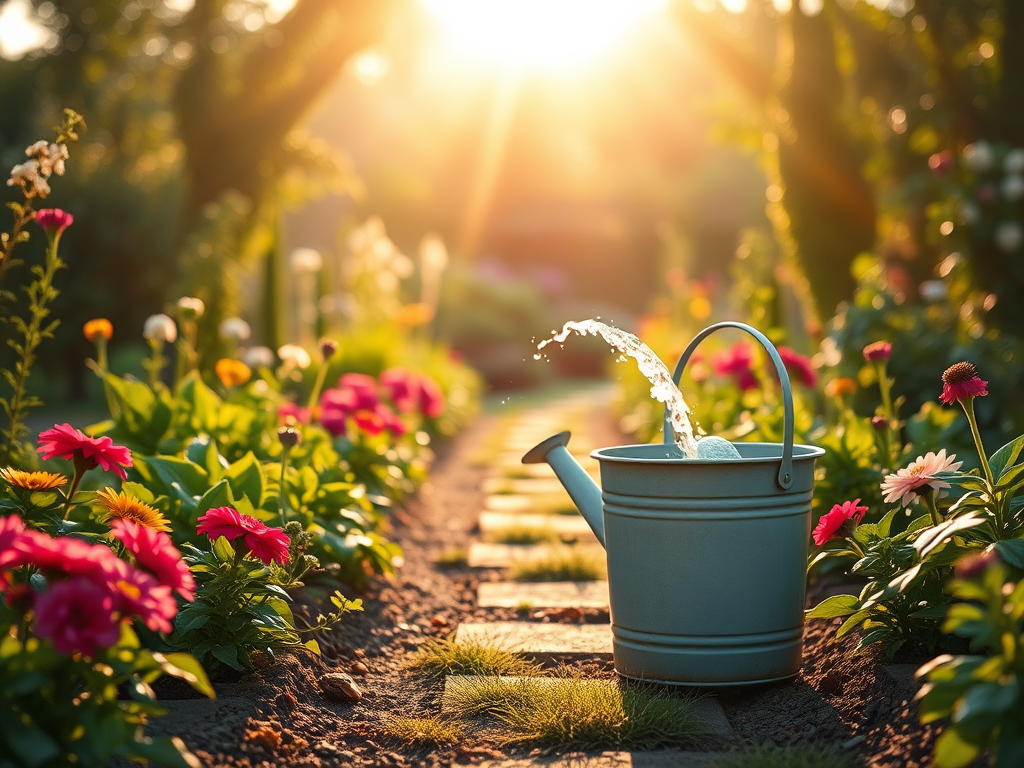
  • 10 gardening Mistakes Evn the Pros make(and how to avoid them)

    10 gardening Mistakes Evn the Pros make(and how to avoid them)

    Gardening—it’s supposed to be peaceful, rewarding, and the perfect way to spend a sunny afternoon. But sometimes, despite our best efforts, the garden gods throw us a curve ball. Whether you’re just starting out or you’ve been growing tomatoes longer than you can remember, there’s one thing all gardeners have in common: we mess up.

    Yes, even seasoned pros who know the difference between a compost heap and a spaghetti squash have made mistakes. But don’t worry—every mistake is a learning opportunity (and a great blog post). Let’s dive into some of the most common gardening blunders, including ones that even the experts sometimes make, and—more importantly—how you can avoid them.

    1. Overwatering (Because You Love Your Plants Too Much)

    The Mistake:

    We’ve all been there: you see your plants looking a little droopy, and your instinct is to flood them with water. Problem solved, right? Not quite. Overwatering is one of the most common mistakes gardeners make, and even experienced green thumbs can sometimes drown their plants in love.

    The Fix:

    Make sure your soil is actually dry before reaching for the watering can. Use your finger (or a soil moisture meter) to check the soil depth. Water deeply but less frequently to encourage plants to grow strong, deep roots. And remember—plants like their feet dry, but their heads in the sun, not the swamp.

    2. Planting Too Early (Or Too Late)

    The Mistake:

    You’re eager to get started, so you rush into planting as soon as you see a warm day. Or maybe you procrastinate and plant late, hoping the season will magically stretch out. Either way, you’re probably setting yourself up for failure.

    The Fix:

    Know your frost dates! Do a little research on when it’s safe to plant in your area—both the average last frost in spring and the first frost in fall. For example, if you’re in zone 5, there’s no reason to plant tomatoes in March (trust me, the frost will win that battle). If you’re unsure, start seeds indoors and transplant when it’s safer.

    3. Not Rotating Crops (Yes, Plants Get Tired Too)

    The Mistake:

    You’ve got your favorite vegetable patch, and every year, you plant the same thing in the same spot. It’s easy, right? You know exactly where to put the tomatoes, and you’re on autopilot. But plants, like people, get cranky when you don’t give them a break.

    The Fix:

    Crop rotation is key to healthy soil and preventing disease. Try to change up what you plant in each bed every year. For example, if you planted tomatoes in one spot last year, plant beans or leafy greens there this year. It also helps prevent soil depletion by ensuring your plants don’t hog the same nutrients year after year.

    4. Planting Without Considering Sunlight (Sorry, Tomatoes, You’re Not a Shade Plant)

    The Mistake:

    You’ve got a cozy corner in your garden that seems perfect for a new plant, but you forgot one small thing: sunlight. Sure, that corner looks charming, but if it only gets two hours of sunlight a day, your leafy greens won’t be the thriving wonderland you imagined.

    The Fix:

    Check how much sunlight your plants need before you plant them. Most vegetables need at least 6 hours of direct sunlight. Pay attention to your garden’s sun patterns and try to position sun-loving plants like tomatoes and peppers in the sunniest spots, while placing shade-tolerant herbs like mint or lettuce in less sunny areas.

    5. Not Using Proper Soil (Even Plants Have Standards)

    The Mistake:

    You think all soil is the same—it’s dirt, right? Well, turns out, plants are picky. They want their soil to be nutrient-rich, well-draining, and balanced. If you plant in soil that’s too compact or lacks the right nutrients, your plants will probably not be very happy.

    The Fix:

    Know your soil! Test it if you have to (kits are super affordable and easy to use). If it’s too clay-heavy, you can amend it with compost or organic matter to improve drainage. For sandy soil, add in some compost or peat moss for better retention. And don’t forget the power of mulching to keep that soil just the way your plants like it.

    6. Ignoring Pests (They’re Watching You… And Your Lettuce)

    The Mistake:

    It starts small—a few chewed leaves here and there—but you ignore it. Soon, the damage spreads, and your garden is a buffet for every pest in the neighborhood. Even the pros sometimes get complacent, thinking they can just “wait it out,” only to find themselves in a full-blown pest war.

    The Fix:

    Stay vigilant! Inspect your plants regularly and act fast if you spot any pests. Use natural repellents like neem oil, garlic spray, or insecticidal soap. You can also attract beneficial insects like ladybugs to keep pests in check. If things really go south, a quick, eco-friendly pesticide might be needed, but always read the label to ensure it’s safe for your plants.

    Here is a little video I made a while back about some natural pest control options you can implement before buying at the store.

    7. Not Pruning (Your Plants Aren’t Hairless Wonders)

    The Mistake:

    You’ve got a beautiful bush of tomatoes, but you’re hesitant to prune it because, hey, the more branches, the merrier, right? Wrong. Not pruning can lead to overcrowding, poor air circulation, and even disease.

    The Fix:

    Don’t be afraid to prune! For tomatoes, remove the suckers (those little shoots that grow between branches) to keep the plant focused on producing fruit. For other plants, prune dead or overcrowded branches to improve airflow and encourage healthier growth.

    8. Overcrowding (Plants Are Like People—They Need Their Personal Space)

    The Mistake:

    You try to cram as many plants into one garden bed as possible, thinking that the more, the merrier. But just like at a party, overcrowding leads to stress—and in this case, poor growth and disease.

    The Fix:

    Follow the recommended spacing for each plant. If the seed packet says 24 inches apart, trust it. Crowded plants are more likely to compete for nutrients and water, and they can attract pests and diseases. Give your plants some breathing room to thrive!

    9. Planting the Wrong Plants for Your Climate (Tropical Fruits in the Arctic, Anyone?)

    The Mistake:

    You’re determined to grow a mango tree in your northern climate. While that’s an admirable goal, it’s probably not going to end well. Even seasoned gardeners occasionally get carried away with their dream plant list, not realizing some plants simply can’t handle the cold (or the heat).

    The Fix:

    Research which plants grow best in your hardiness zone. Choose crops that are suited to your climate. For example, mangos belong in tropical climates, not in snowstorms. Instead, try cold-hardy varieties of fruits and vegetables, like apples or kale, that can thrive in your growing zone.

    10. Forgetting to Enjoy the Process (It’s Not Just About the Harvest)

    The Mistake:

    You get so caught up in getting everything perfect—having the perfect soil, spacing, and harvest—that you forget to take a step back and enjoy the garden for what it is: a beautiful, living thing that brings joy, relaxation, and a little dirt under your fingernails.

    The Fix:

    Take time to appreciate the process. Watch the bees buzz around your flowers, listen to the rustle of leaves in the breeze, and enjoy the satisfaction of seeing your hard work come to life. Gardening isn’t just about the end result—it’s about the journey, too.

    Conclusion

    Gardening can be a tricky, rewarding adventure, and even the most experienced gardeners make mistakes along the way. But the beauty of gardening is that we can always learn and improve, one plant at a time. So, the next time you make a mistake (and trust me, you will), just remember: even the pros have been there. Embrace it, learn from it, and, above all, keep gardening with a smile.