Tag: gardening

  • The Best Homestead Tools You 10 Homestead Tools You Didn’t Know You Needed (But Totally Do)

    The Best Homestead Tools You 10 Homestead Tools You Didn’t Know You Needed (But Totally Do)

    Homesteading is one of those magical lifestyles that can make you feel like a pioneer, a farmer, and a DIY expert all at once. But let’s be honest — it’s also a great excuse to collect tools. And not just a few tools… a lot of tools.

    From soil meters to log splitters, some of these gadgets you might not even know exist until you stumble across them — and suddenly, your homestead feels incomplete without them. Each one promises to make chores faster, projects smoother, and life just a little bit easier.

    Here’s the truth: you probably don’t need every tool on the market, but the right ones can completely change the way you work. Whether you’re building fences, tending chickens, or perfecting your garden, these are the tools that make everyday homesteading more efficient, more rewarding, and — let’s be honest — a whole lot more fun.

    1. The Mighty Post Hole Digger (Because Shovels Are for Amateurs)

    If you’re setting up a fence (or anything that needs solid, straight posts), you’ll quickly learn that a regular shovel just won’t cut it. Enter the post hole digger — the unsung hero of every sturdy homestead project. This tool makes quick work of deep, narrow holes, giving you cleaner edges and better depth control than a shovel ever could.

    It slices through soil like a champ and saves your back from a whole lot of unnecessary bending and scooping. Once you’ve used one, you’ll wonder how you ever managed without it. Trust me — this is one of those “why didn’t I buy this sooner?” tools every homesteader needs in their arsenal.

    2. The Weed Torch (Fire and Gardening—What Could Go Wrong?)

    It always feels like the weeds grow faster than anything you actually planted. That’s where a weed torch comes in — basically a flamethrower for your garden (and yes, it’s as fun as it sounds). This handy tool lets you clear weeds without chemicals, leaving your soil clean and ready for planting.

    The trick is using it safely and strategically. A quick pass of heat causes the weeds to wilt and die, but you don’t need to light them up like a campfire — a little flame goes a long way. Keep a hose or water source nearby, work on calm, dry days, and always steer clear of your plants and mulch.

    Once you try it, you’ll understand why it’s become a homesteader favorite. It’s fast, effective, and—let’s be honest—just a little bit satisfying to watch those stubborn weeds finally surrender. (Also a necessity when singeing birds during butchering.)

    3. The Multi-Tool Scythe (For When You Want to Feel Like a Medieval Farmer)

    You could use a mower or string trimmer, but where’s the charm in that? The scythe is an old-school tool that proves simple, well-made equipment can still outshine the fancy stuff. It’s quiet, eco-friendly, and surprisingly efficient once you get the hang of the rhythm.

    A sharp, properly fitted scythe slices through tall grass, weeds, and even small brush with ease — no gas, no cords, no noise. It’s also a full-body workout (you’ll feel it in your core and shoulders after just a few passes).

    Sure, it might make you look like you stepped out of a medieval movie, but that’s half the fun. There’s something deeply satisfying about working with a tool that connects you to generations of homesteaders who swung a blade before you — no electricity required.

    4. The Chicken Plucker (Because Feathers Are the Worst)

    Feathers everywhere, slippery hands, endless patience required… it’s a whole ordeal. That’s why every serious homesteader eventually invests in a chicken plucker — a machine that spins the bird and removes feathers in seconds. Think of it like a washing machine for poultry, only far less messy than doing it by hand.

    This tool can save you hours of work, especially if you process multiple birds at once. It gives a cleaner finish, reduces fatigue, and makes the whole butchering process much more manageable (and, honestly, a little more enjoyable).

    Just remember — it’s not exactly a dainty tool. A plucker can be loud and a bit bulky, so plan for a dedicated space in your barn or processing area. Trust me, though — once you’ve used one, you’ll never go back to hand-plucking again. 🪶

    5. The Log Splitter (For When You’re Not Really Feeling the Axe Life)

    This machine turns what used to be an all-day, back-breaking job into something you can actually enjoy. It splits logs cleanly, quickly, and with way less effort — which means more time for the fun parts of homesteading (or, let’s be honest, a second cup of coffee).

    I’ve tried chopping wood by hand, and let’s just say… I’d throw my back out before I made it through a single tree. The log splitter saves both time and my spine. It’s also perfect for splitting smaller pieces for kindling, prepping firewood for neighbors, or stocking up before the cold weather hits.

    Whether you use a manual, electric, or gas-powered splitter, this tool is one of those “work smarter, not harder” upgrades you’ll never regret

    6. The Electric Fencing Tester (For the Safety of Your Livestock…and You)

    This small but mighty gadget tells you whether your fence is properly charged — and trust me, it’s worth its weight in gold when it comes to keeping curious goats from going on “neighborhood adventures.” A quick test can save you hours of chasing, fixing, and apologizing to your neighbors later.

    An electric fencing tester measures the voltage running through your line so you can catch weak spots or grounding issues before they cause trouble. They’re simple to use, inexpensive, and essential for anyone running electric fencing on a homestead.

    Yes, it looks like a tiny toy, but don’t underestimate it — this little tool is your first line of defense against escape artists with hooves. Keep it handy, check your fence regularly, and rest easy knowing your animals are safely where they belong.

    7. The Soil pH Meter (Because Plants Don’t Like Surprises)

    A soil pH meter is a simple, affordable tool that helps you figure out whether your soil is too acidic or too alkaline — both of which can seriously affect how your plants grow. It’s one of those small gadgets that can make a big difference in your garden’s success.

    Sure, there are other ways to test your soil pH — like sending samples to your local extension office or the old school vinegar vs baking soda method. But honestly? The meter is quicker, cleaner, and way more fun to use. (And let’s be real — who doesn’t like a good gadget that makes you feel like a garden scientist for a few minutes?)

    Just stick the probe in, check the reading, and adjust your soil as needed. You’ll save yourself a ton of guessing — and maybe finally figure out why those tomatoes have been giving you attitude.

    Final Thoughts

    The truth is, homesteading tools are a lot like potato chips — you can’t stop at just one. Once you realize how much easier the right tool makes your chores, you’ll start building a collection of gadgets and gizmos that all feel essential.

    But here’s the thing — it’s not about having every shiny new tool. It’s about finding the ones that make your work more efficient, your body less sore, and your days a little smoother. Every homestead is different, and so is every toolkit.

    Homesteading is built on resourcefulness — using what you have, learning what works for you, and adapting as you grow. So go ahead, embrace your favorite tools, your not-so-pretty-but-practical gear, and the beautiful chaos that comes with it all. Because at the end of the day, it’s not about the tools themselves — it’s about the life you’re building with them.

  • “I Can’t Do It All” to “I’ll Do It My Way”: Finding Freedom in Everyday Homesteading

    Homesteading has a way of making us feel like we have to do everything all at once. You scroll through Pinterest or Instagram and see the perfect bread loaves, the spotless garden rows, the DIY farmhouse kitchen, and you think—“I can’t do it all.” And honestly? You’re right.

    But here’s the secret: you don’t have to.

    Homesteading isn’t about perfection or doing everything in one season. It’s about creating a lifestyle that works for you, in your space, on your budget, with your schedule. When you shift your mindset from “I can’t do it all” to “I’ll do it my way,” homesteading suddenly becomes doable, sustainable, and—most importantly—enjoyable.

    Perfection Isn’t the Goal—Progress Is

    There’s a lot of pressure in the homesteading world to make everything picture-perfect. But let’s be real: your goats are going to break a fence, your garden will get weedy, and that sourdough starter might flop. That doesn’t mean you’re failing—it means you’re learning.

    Progress happens in the small steps: planting one raised bed this year instead of an entire acre, raising two chickens before you invest in a full flock, or canning just a few jars instead of a pantry wall. These little wins build your skills and your confidence.

    Pinterest-Worthy vs. Real Life

    Pinterest and Instagram can be inspiring, but they can also be discouraging. Behind every “perfect” homestead photo is a mess you don’t see—the dishes piled up in the sink, the weeds just out of the camera frame, the failed projects tucked away in the shed.

    Real life homesteading is messy. It’s mud on the boots, crooked fences, and bread that doesn’t always rise. And that’s okay. What matters isn’t how it looks online—it’s how it feels to you.

    Doable and Workable Beats Perfect

    A homestead that works for your family doesn’t have to look like anyone else’s. Maybe your animals are in smaller pens than someone else’s. Maybe your garden is containers on the deck instead of rows in a field. Maybe your bread comes from a bread machine instead of a handmade sourdough.

    That doesn’t make it less valuable—it makes it workable. And a homestead that actually fits into your life will always beat one that leaves you burned out chasing perfection.

    Not Everything Works for Everyone—and That’s Perfectly Okay

    Some people thrive on dairy goats, others realize they hate milking and switch to chickens. Some people love pressure canning, others prefer freezing their harvest. What works beautifully for one homesteader might not fit your lifestyle at all.

    Instead of seeing that as failure, see it as freedom. You don’t have to copy anyone else’s version of homesteading. You get to create your own.

    Shifting the Mindset

    The most freeing mindset shift you can make is this:

    • From: “I can’t do it all.”
    • To: “I’ll do it my way.”

    That simple reframe takes the pressure off. It gives you permission to try, to fail, to adjust, and to find what actually works for your life. And that’s what true homesteading is about—building a lifestyle that sustains you, not one that drains you.

    Final Thoughts

    Your homestead doesn’t have to be perfect to be worth it. It doesn’t have to be Pinterest-worthy to be valuable. It just has to be yours—messy, doable, workable, and real.

    So, the next time you find yourself saying, “I can’t do it all,” remind yourself: you don’t have to. You only have to do it your way.

  • How I Grow with the Homesteading Seasons: A Year on My Pacific Northwest Homestead

    How I Grow with the Homesteading Seasons: A Year on My Pacific Northwest Homestead

    Homesteading isn’t just a lifestyle—it’s a rhythm that flows with the natural seasons. On my small homestead nestled in the Pacific Northwest, every season brings a new set of responsibilities, challenges, and joys. Understanding the homesteading seasons is key to building a sustainable and fulfilling life close to the land.

    Whether you’re just starting out or deep into your homesteading journey, knowing what to expect from each season can help you plan ahead, reduce burnout, and enjoy the process more fully. Here’s what life looks like on my homestead, season by season.

    Winter: Rest, Reset, and Indoor Growing

    Winter is the slowest season on our homestead—and we embrace it. While snow and frost blanket the garden beds, this season gives us a chance to rest and reflect. Our animals require basic care: feeding, water checks (especially in freezing temps), and shelter maintenance. But compared to summer, their needs are minimal.

    It’s also the perfect time for planning. I spend my evenings with seed catalogs, budgeting for the year ahead, and experimenting with indoor growing methods like microgreens and herbs under grow lights. Understanding the homesteading seasons means appreciating this necessary lull—winter is for hibernation, both for nature and the homesteader.

    Spring: New Life and New Beginnings

    Spring is when everything bursts into action. The garden begins to wake up, and so do the projects. Depending on your setup, you might be incubating eggs, bringing home new chicks or ducklings, or watching for signs of labor in pregnant goats or sheep from the previous year’s breeding.

    Spring is also a busy time for planting. Soil preparation, composting, and succession sowing keep us busy as we try to get ahead before the summer heat hits. On my homestead, this homesteading season becomes very real in spring—it’s a time of energy and motion, and the farm feels alive again.

    Summer: Full Tilt Homesteading

    Summer is the heart of the homestead hustle. The garden is in full swing, animals need extra attention (especially in the heat), and the harvests start rolling in. If you raise meat animals, this is also a time when harvesting may begin for broilers, rabbits, or even ducks.

    Preservation kicks into high gear—canning, fermenting, dehydrating, freezing. It’s not unusual to be up late boiling jars or checking the dehydrator while making dinner. On my homestead, we lean into the long days and try to keep pace with nature’s abundance.

    Understanding the homesteading seasons helps keep burnout at bay. Summer is busy, yes—but it’s also deeply rewarding.

    Fall: The Big Shift

    Fall is the season of transition and preparation. The weather begins to cool, and if you’ve planted a fall garden, it’s a good time to enjoy cool-weather crops like kale, carrots, and broccoli.

    For us, fall is also butchering season. Our meat birds are processed, and we begin preparations for butchering our hogs as we near the colder months. It’s bittersweet but necessary, and part of honoring the cycle of life on the homestead.

    Fall is also a time to clean up the garden, mend fences, and prepare animal shelters for the cold months ahead. For those who follow the homesteading seasons, fall is when we start to wind down, stock up and prepare to hunker down for winter.

    End of Fall into Winter: The Final Push

    The end of fall into early winter is hog butchering season on our homestead. We wait until the temperatures drop to help keep the meat safe during processing. Freezers are filled, lard is rendered, and smoked meats are prepped for the pantry.

    This time of year wraps up our homesteading seasons and reminds us of the importance of planning, pacing, and working with the natural cycles. We slow down once again and welcome the restful rhythm of winter.

    Final Thoughts

    Every homesteader’s year will look a little different depending on your climate, goals, and setup. But understanding and honoring the homesteading seasons can help you build a more peaceful, productive, and balanced life on your land. Whether it’s seed-starting in March, harvesting in August, or butchering in November—each season has a purpose.

    On my homestead, I’ve learned to grow with the seasons, not against them—and that mindset has made all the difference.

  • Homestead Lasagna Recipe – From Our Farm to Your Table

    Homestead Lasagna Recipe – From Our Farm to Your Table

    There’s something magical about making a meal completely from scratch. Not just scratch, but your scratch—your eggs, your milk, your cheese, your beef, your herbs. A homestead lasagna recipe like this doesn’t just fill your belly—it tells a story. Every layer is a little piece of your hard work and love from the homestead.

    When I pull a bubbling lasagna from the oven, I’m not just smelling dinner—I’m smelling fresh basil from my garden, beef from the cow we raised last year, and the creamy tang of chevre cheese made from our own goats’ milk. It’s better for you, better for your family, and I swear it tastes better because you know where every ingredient came from. Today, I’m sharing my homestead lasagna recipe—complete with homemade egg noodles, a fresh tomato-basil sauce, goat cheese, and rich beef from our own land.

    Homemade Egg Noodles

    Ingredients:

    • 3 cups all-purpose flour (or fresh milled if you have it)
    • 4 large eggs (fresh from the coop)
    • 1 teaspoon salt
    • 1–2 tablespoons water (as needed)

    Instructions:

    1. On a clean counter or in a large bowl, make a mound of flour and create a well in the center.
    2. Crack the eggs into the well and sprinkle in salt.
    3. Using a fork, gently beat the eggs, slowly incorporating the flour from the sides.
    4. Knead the dough by hand for 8–10 minutes until smooth and elastic. Add water if it’s too dry.
    5. Wrap in a towel and let rest for 30 minutes.
    6. Roll out into thin sheets and cut to fit your lasagna pan. Dust with flour to prevent sticking. (I used my kitchen aide attachment.)

    Fresh Tomato & Basil Sauce

    Ingredients:

    • 10–12 ripe tomatoes (about 4 lbs), peeled and chopped
    • 4 cloves garlic, minced
    • 1 medium onion, diced
    • 1/4 cup olive oil
    • 1 cup fresh basil leaves, chopped
    • 1 teaspoon salt
    • 1/2 teaspoon pepper
    • 1 teaspoon sugar (optional, to cut acidity)

    Instructions:

    1. In a large pot, heat olive oil over medium heat. Sauté onions until soft, about 5 minutes.
    2. Add garlic and cook for 1 minute, stirring so it doesn’t burn.
    3. Add tomatoes, salt, pepper, and sugar if using.
    4. Simmer uncovered for 30–40 minutes, stirring occasionally, until thickened.
    5. Stir in fresh basil at the end for maximum flavor.
    6. Blend until smooth.

    Pro Tip: If your short on time, throw everything in a crock pot and cook on low overnight 😉

    Chevre Goat Cheese

    This is the recipe I used for my goat cheese, and it turned out beautifully. It’s not too tricky, but if you’re new to cheesemaking, I recommend starting with a simple farmer’s cheese first. Once you get the hang of it, making your own goat cheese will feel like second nature

    https://cheesemaking.com/products/chevre-goat-cheese-recipe

    Lasagna Assembly

    Ingredients:

    • Fresh egg noodles
    • Tomato & basil sauce
    • 3 cups goat cheese (I added an egg and spread like I would ricotta)
    • 2 cups shredded mozzarella cheese
    • 1 lb cooked ground beef (from our home-raised cow)
    • 1/2 cup shredded cheese of your choice for topping

    Instructions:

    1. Preheat oven to 375°F (190°C).
    2. In a skillet, brown the beef until fully cooked. Drain excess fat.
    3. In a 9×13 baking dish, spread a thin layer of sauce on the bottom.
    4. Lay down your first layer of noodles.
    5. Spread goat cheese evenly, sprinkle beef and add sauce.
    6. Repeat layers until you reach the top of the pan, ending with sauce and shredded cheese of choice.
    7. Cover with foil and bake for 30 minutes.
    8. Remove foil and bake an additional 15 minutes, until cheese is golden and bubbly.
    9. Let rest 10 minutes before slicing so it holds its shape.

    Why This Homestead Lasagna Recipe Just Tastes Better

    This homestead lasagna recipe isn’t just about the food—it’s about the connection to the ingredients. From collecting the eggs to milking the goats, from picking basil, every step adds a layer of meaning to the dish. You know exactly where it came from, and you can taste the difference in every bite.

    And while it might take more time than pulling a frozen box from the store, that’s the beauty of homesteading—you’re not just feeding your family, you’re nourishing them with real food and memories they’ll carry forever.

    So pour yourself a glass of sweet tea (or make a mixed drink), sit down with your loved ones, and enjoy a slice of your hard work.

  • 5 Ways Homesteading Will Change Your Life

    5 Ways Homesteading Will Change Your Life

    If you’ve ever thought about homesteading—whether it’s on a sprawling farm or in a small suburban backyard—you’ve probably romanticized the idea of living off the land, gathering eggs from your chickens, and enjoying the fruits of your labor (literally). You’ve seen the cute Instagram posts of freshly baked bread, proud chickens, and perfectly manicured vegetable gardens, and thought, “Hey, that looks like the life for me!”

    But let’s get real for a second: homesteading will definitely change your life. Some changes will be exciting, some will be frustrating, and some might even make you question your life choices when you’re knee-deep in mud or trying to herd a chicken that refuses to go back into its coop.

    Here’s the thing—homesteading isn’t just about growing food or raising animals. It’s about embracing a way of life that’s as much about transformation as it is about food. From your waistline to your patience (or lack thereof), here are five ways homesteading will change your life—and how you’ll learn to embrace the chaos along the way.

    1. Your Waistline Will Thank You (But Your Knees Might Not)

    We’ve all heard the saying, “farm-fresh” food, but let’s be real: homesteading is the real farm-to-table experience. You’re growing your own veggies, harvesting eggs, and maybe even raising your own meat (if you’re feeling extra adventurous). After a few months of eating everything you’ve grown or raised, you’ll quickly find that your eating habits change—and your waistline might follow suit.

    First off, fresh vegetables, eggs, and herbs will start showing up in every meal, and you’ll find yourself actually eating more vegetables than ever before. Your fridge will be stocked with organic produce that you grew yourself—no more sad, wilting lettuce from the grocery store. You’ll start to feel healthier, and it’s not just because you’re eating better—it’s because you’re actually moving. From pulling weeds to picking vegetables to mucking out chicken coops, you’ll get a lot of steps in without even realizing it.

    But then there’s the flip side: those delicious homemade pies, freshly baked bread, and buttery cornbread will start making an appearance too. And when you’ve spent all day working on your farm-to-table feast, you won’t be able to resist. There’s a delicate balance between healthy eating and the occasional indulgence. Your waistline will appreciate the effort, but your knees? Not so much after you’ve spent an entire day digging, hoeing, and tending to the chickens.

    Pro Tip: Balance is key! Make sure to incorporate some cardio into your homesteading routine (like chasing runaway goats), or invest in a sturdy pair of knee pads for when you’re kneeling in the garden.

    2. Your Patience Will Be Tested (and Strengthened)

    If you’ve ever had a bad day in the garden—when the bugs eat your crops, the plants die for no apparent reason, and the weather doesn’t cooperate—you know that patience is something you will need in abundance as a homesteader. And just when you think you’ve hit a rough patch, something will go wrong with the animals, the fence, or the compost pile, and your patience will be tested again. It’s like the universe is trying to teach you something.

    Homesteading requires a level of patience that goes beyond just waiting for your tomatoes to ripen. It’s about learning to deal with setbacks, delays, and the fact that some things just aren’t going to go according to plan. Maybe your chickens suddenly start refusing to lay eggs, or your seedlings won’t sprout. You’ll have to roll with the punches, laugh at yourself, and learn that everything takes time. The seasons change, the animals mature, and the crops finally (hopefully) produce.

    While patience might not come naturally at first (and let’s be honest, some days it feels like the universe is testing you just for fun), you’ll find that over time, your ability to deal with life’s little frustrations will grow. You’ll start finding joy in the small wins, like when you finally get that first egg of the season after months of waiting or when the weeds are finally under control. And yes, you’ll learn to laugh at your mistakes (or at least laugh after you’ve vented).

    3. Your Mental Health Will Get a Boost (With a Side of Dirt)

    Let’s face it: modern life can be overwhelming. The constant hustle, the never-ending to-do lists, and the nagging feeling that you’re missing something important can take a toll on your mental health. But when you start homesteading, something amazing happens. You spend more time outdoors, get your hands in the soil, and connect with the rhythms of nature. And guess what? Nature is good for your brain.

    Studies have shown that spending time in nature reduces stress, lowers anxiety, and improves mood. So, when you’re out there tending to your garden, feeding the animals, or just watching the bees buzz around your flowers, your brain is getting a little vacation. There’s something grounding about being connected to the land, and every time you harvest your own food, it’s like a small victory for your mental well-being.

    But be warned: the therapeutic benefits of homesteading come with a little dirt. You’ll probably find yourself covered in mud or having to shower off the smell of manure after a particularly intense day with the animals. Don’t worry though—nothing washes off quite like a warm bath after a long day of homesteading. Just be sure to keep a towel handy when you’re trying to explain to your spouse why you have dirt in places you didn’t think dirt could get.

    4. Your Social Life Will Evolve (Into a World of Chickens, Goats, and Homesteading Friends)

    If you’re used to meeting up with friends at coffee shops or going out for dinner, homesteading might change your social life—at least for a while. As your homestead grows, you’ll find that a lot of your conversations revolve around things like “how to deal with chickens who think they’re free-range cows” or “how to keep the goats from eating your tomatoes.”

    But don’t worry—your social life isn’t going away entirely. It’s just evolving. You’ll start connecting with fellow homesteaders, trading tips, sharing eggs, or swapping homemade jams. The homesteading community is surprisingly friendly and supportive, and you’ll find that your new friends are just as passionate about growing their own food or raising animals as you are.

    You’ll also get to know your animals in ways that you never expected. You’ll develop relationships with your chickens (yes, they have personalities) and maybe even talk to your goats like they’re your best friends. So while your social life might look different than it did in the city, you’ll find that it’s deeply fulfilling—albeit with a little more manure involved.

    5. Your Sense of Accomplishment Will Soar (Even When Things Go Wrong)

    One of the most rewarding things about homesteading is the overwhelming sense of accomplishment that comes with every little success. Whether you’ve successfully planted your first row of carrots, gathered a basket full of eggs, or finally got the compost to smell less like…well, compost—each small victory feels like you’re on top of the world. And that’s even before you taste that first farm-fresh egg or homemade loaf of bread.

    But let’s be real: not everything goes perfectly. You’ll have bad harvests, failed DIY projects, and moments where you question why you thought raising chickens was a good idea. But here’s the thing—every setback teaches you something, and in the end, it all adds up. When you see the fruits of your labor (literally), you’ll feel an immense sense of pride. You built that garden, you raised those chickens, and you created something meaningful from the ground up.

    That feeling of accomplishment will carry you through the tough days, the bad harvests, and the moments when you want to throw your hands up in defeat. And let’s face it—there’s no better feeling than sitting down to a meal that you grew yourself (and no, store-bought bread doesn’t count).

    Final Thoughts: Embrace the Chaos

    Homesteading isn’t always easy, but the rewards far outweigh the challenges. From the physical changes (hello, muscles!) to the mental growth (yes, you can deal with a goat trying to break into your house), it’s a journey that will change you in ways you never imagined.

    So, go ahead and embrace the chaos—laugh at the mishaps, learn from the mistakes, and celebrate the little wins. Homesteading will change your life in ways you didn’t expect, and in the end, you’ll be stronger, healthier, and maybe a little dirtier than when you started. But hey, that’s the beauty of it!

    Happy homesteading, and remember: it’s all about progress, not perfection.

  • What to Do when your garden looks like a jungle(without giving up and moving to the city)

    What to Do when your garden looks like a jungle(without giving up and moving to the city)

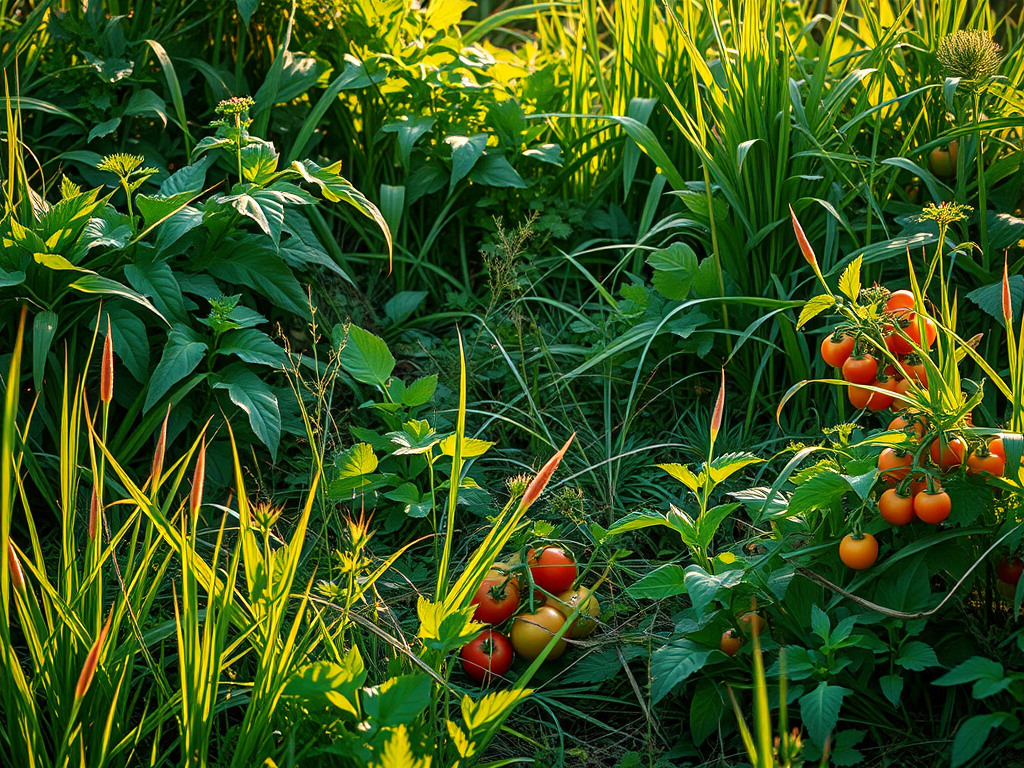
    Let’s face it—gardening isn’t always as picturesque as the Instagram-perfect photos you see online. Sometimes, despite your best intentions, your garden transforms into something that resembles a jungle. Vines are sprawling, weeds are taking over, and you can’t tell the difference between your carrots and the dandelions at this point. And let’s not even talk about the path you used to walk on—it’s practically a secret tunnel now.

    If this sounds familiar, don’t panic. You’re not alone in this. Most gardeners have experienced the chaos of a garden gone rogue. But instead of pulling up stakes and heading straight to the city, let’s talk about what you can do to tame your unruly garden and turn it back into the thriving space you’ve always wanted.

    Grab your gardening gloves, a strong cup of coffee, and let’s dive into the chaos—because the jungle can be tamed!

    Step 1: Take a Deep Breath (And a Step Back)

    Before you grab your machete and start hacking away, take a moment to breathe. Your garden may look wild, but it’s not beyond saving. The first step is to approach the situation with a calm mindset. Yes, your cucumber vines may have overrun the beans, but that’s fixable.

    Think of this as your garden’s “teenage phase.” Every garden goes through a rebellious stage, and it’s up to you to guide it back on track. The key is to not get overwhelmed by the mess. Take it one step at a time, and remember: the jungle is a place of possibility—just like your garden.

    Step 2: Assess the Situation (And Have a Laugh)

    Take a walk around your garden, and give yourself a moment to laugh at the chaos. Sure, your peas may be dangling from the tomato cages, and the pumpkins are now attempting to conquer the entire backyard, but that’s okay!

    While you’re surveying the scene, make a mental (or written) note of what’s working and what needs immediate attention. Is the garden completely overrun with weeds? Are there areas where plants have died off and need to be pulled? Or are there sections that are just a little too “enthusiastic” in their growth?

    The important thing here is to stay positive. A garden jungle means there’s life—perhaps a little too much of it—but there’s growth. And growth means you’re doing something right!

    Step 3: Start with the Weeds (They’re Not the Cool Kids)

    Weeds are the ultimate party crashers. They show up uninvited and spread like wildfire. And if you don’t take care of them first, they’ll take over your garden like an invasive species. But don’t worry—weed removal doesn’t have to be a back-breaking task. It’s all about strategy.

    Here’s what you can do:

    • Pull Weeds by Hand: Start by pulling out weeds by hand, focusing on the areas with the most visible weeds. For stubborn weeds, grab a garden fork to loosen the soil and remove them root and all.
    • Mulch, Mulch, Mulch: Once you’ve removed the weeds, lay down a thick layer of mulch around your plants. This will help smother new weed growth while also keeping the soil moist. It’s like a cozy blanket for your garden.
    • Use a Weed Barrier: For larger areas that are completely overtaken, consider using a landscape fabric or a biodegradable weed barrier to prevent the weeds from coming back in full force.

    Step 4: Take Control of the Overgrown Plants (Don’t Be Afraid to Prune)

    Now, it’s time to tame the jungle—carefully, of course. Overgrown plants are like unruly children who need some boundaries. While you don’t want to be too harsh (after all, they’ve worked hard to grow), it’s important to prune and trim where necessary.

    Here’s how to do it:

    • Prune Back Vines: If your vines are spreading like wildfire, carefully trim them back to keep them within their designated areas. For example, trim your tomato vines back to prevent them from taking over your entire garden bed. If you’ve got pumpkins running wild, redirect them into a more manageable space or prune off some of the extra growth.
    • Cut Back Overgrown Perennials: For perennials that have become leggy or too big, trim them back to encourage new growth and prevent them from crowding other plants. If your herbs have started to resemble small shrubs, cut them back to allow space for other plants to breathe.
    • Remove Dead or Damaged Plants: Sometimes, the jungle gets a little too crazy and you’ll find plants that have outgrown their spot or have died off completely. Pull them out to make room for the healthy ones that still have plenty of growing to do.

    Step 5: Create Clear Paths (So You Can Actually See Your Garden)

    A garden jungle is beautiful in its own way, but it’s hard to appreciate the beauty when you can’t even walk through it. Creating clear paths through your garden will make it more functional and easier to maintain.

    Here’s how to carve out your garden’s “roads” and make the jungle more navigable:

    • Lay Down Gravel or Wood Chips: If you’ve got garden beds that are difficult to walk around due to overgrowth, consider laying down a path of gravel, wood chips, or even bark mulch. These materials will help define your paths while making it easier to walk around.
    • Use Edging to Define Garden Beds: If your plants are spilling out of their designated areas, use stone, brick, or even plastic edging to create clear boundaries for your garden beds. This will prevent plants from spreading too far and keep the rest of your garden organized.
    • Add Trellises or Cages for Climbing Plants: If your vines and climbing plants are taking over everything, install trellises or plant cages to keep them contained and give them a proper structure to grow on. Not only will this help control the spread, but it’ll also give your plants the support they need to grow upward instead of outward.

    Step 6: Reevaluate What You Want to Grow (Be the Boss of Your Garden)

    A jungle is all about wild, unchecked growth—but that’s not always what you want for your homestead. This might be the perfect time to reevaluate what you want to grow in your garden. Are there plants that aren’t giving you the results you were hoping for? Are there some you can’t manage, or that are taking up space without rewarding you with a bountiful harvest?

    Here’s what you can do:

    • Remove Low-Value Crops: If you’ve got crops that have taken over but haven’t produced as much as you hoped, it might be time to let them go. For example, if your zucchini plants are sprawling everywhere but the fruit has been disappointing, it may be time to cut them back or replant something else in their place.
    • Plan for Better Spacing Next Season: Once your jungle has been tamed, make a mental note for next year’s planting. Will your tomatoes be better off in a raised bed? Will your squash thrive with a little more space? Take advantage of this season’s chaos as a learning experience for better planning in the future.

    Step 7: Embrace the Chaos (And Learn to Love It)

    Finally, sometimes you have to accept that your garden will never be perfectly manicured, and that’s okay. Nature doesn’t have a straight line, and neither should your garden. Embrace the chaos! Some wild growth is not only healthy but beneficial. Wildflowers, pollinators, and even a few “weeds” can help support your garden’s ecosystem.

    The jungle may look overwhelming, but it’s a sign that your plants are thriving. And while it’s essential to get things back under control, you can still leave room for nature to do its thing. Your garden doesn’t have to be a perfect picture—it can be a joyful, thriving, messy, beautiful work in progress. And that’s the real beauty of homesteading.

    Conclusion: From Jungle to Joyful Garden

    So, what do you do when your garden looks like a jungle? You get to work, but you don’t give up. You tackle the weeds, prune the plants, and create paths for easy navigation. You learn from the chaos, and you embrace the wild beauty that nature brings to your homestead.

    Most importantly, don’t get discouraged. Every garden has its ups and downs, and a bit of mess is part of the process. Whether it’s your first garden or your fifth, a little jungle is a sign of life—and life is always worth the effort.

  • Budget Friendly Homestead Recipes

    Budget Friendly Homestead Recipes

    As a homesteader, one of the most rewarding aspects of our lifestyle is the ability to grow your own food. But, even with a garden full of fresh produce, the reality of cooking for your family can still be a challenge when it comes to budgeting. That’s where budget-friendly homestead recipes can come into play. These recipes make the most of what you already grow, raise, or preserve on your homestead, allowing you to cook hearty, wholesome meals without breaking the bank.

    By focusing on simple, cost-effective ingredients that you can harvest yourself or purchase locally, you can cut down on grocery store expenses while still enjoying delicious, nutritious meals. Here are some budget-friendly homestead recipes that will help you make the most of your homestead harvest while saving you money.

    Vegetable Soup: A Homesteader’s Classic

    When you have an abundance of vegetables from your garden, one of the easiest ways to use them up is by making a large pot of vegetable soup. Not only is it hearty and comforting, but it’s also a versatile dish that can be customized based on what you have on hand.

    Ingredients: Whatever vegetables are in season (carrots, potatoes, tomatoes, onions, zucchini, kale, etc.), garlic, vegetable or chicken stock, and herbs like thyme or rosemary. You can also add dried beans or lentils to stretch the meal and add protein.

    How to Make It:

    1. Chop up your vegetables and sauté garlic and onions in a large pot with some olive oil or butter.
    2. Add the chopped vegetables, stock, and herbs, and bring it to a boil. Then, let it simmer for 30-45 minutes until all the veggies are tender.
    3. For a heartier soup, add beans or lentils, which are both cheap and filling.

    Tips for Saving Money: Use what you have in abundance! You can freeze any leftover soup to eat later. Adding inexpensive grains like rice, barley, or oats also stretches the meal and adds fiber.

    Vegetable soup is a great way to use up leftover produce and can be made in large batches to feed a crowd or provide meals for the week ahead.

    Homemade Chicken or Veggie Stock

    Making homemade stock is one of the best ways to utilize parts of animals or vegetables that might otherwise go to waste. Chicken bones, vegetable scraps, and herb stems can be simmered together to create a rich, flavorful stock that you can use in soups, stews, or risottos.

    Ingredients: Chicken bones or vegetable scraps (onion peels, carrot ends, celery stalks, etc.), herbs like thyme, rosemary, bay leaves, and peppercorns.

    How to Make It:

    1. Place your chicken bones or veggie scraps into a large pot and cover with water.
    2. Add your herbs and seasonings, then bring it to a boil.
    3. Reduce the heat and let it simmer for at least 2 hours (the longer, the better). For a richer flavor, you can simmer the stock for 6-8 hours.
    4. Strain out the solids and store the stock in containers for later use. You can freeze stock in ice cube trays for easy portions.

    Tips for Saving Money: Making stock from leftover scraps means you’re reusing parts of food that would have been thrown away. Plus, you’ll have a flavorful, homemade stock on hand for cooking at no extra cost.

    Homemade stock enhances the flavor of many dishes, adds nurtrients and is a great way to utilize what would otherwise be food waste.

    Cabbage Stir-Fry with Eggs

    Cabbage is one of the most budget-friendly vegetables you can grow on your homestead, and it can be turned into a delicious, hearty meal with just a few ingredients. This cabbage stir-fry recipe is simple, filling, and perfect for when you’re looking for a quick meal that stretches your food supply.

    Ingredients: Cabbage (shredded), eggs, soy sauce (or homemade if you have the ingredients), garlic, and any leftover vegetables or herbs you have in the fridge.

    How to Make It:

    1. Heat oil in a large skillet and sauté garlic until fragrant.
    2. Add the shredded cabbage and cook, stirring occasionally, until the cabbage wilts and caramelizes slightly.
    3. Push the cabbage to the side of the skillet, crack eggs into the pan, and scramble them.
    4. Once the eggs are cooked, stir everything together and season with soy sauce or your preferred seasoning.

    Tips for Saving Money: Cabbage is incredibly affordable and lasts a long time in storage. This recipe is also versatile, so you can throw in any extra vegetables or meat scraps to give it a little more variety.

    This simple stir-fry can feed a family and uses up those extra heads of cabbage you may have growing in your garden.

    Homemade Bread (No-Knead or Basic Loaf)

    Bread is a staple in many homesteads, and making your own is not only satisfying but also budget-friendly. Homemade bread can be made with just a few basic ingredients that you likely already have in your pantry, and it can be baked in large batches to feed the whole family.

    Ingredients: Flour, yeast, salt, water, and a bit of honey or sugar (optional).

    How to Make It:

    1. Combine your dry ingredients (flour, salt, yeast) in a large bowl.
    2. Slowly add water and mix until you form a sticky dough.
    3. Cover and let it rise for 12-18 hours (a slow rise improves flavor).
    4. After the dough has risen, fold it over a few times, shape it into a loaf, and bake in a preheated oven (450°F) for about 40-45 minutes.

    Tips for Saving Money: Making bread from scratch is a fraction of the cost of store-bought loaves, and you can bake it in large quantities to freeze for later. You can also experiment with adding in herbs, cheese, or even leftover grains to flavor your bread.

    Homemade bread is an essential homestead recipe that not only saves you money but also provides a comforting, fresh side to any meal.

    Simple One-Pot Stews or Casseroles

    One-pot meals are the ultimate homesteading hack for saving time and money. You can throw together a variety of vegetables, grains, and meats (or beans) into one pot to create a delicious and filling meal that serves a crowd.

    Ingredients: Leftover vegetables, grains like rice or barley, beans or lentils, and your choice of protein (chicken, pork, beef, or a plant-based option). Season with garlic, onions, and herbs from your garden.

    How to Make It:

    1. In a large pot, sauté onions and garlic, then add in your protein (if using) and cook until browned.
    2. Add in your vegetables, grains, and beans, then cover with broth or water.
    3. Bring to a boil, then simmer until everything is tender and the flavors have melded together (about 45 minutes to an hour).
    • Tips for Saving Money: These dishes are perfect for using up whatever leftover ingredients you have in your fridge or garden. You can make a big batch to last the week and freeze portions for future meals.

    One-pot meals are an efficient way to make a hearty, cost-effective meal that stretches your homestead ingredients.

    Conclusion

    Cooking on a homestead doesn’t have to be expensive or complicated. By focusing on what you grow or raise yourself, you can create delicious, wholesome meals that are easy on your budget. Simple ingredients like vegetables, grains, and herbs can be transformed into flavorful dishes that provide nourishment and satisfaction to your family.

    The key to saving money is planning your meals around what’s in season, making the most of leftovers, and incorporating affordable staples like beans, rice, and cabbage into your recipes. By following these budget-friendly homestead recipes, you’ll be able to feed your family well while sticking to your homestead’s budget.

    Start incorporating these cost-effective meals into your routine and watch how much money you can save. Not only will you have a stockpile of healthy, homemade food, but you’ll also develop a deeper appreciation for the fruits of your labor.

    I hope this article helps you showcase how easy and rewarding it is to create budget-friendly meals on a homestead! Let me know if you want to adjust anything or add any specific recipes.

  • How to Make a Completely Homemade Pizza (Dough, Cheese & Sauce from Scratch)

    How to Make a Completely Homemade Pizza (Dough, Cheese & Sauce from Scratch)

    There’s something truly magical about making a pizza entirely from scratch — we’re talking about the dough, the cheese, and even the sauce. Whether you’re growing tomatoes in your backyard or making cheese from fresh milk, this homestead-style pizza is wholesome, flavorful, and deeply satisfying.

    Ready to get your hands messy and make something delicious? Let’s dive in!

    Homemade Pizza Dough Recipe

    A good pizza starts with a great crust — chewy on the inside, slightly crisp on the outside.

    Ingredients:

    2 ¼ tsp (1 packet) active dry yeast

    1 ½ cups warm water (about 110°F)

    1 tbsp sugar

    3 ½ cups all-purpose flour

    2 tbsp olive oil

    1 ½ tsp salt

    Instructions:

    1. In a large bowl, dissolve the sugar in warm water. Sprinkle yeast over the top and let it sit for 5–10 minutes, until foamy.

    2. Add flour, olive oil, and salt. Mix until it forms a dough, then knead on a floured surface for 8–10 minutes until smooth and elastic.

    3. Place the dough in a greased bowl, cover with a towel, and let it rise for about 1 hour or until doubled in size.

    4. Punch the dough down and roll it out to your desired thickness.

    Tip: This recipe makes enough for two medium pizzas.

    Homemade Farmer’s Cheese (Soft, Crumbly Cheese)

    You don’t need rennet or complicated equipment — this simple cheese is fresh, easy, and perfect for pizza.

    Ingredients:

    1 gallon whole milk

    1/4 cup white vinegar or lemon juice

    1 tsp salt (optional)

    Instructions:

    1. Heat the milk in a large pot over medium heat until it starts to gently boil (around 180°F).

    2. Remove from heat and slowly stir in vinegar or lemon juice.

    3. The curds will begin to separate from the whey. Let it sit for 10 minutes.

    4. Line a colander with cheesecloth and pour in the mixture. Let it drain for 1–2 hours depending on how firm you want the cheese.

    5. Crumble over your pizza or press into a mold to slice later.

    Optional: Add herbs or garlic for extra flavor before pressing the cheese.

    Homemade Tomato Sauce (From Garden or Pantry)

    This sauce is simple, vibrant, and full of fresh tomato flavor.

    Ingredients:

    4–5 ripe tomatoes (or 1 can crushed tomatoes)

    2 cloves garlic, minced

    1 tbsp olive oil

    1 tsp salt

    1 tsp dried oregano

    1 pinch sugar (to balance acidity)

    * Optional: basil, chopped onion, red pepper flakes

    Instructions:

    1. If using fresh tomatoes, blanch and peel them first.

    2. Sauté garlic in olive oil until fragrant.

    3. Add tomatoes, salt, oregano, and sugar.

    4. Simmer uncovered for 20–30 minutes, stirring occasionally.

    5. Blend for a smoother sauce, or leave chunky for a rustic texture.

    I used frozen tomatoes from last years harvest that I hadn’t gotten around to using yet. I let it simmer all day to cook off any excess liquid plus I like my sauce to be thick and very tomato-ey.

    Putting It All Together

    1. Preheat your oven to 475°F. A pizza stone or cast iron pan works great if you have one.

    2. Roll out your dough on a floured surface and transfer to a baking sheet or stone.

    3. Spread a layer of your homemade tomato sauce.

    4. Sprinkle on your homemade cheese.

    5. Add toppings: sliced onions, garden vegetables, cured meats, olives, herbs — whatever your homestead provides!

    6. Bake for 10–12 minutes, until the crust is golden and the cheese is bubbly.

    Final Thoughts

    Making pizza entirely from scratch is a deeply rewarding experience. It connects you with your food, your land, and your kitchen in the best way possible. Whether you grow your own tomatoes or just want to try something homemade this weekend, this recipe is a delicious place to start.

  • 10 gardening Mistakes Evn the Pros make(and how to avoid them)

    10 gardening Mistakes Evn the Pros make(and how to avoid them)

    Gardening—it’s supposed to be peaceful, rewarding, and the perfect way to spend a sunny afternoon. But sometimes, despite our best efforts, the garden gods throw us a curve ball. Whether you’re just starting out or you’ve been growing tomatoes longer than you can remember, there’s one thing all gardeners have in common: we mess up.

    Yes, even seasoned pros who know the difference between a compost heap and a spaghetti squash have made mistakes. But don’t worry—every mistake is a learning opportunity (and a great blog post). Let’s dive into some of the most common gardening blunders, including ones that even the experts sometimes make, and—more importantly—how you can avoid them.

    1. Overwatering (Because You Love Your Plants Too Much)

    The Mistake:

    We’ve all been there: you see your plants looking a little droopy, and your instinct is to flood them with water. Problem solved, right? Not quite. Overwatering is one of the most common mistakes gardeners make, and even experienced green thumbs can sometimes drown their plants in love.

    The Fix:

    Make sure your soil is actually dry before reaching for the watering can. Use your finger (or a soil moisture meter) to check the soil depth. Water deeply but less frequently to encourage plants to grow strong, deep roots. And remember—plants like their feet dry, but their heads in the sun, not the swamp.

    2. Planting Too Early (Or Too Late)

    The Mistake:

    You’re eager to get started, so you rush into planting as soon as you see a warm day. Or maybe you procrastinate and plant late, hoping the season will magically stretch out. Either way, you’re probably setting yourself up for failure.

    The Fix:

    Know your frost dates! Do a little research on when it’s safe to plant in your area—both the average last frost in spring and the first frost in fall. For example, if you’re in zone 5, there’s no reason to plant tomatoes in March (trust me, the frost will win that battle). If you’re unsure, start seeds indoors and transplant when it’s safer.

    3. Not Rotating Crops (Yes, Plants Get Tired Too)

    The Mistake:

    You’ve got your favorite vegetable patch, and every year, you plant the same thing in the same spot. It’s easy, right? You know exactly where to put the tomatoes, and you’re on autopilot. But plants, like people, get cranky when you don’t give them a break.

    The Fix:

    Crop rotation is key to healthy soil and preventing disease. Try to change up what you plant in each bed every year. For example, if you planted tomatoes in one spot last year, plant beans or leafy greens there this year. It also helps prevent soil depletion by ensuring your plants don’t hog the same nutrients year after year.

    4. Planting Without Considering Sunlight (Sorry, Tomatoes, You’re Not a Shade Plant)

    The Mistake:

    You’ve got a cozy corner in your garden that seems perfect for a new plant, but you forgot one small thing: sunlight. Sure, that corner looks charming, but if it only gets two hours of sunlight a day, your leafy greens won’t be the thriving wonderland you imagined.

    The Fix:

    Check how much sunlight your plants need before you plant them. Most vegetables need at least 6 hours of direct sunlight. Pay attention to your garden’s sun patterns and try to position sun-loving plants like tomatoes and peppers in the sunniest spots, while placing shade-tolerant herbs like mint or lettuce in less sunny areas.

    5. Not Using Proper Soil (Even Plants Have Standards)

    The Mistake:

    You think all soil is the same—it’s dirt, right? Well, turns out, plants are picky. They want their soil to be nutrient-rich, well-draining, and balanced. If you plant in soil that’s too compact or lacks the right nutrients, your plants will probably not be very happy.

    The Fix:

    Know your soil! Test it if you have to (kits are super affordable and easy to use). If it’s too clay-heavy, you can amend it with compost or organic matter to improve drainage. For sandy soil, add in some compost or peat moss for better retention. And don’t forget the power of mulching to keep that soil just the way your plants like it.

    6. Ignoring Pests (They’re Watching You… And Your Lettuce)

    The Mistake:

    It starts small—a few chewed leaves here and there—but you ignore it. Soon, the damage spreads, and your garden is a buffet for every pest in the neighborhood. Even the pros sometimes get complacent, thinking they can just “wait it out,” only to find themselves in a full-blown pest war.

    The Fix:

    Stay vigilant! Inspect your plants regularly and act fast if you spot any pests. Use natural repellents like neem oil, garlic spray, or insecticidal soap. You can also attract beneficial insects like ladybugs to keep pests in check. If things really go south, a quick, eco-friendly pesticide might be needed, but always read the label to ensure it’s safe for your plants.

    Here is a little video I made a while back about some natural pest control options you can implement before buying at the store.

    7. Not Pruning (Your Plants Aren’t Hairless Wonders)

    The Mistake:

    You’ve got a beautiful bush of tomatoes, but you’re hesitant to prune it because, hey, the more branches, the merrier, right? Wrong. Not pruning can lead to overcrowding, poor air circulation, and even disease.

    The Fix:

    Don’t be afraid to prune! For tomatoes, remove the suckers (those little shoots that grow between branches) to keep the plant focused on producing fruit. For other plants, prune dead or overcrowded branches to improve airflow and encourage healthier growth.

    8. Overcrowding (Plants Are Like People—They Need Their Personal Space)

    The Mistake:

    You try to cram as many plants into one garden bed as possible, thinking that the more, the merrier. But just like at a party, overcrowding leads to stress—and in this case, poor growth and disease.

    The Fix:

    Follow the recommended spacing for each plant. If the seed packet says 24 inches apart, trust it. Crowded plants are more likely to compete for nutrients and water, and they can attract pests and diseases. Give your plants some breathing room to thrive!

    9. Planting the Wrong Plants for Your Climate (Tropical Fruits in the Arctic, Anyone?)

    The Mistake:

    You’re determined to grow a mango tree in your northern climate. While that’s an admirable goal, it’s probably not going to end well. Even seasoned gardeners occasionally get carried away with their dream plant list, not realizing some plants simply can’t handle the cold (or the heat).

    The Fix:

    Research which plants grow best in your hardiness zone. Choose crops that are suited to your climate. For example, mangos belong in tropical climates, not in snowstorms. Instead, try cold-hardy varieties of fruits and vegetables, like apples or kale, that can thrive in your growing zone.

    10. Forgetting to Enjoy the Process (It’s Not Just About the Harvest)

    The Mistake:

    You get so caught up in getting everything perfect—having the perfect soil, spacing, and harvest—that you forget to take a step back and enjoy the garden for what it is: a beautiful, living thing that brings joy, relaxation, and a little dirt under your fingernails.

    The Fix:

    Take time to appreciate the process. Watch the bees buzz around your flowers, listen to the rustle of leaves in the breeze, and enjoy the satisfaction of seeing your hard work come to life. Gardening isn’t just about the end result—it’s about the journey, too.

    Conclusion

    Gardening can be a tricky, rewarding adventure, and even the most experienced gardeners make mistakes along the way. But the beauty of gardening is that we can always learn and improve, one plant at a time. So, the next time you make a mistake (and trust me, you will), just remember: even the pros have been there. Embrace it, learn from it, and, above all, keep gardening with a smile.

  • Getting Garden Stuff Done Early: One Step at a Time

    Getting Garden Stuff Done Early: One Step at a Time

    As a full-time working mom of three, it can feel like there’s never enough time in the day to get everything done. Between work, kids’ schedules, house chores, and the usual chaos of family life, the idea of gardening can sometimes feel like an impossible dream. But here’s the truth: if you want your garden to thrive, starting early and taking it one step at a time is the way to go. 

    For me, gardening is more than growing my ownfood and being self-sufficient—it’s a way to create something beautiful and peaceful in the middle of my busy, sometimes overwhelming life. But with everything else going on, I’ve had to learn to approach it in a way that fits into my lifestyle. I don’t always have the luxury of spending hours outside every weekend, but I can make steady progress in small, manageable chunks. And you know what? It works.

    Why I Start So Early

    Some might say I start too early, but for me, every weekend counts when it comes to preparing my garden for the season. Instead of cramming everything into a couple of weekends in the spring, I break it down and chip away at tasks bit by bit. This gives me the freedom to work on what needs to be done when I have time, without feeling overwhelmed.

    Starting early also helps avoid that feeling of panic when you realize it’s already planting time and you haven’t even prepped the soil. By starting in early, I can get a head start on things like cleaning up the garden beds, pulling weeds, and organizing my tools. This way, when it’s finally time to plant, I can focus solely on that—without distractions.

    Small Steps for Big Results

    It’s all about taking small steps and making them work for my lifestyle. Some weekends, I’ll focus on one task—maybe I’ll plant a few flowers, clean up an area, or lay down mulch. Other weekends, I might just spend an hour trimming or pruning. But with each little task, I’m moving closer to my goal.

    What works for me is that I never try to do everything at once. I’ve learned the hard way that pushing too hard leads to burnout. But by spreading it out, I feel a sense of accomplishment each time I complete something, even if it’s just one small part of the bigger picture.

    The Struggle of Doing It on My Own

    I won’t lie—sometimes it’s a struggle. As a busy mom, I often find myself doing things on my own. It’s tough to find the time and energy to work on the garden with everything else going on. But this is where the power of routine and small victories comes in. I set aside time in the mornings or evenings, It doesn’t matter if it’s just 15 minutes here or there; those small moments add up.

    And on the weekends, when my husband can help out or the kids are home(and willing) enough to pitch in, it feels like a win. They might not always be into gardening, but teaching them how to plant or water the garden is a great way to get them involved and make it a family activity. Plus, it helps me feel less overwhelmed when I have a little extra support.

    Embracing the Journey, Not Just the Result

    I’ve learned that the process of gardening, like everything else in life, is about balance. The final product is important, but the journey of getting there is just as rewarding. By taking it one step at a time and starting early, I can make steady progress without feeling like I’m falling behind. 

    I’ve found that gardening, especially when you have a busy lifestyle, is about being patient with yourself. There will be weekends where things don’t go according to plan. There will be days when you’re too tired or have too many other things on your plate. But as long as you keep showing up, even in small ways, your garden will thank you.

    So, if you’re juggling a busy schedule like I am, don’t stress about having a perfect garden or finishing it all at once. Start early, work in small bursts, and most importantly—make it work for you. By taking it one step at a time, you’ll find that the garden you’ve dreamed of can come to life, even in the midst of your busy life.

    What’s your favorite garden task to tackle early in the season? I’d love to hear how you make gardening fit into your lifestyle!