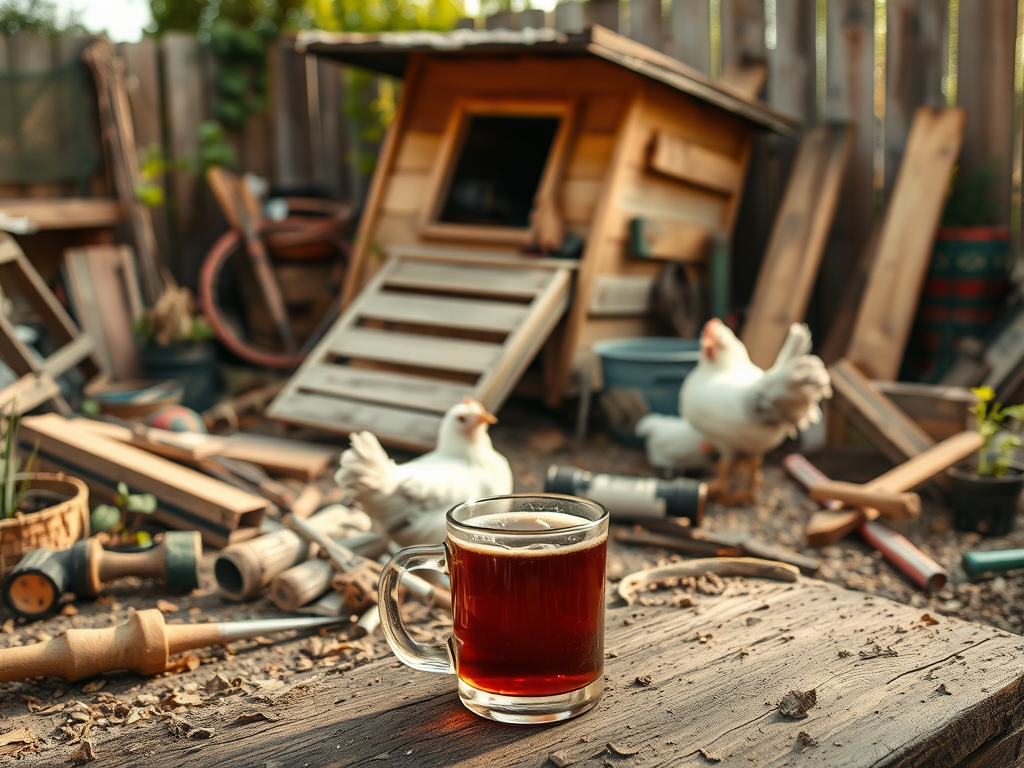
When it comes to homesteading, one of the most rewarding and cost-effective strategies is taking a DIY approach to your daily needs. Whether it’s building structures, creating tools, or even crafting your own food storage solutions, DIY projects can save you a significant amount of money, reduce your reliance on commercial products, and give you a deeper sense of connection to your homestead.
Here are some essential DIY projects that can help you save money, improve your homestead’s sustainability, and add to your self-sufficiency.
1. Building Your Own Chicken Coop
Raising chickens can provide fresh eggs, meat, and even fertilizer for your garden. However, purchasing a pre-built chicken coop can be expensive. Instead, building your own coop is a cost-effective and rewarding project.
- Basic design ideas: A simple chicken coop can be constructed with basic materials like wood, nails, wire mesh, and corrugated metal. You’ll want to ensure the coop is secure to protect your chickens from predators and has adequate ventilation, nesting boxes, and roosting areas.
- Upcycled materials: You don’t always need to buy new materials. Many homesteaders repurpose old pallets, fencing, or scrap wood to build their coops. This helps keep costs low while promoting sustainability.
- Expand over time: If you’re just getting started, build a basic, small coop that can house a few chickens. As your flock grows, you can always add additional space or features to accommodate more birds.
By building your own chicken coop, you’ll save hundreds of dollars compared to purchasing a pre-made one, and you can customize it to suit your needs perfectly.
2. Making Your Own Compost Bin
Composting is an essential part of homesteading. It allows you to recycle food scraps, yard waste, and other organic materials into nutrient-rich compost that can improve your garden soil. While compost bins can be bought at the store, making your own is a much cheaper and personalized alternative.
- Easy DIY compost bin: You can build a simple compost bin with wood pallets, chicken wire, or even old barrels. One of the easiest methods is to create a three-bin system with wooden planks. Each bin can house different stages of compost, allowing for a continuous cycle of decomposition.
- Repurposing materials: If you’re handy with tools, you can repurpose old pallets, wire mesh, or other scrap materials around your homestead. This will save you money and keep your composting system affordable.
- Composting tips: Keep a good mix of “green” (nitrogen-rich) and “brown” (carbon-rich) materials in your compost. Green materials include things like grass clippings and vegetable scraps, while brown materials include leaves, straw, and wood chips. Turning the compost regularly will speed up the process, and you’ll soon have nutrient-rich soil for your garden.
A DIY compost bin can help you reduce kitchen waste, improve your soil health, and keep your garden flourishing—without spending a lot of money.
3. Constructing Raised Garden Beds
Raised garden beds are an excellent way to grow vegetables, herbs, and flowers, particularly in areas where the soil quality isn’t great. While pre-made raised bed kits can be pricey, you can build your own for a fraction of the cost.
- Affordable materials: You can build raised beds using untreated wood, bricks, cinder blocks, or even upcycled materials like pallets. The key is to choose materials that are durable and won’t leach harmful chemicals into the soil.
- Simple design: Raised garden beds can be as simple as a wooden frame filled with rich soil and compost. You can create a basic rectangular shape or get creative with curved or tiered beds to maximize space.
- Benefits: Raised beds allow for better drainage, improved soil quality, and less strain on your back when gardening. They also make it easier to manage weeds and pests. Plus, if you have limited space or poor soil conditions, raised beds can be a game-changer.
Constructing your own raised beds can save you money on store-bought planters and provide you with a more controlled growing environment.
4. Building a Solar Dehydrator
Preserving the harvest is one of the most important aspects of homesteading, especially when it comes to preserving fruits, vegetables, and herbs. While electric food dehydrators are great, they can be expensive to purchase and run. A solar dehydrator is an eco-friendly, cost-effective alternative that uses the sun’s energy to dry your food.
- Building a solar dehydrator: Creating a solar dehydrator can be done with inexpensive materials like plywood, wire racks, glass, and plastic. There are many free plans available online for DIY solar dehydrators that can dry fruits, vegetables, herbs, and even meats.
- Advantages of solar drying: The beauty of using a solar dehydrator is that it doesn’t rely on electricity, reducing your energy costs. It’s also a sustainable and low-tech method that ties into your homesteading goals of self-sufficiency.
- Preserve food naturally: Once your dehydrator is built, you can begin drying your produce. Dried fruits, vegetables, and herbs can be stored for months or even years, allowing you to enjoy your garden’s bounty year-round.
By building a solar dehydrator, you’ll cut down on electricity costs while preserving your harvest naturally.
5. DIY Rainwater Collection System
Water is essential for your garden, livestock, and household needs, but it can be expensive if you rely on municipal water sources. One way to cut costs and become more self-sufficient is by collecting and using rainwater.
- Simple rainwater collection setup: You can set up a rainwater collection system using a rain barrel, some basic piping, and a downspout diverter to funnel water into the barrel. For larger homesteads, you might want to create a more extensive system with multiple barrels or a storage tank.
- Using rainwater in your garden: Rainwater is free, and it’s often better for plants than tap water because it doesn’t contain chemicals like chlorine or fluoride. Using rainwater for irrigation can reduce your water bill significantly, especially during the hotter months when your garden needs more water.
- Extra benefits: In addition to watering your garden, you can also use collected rainwater for other tasks around your homestead, like washing your car, cleaning tools, or even providing water for livestock.
A DIY rainwater collection system is an excellent investment that helps you conserve water, save money, and support your homesteading efforts in a sustainable way.
6. DIY Animal Feed and Treats
If you raise animals like chickens, goats, or pigs, buying animal feed can quickly become a significant expense. However, you can save money by making your own animal feed or treats, particularly if you’re growing some of the ingredients yourself.
- Homemade chicken feed: You can mix your own chicken feed using grains like corn, oats, wheat, and barley. Adding crushed eggshells, bone meal, or kelp can also provide essential nutrients. By growing some of these grains on your homestead, you can reduce your feed costs even more.
- Homemade animal treats: Many animals enjoy homemade treats that you can make with ingredients you already have. For example, you can make grain-based treats for chickens or goats with oats, molasses, and herbs. These treats are a great way to provide your animals with extra nutrients while saving money.
By creating your own animal feed and treats, you can cut down on feed costs while providing your animals with wholesome, natural food.
Conclusion
DIY projects on the homestead are a great way to save money, reduce reliance on store-bought products, and improve your overall self-sufficiency. Whether you’re building a chicken coop, crafting a rainwater collection system, or preserving your harvest with a solar dehydrator, these projects are not only cost-effective but also incredibly rewarding. Not only do you save money, but you also get the satisfaction of knowing that you’ve built something with your own hands and contributed to a more sustainable lifestyle.
If you’re ready to dive into DIY projects, start small, gather your materials, and enjoy the process. With time, you’ll find that creating solutions on your homestead not only saves money but also enriches your life and brings you closer to your homesteading goals