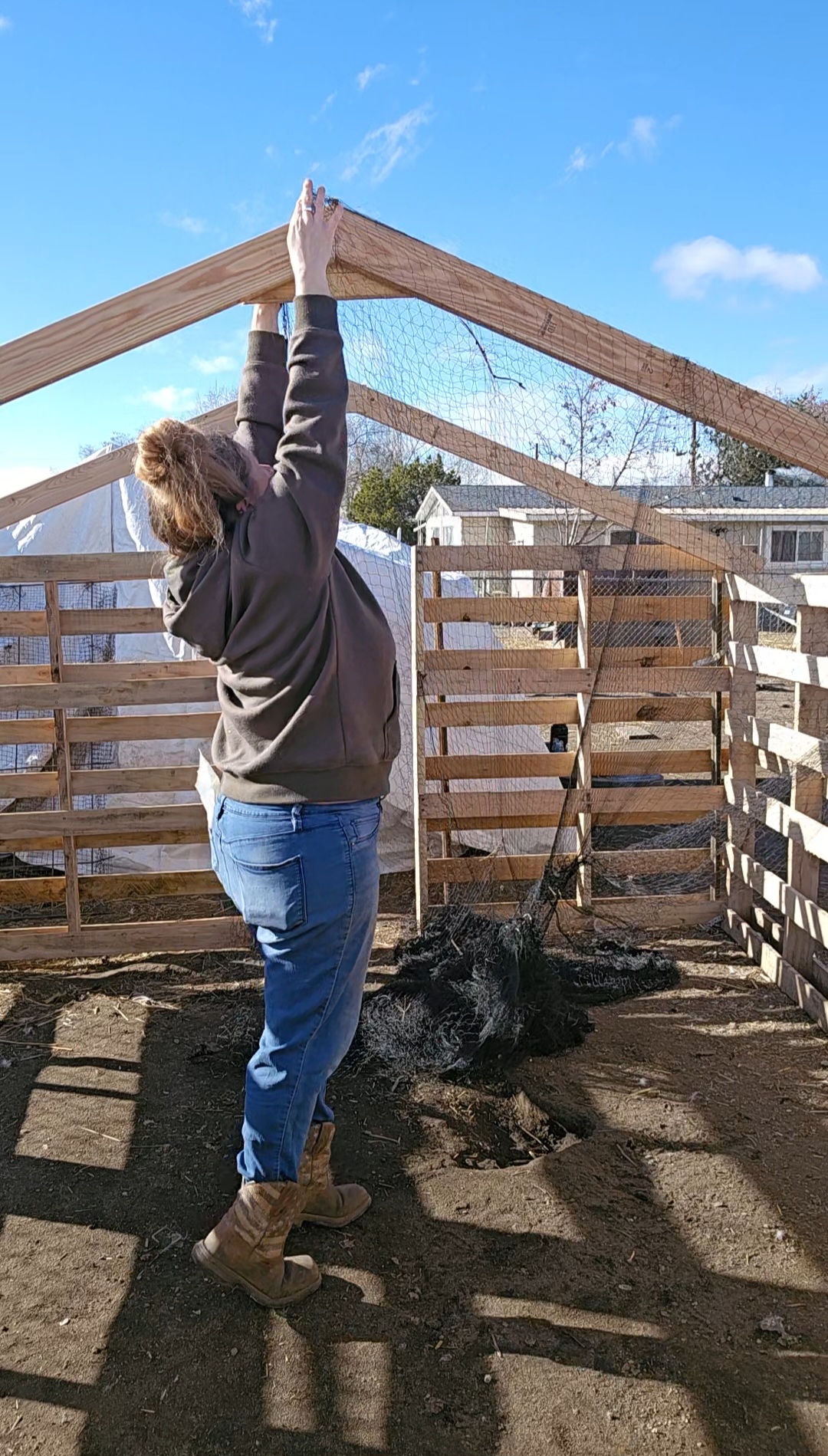
When you’re running a homestead, every penny counts. Between feed, supplies, and maintenance, costs can creep up fast. That’s why learning frugal homesteading hacks can make all the difference. With a little creativity, resourcefulness, and a willingness to barter, you can stretch your budget without sacrificing quality or productivity.
Here are 15 practical frugal homesteading hacks that can save you hundreds of dollars each year.
1. Repurpose Old Feed Bags
If you’re raising animals, chances are you go through a lot of feed—and end up with a stack of empty feed bags. Instead of sending them to the landfill, give them a second life. Most modern feed bags are made from woven polypropylene, which is durable, water-resistant, and surprisingly versatile.
You can cut them open and lay them flat to use as:
- Weed barriers in the garden. Simply place them under mulch or soil in pathways to block sunlight and keep weeds from sprouting.
- Protective tarps for covering firewood, hay, or equipment during wet weather.
- Ground covers when working on muddy areas to keep boots clean and prevent erosion.
If you’re crafty, you can also sew feed bags into:
- Tote bags for groceries, farmers’ market hauls, or carrying tools around the homestead.
- Storage bags for organizing seasonal gear, blankets, or livestock supplies.
- Harvest bags for carrying produce from the garden without worrying about dirt or moisture damaging the container.
Some homesteaders even get creative and turn them into aprons, wall organizers, or chicken coop curtains. With a quick rinse and a little imagination, your pile of “trash” becomes a stash of ready-to-use, free materials—saving you money and reducing waste in the process.
2. Barter Skills Instead of Spending Cash
One of the oldest and most valuable tools in a homesteader’s money-saving arsenal is the art of bartering. Instead of pulling out your wallet every time you need something done, think about what you can offer in exchange.
Have an overabundance of eggs in spring? Trade them with a neighbor for fresh honey or homemade bread. Got a bumper crop of tomatoes or zucchini? Swap with someone who raises meat rabbits or has extra firewood. Even baked goods, canned jams, and herbal remedies can be valuable currency in a barter-friendly community.
Bartering isn’t just about goods—it’s also about skills. If you’re handy with carpentry, you could repair a friend’s chicken coop in exchange for them helping you install a water line to your barn. Maybe you have knowledge in animal care and can check in on someone’s livestock while they’re on vacation, and in return, they’ll help you with fencing or tractor repairs.
The beauty of bartering is that it:
- Keeps cash in your pocket while still meeting your needs.
- Strengthens community ties, since you’re building a network of mutual support.
- Reduces waste, because you’re making use of extra goods or spare time rather than letting them go unused.
The more you practice bartering, the more you’ll discover its hidden benefits. You’ll not only save money but also feel more connected to the people around you—something money simply can’t buy.
3. Save Seeds from Your Garden
Buying seed packets every spring can really add up—but the good news is, you don’t have to. By learning the simple skill of seed saving, you can create a self-sustaining cycle in your garden and cut this recurring cost entirely.
Start by selecting your healthiest, most productive plants—the ones that thrived in your soil, resisted pests, and produced well in your specific climate. Saving seeds from these plants means you’ll grow a stronger, more resilient garden year after year because you’re naturally selecting varieties that adapt to your unique growing conditions.
For example:
- Tomatoes: Let a few fruits fully ripen on the vine, scoop out the seeds, ferment them in a jar of water for a few days, rinse, and dry them for storage.
- Beans and peas: Allow pods to dry on the plant until they rattle, then shell and store in an airtight container.
- Herbs like basil or dill: Let them flower and go to seed, then shake the dry seed heads over a paper bag to collect them.
Not only does this save you money, but it also helps preserve heirloom varieties and maintain your own personal seed bank for years to come. Plus, there’s something deeply satisfying about planting seeds you grew, harvested, and saved with your own hands—it’s the ultimate full-circle homesteading moment.
4. Make Your Own Cleaning Products
Store-bought cleaning supplies may look convenient, but they can quietly eat away at your homestead budget—not to mention introduce unnecessary chemicals into your home. By making your own cleaners from simple, pantry-friendly ingredients like vinegar, baking soda, and essential oils, you can cut your cleaning costs down to just pennies per batch while keeping your home safe for family, pets, and livestock.
Here are a few easy recipes to get started:
- All-Purpose Cleaner: Mix 1 part white vinegar with 1 part water in a spray bottle. Add 10–15 drops of lemon or lavender essential oil for scent. Perfect for counters, windows, and sinks.
- Scrubbing Paste: Combine baking soda with just enough water to make a paste. Use it to tackle tough stains on stovetops, sinks, and tile grout.
- Homemade Disinfectant: Mix 2 cups water, 1 tablespoon liquid castile soap, and 10 drops of tea tree oil for a gentle but effective germ-fighting spray.
The beauty of homemade cleaners is that you control the ingredients—meaning no mystery fragrances, no harsh chemicals, and no pricey plastic bottles to throw away. Many homesteaders even take it a step further by reusing spray bottles, storing baking soda in glass jars, and infusing vinegar with citrus peels or herbs for a pleasant, natural aroma.
Making your own cleaning products not only keeps more cash in your pocket but also supports a more sustainable, self-reliant lifestyle—two big wins in the frugal homesteading playbook.
5. Compost Everything You Can
Composting is one of the simplest and most cost-effective ways to boost your homestead’s productivity while keeping waste out of the landfill. By turning kitchen scraps, yard clippings, garden waste, and even animal bedding into nutrient-rich compost, you can drastically cut down—or even eliminate—your need for store-bought fertilizers.
Nearly anything organic can go into your compost pile, including:
- Vegetable and fruit peels
- Coffee grounds and tea leaves
- Eggshells
- Grass clippings and leaves
- Straw or hay bedding from chicken coops or rabbit hutches
- Shredded paper or cardboard (avoid glossy or colored paper)
Not only does composting save money on soil amendments, but it also creates healthier, more productive gardens. The finished compost improves soil structure, increases water retention, and feeds your plants with a slow-release blend of nutrients perfectly balanced by nature.
If you don’t have much space, you can still compost in smaller setups like tumbler bins, worm bins (vermicomposting), or even a discreet corner of your yard. For homesteaders with livestock, adding used bedding into your compost not only recycles the material but also speeds up decomposition due to the nitrogen-rich manure.
In short, composting turns what you might have thrown away into black gold for your garden—a true frugal homesteading win.
You can download my free composting cheat sheet here.
6. Build Instead of Buy
One of the biggest money-saving skills you can develop on your homestead is learning to build things yourself. From chicken coops and rabbit hutches to raised garden beds, trellises, and storage shelves, DIY projects can save you hundreds—sometimes thousands—of dollars compared to store-bought versions.
Instead of heading straight to the hardware store, look for reclaimed materials first. Old pallets, salvaged fencing, scrap lumber, and used hardware can often be found for free or cheap from:
- Local construction sites (ask permission before taking anything)
- Craigslist or Facebook Marketplace’s “free” section
- Friends or neighbors tearing down old sheds, barns, or fences
- Habitat for Humanity ReStores
Not only will building your own structures keep your homestead budget in check, but it also allows you to customize the design to fit your exact needs. For example:
- A chicken coop with extra ventilation for hot climates
- Raised beds built tall enough to reduce bending and strain
- Shelves designed to fit your specific canning jar sizes
And the satisfaction? Priceless. Every time you gather eggs from a coop you built with your own hands, or harvest tomatoes from a bed you crafted out of reclaimed wood, you’ll know you’re building not just a homestead—but a lifestyle of self-reliance.
7. Cook from Scratch
One of the most rewarding and budget-friendly habits you can develop on a frugal homestead is cooking from scratch. Instead of spending money on overpriced processed foods, you can make healthier, tastier meals right in your own kitchen—often for a fraction of the cost.
Start by building your meals around homegrown ingredients. Fresh vegetables from your garden, eggs from your hens, or herbs from your windowsill planter can become the foundation for soups, stir-fries, casseroles, and baked goods. Even if you can’t grow everything you eat, buying staple items in bulk—like flour, beans, rice, and oats—will dramatically lower your grocery bill.
Examples of frugal homestead cooking:
- Turning excess garden zucchini into bread, muffins, or fritters
- Making bone broth from leftover chicken or beef bones for soups and stews
- Canning tomatoes for pasta sauces and salsa instead of buying jars at the store
- Baking your own bread, tortillas, and crackers instead of buying packaged versions
Cooking from scratch also means you have complete control over what goes into your food—no preservatives, artificial flavors, or hidden costs from “convenience” packaging. Over time, you’ll develop a recipe rotation that’s both cost-efficient and deeply satisfying, turning your kitchen into the true heart of your frugal homestead.
8. Raise Dual-Purpose Livestock
On a frugal homestead, every animal should earn its keep in more than one way. By choosing dual-purpose livestock, you maximize the return on your investment while reducing the need to buy separate animals for different jobs. This approach saves money, space, and feed—while still meeting multiple needs for your homestead.
For example, ducks are excellent for both fresh, nutrient-rich eggs and natural pest control. They happily roam the garden eating slugs, snails, and insects—reducing the need for chemical treatments. Similarly, goats can supply fresh milk for drinking, cheese, and yogurt, while also clearing brush and weeds from hard-to-maintain areas of your property.
Other great dual-purpose options for a frugal homestead include:
- Chickens – Provide both eggs and meat
- Rabbits – Great for meat production and their manure is an excellent cold fertilizer
- Sheep – Offer meat and wool for spinning or selling
- Geese – Supply meat, eggs, and can act as natural “watchdogs” for your property
By selecting animals that can fill multiple roles, you’ll cut feed costs, reduce infrastructure expenses, and get more out of every resource—an essential mindset for anyone committed to frugal homesteading.
9. Use Solar Lighting in Outbuildings
On a frugal homestead, every dollar saved on utilities adds up. One simple way to cut costs is by installing solar-powered lighting in barns, sheds, chicken coops, and other outbuildings. These lights are inexpensive, easy to set up, and don’t rely on your home’s electrical system—perfect for remote areas of your property.
Solar lights can keep your pathways safe at night, illuminate workspaces for evening chores, and even deter predators around animal pens. Many models come with motion sensors or timers, so you only use energy when needed, maximizing efficiency.
Examples of practical uses:
- Barns and tool sheds – Illuminate corners for easy access to tools and feed
- Chicken coops – Extend daylight hours in winter to maintain egg production naturally
- Garden paths – Provide safe walking routes without running electrical wiring
- Outdoor workstations – Great for evening canning, repairs, or hobby projects
Investing in solar lighting is a smart, long-term strategy for any frugal homestead, reducing both your electricity bills and your carbon footprint while keeping your homestead functional and safe.
10. Learn Basic Animal Care Skills
Knowing how to care for your animals yourself can save you hundreds—or even thousands—of dollars each year in vet bills. By learning basic skills like trimming hooves, checking for common health issues, administering simple medications, and handling minor injuries, you can keep your livestock healthy without overspending.
For example:
- Hoof trimming – Prevents lameness in goats, sheep, and cows, reducing costly vet visits
- Vaccinations & deworming – Administering routine care yourself keeps animals disease-free
- Minor injuries – Treat small cuts or abrasions at home instead of rushing to a vet for every scrape
- Animal handling – Proper restraint and handling techniques reduce stress for both you and the animal, lowering the chance of accidents
Learning these skills doesn’t require formal training; online tutorials, local homesteading groups, or even workshops at feed stores can teach you the essentials. Not only does this approach cut costs, but it also increases your confidence and independence on your frugal homestead.
11. Reuse Glass Jars and Containers
On a frugal homestead, every little bit of reuse helps stretch your budget. Glass jars from canning, sauces, pickles, and other condiments don’t have to be tossed—they’re perfect for multiple purposes around your homestead.
Some practical ways to reuse glass jars include:
- Food storage – Store dry goods like grains, beans, or spices in clean jars to keep your pantry organized
- Seed starting – Small jars are great for sprouting seeds or starting seedlings indoors before transplanting
- Canning and preserving – Reuse jars for your own homemade jams, sauces, or pickles, saving money on packaging
- DIY projects – Make lanterns, soap dispensers, or craft organizers with jars to reduce the need for buying new containers
- Gifting – Fill jars with homemade treats, bath salts, or spice mixes to give as thoughtful, low-cost gifts
Not only does reusing glass jars reduce waste, but it also aligns perfectly with frugal homesteading principles, helping you save money while staying organized and creative.
12. Grow Perennials
One of the smartest strategies on a frugal homestead is to invest in plants that keep giving year after year. Perennial fruits, herbs, and vegetables not only save money on seeds and seedlings each season, but they also reduce labor and time spent replanting annual crops.
Some great perennial options include:
- Fruits: Strawberries, raspberries, blueberries, and apple or pear trees can produce for years with minimal upkeep.
- Herbs: Rosemary, thyme, oregano, and chives will regrow every spring, making them a cost-effective addition to your kitchen garden.
- Vegetables: Asparagus, rhubarb, and certain varieties of kale or artichokes provide reliable harvests without annual replanting.
Beyond saving money, perennials build long-term sustainability on your homestead. They improve soil health, attract pollinators, and reduce the overall maintenance required each year—freeing you to focus on other homestead projects.
By choosing perennials strategically, you’re not just cutting costs—you’re creating a resilient, productive, and self-sufficient homestead that pays off year after year.
13. Buy in Bulk
One of the simplest ways to save money on a frugal homestead is to buy staples in bulk whenever possible. Items like animal feed, grains, flour, sugar, rice, and beans often cost significantly less per unit when purchased in larger quantities.
Tips for buying in bulk on a frugal homestead:
- Storage is key: Invest in airtight containers, bins, or barrels to keep bulk items fresh and pest-free.
- Plan ahead: Track your usage so you don’t overbuy items that may spoil before you can use them.
- Seasonal deals: Take advantage of sales or harvest seasons when prices are lower, and stock up for the year.
- Split bulk purchases: If storage is limited, consider sharing bulk orders with neighbors or friends to get the cost savings without crowding your space.
Buying in bulk isn’t just about saving money—it’s about building a more efficient, self-sufficient homestead. You’ll spend less time shopping, reduce multiple trips to the store, and have essential supplies on hand when you need them, all while keeping your homestead budget in check.
14. Repair Before Replacing
On a frugal homestead, one of the most overlooked ways to save money is to repair items instead of immediately replacing them. Whether it’s clothing, tools, furniture, or equipment, taking the time to patch, mend, or fix can save you hundreds of dollars a year.
Practical repair tips for a frugal homestead:
- Clothing & Textiles: Keep a sewing kit handy to patch holes, reinforce seams, or even upcycle old clothing into new items.
- Tools & Equipment: Sharpen blades, tighten loose parts, or replace worn handles on tools before buying new ones.
- Furniture & Wood Projects: Minor scratches, wobbly legs, or broken hinges can often be fixed with basic woodworking skills and a few supplies.
- Plumbing & Small Repairs: Learn simple fixes for leaky faucets, clogged drains, or loose pipes—these small skills prevent costly professional bills.
By making repairing a habit, you not only stretch your homestead budget but also embrace a mindset of resourcefulness and sustainability. Every item you save from the landfill is a win for your wallet and the planet.
15. Share Resources with Neighbors
A frugal homestead isn’t just about cutting costs—it’s also about building community. One of the smartest ways to save money is to share resources with fellow homesteaders in your area.
How sharing can help your homestead budget:
- Equipment: Big-ticket items like tillers, livestock trailers, pressure washers, or generators can be prohibitively expensive to buy on your own. Pool resources with neighbors and rotate usage, reducing individual costs.
- Tools & Supplies: From shovels to pruning shears, keeping a shared tool library ensures everyone has access without cluttering storage or overspending.
- Livestock & Feed: Sometimes neighbors can split feed orders, share breeding stock, or coordinate bulk purchases of hay or grain.
- Skills & Labor: Trade your expertise—like canning, carpentry, or animal care—for help on projects you’re less skilled at.
Sharing resources strengthens your local homesteading network, reduces unnecessary spending, and encourages collaboration. It’s a win-win for both your wallet and your community, and it embodies the true spirit of frugal homesteading: working smarter, not harder.
Why Frugal Homesteading Works
Frugality isn’t about doing without—it’s about making the most of what you have. By embracing frugal homesteading hacks, you’ll not only save money but also live more sustainably, build stronger community ties, and become more self-reliant.