
There’s this idea floating around online that homesteading has to look a certain way. Perfect gardens. Acres of perfect green pasture. Perfect chicken coops with matching feed bins and cute little signs hanging over the nesting boxes. Social media has a way of making it feel like every homestead should look like it belongs in a magazine or on Pinterest, and honestly, if that’s what someone wants to build, that’s completely fine. There’s nothing wrong with wanting beautiful raised beds, coordinated décor, or chickens gracefully wandering around a perfectly maintained yard. Some people genuinely enjoy creating that kind of space, and if that’s their dream, they should absolutely go for it.
But the truth is, homesteading is not — and never will be — one size fits all.
I’ve started explaining homesteading like an umbrella. At the center of that umbrella is the idea of living a little closer to the land, your food, your family, and yourself. Then branching out from that center are all the spokes. Gardening can be one spoke. Raising chickens can be another. Baking bread, canning food, composting, preserving harvests, learning herbal remedies, sewing, cooking from scratch, hunting, fishing, budgeting, DIY projects, raising livestock, collecting rainwater, or even just growing herbs in a windowsill planter can all be spokes on that umbrella.
And the best part? You get to choose which spokes belong on your umbrella.
That’s what makes homesteading so customizable. You don’t have to do every single thing. You don’t have to know how to milk a cow, butcher a chicken, sew your own clothes, bake sourdough, and grow a year’s worth of food just to call yourself a homesteader. Maybe you love gardening but chickens completely freak you out because tiny dinosaurs with attitude are not your thing. Cool — then don’t get chickens. Maybe you love cooking from scratch but have zero interest in sewing your own sweaters or hemming pants. Honestly, same here. If I tried sewing anything important, there’s a good chance I’d somehow make it worse instead of fixing it. Maybe your version of homesteading is learning how to preserve food. Maybe it’s raising rabbits. Maybe it’s growing tomatoes in containers on an apartment patio. Maybe it’s learning to rely a little less on convenience culture and a little more on yourself.
It all counts.
Somewhere along the way, I think people started believing that if your homestead doesn’t look polished enough, organized enough, or productive enough, then you’re somehow “doing it wrong.” I absolutely hate the phrase “real homesteader” because who exactly gets to decide that? I’ve had old-timers tell me, “That’s not homesteading. Homesteading means working the land.” And historically, sure, that’s where the term came from. But language evolves. Lifestyles evolve. People evolve. Today, homesteading means a lot of different things to a lot of different people.
To me, if someone is trying to live more intentionally, learn useful skills, become more self-sufficient, connect more deeply with their food, or simply slow down and appreciate the process of creating instead of constantly consuming, then they belong in this community too.
And honestly? Most homesteads in real life do not look like the polished pictures online.
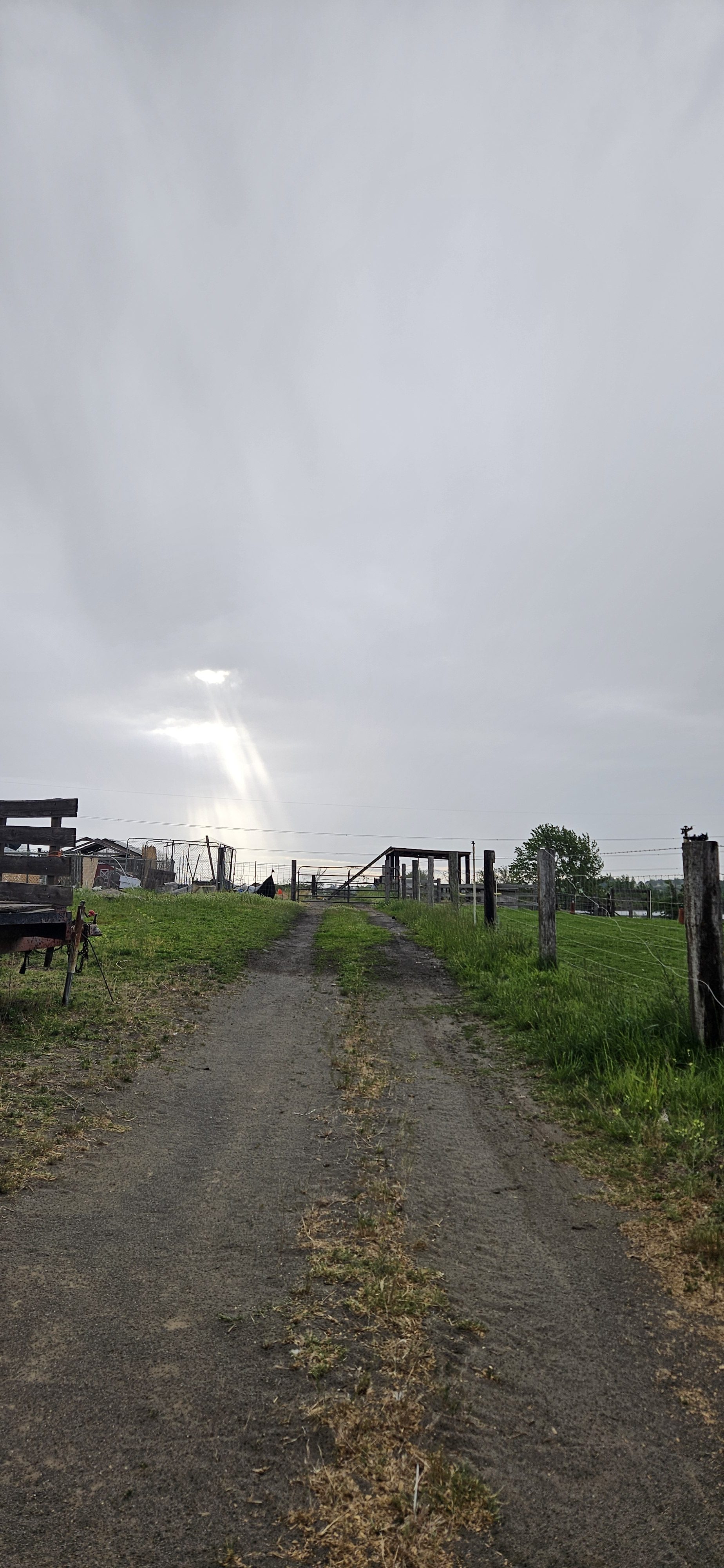
Most homesteads have junk piles somewhere. Scrap metal leaning against fences because “we might need that someday.” Random buckets with mysterious purposes. Half-finished projects. Feed bags stuffed in corners. Broken gates fixed with baling twine and determination. Coops held together with screws, zip ties, leftover wood, and hope. There’s usually at least one project that’s been “almost finished” for six months. That’s real life. That’s normal.
And there’s something kind of beautiful about that too.
Because most homesteaders aren’t wealthy people building a curated lifestyle for social media. Most are regular people simply trying their best to create a better life for themselves and their families with what they have available. They’re learning as they go. They’re making mistakes. They’re figuring things out one season at a time.
That’s another thing people don’t talk about enough: homesteading can be hard. There’s a learning curve to everything. Plants die. Animals get sick. Fences fail. Gardens get destroyed by weather, pests, or pure bad luck. You’ll spend hours working on something only to realize you did it wrong and have to start over. There will absolutely be moments where you wonder why you’re doing any of it at all.
And yes, there will probably be moments where you want to quit.
I know I’ve had those moments.
I’ve sat there wondering what life would look like if I didn’t have animals depending on me, chores waiting for me, weeds taking over the garden, projects piling up, or one more thing needing repaired. Sometimes it feels overwhelming. Sometimes it feels exhausting.
But then I think about who I was before all of this.
Before the animals. Before the garden. Before learning these skills.
Back then, something always felt missing. I couldn’t explain it at the time, but I felt disconnected from everything. Now, even after the longest days, there’s this feeling of fulfillment that’s hard to describe unless you’ve experienced it yourself. There’s purpose in it. There’s meaning in growing something with your own hands, caring for animals, building something useful, learning new skills, and creating a life that feels more grounded and intentional.
Homesteading isn’t about perfection.
It’s about connection.
Connection to your food. Connection to your environment. Connection to your family. Connection to your own capabilities. It’s about realizing you can learn things you never thought you could learn. It’s about understanding that self-sufficiency isn’t an all-or-nothing lifestyle. Every small step counts.
And the beautiful thing is, you can start almost anywhere.
You do not need acres of land. You do not need a giant farmhouse. You do not need expensive equipment. You do not need to know everything before you begin. I don’t care if you live in an apartment, a rental, a tiny house, or yes, even your mother’s basement — although maybe help your mom with the dishes if you do. My point is, you can still start learning. You can still grow herbs in a window. You can still learn to cook from scratch. You can still compost. You can still preserve food. You can still build skills that make you more confident, capable, and connected to the world around you.
You start where you are.
You use what you have.
You grow what you can.
And maybe that’s really what homesteading is all about.