Category: Musings

  • What Book Are You Reading Right Now? Here’s Mine.

    What Book Are You Reading Right Now? Here’s Mine.

    Daily writing prompt
    What book are you reading right now?

    One of my favorite questions to ask people—online or in real life—is “What book are you reading right now?” It always sparks good conversation and gives me new ideas for my own reading list.

    Right now, I’m working my way through The Courage to Be Disliked by two Japanese authors, Ichiro Kishimi and Fumitake Koga. And let me tell you… the title throws people off so fast.

    I’ve already had several coworkers glance over during my break and say things like:
    “Whoa… you okay?”
    “Are you about to start snapping at people?”
    Or my favorite: “Dang Becky, who you mad at?” 😂

    But here’s the thing: the book isn’t about becoming rude or suddenly deciding you hate everyone. Not even close.

    What the Book Is Actually About(so far)

    I just started it, but it’s already taking a surprisingly deep look at happiness, personal responsibility, and why we hold ourselves back in life.

    The best way I can describe it—without quoting the book—is this:

    It’s the idea that sometimes we self-sabotage because staying in our comfort zone feels safer than changing our lives… even when we want the change.

    For example:

    Let’s say I really want a new job. I apply, I get the interview… and then I totally bomb it. On the surface, it looks like bad luck or nerves.
    But this philosophy suggests that, deep down, I might be subconsciously messing it up because I don’t actually believe I can handle the new job. Or because the unfamiliar feels too risky compared to the safety of what I already know.

    Not intentionally, not maliciously—just a quiet “holding ourselves back” that happens under the surface.

    It’s an interesting take, honestly. A little uncomfortable in that good, growth-mindset way.

    Why I Love Books Like This

    I’ve always been fascinated by how the human mind works—why we do what we do, why we get stuck, and how we can grow.

    Everyone has their own beliefs and values, of course. But I think it’s important to stay curious about different perspectives, because we’re all trying to make sense of this spinning rock we call home.

    And so far, this book is pushing me to reflect on my own habits, fears, and patterns. Sometimes it’s nice when a book gently calls you out… without fully dragging you across the floor. 😅

    Do you have any book recommendations that explore mindset, personal growth, or the way we shape our own happiness?
    Drop them in the comments — I love adding new reads to my list!

  • The Importance of Mental and Physical Health: A Balanced Approach to Well-Being

    The Importance of Mental and Physical Health: A Balanced Approach to Well-Being

    In today’s fast-paced and often stressful world, taking care of both your physical and mental health is more important than ever. While many people focus on one or the other, true well-being comes from maintaining a balance between both. Physical health and mental health are deeply interconnected, and focusing on one without the other can limit overall well-being. In this blog, we’ll explore the importance of nurturing both your mind and body and how they contribute to leading a healthy, fulfilling life.

    Why Mental Health Matters

    Mental health encompasses your emotional, psychological, and social well-being. It affects how you think, feel, and act, and it also influences how you handle stress, relate to others, and make choices. Mental health is not just the absence of mental illness but also the presence of positive traits like resilience, emotional stability, and a sense of purpose.

    Key Reasons Mental Health is Crucial:

    Improved Emotional Well-being: Good mental health allows you to process emotions in a healthy way, leading to a more positive outlook on life and better stress management.

    Better Relationships: Mental well-being helps you interact with others in a more empathetic, understanding, and calm manner, fostering better relationships with family, friends, and colleagues.

    Cognitive Functioning: A healthy mind is essential for focus, memory, and decision-making. Mental health plays a key role in your ability to concentrate and perform tasks efficiently.

    Resilience to Stress: Mental health allows you to cope with challenges and recover from difficult situations. A strong mental state helps you navigate life’s ups and downs with greater ease.

    Why Physical Health is Crucial

    Physical health refers to the well-being of your body and its ability to function effectively. Regular exercise, a balanced diet, and adequate sleep are all important components of maintaining physical health. Physical health is not just about looking good; it’s about feeling strong, energetic, and capable of living life to the fullest.

    Key Reasons Physical Health is Crucial:

    Increased Energy and Vitality: Regular physical activity boosts energy levels and helps you feel more active and alert throughout the day.

    Chronic Disease Prevention: A healthy body is less susceptible to chronic conditions like heart disease, diabetes, and obesity. Exercise and proper nutrition help prevent these diseases and contribute to a longer, healthier life.

    Better Sleep: Physical health supports better sleep patterns. Exercise and a balanced diet promote deeper, more restful sleep, which is vital for recovery and overall health.

    Improved Immunity: A strong body with good nutrition and regular exercise helps boost your immune system, making it easier to fend off illnesses and infections.

    The Connection Between Mental and Physical Health

    The connection between mental and physical health is undeniable. When one is out of balance, it can negatively affect the other. For example, poor mental health can lead to physical symptoms such as fatigue, headaches, and muscle tension. On the other hand, physical issues like chronic illness or pain can contribute to anxiety, depression, and stress.

    Here’s how the two are interlinked:

    Exercise and Mental Health: Regular physical activity is one of the most effective ways to improve mental health. Exercise stimulates the release of endorphins, often known as “feel-good” hormones, which can help reduce feelings of stress, anxiety, and depression. It also boosts self-esteem, promotes better sleep, and provides a natural outlet for stress.

    Nutrition and Mood: A well-balanced diet plays a crucial role in both physical and mental health. Nutrient-dense foods like fruits, vegetables, whole grains, and lean proteins fuel the body and support brain function. A poor diet, on the other hand, can contribute to mood swings, irritability, and cognitive decline.

    Sleep and Cognitive Function: Sleep is vital for both mental and physical health. A lack of quality sleep affects brain function, leading to irritability, poor decision-making, and a weakened immune system. Likewise, physical rest and recovery allow muscles to repair and energy levels to be restored.

    Stress Management: Chronic stress can have detrimental effects on both the body and mind. Prolonged stress can lead to physical problems such as high blood pressure, digestive issues, and a weakened immune system. Mental health practices like meditation, mindfulness, and therapy can help manage stress and prevent these physical issues from arising.

    How to Foster Both Mental and Physical Health

    To truly improve your overall well-being, it’s essential to adopt habits that nurture both your mental and physical health. Here are some tips to help you achieve a balanced approach to health:

    Exercise Regularly: Aim for at least 30 minutes of moderate exercise most days of the week. Activities like walking, running, cycling, or yoga can improve both physical fitness and mental clarity.

    Eat a Balanced Diet: Incorporate a variety of whole, nutrient-dense foods into your diet, including fruits, vegetables, whole grains, lean proteins, and healthy fats. Avoid excessive sugar, processed foods, and alcohol, which can negatively impact both your body and mind.

    Prioritize Sleep: Aim for 7-9 hours of quality sleep each night. Good sleep hygiene, like setting a consistent bedtime and creating a relaxing bedtime routine, can help improve both mental and physical health.

    Practice Mindfulness and Meditation: Mental health practices like mindfulness, deep breathing, and meditation can help reduce stress, improve focus, and boost emotional well-being. Taking time each day for these practices can significantly enhance your quality of life.

    Stay Socially Connected: Meaningful social connections are vital for mental health. Spend time with loved ones, engage in activities you enjoy, and seek out support when you need it.

    Seek Professional Help When Needed: If you’re struggling with mental or physical health, don’t hesitate to seek professional help. Therapists, counselors, and doctors can provide the necessary guidance and support for managing both mental and physical health challenges.

    Final Thoughts

    In the pursuit of good health, it’s important to remember that mental and physical health are not separate entities but two interconnected aspects of your overall well-being. By taking a holistic approach to both, you’ll improve not only your physical strength but also your emotional resilience, mental clarity, and quality of life. Start small by incorporating healthy habits into your daily routine, and gradually build a foundation for a healthier, more balanced life.

    Remember: Health is a journey, and prioritizing both your body and mind is the key to living a full, vibrant life.

  • Why Being an Independent Woman is Hard (And It’s Not What You Think

    Why Being an Independent Woman is Hard (And It’s Not What You Think

    When people talk about being an independent woman, the conversation often revolves around strength, self-sufficiency, and freedom. Society applauds women who juggle careers, finances, relationships, and personal growth with grace. And while independence is empowering, there’s another side of the story that isn’t often discussed: the mental strain of carrying it all on your own.  

    Contrary to popular belief, the hardest part of being an independent woman isn’t the physical labor or even the responsibility of making decisions. It’s the emotional and mental load of doing everything by yourself—day in, day out. It’s the quiet battles, the invisible burdens, and the exhaustion of never having someone to share the weight.  

    Let’s take a closer look at why independence, while rewarding, can also feel incredibly heavy.  

    The Mental Load of Always Being “On”

    Independence often requires constant vigilance and planning. You’re the one making all the decisions, big and small—whether it’s managing your finances, planning meals, or solving unexpected problems. There’s no partner or team to fall back on when you’re overwhelmed.  

    This mental load—the invisible work of thinking, organizing, and worrying—can be exhausting. It’s not just about completing tasks but also about anticipating needs and preparing for what’s next. And when you’re the only one doing it, there’s no escape from the constant mental to-do list.  

    The Emotional Toll of Being Your Own Support System 

    As an independent woman, you pride yourself on being strong and self-reliant. But that often means you’re the one cheering yourself on when times get tough. There’s no shoulder to cry on after a bad day, no one to remind you that you’re doing a good job when you’re feeling unsure.  

    While independence is empowering, it can also be lonely. You carry the weight of your own emotions, struggles, and triumphs, often without anyone to share them with. The pressure to stay resilient, even when you’re struggling internally, can take a toll on your mental health.  

    Decision Fatigue Is Real 

    When you’re independent, every decision—big or small—rests on your shoulders. What career path should you take? Should you invest in this or save for that? What’s the best way to handle a difficult situation? Even simple choices, like what to eat for dinner, can feel draining after a long day.  

    Decision fatigue is real, and it’s something independent women face constantly. Without someone to share the load or offer input, the weight of every choice becomes heavier.  

    The Pressure to Do It All (And Do It Perfectly) 

    There’s a societal expectation that independent women should be able to do it all: excel at work, maintain a social life, keep a tidy home, stay fit, and somehow have time for self-care. This pressure to perform at a high level in every area of life can feel overwhelming.  

    Even though you know perfection is impossible, the constant push to meet unrealistic standards can leave you feeling inadequate or burnt out. The mental strain of trying to balance it all—without letting anything slip—is a heavy burden to bear.  

    The Fear of Failure (Because There’s No Backup Plan)  

    When you’re independent, failure can feel even more intimidating. If something goes wrong, there’s no safety net or backup plan. You’re the one responsible for picking up the pieces, regrouping, and moving forward.  

    This fear of failure can create a constant undercurrent of anxiety. Even when you’re succeeding, the knowledge that you’re entirely on your own can make it hard to relax and enjoy the moment.  

    The Unseen Effort Behind the Independence 

    People often admire independent women for their strength and resilience, but they rarely see the effort it takes to maintain that independence. From managing finances to maintaining your home to staying on top of your health, being independent requires consistent effort and discipline.  

    It’s not glamorous or easy. Behind every success is a woman who’s working hard to keep all the pieces of her life in place—often without any help or recognition.  

    Independence Can Feel Isolating  

    While independence brings freedom, it can also create a sense of isolation. When you’re used to relying on yourself, it’s easy to pull away from others—whether out of pride, habit, or fear of appearing vulnerable.  

    Over time, this self-reliance can make it harder to build meaningful connections or ask for help when you truly need it. The result? A cycle of loneliness and emotional exhaustion that’s hard to break.  

    How to Lighten the Load

    If you’re an independent woman feeling the weight of it all, know that you don’t have to carry everything alone. Here are a five ways to ease the mental and emotional strain:  

    1. Set Boundaries: You don’t have to say yes to everything. Protect your time and energy by setting clear boundaries.  

    2. Ask for Help: Independence doesn’t mean you have to do everything yourself. Lean on friends, family, or professionals when you need support.  

    3. Prioritize Self-Care: Take time to rest, recharge, and do things that bring you joy. You can’t pour from an empty cup.  

    4. Let Go of Perfection: Embrace the idea that “good enough” is perfectly fine. You don’t have to excel at everything.  

    5. Build a Support Network: Surround yourself with people who understand and uplift you. Having a tribe makes the journey easier.  

    Final Thoughts  

    Being an independent woman is both empowering and challenging. While it brings freedom and self-sufficiency, it also comes with an invisible mental load that’s easy to overlook.  

    It’s important to recognize that independence doesn’t mean doing everything alone. Asking for help, setting boundaries, and prioritizing your well-being are just as important as achieving your goals. After all, strength isn’t about how much you can carry—it’s about knowing when to set the load down.  

    If you’re an independent woman feeling the strain, remember: you’re not alone, and it’s okay to take a step back. Share your thoughts or tips in the comments—I’d love to hear how you navigate the challenges of independence.

  • A Family Home Through the Years: Memories, Loss, and Moving On

    A Family Home Through the Years: Memories, Loss, and Moving On

    A House Full of Memories: Letting Go of My Father’s Home

    Some places hold more than walls and a roof. They hold laughter, arguments, holiday meals, and years of memories that shape who we are. My father’s house — once my grandmother’s — was one of those places. I remember big family Thanksgivings when I was a little girl, the smell of turkey filling the air, and aunts and uncles who would visit from afar. But just like people, houses change. And sometimes, they break down right alongside the ones we love.

    Two years ago, my father passed away after suffering a massive stroke. It wasn’t his first, but it was the one that stole nearly everything from him. He could no longer walk or talk, relying on a feeding tube and round-the-clock care in a rehab facility. I had hope in the beginning — my dad was a strong man, and I thought he’d beat the odds. But after repeated hospital visits for aspiration and no progress in site, I had to make the heartbreaking decision to put him on hospice. The next day, he was gone.

    “Some places hold more than walls and a roof. They hold the stories of everyone who ever called them home.”

    The house he left behind had changed from the warm home I remembered into something else entirely. My stepmother had passed years earlier, and her belongings still lingered. My father had stopped caring for the home just as he’d stopped caring for his own health. Repairs he promised to make sat unfinished, and clutter filled every corner. It was still livable, but just barely. My brother, a disabled veteran, lived with him to help — paying bills, assisting when Dad fell, and caring for his two dogs and cat as best he could.

    When my father passed, I intended to give the house to my brother. But there was no legal paperwork filed, and with more than $30,000 owed to the rehab facility, the property went to the state to be sold. My brother had to move, and we had to face the mess.

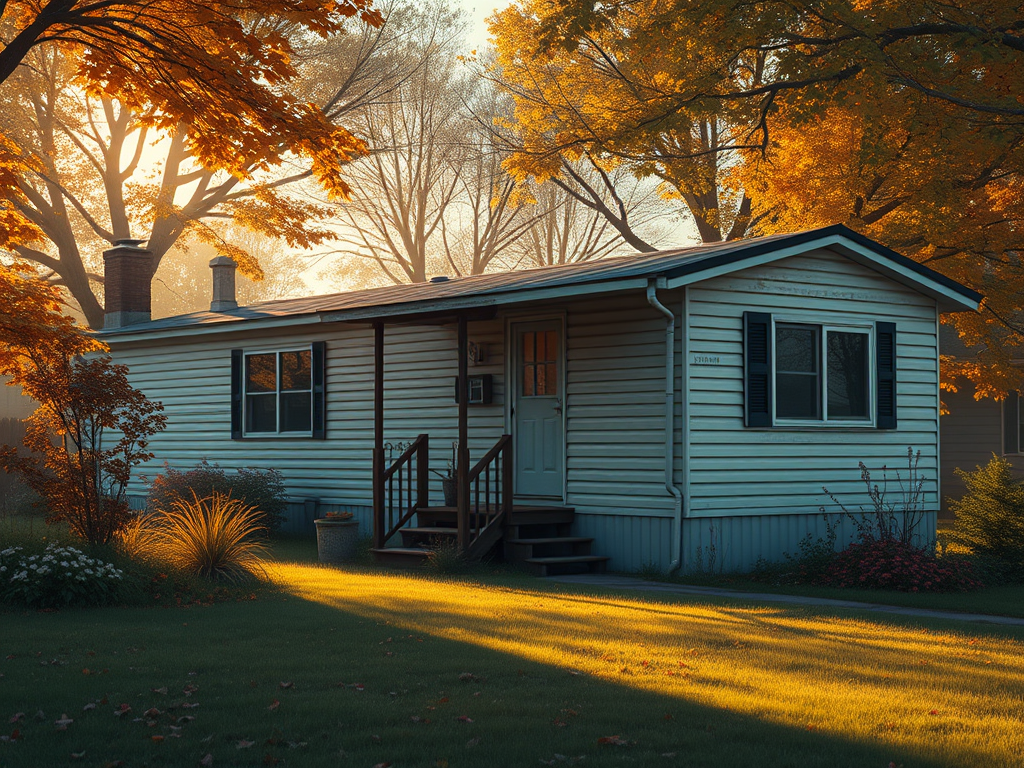
    The cleanup was overwhelming. My dad had split the double-wide into two separate living spaces — one for himself and one for my brother. His side was a wreck. My stepmother had smoked in the house for years, and even after all that time, the walls were stained yellow. The air still carried the smell of cigarettes, pet hair, and worse. Some belongings were ruined beyond saving. The animals needed new homes — I took in the cat, found a family for the smaller dog, and, with a heavy heart, put the oldest dog to sleep. My daughter still keeps his collar to this day with memories of taking him for walks with her grandfather when he was able.

    “I’ve had dreams about that house — dreams where I’m still cleaning, still looking for something. Maybe it’s closure.”

    Load after load went to the dump. I thought we were making progress, but when the final move-out day came, my brother hadn’t finished his side of the house. I had secured him a storage unit and even found a camper for him to live in. Still, he left the house a mess. My anxiety could never let me wait until the last minute like that — I would have been packed a week early. But my brother handles life differently, and maybe that’s his way of coping.

    Since then, I’ve had dreams about that house. In them, I’m still cleaning, still looking for something — maybe an item I never found, maybe just closure. But in waking life, I’ve made peace with what’s gone. The memories live with me, not in the walls of that house.

    The house has since been sold. My daughter and I sometimes drive by, watching the new owners clean it up, remodel, and bring it back to life. I like to imagine the day when it’s full of love again, when the laughter of a new family fills the rooms. A house like that deserves it.

    Final Thoughts

    Life on the homestead teaches you about seasons — not just in the garden, but in life itself. There’s a time for planting, a time for tending, a time for harvest, and yes… a time for letting go. Cleaning out my father’s house reminded me of that. Just like we clear the garden beds in the fall to make room for next spring’s growth, we sometimes have to clear space in our hearts to let new life and new memories in.

    I’ll always carry the memories of that home, but I also carry the hope that just like our land heals with care and time, so do we. And maybe, one day, I’ll drive by and see the lights on in every window — proof that love has found its way back in

  • Do You Remember Your Favorite Book from Childhood?

    Do You Remember Your Favorite Book from Childhood?

    When people talk about their favorite childhood book, they often light up with nostalgia. For many, it’s something they clutched tight at bedtime, read under the covers with a flashlight, or shared in a parent’s lap. But for me, the book that holds the most meaning didn’t come from my own childhood—it came from a moment of rebuilding and resilience during my daughter’s early years.

    The book is The Donut Chef by Bob Staake. It’s whimsical, playful, and rhythmically delightful—the kind of story that rolls off the tongue and lights up a toddler’s imagination. It tells the tale of two rival donut shop owners on the same street, each inventing wild and creative new donuts to outdo the other. It’s charming, silly, and just plain fun.

    But that’s not why it matters to me.

    I first read The Donut Chef to my daughter during one of the most difficult transitions of our lives. We had just fled an abusive relationship, driven hours away, and found shelter in a family member’s home. There was a restraining order in place. Everything we knew had changed overnight.

    In the middle of that chaos, The Donut Chef became our little daily ritual. I read it to her every single day. Sometimes twice. It made her laugh. It gave us something silly to look forward to. And in those few minutes, it gave me the feeling that we were going to be okay.

    She loved the donuts. I loved the escape. And somehow, even now, I can still hear the sing-song rhythm of the words echoing in my memory.

    My daughter was obsessed with the donut shop down the street, and I’ve always loved baking—maybe that’s another reason the book stuck with us. But what made it special wasn’t just the story. It was what the story meant at the time: stability, joy, and the beginning of something new.

    So when I ask myself, Was it the book I loved or the memories tied to it?—the answer is: both.

    Because books aren’t just words on a page. They become stitched into the fabric of our lives, into the moments that define us.

    To this day, The Donut Chef still lives on my bookshelf. A reminder that even during the hardest chapters, there can still be joy in the simple act of reading aloud with someone you love.

  • Grounding:Benefits and Practices for Health and Well-being

    Grounding:Benefits and Practices for Health and Well-being

    In our modern, technology-driven world, many of us live in environments that keep us disconnected from nature. Yet, there is a simple practice gaining attention for its potential health benefits—grounding, also known as earthing. Grounding involves making direct physical contact with the Earth’s surface, and it is believed to have a range of positive effects on our bodies and minds. This article explores what grounding is, its potential benefits, and how you can incorporate this practice into your life.

    What is Grounding?

    Grounding, is the practice of connecting directly with the Earth’s electrical charge. This can be done by walking barefoot on natural surfaces like grass, sand, or soil, or through other methods that involve direct contact with the Earth. The concept is based on the idea that the Earth’s surface carries a subtle electric charge that can influence our health when we make physical contact with it.

    Our bodies are electrical systems, and grounding is believed to allow us to absorb electrons from the Earth’s surface, which might help neutralize free radicals and reduce inflammation in the body. This practice has gained popularity due to claims that it can improve sleep, reduce stress, and enhance overall health.

    The Science Behind Grounding

    The scientific community is still exploring the full range of benefits of grounding, but several studies suggest that it has positive effects on health. One of the main mechanisms believed to be at play is the Earth’s electrons, which are thought to act as antioxidants. When you connect with the Earth, electrons from the ground may enter your body and help neutralize the free radicals that are linked to chronic inflammation and various diseases.

    Research has also shown that grounding may help regulate the autonomic nervous system, reduce blood pressure, and improve circulation. A study published in the ‘Journal of Alternative and Complementary Medicine’ found that grounding improved sleep, reduced pain, and decreased stress levels in participants.

    Holistic Community

    In the holistic community, grounding, is known as earthing, it’s viewed as a powerful practice that allows individuals to reconnect with the Earth’s natural energy field. This energy is believed to have a subtle yet profound influence on the body, helping to balance our own energy systems and promote overall well-being. By connecting directly with the Earth—whether by walking barefoot, sitting, or lying on the ground—holistic practitioners believe we can absorb the Earth’s healing energy, reduce inflammation, alleviate stress, and even improve sleep. Many within the community point out that humans have been practicing this form of connection for centuries, with indigenous cultures and ancient traditions recognizing the importance of grounding as a way to maintain harmony and health. Today, grounding is celebrated as a simple yet effective way to counteract the disruptive effects of modern life, encouraging individuals to reconnect with nature and restore balance in both mind and body.

    Potential Benefits of Grounding

    While more research is needed to fully understand the range of benefits, many people have reported positive changes from practicing grounding. Here are some of the potential benefits:

    Improved Sleep: Grounding may help regulate circadian rhythms, promoting deeper and more restorative sleep. Several studies have suggested that earthing can reduce sleep disturbances and improve the quality of sleep.

    Reduced Inflammation and Pain: Grounding has been linked to a reduction in chronic pain and inflammation, especially in conditions like arthritis. The electrons from the Earth neutralizes free radicals, potentially lowering inflammation in the body.

    Stress Reduction: Regular grounding can help lower cortisol levels, which are often elevated in stressed individuals. The practice may also improve the balance of the autonomic nervous system, promoting a calm, relaxed state.

    Enhanced Mood and Well-being: Many people report feeling more grounded and centered after spending time in nature. Grounding may help regulate mood, alleviate anxiety, and improve mental clarity.

    Improved Circulation and Heart Health: Some studies suggest that grounding can improve circulation and reduce blood pressure, which may benefit cardiovascular health. This could be due to the balancing effect grounding has on the nervous system and its ability to reduce inflammation.

    How to Practice Grounding

    Incorporating grounding into your daily life is simple and doesn’t require any special equipment. Here are some practical ways to get started:

    Walk Barefoot Outdoors: The most straightforward way to practice grounding is to walk barefoot on natural surfaces like grass, sand, or soil. Aim for at least 20 to 30 minutes of direct contact with the Earth each day. Walking in nature not only grounds you physically but also provides mental and emotional benefits from being immersed in the natural environment.

    Sit or Lie on the Ground: You can sit or lie on the Earth’s surface, such as on the grass or a sandy beach. This can also be an opportunity for relaxation and mindfulness, allowing you to connect with nature and reduce stress.

    Swim in Natural Bodies of Water: Bodies of water, like oceans, lakes, and rivers, are natural conductors of energy. Swimming or simply wading in these waters can provide grounding benefits, especially if you are in direct contact with the water.

    Gardening: If you enjoy gardening, this activity naturally involves direct contact with the Earth, making it an excellent form of grounding. Digging in the soil, planting, and maintaining a garden can connect you with the Earth’s energy while offering therapeutic benefits.

    Here is a grounding technique to bring you to the present moment. This technique is helpful to practice on a regular basis but more so in times of stress, anxiety or dissociation. This simple method is called the 5-4-3-2-1 Technique, where you identigy five things you can see, four things you can touch, three things you can hear, two things you can smell and one things you can taste. Focusing on your senses will shift your attention away from racing thoughts and back to the present moment. This sensory awareness will activate different areas of your brain, which will interrupt stress responses and promote a sense of calm.

    Here is a free download/printable for easy access to practice.

    Conclusion

    Grounding is a simple yet powerful practice that offers numerous potential health benefits, from reducing inflammation and pain to improving sleep and reducing stress. By connecting with nature and the Earth’s energy, you may experience a greater sense of well-being and balance in your life. While more research is needed to fully understand its effects, many people have reported positive outcomes from regular grounding practices.

    Whether it’s by walking barefoot outdoors or sitting on the ground, integrating grounding into your daily routine can be an easy and enjoyable way to enhance your physical and mental health. So, next time you’re outside, take off your shoes, feel the earth beneath you, and allow yourself to reconnect with the natural world.

  • My YouTube Journey: Growing in Silence, One Video at a Time

    My YouTube Journey: Growing in Silence, One Video at a Time

    When I first started my YouTube journey, the thought of being behind the camera felt a bit weird. To be honest, it still feels a bit wierd. I’m used to living in the background—working behind the scenes to make things happen—but being the one in front of the lens? That was a whole new world. The nerves were real, but somehow, the more I did it, the more I began to feel comfortable. The editing process? Now that was something I could really get into. It was the part of the process that felt like a creative outlet, allowing me to take raw footage and transform it into something meaningful.

    Creating content has definitely had its challenges. Some days, the ideas flow like water, and I can whip out multiple videos in one go. Other days, it feels like pulling teeth to get even a few seconds of usable footage. But that’s the thing about YouTube (or any creative endeavor, really)—it’s not always going to be easy, and some days are just harder than others. But when the mood strikes, it’s magical, and I feel like I could keep filming for hours.

    Setting Long-Term Goals & Taking it One Step at a Time

    I remind myself often that this isn’t a race. Success on YouTube doesn’t happen overnight, and building a community takes time. My goal isn’t about gaining a certain number of subscribers right away or racking up views in the short term. It’s about creating quality content that speaks to people, especially other homesteaders and those just starting their journey. Homesteading is my passion, and I want my channel to be a place where people feel encouraged, inspired, and empowered to start their own journey—whether it’s with gardening, DIY projects, or building a more self-sufficient lifestyle.

    There are times when I catch myself checking my subscriber count or wondering why things aren’t growing as fast as I’d hoped. But then I take a step back and remember why I started this in the first place: to create fun, meaningful content that resonates with others. Numbers are nice, but they aren’t the point. The real goal is to inspire someone, to make them feel like they can do it too, just like I did. And if someone reaches out to ask a question or just to say “thank you,” that’s more valuable to me than any number on the screen.

    Navigating the Doubts & Staying Motivated

    It’s easy to get lost in self-doubt when you’re putting yourself out there on the internet. There’s always that voice that asks, “Am I doing this right? Is anyone even watching?” I know that feeling all too well. I’ve been there. Hell I am there. The moments when you second guess yourself and wonder if you’re just wasting your time. But what’s helped me push through those moments is remembering that the journey is just as important as the destination and while I’m hoping to encourage and educate others. I’m educating myself in the process. I’m learning to be more patient with myself, accept my limitations, flaws and loving me more, everyday.

    I know what it’s like to feel unsure of yourself, to feel like maybe you don’t have the knowledge or the confidence to move forward. But that’s why I want to be here for others—so they don’t feel alone. If my videos can help someone feel less stupid for asking questions, for trying something new, or for just starting out, then I’ve done my job. I want to be that motivator for others, the person who says, “Hey, if I can do it, so can you.”

    Growing in Silence

    Sometimes, it feels like I’m doing all this work, and no one’s watching. The subscriber count isn’t growing as quickly as I’d like, and views are slower than I expected. But I’ve learned to embrace this part of the process. I’m growing in silence, and that’s okay. Success isn’t always about being in the spotlight. Sometimes it’s about showing up day after day, even when it feels like no one notices. It’s about consistently putting out content that aligns with my passion and my purpose.

    Maybe one day, I’ll be able to monetize my channel and turn it into something bigger. But even if that day never comes, I know I’m doing something that matters. I’m creating content that helps people. I’m making videos that inspire others to take action. And, ultimately, that’s worth far more than any paycheck.

    Keep Chugging Along

    So, I keep chugging along, video by video, subscriber by subscriber, reminding myself that this is a marathon, not a sprint. My goal is to stay true to the mission—to inspire, to teach, and to encourage others, just like I needed encouragement when I started. Whether one person watches, 10 people, or 100, it’s all worth it if I can make a difference. It’s a journey of growth, not just for my channel, but for me as a person too. And if I can help someone along the way, then that’s the real win.

    For anyone else thinking about starting a YouTube channel or following a passion, here’s my advice: Don’t worry about the numbers. Don’t stress about perfection. Just focus on creating content that’s true to you. The right people will find it, and they’ll appreciate it. So, keep going, even if no one’s watching. Keep growing in silence, because every step you take is a step closer to where you want to be.

    And of course, Never Give Up!

  • What Does the First Hour of Your Day Look Like?

    What Does the First Hour of Your Day Look Like?

    Daily writing prompt
    What are your morning rituals? What does the first hour of your day look like?

    The first hour of my day is a quiet, sacred time that sets the tone for the rest of the day. As someone who thrives in the stillness of the morning, I’ve come to cherish this hour, finding it to be both productive and peaceful. My mornings are a blend of self-care, caring for my animals, and preparing for the busy day ahead. It’s an intentional routine that helps me stay grounded, energized and ready to take on anything the day may bring.

    Waking Up Early: A Moment of Peace

    I make it a point to wake up early every day. The house is quiet, the world is still asleep, and it feels like the perfect opportunity to set my intentions for the day. I’ve always enjoyed the tranquility of the early hours — there’s something about the calmness of the world that helps me feel centered. I know that if I don’t take advantage of this time, it’ll be harder for me to fit in everything in that I want to do.

    Working Out: The Best Way to Start the Day

    Once I get up, the first thing I do is head to my workout space. I find that morning exercise is key to my mental and physical well-being. Whether it’s a quick workout or a more intense session, it’s the boost I need to feel alert and ready to face the day. I’ve learned over time that if I don’t work out in the morning, I’m unlikely to do it at all, so this is non-negotiable for me and I never regret it.

    Meditation & Quiet Time: Setting the Tone for the Day

    After my workout, I take a few moments for myself. I sometimes meditate, but I also enjoy simply having quiet time. This is when I clear my mind and gather my thoughts, allowing myself to mentally prepare for the day ahead. This peace is essential for me to stay calm and focused throughout my hectic schedule. It’s my personal reset button before diving into everything else.

    Coffee & Local News: Staying Connected

    With the quiet time done, I make myself a cup of coffee — a ritual I genuinely enjoy. The warm mug in my hands as I sip slowly is one of the simple joys of my morning. While I drink my coffee, I turn on the local news to see what’s happening around town. It’s a small way to stay connected with the world and get caught up before I start my day.

    Animal Care: The Round of Chores

    One of the most important parts of my morning is taking care of my animals. I do a “round” of chores, checking on all of them and making sure everyone is fed, happy, and healthy.

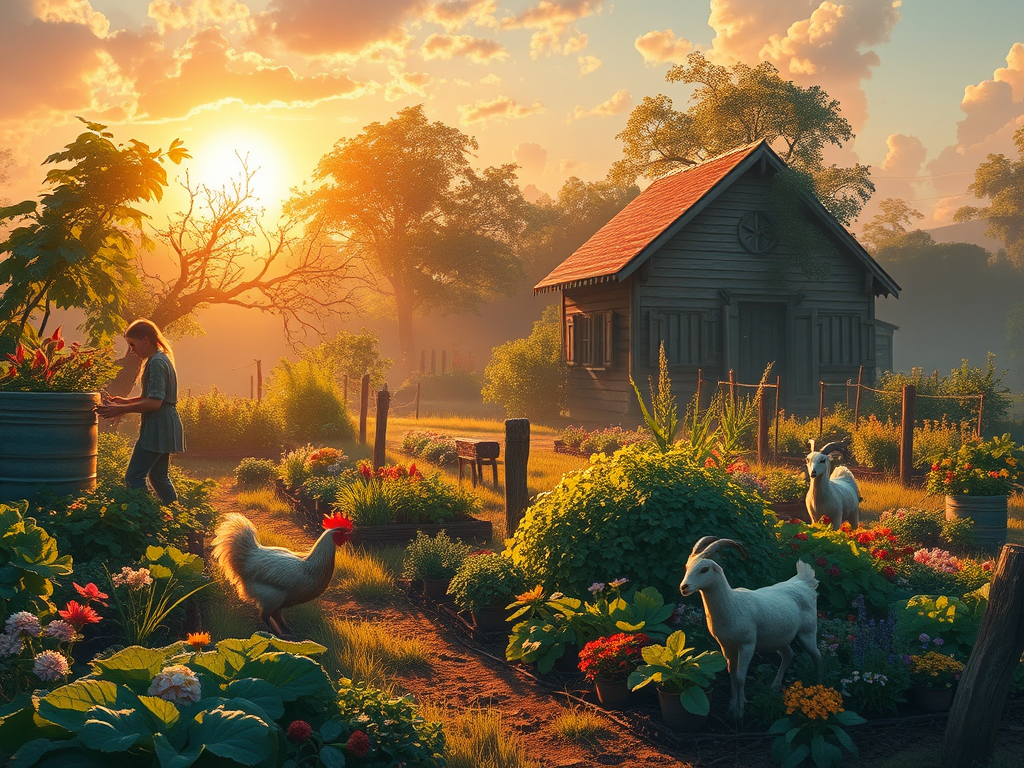
    Of course, the goats and pigs are the loudest and most demanding. They know when I’m running late, even by just a few minutes. They start making noise as a reminder: “Hurry up! We’re hungry!” It’s almost like they have a built-in alarm clock, and it’s never a pleasant sound when they start making a fuss. But I love them — even the noisy ones. They’re part of my routine and part of what makes my mornings feel complete. I think if one of my family members took over this chore for me, I would still go out and see them, just to say good morning.

    Getting Ready for the Day: Preparation for Work

    Once the animals are taken care of and I’ve spent a few moments checking on my plants in the greenhouse, I get myself ready for the day. I take a shower, get dressed, and prepare for work. Being productive in the morning gives me a real sense of fulfillment, and I honestly feel like it sets the tone for not only a productive morning but a productive day overall.

    Why I Do It: The Importance of Morning Routine

    The reason I wake up so early, even though I do love my sleep, is simple: I know how much better I feel when I follow a routine. It’s not just about working out or getting through my chores. It’s about giving myself the time and space to focus on my well-being before the world pulls me in a thousand different directions. By the time I get home from work in the evening, I’m usually too tired to do much beyond watering my garden and checking on the animals again. But knowing that I’ve taken care of myself in the morning gives me the energy to tackle the rest of the day.

    Conclusion

    While this typically take up more than just the first hour of my day, this helps me achieve balance. It’s a mixture of physical activity, personal care, and looking after my animals and plants — all the things that set me up for a productive and fulfilling day. While it’s not always easy to get up early, I’ve learned that these moments of quiet, intention, and self-care are what make the rest of the day flow smoothly. By waking up early, I’m not just preparing for work; I’m preparing for a day that’s focused on wellness, productivity, and a sense of accomplishment.

  • How Technology Has Changed My Job as a Lab Assistant: The Pros, Cons, and Future of Automation in Healthcare

    How Technology Has Changed My Job as a Lab Assistant: The Pros, Cons, and Future of Automation in Healthcare

    Daily writing prompt
    How has technology changed your job?

    Over the past 15 years working in healthcare as a lab assistant, I have witnessed firsthand how technology has revolutionized the way we provide patient care. From drawing blood to processing various samples, much of the work that once relied heavily on manual labor and human precision has become automated. While this has undeniably reduced human error and increased efficiency, it has also raised questions about the future of hands-on roles in healthcare, like mine. As a lab assistant, I have seen how automation has transformed our practices—and the upcoming changes could be both exciting and somewhat concerning.

    The Shift from Manual to Automated Testing

    When I first started in this field, much of our work in the lab was done manually. For instance, testing samples for various conditions meant processing and vortexing blood samples and manually running the tests ourselves. We had to stay on top of every step, being careful not to make any mistakes, because even the smallest errors could lead to major consequences for patients.

    Today, machines have taken over much of that process. The whole blood sample is placed onto the equipment, which aliquots the necessary amount for analysis and performs the test internally.

    Automation has fully transformed waived testing as well, which is simpler and often conducted in a point-of-care environment (like mine). These machines independently handle the tests and generate results, eliminating the tedious task of manual data entry and minimizing the risk of human error.

    We rely so heavily on these machines that when one goes down, we are at a complete standstill. There isn’t anything for us to do except treat the symptoms for the patient or, in other circumstances, drive the patient samples to the nearest location that has the proper equipment that can test them for us.

    Will Machines Take Over Blood Draws?

    As healthcare continues to evolve—and quickly, I might add—one of the most talked-about possibilities on the horizon is the idea of automated blood draws. The thought of a machine taking my blood in a manner similar to how a blood pressure cuff inflates at my local Walmart terrifies me. There is no way I would stick my arm into that, knowing it would pierce my skin. While it sounds like science fiction, there has been serious talk about creating these ‘robots’ or automated systems for years that could change future blood draws with minimal human interaction.

    While the idea of an automatic blood drawer might seem appealing to some—especially in terms of speed and consistency—there are a few reasons why I believe this might not be the best approach, at least not for everyone.

    Why Automated Blood Draws Might Be a Bad Idea

    Personalization and Trust: As someone who performs blood draws regularly, I know how important it is to communicate with patients and make them feel comfortable. Some people have a fear of needles or have had bad experiences with previous draws. Human touch and reassurance can make a big difference in calming nerves. A machine, no matter how advanced, will not be able to provide the level of empathy and trust that a trained professional can offer.

    Complicated Cases: Not every patient’s veins are easy to access. Some patients have challenging veins, especially older adults, those with chronic illnesses, or people who are dehydrated. In these cases, the experience and skill of a human lab assistant make a huge difference.

    Error Handling: Even with the most advanced machines, errors can still occur. A machine might misinterpret data, or mechanical issues might arise during the blood draw. When this happens, humans are needed to step in and fix the problem. Can you imagine the machine malfunctioning while perforating the skin?

    Job Loss and Human Element: While automation has certainly made the process faster and more efficient, there’s also the concern of job displacement. If robots take over tasks that humans once performed, it could lead to job loss for many healthcare professionals, like lab assistants. The human element in healthcare is crucial. People value the care and attention they receive, and taking away that human interaction could make the process feel more mechanical and less compassionate.

    The Benefits of Technology in Healthcare

    Despite my reservations about automation in certain areas, I can’t ignore the benefits that technology has brought to healthcare. Reducing human error is critical in a field where patients’ lives are on the line. Automated machines and robotic surgeries have already helped save countless lives by ensuring that tests are done accurately, procedures are performed precisely, and patients receive timely treatments. The use of technology has made healthcare more efficient, accurate, and patient-centered.

    Conclusion

    In the last 15 years, the healthcare industry has undergone a transformation thanks to technology. Automation has reduced human error, making it safer for patients and more efficient for us as professionals. While I embrace these advancements and changes, I believe that some aspects, like blood draws, still require the human touch. The future of healthcare will likely continue to see a blend of both technology and human expertise, working together to provide the best possible care for patients.

    Ultimately, technology has undoubtedly improved patient care, and as we move forward, it will continue to play a pivotal role in reducing errors, enhancing accuracy, and increasing efficiency. However, I’m hopeful that we won’t lose sight of the irreplaceable value of human interaction in healthcare.

    What are your thoughts?

  • What I Wish I Could Do More of Every Day: My Homesteading Dream

    What I Wish I Could Do More of Every Day: My Homesteading Dream

    Daily writing prompt
    What do you wish you could do more every day?

    There are certain things that, if I had the luxury of time and financial freedom, I would do only that, every single day. These things fill me with joy and purpose, and they are what keeps me grounded. I’d spend more time on my farm, working with my animals, and nurturing the garden I’ve worked so hard to cultivate. For me, homesteading is about more than just growing food and raising animals—it’s a lifestyle. It’s about learning to be self-sufficient, acquiring new skills, and doing the things that bring me peace. If I could dedicate more of my day to this lifestyle, I would. But for now, I make the most of what I can.

    The Freedom to Spend More Time with My Animals and Garden

    If I didn’t have to go back to work each day, I would start each morning the way I wish I could—waking up early to watch the sunrise and NOT worrying about having to rush off to put on my scrubs. I’d spend that peaceful time drinking my coffee, enjoying the calm of the morning, and tending to the animals. They’re my friends, my companions, and each of them brings something special to my life. There’s nothing like the joy of feeding them, checking on them, and watching them grow and thrive.

    I’ve always loved animals, and having the time to really connect with them would make every day feel meaningful. But, unfortunately, the reality of having to go to work means that I often only have a short time in the evenings to spend with them before it’s time to get dinner ready and wind down for bed. If I could dedicate more time, I’d give each of my animals more attention, make their lives even better, and enjoy the simple pleasure of their company without the rush of time.

    Immersing Myself in the Garden and Learning New Skills

    Along with my animals, the garden is another aspect of homesteading that I would love to immerse myself in more. There’s something incredibly rewarding about planting seeds and watching them grow into food. I find peace in working the soil and caring for each plant, knowing that what I’m growing is not only nourishing my family but also strengthening my connection to the land. The more I garden, the more I realize there is always something new to learn—whether it’s experimenting with new planting methods, troubleshooting pest problems, or discovering ways to extend the growing season. 

    I’m constantly learning new skills, from preserving food, canning and even building projects like raised garden beds and chicken coops. Being self-sufficient is something I deeply value, and every time I learn a new skill, it feels like I’m becoming more in control of my life. It’s empowering to know that I can grow my own food, take care of my animals, and create what I need without relying on anyone else. Homesteading is a journey of continuous growth and learning, and I’m only just getting started.

    If I Never Had to Worry About Money…

    If I never had to worry about money, I’d be living my dream life right now. I’d wake up every day on the farm, tending to the land, spending hours with my animals, and enjoying the slow rhythm of life. I’d be free from the constraints of a traditional job, and every minute would be spent doing something I love. I wouldn’t have to rush through the day or feel like I’m constantly racing against the clock.

    In an ideal world, I’d have more time to build and create. I’d work on projects around the farm—expanding my garden, creating more sustainable systems, and maybe even starting a small homestead-based business. The possibilities are endless when you have the time to fully dedicate yourself to something you’re passionate about.

    This is My 401k

    One of the main reasons I started this blog and my YouTube channel was to share my journey, connect with like-minded people, and document the highs and lows of the homesteading life. It’s not just about the successes; it’s about the struggles, the lessons learned, and the growth that comes from trying something new. Whether I’m learning how to grow food sustainably, raising animals, or building something from scratch, there’s always something new to explore and discover.

    I created this space with the goal of inspiring others who are interested in homesteading or just want to understand more about the process. Let’s face it—there’s something uniquely fulfilling about having a community to share the experience with. I want to show the real side of homesteading, not just the perfect moments, because it’s not always easy, but it’s always worth it.

    Right now, I’m working on building something that I believe will help me achieve my dream—my blog and YouTube channel. These aren’t just hobbies for me; they’re an investment in my future. I see them as my retirement plan. Like contributing consistently to a traditional 401k, instead of money I’m putting my time, knowledge, and energy into content creation. Every blog post, every video, every subscriber and viewer brings me one step closer to making my dream of full-time homesteading a reality.

    While I still have a traditional job for now, this online platform is my long-term vision. One day, I’ll be able to look back and say that all of this work paid off—and I’ll be living my dream life far before retirement age. The seeds of growth are already taking root, and I’m excited about the future and what’s to come!

    The Dream Ahead

    For now, I’m grateful for every moment I get to spend on my farm, with my animals, and in my garden. I’m soaking up every bit of knowledge along the way and sharing it here with you. My blog and YouTube channel are the tools I’m using to build a life that allows me to do what I love, and I hope they’ll help me achieve my dream of living a more self-sufficient and fulfilling life, surrounded by the things I hold dear.

    One day, I’ll be able to spend every day exactly how I want—on the farm, with my animals, and in the garden. Until then, I’m working towards that goal, step by step.