Category: In The Kitchen

  • My Favorite Blueberry Muffin Recipe (The Easiest Dump-and-Go Ever!)

    My Favorite Blueberry Muffin Recipe (The Easiest Dump-and-Go Ever!)

    If you’ve been around my kitchen for more than two minutes, you know I’m a huge fan of easy recipes—like the kind you can whip together on a busy morning before chores or after a long day when you just want something sweet. This blueberry muffin recipe is hands-down one of my all-time favorites.

    I honestly don’t even remember where it came from originally. Maybe a family cookbook? Maybe Pinterest from 10 years ago? Who knows. What I do know is that it has slowly changed over time and turned into the perfect “dump and go” recipe that I make all year long.

    And when I say dump-and-go, I mean it.
    No creaming the butter and sugar. No sifting. No separating bowls. None of that. Just toss it all together, mix, bake, and enjoy.

    Because at the end of the day—it’s your kitchen, and YOU’RE the boss.


    Why I Love This Recipe So Much

    Every summer I go to a local U-pick blueberry farm and load up like I’m preparing for a blueberry shortage. I freeze them in 1-cup increments, specifically for this recipe. That’s how much I love it—my freezer is literally prepped around these muffins.

    These muffins come out soft, sweet, perfectly moist, and studded with juicy berries. And don’t even get me started on the streusel topping… it’s the perfect crunchy-sweet finish.


    Ingredients

    For the Muffins

    Makes 12

    • 1 ½ cups all-purpose flour
    • ¾ cup sugar
    • 2 tsp baking powder
    • ½ tsp salt
    • ⅓ cup oil
    • 1 egg
    • ⅓ cup milk
    • 1 cup blueberries (I use frozen!)

    For the Streusel Topping

    • ½ cup sugar
    • ⅓ cup flour
    • ¼ cup cold butter, diced
    • 2 tsp cinnamon

    Directions

    1. Preheat the oven

    Preheat your oven to 400°F and grease your muffin or cupcake pan.

    2. Mix the batter (the lazy, glorious way)

    Most recipes tell you to cream the egg and sugar together first…
    But this isn’t most recipes.

    Just add everything (except the blueberries) into a mixing bowl and stir until combined. That’s it. No fancy techniques, no special equipment.

    Fold in the blueberries last. If you’re using frozen ones, don’t thaw them—just toss them in frozen. It keeps the batter from turning totally purple.

    3. Fill the muffin tins

    Scoop the batter into your muffin pan, filling each cup about ¾ full, just like any standard muffin recipe.


    4. Make the Streusel Topping

    This is where things get a little messy, but in a fun way.

    Add your sugar, flour, cinnamon, and cold butter pieces to a bowl.
    Most recipes will tell you to use a fork or pastry blender… but honestly?

    Wash your hands and get right in there.

    Squish, pinch, and crumble the mixture together until the butter breaks down and you have a sandy, crumbly topping. It might clump up at first, but keep going. It’s all part of the process.


    5. Bake

    Bake the muffins for 25 minutes.

    You can add the streusel topping before baking, but I’ve found it sometimes gets a little too brown before the muffins are fully done. So I prefer to add the topping during the last 15 minutes of baking.

    But again—your kitchen, your rules.


    6. Enjoy!

    Let them cool a bit (if you can resist), then dig in. These muffins are amazing warm, and they freeze beautifully too.

    If you try this recipe, please let me know! I’d love to hear if your family loves them as much as mine does.

  • Grandma’s Peanut Butter Pie Recipe: A Sweet Slice of Nostalgia

    Grandma’s Peanut Butter Pie Recipe: A Sweet Slice of Nostalgia

    Some recipes are more than just instructions for food—they’re family history written in sugar, butter, and love. My grandma left behind boxes full of recipes. Some handwritten on scraps of paper, some typed up, and some printed from her old dial-up computer (I can still hear the screech of it connecting when she checked her emails).

    As I went through them, I couldn’t help but notice a theme: desserts. Page after page of cakes, pies, cookies, and candies. Clearly, I inherited my sweet tooth!

    One recipe that stood out recently was her peanut butter pie.

    At my workplace (I work at a hospital), the cafeteria makes an incredible peanut butter pie. It’s so popular that when they make a batch, it disappears in no time, and then you don’t see it again for months. After what felt like forever without a slice, I decided it was time to dig through Grandma’s recipes to see if she had her own version.

    Sure enough—there it was, tucked away in her collection. And let me tell you: it’s every bit as delicious as I hoped. Simple, creamy, and downright nostalgic.

    The Recipe

    This pie is wonderfully easy to put together, and it only requires a few ingredients.

    Ingredients

    • 1 (8 oz) package cream cheese, softened
    • 1 cup sugar
    • 1 cup peanut butter (creamy works best)
    • 2 Tablespoons butter
    • 1 Tablespoon vanilla
    • 1 (8 oz) container whipped topping (like Cool Whip)
    • 1 prepared graham cracker crust (store-bought or use your favorite recipe)

    Instructions

    1. In a large mixing bowl, beat the cream cheese and sugar until smooth.
    2. Add peanut butter and vanilla; mix until creamy and well blended.
    3. Spoon mixture into the graham cracker crust, smoothing out the top.
    4. Chill in the refrigerator for at least 2–3 hours.
    5. Add whipped cream when serving.

    Optional: Top with crushed peanuts, or chocolate.

    A Slice of Family Tradition

    This pie isn’t just sweet—it’s sentimental. Every time I make it, I’m reminded of my grandma’s kitchen, her recipe boxes, and the way she loved to collect desserts. Food has a way of connecting us back to the people we love, and for me, this peanut butter pie is one of those connections.

    So, the next time you’re craving something creamy, peanut buttery, and comforting, skip the store-bought version and give this family recipe a try. It’s easy, delicious, and a little slice of my grandma’s love.

  • My Honest Review: Making the 2,400-Calorie Emergency Ration Bars

    My Honest Review: Making the 2,400-Calorie Emergency Ration Bars

    Over the weekend, I dove into a project I’d been curious about for a while—making my own emergency ration bars. My mother-in-law loaned me her copy of No Grid Survival Projects, and I started reading through it. I marked a handful of projects I wanted to try. One that stood out right away: the famous 2,400 Calorie Emergency Ration Bar.

    The book claims that one bar is enough fuel to last a person a full day in the wilderness. That sounded a little too good to be true—especially since survival food often gets a bad rap for being bland, chalky, or just plain unappetizing. But I was intrigued. Since I had most of the ingredients on hand already, I decided to give it a shot.

    Gathering the Ingredients

    The nice thing about this recipe is that it doesn’t call for anything exotic. It’s basically a mix of pantry staples that come together in a high-calorie package—things like oats, cereal, protein powder, nuts, raisins, honey, maple syrup, and even a little peanut butter. I did have to make a special trip for Frosted Flakes since that’s not something my family eats regularly, but it was fun grabbing a box knowing it was going into a “survival” experiment.

    I really appreciated that this wasn’t one of those recipes where you need rare or expensive items. If you’re a homesteader or someone who likes to keep a stocked pantry, chances are you’ve already got most of what you need to pull this together.

    Step-by-Step Process

    The directions were simple enough, though I was surprised by how long the “wet ingredients” step took. Here’s the general process I followed:

    1. Mix the dry ingredients in a large mixing bowl. This is the easy part and takes only a minute.
    2. Heat and simmer the wet ingredients in a saucepan until everything was melted and blended together. This step took the longest—it wasn’t hard, but you need to give it time to come to a simmer without turning it into molten lava.
    3. Combine wet and dry ingredients. This part gets sticky, so a sturdy spoon (and a little arm strength) is helpful.
    4. Press the mixture into a 2-inch thick baking pan and bake for about 15 minutes.

    When it came out of the oven, I was impressed with how solid and compact it was. Definitely something you could cut into chunks, toss in a bag, and take with you outdoors.

    The Taste Test

    I’ll admit, I went into this half-expecting it to taste like cardboard. But to my surprise, it was actually good! The flavor reminded me of my homemade granola bars, just denser and with a bit more sweetness from the Frosted Flakes.

    My husband tried it too, and he was on board. In fact, he said he’d be happy to take them along for hunting trips because they pack a lot of calories into a small, easy-to-carry bar. That’s saying something—if it passes the husband test, you know it’s a winner.

    Pros and Cons

    Like any recipe, there were some things I loved and some I think could be improved.

    Pros:

    • Calorie-dense: At 600 calories per serving, one bar can really keep you going on a hike or hunt.
    • Tasty: No “survival food” vibes here—it actually tastes good.
    • Compact: Takes up very little space in a backpack or emergency kit.
    • Easy to make: Simple steps and common ingredients.
    • Husband-approved: Always a bonus.

    Cons:

    • Not long-term storage friendly: These aren’t something you can stash in your pantry for months. They’re best made fresh for trips or short-term emergencies.
    • Big portions: Cutting the bar into four pieces (as the recipe suggests) makes each chunk about 600 calories. That’s a lot in one go! Next time, I might portion them smaller.
    • Sticky mixing process: Not difficult, but you’ll get a workout stirring it all together.

    How I’d Use Them

    I can see these bars being a great option for hunters, hikers, and campers. They’re perfect if you want something filling and calorie-rich without having to pack bulky food. I’m going hunting soon, and I’m seriously considering making another batch. This time, though, I might try using muffin tins instead of one big pan—that way, I can create smaller, individual portions to share with my hunting group.

    I wouldn’t rely on them for long-term food storage (since they don’t keep forever), but as a fresh, quick option for outdoor adventures, they’re awesome.

    Final Thoughts

    Overall, I’d say this recipe was a win. It was easy to make, didn’t cost much, and the end result was something I’d actually eat again. I love that projects like this give me a chance to test out recipes and survival skills before I actually need them. It’s one thing to read about emergency foods in a book—it’s another thing entirely to make them in your own kitchen and see how they hold up.

    If you’re curious about DIY survival food or just want a high-energy snack for your next trip, give these ration bars a try.

    👉 I also filmed the process and put together a YouTube video, which I’ll link below if you want to see exactly how it all came together.

  • Homestead Lasagna Recipe – From Our Farm to Your Table

    Homestead Lasagna Recipe – From Our Farm to Your Table

    There’s something magical about making a meal completely from scratch. Not just scratch, but your scratch—your eggs, your milk, your cheese, your beef, your herbs. A homestead lasagna recipe like this doesn’t just fill your belly—it tells a story. Every layer is a little piece of your hard work and love from the homestead.

    When I pull a bubbling lasagna from the oven, I’m not just smelling dinner—I’m smelling fresh basil from my garden, beef from the cow we raised last year, and the creamy tang of chevre cheese made from our own goats’ milk. It’s better for you, better for your family, and I swear it tastes better because you know where every ingredient came from. Today, I’m sharing my homestead lasagna recipe—complete with homemade egg noodles, a fresh tomato-basil sauce, goat cheese, and rich beef from our own land.

    Homemade Egg Noodles

    Ingredients:

    • 3 cups all-purpose flour (or fresh milled if you have it)
    • 4 large eggs (fresh from the coop)
    • 1 teaspoon salt
    • 1–2 tablespoons water (as needed)

    Instructions:

    1. On a clean counter or in a large bowl, make a mound of flour and create a well in the center.
    2. Crack the eggs into the well and sprinkle in salt.
    3. Using a fork, gently beat the eggs, slowly incorporating the flour from the sides.
    4. Knead the dough by hand for 8–10 minutes until smooth and elastic. Add water if it’s too dry.
    5. Wrap in a towel and let rest for 30 minutes.
    6. Roll out into thin sheets and cut to fit your lasagna pan. Dust with flour to prevent sticking. (I used my kitchen aide attachment.)

    Fresh Tomato & Basil Sauce

    Ingredients:

    • 10–12 ripe tomatoes (about 4 lbs), peeled and chopped
    • 4 cloves garlic, minced
    • 1 medium onion, diced
    • 1/4 cup olive oil
    • 1 cup fresh basil leaves, chopped
    • 1 teaspoon salt
    • 1/2 teaspoon pepper
    • 1 teaspoon sugar (optional, to cut acidity)

    Instructions:

    1. In a large pot, heat olive oil over medium heat. Sauté onions until soft, about 5 minutes.
    2. Add garlic and cook for 1 minute, stirring so it doesn’t burn.
    3. Add tomatoes, salt, pepper, and sugar if using.
    4. Simmer uncovered for 30–40 minutes, stirring occasionally, until thickened.
    5. Stir in fresh basil at the end for maximum flavor.
    6. Blend until smooth.

    Pro Tip: If your short on time, throw everything in a crock pot and cook on low overnight 😉

    Chevre Goat Cheese

    This is the recipe I used for my goat cheese, and it turned out beautifully. It’s not too tricky, but if you’re new to cheesemaking, I recommend starting with a simple farmer’s cheese first. Once you get the hang of it, making your own goat cheese will feel like second nature

    https://cheesemaking.com/products/chevre-goat-cheese-recipe

    Lasagna Assembly

    Ingredients:

    • Fresh egg noodles
    • Tomato & basil sauce
    • 3 cups goat cheese (I added an egg and spread like I would ricotta)
    • 2 cups shredded mozzarella cheese
    • 1 lb cooked ground beef (from our home-raised cow)
    • 1/2 cup shredded cheese of your choice for topping

    Instructions:

    1. Preheat oven to 375°F (190°C).
    2. In a skillet, brown the beef until fully cooked. Drain excess fat.
    3. In a 9×13 baking dish, spread a thin layer of sauce on the bottom.
    4. Lay down your first layer of noodles.
    5. Spread goat cheese evenly, sprinkle beef and add sauce.
    6. Repeat layers until you reach the top of the pan, ending with sauce and shredded cheese of choice.
    7. Cover with foil and bake for 30 minutes.
    8. Remove foil and bake an additional 15 minutes, until cheese is golden and bubbly.
    9. Let rest 10 minutes before slicing so it holds its shape.

    Why This Homestead Lasagna Recipe Just Tastes Better

    This homestead lasagna recipe isn’t just about the food—it’s about the connection to the ingredients. From collecting the eggs to milking the goats, from picking basil, every step adds a layer of meaning to the dish. You know exactly where it came from, and you can taste the difference in every bite.

    And while it might take more time than pulling a frozen box from the store, that’s the beauty of homesteading—you’re not just feeding your family, you’re nourishing them with real food and memories they’ll carry forever.

    So pour yourself a glass of sweet tea (or make a mixed drink), sit down with your loved ones, and enjoy a slice of your hard work.

  • How to Preserve Your Harvest Like a Boss

    How to Preserve Your Harvest Like a Boss

    Ah, the harvest. It’s the time of year when your garden (or small farm, or backyard plot of land that you’re totally pretending is a small farm) is overflowing with fruits, vegetables, and herbs. You’ve worked hard all season, and now you’re staring down a bounty that might just rival the best of them. But what do you do with all of that glorious produce before it turns into a wilty mess?

    Enter the world of preserving. Whether you’re canning, freezing, dehydrating, or pickling, preserving your harvest is like the ultimate way to give your summer garden a second life—in winter. You can enjoy those homegrown tomatoes, cucumbers, and berries long after the growing season has ended. But here’s the kicker: preserving your harvest is more than just a fun weekend activity. It’s a workout, a battle of willpower, and a test of endurance. And trust us, by the time you’re done, you’ll have earned every jar of jam.

    Ready to preserve your harvest like a boss? Let’s dive in.

    The “Canning Workout” Is Real (and It’ll Test Your Patience)

    You thought canning was all about “just popping some lids on jars and calling it a day,” right? Think again. Canning is a full-body workout. From lifting 50-pound bags of tomatoes to sterilizing jars (which requires you to stand in front of a hot, steaming pot for what feels like hours), you’ll get a workout that leaves you feeling like you just finished a marathon—except instead of crossing the finish line, you’re left with a kitchen covered in sticky syrup and a dozen jars of peaches that need labeling.

    After a long canning session, your arms already feel like jelly from lifting all those full jars in and out of the canner. Then comes the final step—lining up your shiny jars in the pantry like an army of glass soldiers, ready to help you tackle the winter months.

    After hours of chopping mountains of veggies and stirring pots of simmering sauce, your hands are cramped, your arms ache, and you’re wondering if this counts as your workout for the day. But when you pop open that jar of rich, homemade tomato sauce in the middle of January, every sore muscle feels worth it.

    Pro Tip: Try enlisting the help of your kids, spouse, or neighbors. The more hands, the less chance of you actually pulling a muscle in the middle of a canning session.

    Preserving Is a Marathon, Not a Sprint

    When you think about preserving your harvest, it’s easy to picture a one-day project, but oh no, my friend. This is not a “weekend project” that’s done in an afternoon. This is a multi-day, multi-week, full-on operation. Canning, pickling, and freezing involve multiple stages: washing, peeling, chopping, boiling, and—don’t forget—the actual preserving process. You will be spending so much time in the kitchen, your kitchen timer will become your new best friend.

    Let’s break it down: You might start by blanching peas, then move on to chopping strawberries for jam, followed by making a huge pot of pickled beets that has to simmer for what feels like an eternity. And by the time you’re finally through the whole process, you’ll realize you’ve spent the entire day just getting the food ready for preserving.

    Yes. Yes, you did.

    Pro Tip: Break up the work over a few days. Tackle different crops on different days so you don’t feel like you’re drowning in jars of food (and emotions). It’s a marathon, not a sprint.

    You’ll Develop a Love-Hate Relationship with Your Freezer

    Ah, the freezer—your trusty companion in the preserving process. Whether you’re freezing herbs, berries, or entire meals (hello, freezer meals!), the freezer becomes a lifeline for extending the life of your harvest. But with great freezer space comes great responsibility. ( That’s how that saying goes…right?)

    You’ll soon discover that the freezer is a magical place, but one that requires a Tetris-like ability to organize. You’ll find yourself stacking and re-stacking frozen bags of peas, green beans, and berries like a pro, constantly trying to squeeze one more item in, all while hoping you won’t accidentally forget about that bag of corn you froze two years ago. (Spoiler alert: You probably will forget it, but that’s okay. It’s probably fine.)

    Pro Tip: Label everything. Seriously. Write down the date you froze it and what it is. Extra points if you make a list to put on the outside of your freezer so you know what’s in it!

    You’ll Have a “Canning Party” (But It’s Really Just You, Your Stove, and a Lot of Snacks)

    You’ve heard of a “potluck,” but how about a “canning party”? Okay, so maybe a canning party sounds like a fantasy. Maybe it’s just you, your giant stockpot, and your bestie (who happens to be your spouse) slaving away in the kitchen, but hey, that’s a party too, right?

    The beauty of canning is that it doesn’t require much—just you, your produce, and your undying determination. You’ll find that after a few hours of chopping and stirring, the only thing that keeps you going is the snacks you’ve brought to the table. We’re talking chocolate, chips, and maybe a glass of wine (if you’re feeling extra fancy). It’s the perfect combination of work and reward.

    And if you’re lucky, you might even get a “canning cheerleader” who runs in and out of the kitchen, bringing you refills of iced tea and high-fiving you for every jar sealed. That’s what we call a canning party—homestead style.

    Pro Tip: If you want to really make it a party, invite some friends over to help, and let them think they’re doing the work. If they don’t know the joy of “boiling water and jars” yet, it’s your chance to introduce them to the magic of preserving.

    You’ll Have Jars Everywhere (And You’ll Love It)

    After a successful canning or preserving session, you’ll realize that your kitchen now looks like a glass jar convention. Everywhere you turn, there’s a jar. Jars in the fridge. Jars on the counters. Jars in the pantry. It’s a beautiful, jar-filled chaos, and you’re living for it. It’s the sign that you’ve conquered the harvest and are ready to face the winter like a true homesteading champion.

    And yes, there will be a moment when you open the pantry and realize you’re actually running out of space. But that’s a problem for future you. For now, you’re basking in the glory of all those beautifully sealed jars filled with your hard-earned bounty.

    Pro Tip: Organize your jars in a way that makes you feel like a proud homesteader, like by color or type of food. You’ll want to be able to grab a jar of apple butter without having to dig through 16 jars of canned tomatoes first.

    Final Thoughts: It’s Totally Worth It (But You’ll Need a Nap)

    Preserving your harvest isn’t for the faint of heart, but the payoff is worth every drop of sweat. It’s a lot of work, it’s messy, and it’ll test your patience—but at the end of the day, you’ve got jars of homemade goodies that will remind you of summer, even in the coldest months.

    So grab your canning jars, dust off your freezer, and get to work. You’ve got this. And hey, don’t forget to take a break for a snack—after all, canning is just as much about enjoying the fruits of your labor as it is about the actual process.

    Happy preserving, and remember: every jar is a badge of honor!

  • Maximizing Kitchen Efficiency: Cutting Down on Waste and Cost

    Maximizing Kitchen Efficiency: Cutting Down on Waste and Cost

    Homesteading isn’t just about growing your own food—it’s also about making the most of what you harvest and bringing that into your kitchen. When you’re growing your own fruits, vegetables, and raising animals, the last thing you want is for any of that hard-earned food to go to waste. Not only does food waste contribute to unnecessary expenses, but it also takes a toll on the environment.

    Luckily, there are plenty of ways to reduce kitchen waste, make your cooking more efficient, and save money. From planning meals around what’s in season to using every part of the plant or animal, here are some strategies to help you maximize your kitchen’s efficiency while cutting down on both waste and costs.

    Plan Your Meals and Use What You Grow

    Effective meal planning is one of the most powerful tools in cutting down kitchen waste and keeping costs low. When you grow your own food, it’s important to incorporate what’s in season into your meals so that you make the most of your harvest.

    • Utilize seasonal produce: Plan your meals around what’s available in your garden. Whether it’s a bounty of tomatoes, zucchinis, or root vegetables, using what you have growing will reduce the need to purchase extra ingredients. For example, if you’ve got an abundance of tomatoes, consider making sauces or soups that you can freeze for later use.
    • Make use of your pantry staples: Growing and preserving your own food often means you’ll have a stocked pantry filled with jams, sauces, and dried herbs. Incorporate these into your weekly meals to save money at the store. Keeping a running inventory of what you’ve preserved helps you avoid purchasing unnecessary store-bought items.
    • Stick to a weekly meal plan: Rather than buying groceries on impulse, plan your meals for the week based on what you already have. This can help you avoid unnecessary purchases, reduce food waste, and help you use up everything that’s already in your kitchen before it spoils.

    Reduce Food Waste: Use Every Part of the Plant

    One of the joys of homesteading is the ability to use virtually every part of what you grow. While you may be familiar with using the fruit or vegetable itself, many plants have edible or usable parts that often go to waste.

    • Use stems, leaves, and roots: Many garden plants have edible or usable parts that get thrown away. For example, beet greens are delicious in salads or sautéed, while carrot tops can be turned into pesto. Radish leaves can also be used in soups or salads. Try to get creative with these parts of the plant and incorporate them into your meals.
    • Compost your scraps: For the parts that are not edible, make sure to compost your vegetable scraps, like peels, cores, or stems. This helps reduce waste and creates rich compost for next year’s garden, completing the cycle of sustainability. You can also compost coffee grounds, eggshells, and other kitchen scraps.
    • Repurpose leftovers: Instead of tossing leftovers, find ways to repurpose them into new meals. For example, leftover vegetable scraps can be used to make vegetable broth, while leftover chicken can be turned into soups or casseroles. Even stale bread can be repurposed into croutons or breadcrumbs.

    Preserve Your Harvest to Prevent Waste

    When you’re growing your own food, there’s no such thing as a “small harvest.” If you’re growing in abundance, you’ll likely find yourself with more food than you can eat at once. Instead of letting your crops spoil, preserve them for later use.

    • Canning: Canning is an excellent way to preserve fruits, vegetables, and even meats for months or even years. If you’re not familiar with canning, start with simple recipes like jams, jellies, pickles, or tomato sauces. Properly canned goods can help you save money on groceries and provide homemade options when store-bought alternatives are expensive.
    • Freezing: Freezing is another great way to preserve the abundance of your garden. Vegetables like peas, corn, and beans freeze well, as do fruits like berries and peaches. You can also freeze herbs, either by blanching them or freezing them in ice cube trays with a little water or oil. Just be sure to use proper storage methods to avoid freezer burn.
    • Dehydrating: If you have a dehydrator, consider drying fruits, vegetables, and even herbs for long-term storage. Dehydrating extends the shelf life of your food and reduces the need for refrigeration or freezing. Dried tomatoes, mushrooms, and fruits can be used in a variety of recipes, and herbs like basil and oregano can be dried and stored for months.

    Make Your Own Kitchen Staples

    When you’re homesteading, one of the best ways to save money is to make your own kitchen staples from scratch. This not only cuts down on the cost of store-bought items but also allows you to control the ingredients and reduce packaging waste.

    • Make your own bread: Baking your own bread is both cost-effective and rewarding. With just a few basic ingredients—flour, water, yeast, and salt—you can make fresh, wholesome loaves that will last for several days. If you don’t want to bake every week, you can also make large batches and freeze portions for later use.
    • Homemade dairy: If you’re raising goats or cows, consider making your own dairy products like yogurt, cheese, or butter. Homemade dairy items are often cheaper and taste better than store-bought versions, plus you get to control the quality of ingredients.
    • Homemade condiments: Things like ketchup, mustard, mayonnaise, and salad dressings can easily be made at home. Homemade versions are often cheaper and healthier, and you can tailor them to your taste preferences. Plus, you’ll reduce packaging waste that comes with store-bought condiments.

    Shop Smart and Buy in Bulk

    While you may grow a lot of your own food, there are still some items that need to be purchased from the store. Buying in bulk and shopping smart can help you reduce overall kitchen expenses.

    • Buy in bulk: For staples like flour, grains, beans, and rice, consider purchasing in bulk. Many bulk food stores or co-ops allow you to buy large quantities at a lower cost per unit. When you buy in bulk, you’ll also reduce packaging waste, making it a win-win for both your wallet and the environment.
    • Shop seasonally and locally: In addition to buying in bulk, shopping seasonally and locally will save you money on produce. When fruits and vegetables are in season, they are typically more affordable and of higher quality. Plus, shopping at local farmers’ markets or joining a CSA (Community Supported Agriculture) program can often result in fresher produce at better prices.

    Create a Zero-Waste Kitchen

    Creating a zero-waste kitchen doesn’t mean you need to eliminate all packaging and plastic, but it does involve reducing unnecessary waste wherever possible. Small changes in how you shop and store food can make a significant impact over time.

    • Reusable containers: Use glass jars, silicone bags, or other reusable containers for storing grains, dried goods, and leftovers. You can also use glass containers for storing home-canned or frozen goods.
    • Compost food scraps: Instead of throwing away food scraps, compost them to reduce waste and turn them into nutrient-rich soil for your garden. Having a compost bin or pile right outside your kitchen makes it easy to recycle food scraps.
    • Use beeswax wraps or cloth bags: Instead of plastic wrap or single-use plastic bags, opt for beeswax wraps or cloth bags to store food. These can be washed and reused multiple times.

    Conclusion

    Reducing kitchen waste and maximizing efficiency in your homestead kitchen isn’t just good for your wallet—it’s good for the environment, too. By planning meals around your garden’s harvest, making use of every part of the plant or animal, preserving your abundance, and making your own kitchen staples, you’ll save money and enjoy the fruits of your labor in new and creative ways. Additionally, shopping smart, reducing packaging waste, and adopting a zero-waste approach will further lower costs and make your kitchen more sustainable.

    With these tips, you can create a kitchen that works in harmony with your homestead, ensuring a bountiful harvest and a more financially efficient season.

  • Budget Friendly Homestead Recipes

    Budget Friendly Homestead Recipes

    As a homesteader, one of the most rewarding aspects of our lifestyle is the ability to grow your own food. But, even with a garden full of fresh produce, the reality of cooking for your family can still be a challenge when it comes to budgeting. That’s where budget-friendly homestead recipes can come into play. These recipes make the most of what you already grow, raise, or preserve on your homestead, allowing you to cook hearty, wholesome meals without breaking the bank.

    By focusing on simple, cost-effective ingredients that you can harvest yourself or purchase locally, you can cut down on grocery store expenses while still enjoying delicious, nutritious meals. Here are some budget-friendly homestead recipes that will help you make the most of your homestead harvest while saving you money.

    Vegetable Soup: A Homesteader’s Classic

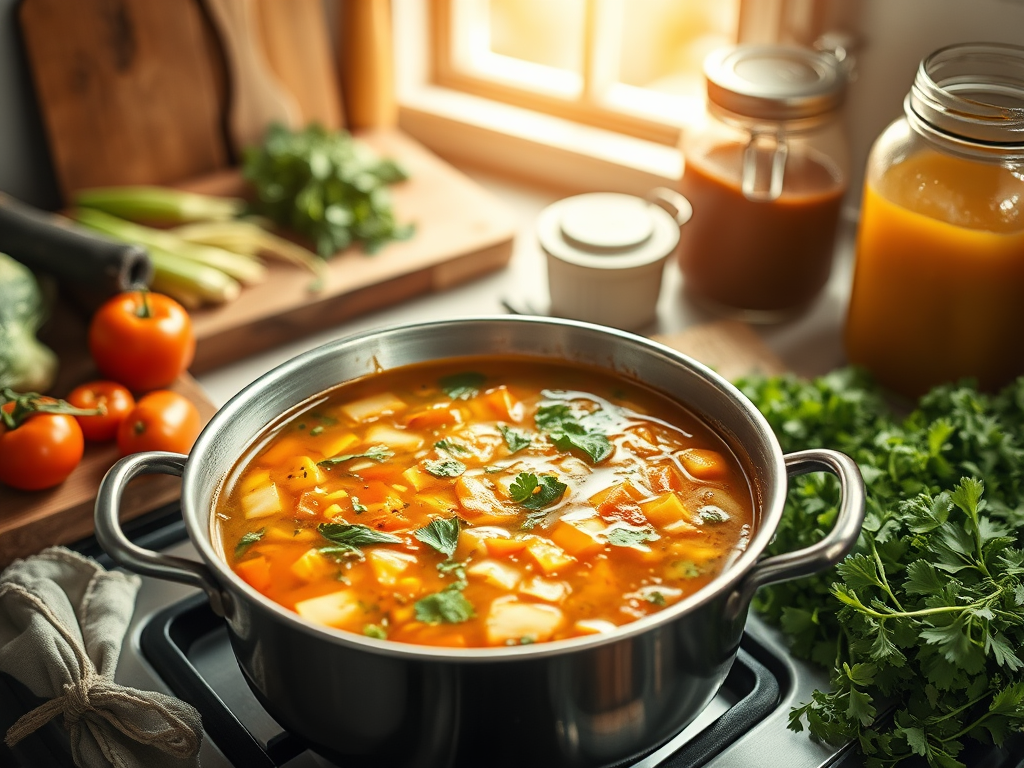
    When you have an abundance of vegetables from your garden, one of the easiest ways to use them up is by making a large pot of vegetable soup. Not only is it hearty and comforting, but it’s also a versatile dish that can be customized based on what you have on hand.

    Ingredients: Whatever vegetables are in season (carrots, potatoes, tomatoes, onions, zucchini, kale, etc.), garlic, vegetable or chicken stock, and herbs like thyme or rosemary. You can also add dried beans or lentils to stretch the meal and add protein.

    How to Make It:

    1. Chop up your vegetables and sauté garlic and onions in a large pot with some olive oil or butter.
    2. Add the chopped vegetables, stock, and herbs, and bring it to a boil. Then, let it simmer for 30-45 minutes until all the veggies are tender.
    3. For a heartier soup, add beans or lentils, which are both cheap and filling.

    Tips for Saving Money: Use what you have in abundance! You can freeze any leftover soup to eat later. Adding inexpensive grains like rice, barley, or oats also stretches the meal and adds fiber.

    Vegetable soup is a great way to use up leftover produce and can be made in large batches to feed a crowd or provide meals for the week ahead.

    Homemade Chicken or Veggie Stock

    Making homemade stock is one of the best ways to utilize parts of animals or vegetables that might otherwise go to waste. Chicken bones, vegetable scraps, and herb stems can be simmered together to create a rich, flavorful stock that you can use in soups, stews, or risottos.

    Ingredients: Chicken bones or vegetable scraps (onion peels, carrot ends, celery stalks, etc.), herbs like thyme, rosemary, bay leaves, and peppercorns.

    How to Make It:

    1. Place your chicken bones or veggie scraps into a large pot and cover with water.
    2. Add your herbs and seasonings, then bring it to a boil.
    3. Reduce the heat and let it simmer for at least 2 hours (the longer, the better). For a richer flavor, you can simmer the stock for 6-8 hours.
    4. Strain out the solids and store the stock in containers for later use. You can freeze stock in ice cube trays for easy portions.

    Tips for Saving Money: Making stock from leftover scraps means you’re reusing parts of food that would have been thrown away. Plus, you’ll have a flavorful, homemade stock on hand for cooking at no extra cost.

    Homemade stock enhances the flavor of many dishes, adds nurtrients and is a great way to utilize what would otherwise be food waste.

    Cabbage Stir-Fry with Eggs

    Cabbage is one of the most budget-friendly vegetables you can grow on your homestead, and it can be turned into a delicious, hearty meal with just a few ingredients. This cabbage stir-fry recipe is simple, filling, and perfect for when you’re looking for a quick meal that stretches your food supply.

    Ingredients: Cabbage (shredded), eggs, soy sauce (or homemade if you have the ingredients), garlic, and any leftover vegetables or herbs you have in the fridge.

    How to Make It:

    1. Heat oil in a large skillet and sauté garlic until fragrant.
    2. Add the shredded cabbage and cook, stirring occasionally, until the cabbage wilts and caramelizes slightly.
    3. Push the cabbage to the side of the skillet, crack eggs into the pan, and scramble them.
    4. Once the eggs are cooked, stir everything together and season with soy sauce or your preferred seasoning.

    Tips for Saving Money: Cabbage is incredibly affordable and lasts a long time in storage. This recipe is also versatile, so you can throw in any extra vegetables or meat scraps to give it a little more variety.

    This simple stir-fry can feed a family and uses up those extra heads of cabbage you may have growing in your garden.

    Homemade Bread (No-Knead or Basic Loaf)

    Bread is a staple in many homesteads, and making your own is not only satisfying but also budget-friendly. Homemade bread can be made with just a few basic ingredients that you likely already have in your pantry, and it can be baked in large batches to feed the whole family.

    Ingredients: Flour, yeast, salt, water, and a bit of honey or sugar (optional).

    How to Make It:

    1. Combine your dry ingredients (flour, salt, yeast) in a large bowl.
    2. Slowly add water and mix until you form a sticky dough.
    3. Cover and let it rise for 12-18 hours (a slow rise improves flavor).
    4. After the dough has risen, fold it over a few times, shape it into a loaf, and bake in a preheated oven (450°F) for about 40-45 minutes.

    Tips for Saving Money: Making bread from scratch is a fraction of the cost of store-bought loaves, and you can bake it in large quantities to freeze for later. You can also experiment with adding in herbs, cheese, or even leftover grains to flavor your bread.

    Homemade bread is an essential homestead recipe that not only saves you money but also provides a comforting, fresh side to any meal.

    Simple One-Pot Stews or Casseroles

    One-pot meals are the ultimate homesteading hack for saving time and money. You can throw together a variety of vegetables, grains, and meats (or beans) into one pot to create a delicious and filling meal that serves a crowd.

    Ingredients: Leftover vegetables, grains like rice or barley, beans or lentils, and your choice of protein (chicken, pork, beef, or a plant-based option). Season with garlic, onions, and herbs from your garden.

    How to Make It:

    1. In a large pot, sauté onions and garlic, then add in your protein (if using) and cook until browned.
    2. Add in your vegetables, grains, and beans, then cover with broth or water.
    3. Bring to a boil, then simmer until everything is tender and the flavors have melded together (about 45 minutes to an hour).
    • Tips for Saving Money: These dishes are perfect for using up whatever leftover ingredients you have in your fridge or garden. You can make a big batch to last the week and freeze portions for future meals.

    One-pot meals are an efficient way to make a hearty, cost-effective meal that stretches your homestead ingredients.

    Conclusion

    Cooking on a homestead doesn’t have to be expensive or complicated. By focusing on what you grow or raise yourself, you can create delicious, wholesome meals that are easy on your budget. Simple ingredients like vegetables, grains, and herbs can be transformed into flavorful dishes that provide nourishment and satisfaction to your family.

    The key to saving money is planning your meals around what’s in season, making the most of leftovers, and incorporating affordable staples like beans, rice, and cabbage into your recipes. By following these budget-friendly homestead recipes, you’ll be able to feed your family well while sticking to your homestead’s budget.

    Start incorporating these cost-effective meals into your routine and watch how much money you can save. Not only will you have a stockpile of healthy, homemade food, but you’ll also develop a deeper appreciation for the fruits of your labor.

    I hope this article helps you showcase how easy and rewarding it is to create budget-friendly meals on a homestead! Let me know if you want to adjust anything or add any specific recipes.

  • How to Make a Completely Homemade Pizza (Dough, Cheese & Sauce from Scratch)

    How to Make a Completely Homemade Pizza (Dough, Cheese & Sauce from Scratch)

    There’s something truly magical about making a pizza entirely from scratch — we’re talking about the dough, the cheese, and even the sauce. Whether you’re growing tomatoes in your backyard or making cheese from fresh milk, this homestead-style pizza is wholesome, flavorful, and deeply satisfying.

    Ready to get your hands messy and make something delicious? Let’s dive in!

    Homemade Pizza Dough Recipe

    A good pizza starts with a great crust — chewy on the inside, slightly crisp on the outside.

    Ingredients:

    2 ¼ tsp (1 packet) active dry yeast

    1 ½ cups warm water (about 110°F)

    1 tbsp sugar

    3 ½ cups all-purpose flour

    2 tbsp olive oil

    1 ½ tsp salt

    Instructions:

    1. In a large bowl, dissolve the sugar in warm water. Sprinkle yeast over the top and let it sit for 5–10 minutes, until foamy.

    2. Add flour, olive oil, and salt. Mix until it forms a dough, then knead on a floured surface for 8–10 minutes until smooth and elastic.

    3. Place the dough in a greased bowl, cover with a towel, and let it rise for about 1 hour or until doubled in size.

    4. Punch the dough down and roll it out to your desired thickness.

    Tip: This recipe makes enough for two medium pizzas.

    Homemade Farmer’s Cheese (Soft, Crumbly Cheese)

    You don’t need rennet or complicated equipment — this simple cheese is fresh, easy, and perfect for pizza.

    Ingredients:

    1 gallon whole milk

    1/4 cup white vinegar or lemon juice

    1 tsp salt (optional)

    Instructions:

    1. Heat the milk in a large pot over medium heat until it starts to gently boil (around 180°F).

    2. Remove from heat and slowly stir in vinegar or lemon juice.

    3. The curds will begin to separate from the whey. Let it sit for 10 minutes.

    4. Line a colander with cheesecloth and pour in the mixture. Let it drain for 1–2 hours depending on how firm you want the cheese.

    5. Crumble over your pizza or press into a mold to slice later.

    Optional: Add herbs or garlic for extra flavor before pressing the cheese.

    Homemade Tomato Sauce (From Garden or Pantry)

    This sauce is simple, vibrant, and full of fresh tomato flavor.

    Ingredients:

    4–5 ripe tomatoes (or 1 can crushed tomatoes)

    2 cloves garlic, minced

    1 tbsp olive oil

    1 tsp salt

    1 tsp dried oregano

    1 pinch sugar (to balance acidity)

    * Optional: basil, chopped onion, red pepper flakes

    Instructions:

    1. If using fresh tomatoes, blanch and peel them first.

    2. Sauté garlic in olive oil until fragrant.

    3. Add tomatoes, salt, oregano, and sugar.

    4. Simmer uncovered for 20–30 minutes, stirring occasionally.

    5. Blend for a smoother sauce, or leave chunky for a rustic texture.

    I used frozen tomatoes from last years harvest that I hadn’t gotten around to using yet. I let it simmer all day to cook off any excess liquid plus I like my sauce to be thick and very tomato-ey.

    Putting It All Together

    1. Preheat your oven to 475°F. A pizza stone or cast iron pan works great if you have one.

    2. Roll out your dough on a floured surface and transfer to a baking sheet or stone.

    3. Spread a layer of your homemade tomato sauce.

    4. Sprinkle on your homemade cheese.

    5. Add toppings: sliced onions, garden vegetables, cured meats, olives, herbs — whatever your homestead provides!

    6. Bake for 10–12 minutes, until the crust is golden and the cheese is bubbly.

    Final Thoughts

    Making pizza entirely from scratch is a deeply rewarding experience. It connects you with your food, your land, and your kitchen in the best way possible. Whether you grow your own tomatoes or just want to try something homemade this weekend, this recipe is a delicious place to start.

  • DIY Herbal Remedies: Natural Healing for a Healthier You

    DIY Herbal Remedies: Natural Healing for a Healthier You

    In an age where convenience often trumps health, many people have turned to herbal remedies for their natural healing properties. For centuries, herbal remedies have been at the heart of traditional medicine systems around the world, providing relief from common ailments and promoting overall wellness. But in modern times, many of these natural practices have been overshadowed by store-bought, chemically laden products.

    This guide explores the timeless power of herbal remedies, why they’re better for your health than many conventional, store-bought options, and how to incorporate them into your daily life safely and effectively.

    A Brief History of Herbal Remedies: Nature’s Medicine Cabinet

    Herbal remedies have been used by ancient civilizations for thousands of years, with records dating back to the Sumerians, Egyptians, and Chinese, and even the indigenous peoples in the Americas. The healing properties of herbs were initially discovered through observation—early humans noticed that certain plants alleviated symptoms such as pain, inflammation, or infections.

    For example, the ancient Egyptians used aloe vera for its soothing properties and peppermint for digestive issues. Or like how the use of willow bark for pain relief eventually led to the development of aspirin in modern medicine.

    In the Western world, the use of herbs was our primary medicine until the 19th century, when the rise of synthetic drugs began. The 20th century brought about an increasing reliance on pharmaceuticals and over-the-counter products, largely due to mass production capabilities and a booming pharmaceutical industry.

    Unfortunately, as we moved further away from nature and toward synthetic products, the knowledge of herbal medicine began to fade. The convenience of modern medicine, which is often highly processed and chemical-laden, led to a disconnect between people and the healing power of plants.

    Now, as we become more aware of the harmful effects of synthetic ingredients in many store-bought health products, there has been a resurgence in interest in herbal remedies. People are returning to the roots of natural healing, seeking holistic options that don’t come with the side effects and long-term risks associated with many commercial medicines.

    Why Herbal Remedies Are Better Than Store-Bought Alternatives

    Fewer Side Effects: One of the major advantages of herbal remedies over synthetic drugs is that they tend to have fewer and less severe side effects. Pharmaceuticals often come with a laundry list of potential side effects, including nausea, dizziness, and long-term organ damage. In contrast, most herbs are gentle on the body, with a wide array of beneficial compounds that promote healing without harsh effects.

    Natural & Pure: When you use herbal remedies, you know exactly what you’re getting. Many store-bought health products contain artificial colors, preservatives, additives, and synthetic chemicals. These ingredients are designed to prolong shelf life, enhance flavor, or improve appearance, but they often come with negative health implications in the long run. Herbal remedies, on the other hand, are pure and unadulterated, giving you the full benefit of nature’s healing properties.

    Sustainability: Herbal remedies are sustainable and environmentally friendly. Many herbs can be grown in your own garden, reducing the need for large-scale industrial production. Plus, unlike pharmaceuticals, herbs don’t rely on synthetic processes or the depletion of natural resources. This makes them a much more eco-friendly option for people who are mindful of their environmental impact.

    Holistic Healing: Herbal remedies focus on treating the root cause of an issue rather than just masking the symptoms. Most pharmaceutical drugs only address symptoms, which can lead to a cycle of taking more and more medication to manage the same condition. Herbal remedies aim to restore balance to the body, promote overall wellness and work with your body’s natural processes.

    Affordable & Accessible: Herbal remedies are typically much more affordable than many over-the-counter medications or prescription drugs, especially since many herbs can be grown in your own backyard. In addition, herbs have been used for centuries by people in all parts of the world, making them highly accessible and often readily available at local health food stores.

    Simple Herbal Remedies You Can Make at Home

    Now that we understand the benefits of herbal remedies, let’s dive into some simple herbs and learn how you can use them at home.

    Common Herbs & Their Benefits

    • Chamomile
      • Benefits: Known for its calming effects, chamomile is perfect for promoting relaxation, better sleep, and easing digestive issues.
      • Uses:
        • Tea: Steep 1-2 teaspoons of dried chamomile flowers in hot water for 5-10 minutes. Drink before bed to unwind.
        • Compress: Brew strong chamomile tea, soak a cloth, and apply it to skin irritation or inflammation.
    • Peppermint
      • Benefits: Peppermint aids in digestion, relieves headaches, and has cooling properties.
      • Uses:
        • Tea: Steep fresh or dried peppermint leaves in hot water for a refreshing digestive aid.
        • Oil: Dilute peppermint oil with a carrier oil (like coconut oil) and apply to temples for headache relief.
    • Lavender
      • Benefits: Lavender is well known for its ability to reduce anxiety, promote relaxation, and heal skin irritation.
      • Uses:
        • Bath: Add a few drops of lavender essential oil to your bath.
        • Pillow Spray: Mix 10 drops of lavender oil with water in a spray bottle and spritz on your pillow before bedtime for restful sleep.
    • Echinacea
      • Benefits: Echinacea is known for boosting the immune system and helping to fight off colds and flu.
      • Uses:
        • Tea: Steep echinacea root or dried flowers in hot water for 10-15 minutes to support your immune system.
        • Tincture: Use 1-2 dropperfuls of echinacea tincture in water to boost immunity.
    • Ginger
      • Benefits: Ginger has anti-inflammatory properties, aids digestion, and helps relieve nausea.
      • Uses:
        • Tea: Slice fresh ginger and steep in boiling water for 10 minutes for a soothing digestive drink.
        • Compress: Boil ginger in water, then cool and soak a cloth to apply to sore muscles.
    • Turmeric
      • Benefits: Turmeric is known for its anti-inflammatory and antioxidant properties, making it great for joint health and overall wellness.
      • Uses:
        • Tea: Boil turmeric root or powder with black pepper and water for 10-15 minutes to create an anti-inflammatory tonic.
        • Paste: Mix turmeric powder with water or coconut oil to create a paste and apply to inflamed areas for pain relief.
    • Rosemary
      • Benefits: Rosemary is great for memory enhancement, stimulating circulation, and relieving muscle pain.
      • Uses:
        • Tea: Steep 1-2 teaspoons of dried rosemary leaves in hot water for 5-10 minutes. It’s perfect for mental clarity and focus.
        • Oil: Dilute rosemary essential oil with a carrier oil and massage it into the scalp to improve circulation and promote hair growth.
    • Thyme
      • Benefits: Thyme has antiseptic properties, relieves coughs, and boosts immunity.
      • Uses:
        • Tea: Steep 1-2 teaspoons of fresh or dried thyme leaves in hot water for 5-10 minutes to soothe coughs and respiratory issues.
        • Infusion: Make an infusion by adding thyme leaves to boiling water, and use the steam to help clear nasal congestion.
    • Lemon Balm
      • Benefits: Lemon balm is known for its calming effects, helping to reduce stress and improve digestion.
      • Uses:
        • Tea: Steep 1-2 teaspoons of lemon balm leaves in hot water for 5-10 minutes. Drink to relieve stress and promote relaxation.
        • Compress: Brew a strong tea and soak a cloth in it. Apply it to the forehead or temples to relieve tension and headaches.

    Safety Precautions When Using Herbal Remedies

    While herbal remedies can be incredibly beneficial, they must be used with care to ensure safety and effectiveness. Here are a few important safety guidelines:

    Know Your Herbs: Always do thorough research before using any herb. Some herbs can interact negatively with medications or cause allergic reactions, especially if you have sensitivities or underlying health conditions. Additionally, pregnant or breastfeeding women should be cautious and consult a healthcare provider before using herbal remedies.

    Start Small: It’s important to begin with small doses when trying a new herb. Even natural products can cause allergic reactions in some people. Start with small amounts and gradually increase as you gauge your body’s response.

    Consult an Herbalist or Healthcare Professional: While herbal remedies are generally safe, it’s always a good idea to consult with an herbalist, naturopath, or a healthcare provider, especially if you’re new to herbal medicine. A professional can help guide you in choosing the right herbs and doses, particularly if you’re managing a specific health condition.

    Quality Matters: Ensure that the herbs you’re using are sourced from reputable suppliers, especially if you’re purchasing pre-made products like tinctures or essential oils. Low-quality herbs can be ineffective or even harmful due to contaminants or improper handling. When possible, grow your own herbs or buy organic to ensure purity.

    Be Cautious with Children: Some herbs, while safe for adults, may not be suitable for children or infants. Always check the safety guidelines for the herb you plan to use and, when in doubt, consult a healthcare professional.

    Conclusion: Embrace the Healing Power of Herbs

    Herbal remedies offer a powerful, natural alternative to conventional medicines. By returning to these ancient practices, we can tap into the healing potential of nature, which has been providing us with effective treatments for centuries. Herbal remedies are not only better for your body—they’re also better for the environment, more affordable, and provide a holistic approach to wellness.

    As we embrace these ancient traditions, it’s important to do so responsibly and with knowledge. Start with small steps, research your herbs, and consult professionals when needed to make sure you’re using them safely. By integrating herbal remedies into your daily routine, you’ll be nurturing your body, mind, and soul with the healing power of nature.

    Here is a free downloadable/printable quick guide-Enjoy!

  • Is Meal Prepping Worth It?

    Is meal prepping truly worth it? In our busy lives, balancing work, family commitments, social activities, and personal aspirations often leaves little room for maintaining a nutritious diet. After a long day, the temptation to stop at a fast-food restaurant can be hard to resist.


    Yet, an effective strategy exists that can transform your approach to cooking: meal prepping. This method not only helps you save valuable time but also alleviates stress, while ensuring that you’re consistently enjoying wholesome, home-cooked meals. This article will guide you through the essentials of meal prepping and illustrate how it can revolutionize your week. Furthermore, we’ll explore whether it’s the right choice for you and your household.

    Understanding Meal-Prepping; What exactly is it?

    Preparing meals in advance, known as meal prepping, enables individuals to save time and reduce stress during busy weeknights. This method involves several steps, including planning menus, shopping for ingredients, cooking dishes, and properly storing the finished meals. By organizing your culinary tasks ahead of time, you can streamline your eating habits, allowing for the enjoyment of wholesome, home-cooked dishes every day without the pressure of fitting cooking into a packed schedule. With this strategy, mealtime becomes a stress-free experience, fostering a healthier lifestyle and better time management.

    What are the Benefits of Meal Prepping?

    Time Efficiency: Cooking can be time-consuming, but by dedicating a few hours once a week to meal prep, you can create enough dishes to last through the days ahead. This strategy minimizes kitchen visits and cuts down on cleaning efforts significantly.


    Portion Management: Meal prepping empowers you to manage your serving sizes effectively, facilitating adherence to healthy dietary habits and helping with calorie control.


    Nutritional Convenience: With some forethought, preparing your meals in advance guarantees that wholesome options are readily available, decreasing the likelihood of turning to fast food or unhealthy snacks.


    Cost Savings: Planning your meals and purchasing ingredients in larger quantities can lead to considerable financial savings when compared to frequent takeout or restaurant dining.


    Minimized Food Waste: By outlining your meals ahead of time, you can avoid overbuying and ensure that food doesn’t end up discarded, thus contributing to a more sustainable approach to eating.

    The Downsides to Meal-Prepping

    Significant time commitment: Engaging in meal prepping often demands a substantial investment of time at the outset. From brainstorming meal ideas to grocery shopping and actual cooking, you can easily spend several hours readying yourself for the week ahead. For those with limited time, this undertaking can appear daunting.


    Monotony of meals: A frequent concern surrounding meal prepping is the uniformity it brings. Consuming the same dishes multiple times each week can become tiresome, leading to what’s often referred to as “food fatigue.” This boredom might push you to seek takeout alternatives instead of sticking to your meal plan.


    Storage limitations: Efficient meal prepping requires adequate storage space in your refrigerator and kitchen. If your fridge is on the smaller side, finding room for numerous prepped meals can be challenging. Furthermore, the expenses associated with buying reusable containers can accumulate, and the tasks of cleaning and labeling them may begin to feel burdensome.


    Food safety issues: With meal prepping, some dishes inevitably remain in your refrigerator for several days. Improper storage and handling can heighten the risk of foodborne illnesses. Additionally, some individuals simply prefer not to eat leftovers, which can render meal prepping an impractical choice for them.


    Decreased spontaneity: Committing to meal prepping establishes a fixed schedule, which can pose inconveniences if your plans change or if you crave something different. This lack of flexibility makes it difficult to adapt to unexpected social engagements or sudden cravings.

    Weighing the benefits of meal prepping: Is it truly worthwhile?

    Is meal prepping worth it? The answer largely depends on your individual lifestyle and preferences. For many people, meal prepping can significantly improve daily routines. It saves time throughout the week, alleviates mealtime stress, and fosters healthier eating habits by making it easier to avoid quick, unhealthy choices. However, if you thrive on flexibility and derive joy from cooking creatively, adhering to a strict meal prep schedule might feel burdensome rather than advantageous. Ultimately, assessing whether meal prepping suits your lifestyle requires reflection on your preferences and needs. For numerous individuals, this approach leads to more deliberate eating habits and a sense of calm during busy days.


    Do you engage in meal prepping? Share your thoughts below, and if you’re considering diving into this practice, check out this article for guidance on getting started.