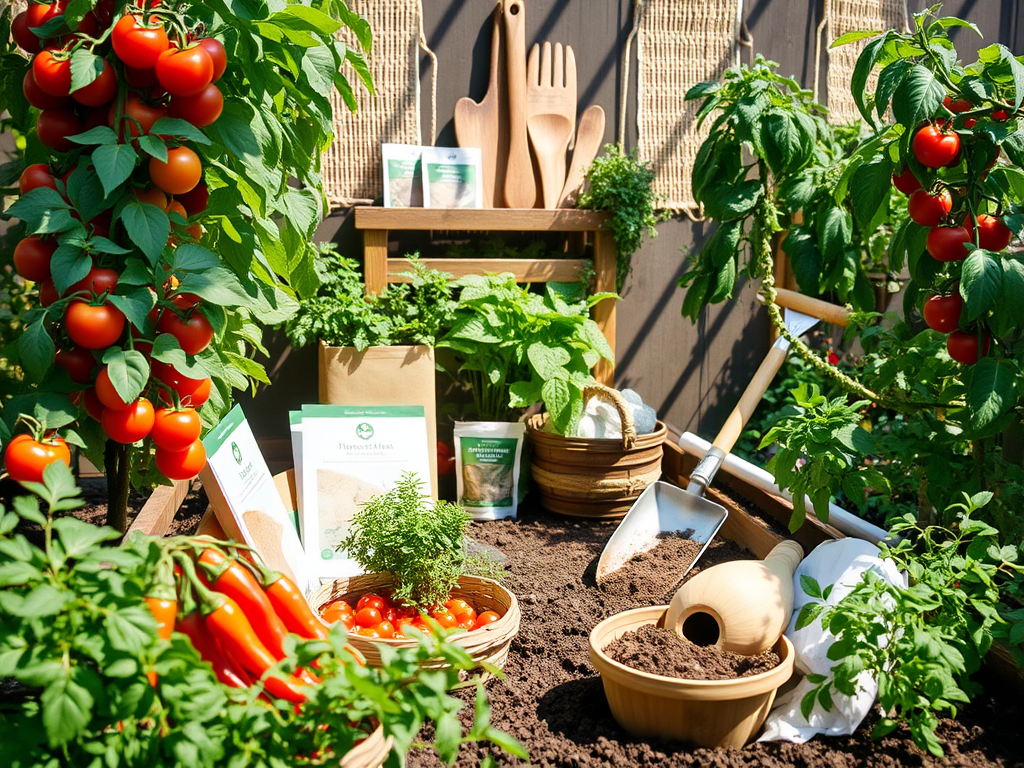
As a homesteader, one of the most rewarding aspects of our lifestyle is the ability to grow your own food. But, even with a garden full of fresh produce, the reality of cooking for your family can still be a challenge when it comes to budgeting. That’s where budget-friendly homestead recipes can come into play. These recipes make the most of what you already grow, raise, or preserve on your homestead, allowing you to cook hearty, wholesome meals without breaking the bank.
By focusing on simple, cost-effective ingredients that you can harvest yourself or purchase locally, you can cut down on grocery store expenses while still enjoying delicious, nutritious meals. Here are some budget-friendly homestead recipes that will help you make the most of your homestead harvest while saving you money.
Vegetable Soup: A Homesteader’s Classic
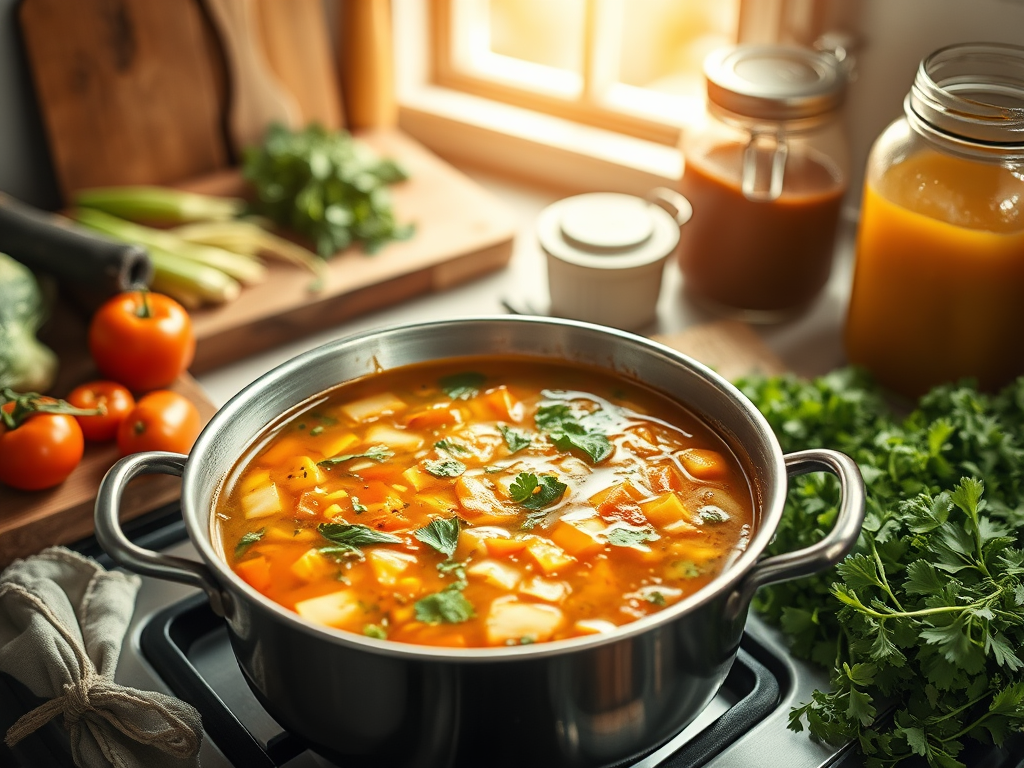
When you have an abundance of vegetables from your garden, one of the easiest ways to use them up is by making a large pot of vegetable soup. Not only is it hearty and comforting, but it’s also a versatile dish that can be customized based on what you have on hand.
Ingredients: Whatever vegetables are in season (carrots, potatoes, tomatoes, onions, zucchini, kale, etc.), garlic, vegetable or chicken stock, and herbs like thyme or rosemary. You can also add dried beans or lentils to stretch the meal and add protein.
How to Make It:
- Chop up your vegetables and sauté garlic and onions in a large pot with some olive oil or butter.
- Add the chopped vegetables, stock, and herbs, and bring it to a boil. Then, let it simmer for 30-45 minutes until all the veggies are tender.
- For a heartier soup, add beans or lentils, which are both cheap and filling.
Tips for Saving Money: Use what you have in abundance! You can freeze any leftover soup to eat later. Adding inexpensive grains like rice, barley, or oats also stretches the meal and adds fiber.
Vegetable soup is a great way to use up leftover produce and can be made in large batches to feed a crowd or provide meals for the week ahead.
Homemade Chicken or Veggie Stock
Making homemade stock is one of the best ways to utilize parts of animals or vegetables that might otherwise go to waste. Chicken bones, vegetable scraps, and herb stems can be simmered together to create a rich, flavorful stock that you can use in soups, stews, or risottos.
Ingredients: Chicken bones or vegetable scraps (onion peels, carrot ends, celery stalks, etc.), herbs like thyme, rosemary, bay leaves, and peppercorns.
How to Make It:
- Place your chicken bones or veggie scraps into a large pot and cover with water.
- Add your herbs and seasonings, then bring it to a boil.
- Reduce the heat and let it simmer for at least 2 hours (the longer, the better). For a richer flavor, you can simmer the stock for 6-8 hours.
- Strain out the solids and store the stock in containers for later use. You can freeze stock in ice cube trays for easy portions.
Tips for Saving Money: Making stock from leftover scraps means you’re reusing parts of food that would have been thrown away. Plus, you’ll have a flavorful, homemade stock on hand for cooking at no extra cost.
Homemade stock enhances the flavor of many dishes, adds nurtrients and is a great way to utilize what would otherwise be food waste.
Cabbage Stir-Fry with Eggs
Cabbage is one of the most budget-friendly vegetables you can grow on your homestead, and it can be turned into a delicious, hearty meal with just a few ingredients. This cabbage stir-fry recipe is simple, filling, and perfect for when you’re looking for a quick meal that stretches your food supply.
Ingredients: Cabbage (shredded), eggs, soy sauce (or homemade if you have the ingredients), garlic, and any leftover vegetables or herbs you have in the fridge.
How to Make It:
- Heat oil in a large skillet and sauté garlic until fragrant.
- Add the shredded cabbage and cook, stirring occasionally, until the cabbage wilts and caramelizes slightly.
- Push the cabbage to the side of the skillet, crack eggs into the pan, and scramble them.
- Once the eggs are cooked, stir everything together and season with soy sauce or your preferred seasoning.
Tips for Saving Money: Cabbage is incredibly affordable and lasts a long time in storage. This recipe is also versatile, so you can throw in any extra vegetables or meat scraps to give it a little more variety.
This simple stir-fry can feed a family and uses up those extra heads of cabbage you may have growing in your garden.
Homemade Bread (No-Knead or Basic Loaf)
Bread is a staple in many homesteads, and making your own is not only satisfying but also budget-friendly. Homemade bread can be made with just a few basic ingredients that you likely already have in your pantry, and it can be baked in large batches to feed the whole family.
Ingredients: Flour, yeast, salt, water, and a bit of honey or sugar (optional).
How to Make It:
- Combine your dry ingredients (flour, salt, yeast) in a large bowl.
- Slowly add water and mix until you form a sticky dough.
- Cover and let it rise for 12-18 hours (a slow rise improves flavor).
- After the dough has risen, fold it over a few times, shape it into a loaf, and bake in a preheated oven (450°F) for about 40-45 minutes.
Tips for Saving Money: Making bread from scratch is a fraction of the cost of store-bought loaves, and you can bake it in large quantities to freeze for later. You can also experiment with adding in herbs, cheese, or even leftover grains to flavor your bread.
Homemade bread is an essential homestead recipe that not only saves you money but also provides a comforting, fresh side to any meal.
Simple One-Pot Stews or Casseroles
One-pot meals are the ultimate homesteading hack for saving time and money. You can throw together a variety of vegetables, grains, and meats (or beans) into one pot to create a delicious and filling meal that serves a crowd.
Ingredients: Leftover vegetables, grains like rice or barley, beans or lentils, and your choice of protein (chicken, pork, beef, or a plant-based option). Season with garlic, onions, and herbs from your garden.
How to Make It:
- In a large pot, sauté onions and garlic, then add in your protein (if using) and cook until browned.
- Add in your vegetables, grains, and beans, then cover with broth or water.
- Bring to a boil, then simmer until everything is tender and the flavors have melded together (about 45 minutes to an hour).
- Tips for Saving Money: These dishes are perfect for using up whatever leftover ingredients you have in your fridge or garden. You can make a big batch to last the week and freeze portions for future meals.
One-pot meals are an efficient way to make a hearty, cost-effective meal that stretches your homestead ingredients.
Conclusion
Cooking on a homestead doesn’t have to be expensive or complicated. By focusing on what you grow or raise yourself, you can create delicious, wholesome meals that are easy on your budget. Simple ingredients like vegetables, grains, and herbs can be transformed into flavorful dishes that provide nourishment and satisfaction to your family.
The key to saving money is planning your meals around what’s in season, making the most of leftovers, and incorporating affordable staples like beans, rice, and cabbage into your recipes. By following these budget-friendly homestead recipes, you’ll be able to feed your family well while sticking to your homestead’s budget.
Start incorporating these cost-effective meals into your routine and watch how much money you can save. Not only will you have a stockpile of healthy, homemade food, but you’ll also develop a deeper appreciation for the fruits of your labor.
I hope this article helps you showcase how easy and rewarding it is to create budget-friendly meals on a homestead! Let me know if you want to adjust anything or add any specific recipes.